


How To Germinate Cannabis Seeds: Step-by-Step Guide [2026]
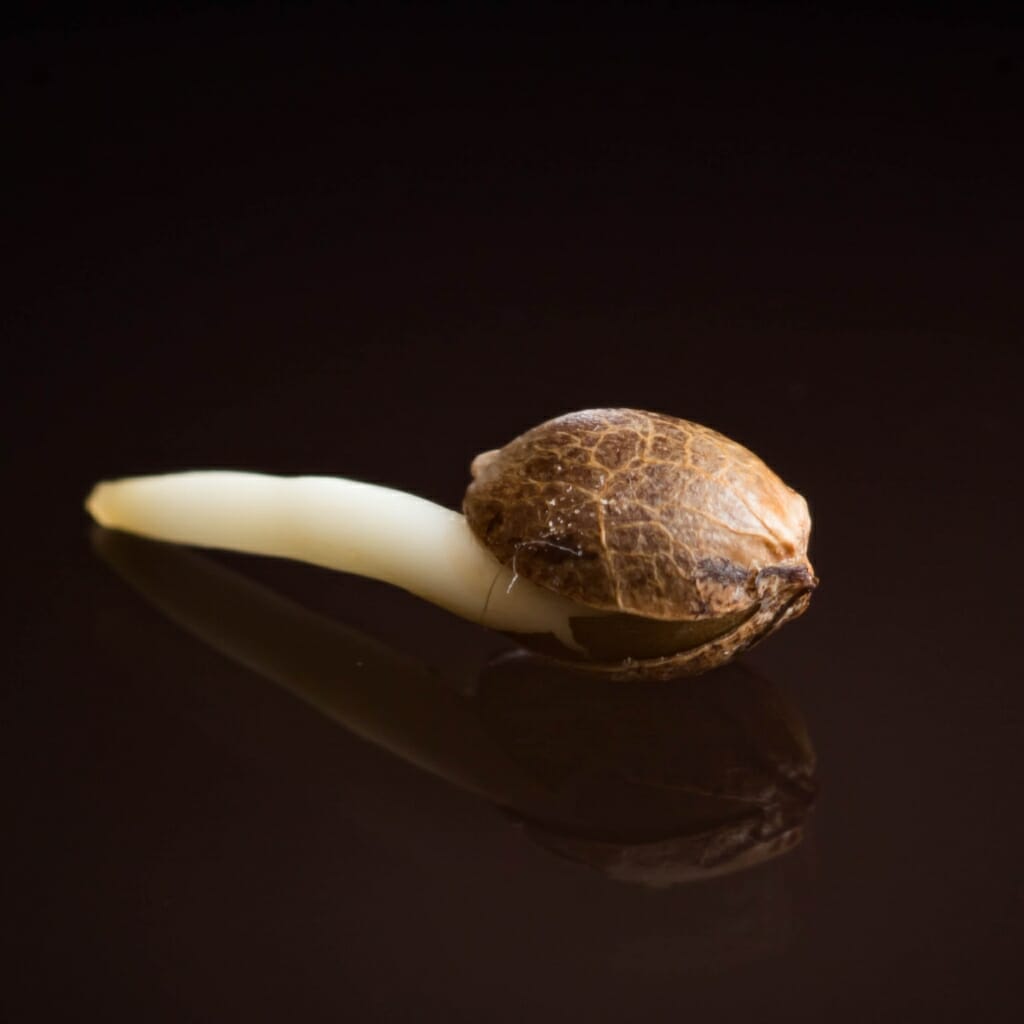
Every cannabis plant starts the same way—a seed sitting in darkness, absorbing water, deciding whether or not to wake up. Germination is the simplest stage of the grow, and it’s also the stage most beginners overthink, overcomplicate, or rush. Do it right, and you’ll have healthy seedlings within 72 hours. Do it wrong and you’ll be wondering why your $15 seed turned into nothing.
This guide covers what seeds actually need to germinate, every major method compared honestly, the step-by-step process for the most reliable technique, and what to do when seeds don’t cooperate. No mysticism required.
What Seeds Actually Need To Germinate
Three things. Just three.
Moisture. Seeds need consistent moisture to soften the seed coat, activate internal enzymes, and initiate the metabolic processes that drive germination. Not soaking wet. Consistently moist. The paper towel method works because it delivers exactly what it promises: sustained moisture contact without drowning the seed. For a detailed look at moisture’s role, see how moisture drives seed germination.
Warmth. Cannabis seeds germinate best between 70°F and 85°F (21°C to 29°C). Below 65°F, germination slows significantly or fails. Above 90°F, the seed can die before the taproot emerges. A seedling heat mat set to 75°F to 80°F is the most reliable way to maintain this range. Room temperature in a warm house often works fine without a mat. Cold room temperature often does not. See our guide to optimal germination temperature and humidity for the specifics.
Darkness. Cannabis seeds do not need light to germinate—they need it once the seedling breaks the surface. Darkness during germination mimics natural burial conditions and may improve success rates. Keep your germinating seeds in a dark space: inside a cabinet, under an upside-down plate, or in a dark room. See the role of light in seed germination for more details.
That’s it. Moisture, warmth, darkness. Anything beyond that—special germination solutions, pre-soaking regimens, vitamin additives—is an optional enhancement, not a requirement. Start with the basics before adding variables.
Check Your Seeds Before You Start: Viability 101
Germination failure often starts before the method—it starts with seed quality. A dead or damaged seed cannot germinate regardless of method or conditions. Spend 30 seconds checking your seeds before committing them to the process.
Viable seeds are typically darker in color: brown, tan, or grey with dark mottling or tiger-stripe patterns. They feel firm when pressed gently between fingers—not hollow, not crushable. Fresh seeds from reputable breeders almost always meet this standard.
White, pale, or green seeds are typically immature. Seeds that crumble under gentle pressure are dead. Seeds that feel hollow when rolled between fingers are often nonviable. The full guide to recognizing viable cannabis seeds covers visual and tactile identification in detail, including the float test as a quick viability check.
Storing seeds properly extends viability significantly. Cool (40°F to 45°F), dark, and dry conditions preserve viability for years. A sealed container with a silica gel desiccant pack in a refrigerator works well. For long-term storage considerations, see the ultimate guide to cannabis seed germination and storage.
The 5 Germination Methods: An Honest Comparison
Every grower has a preferred method, and most of them work. What follows is an honest comparison based on success rate, ease of use, transplant risk, and practical application. For a side-by-side breakdown, see our comparison guide to germination methods.
Method 1: Paper Towel (Most Popular—95%+ Success Rate)
How it works: Seeds are placed between moist paper towels in a warm, dark environment until the taproot emerges (typically 24 to 72 hours), then transplanted to their growing medium.
Advantages: High success rate, allows visual monitoring of taproot development, requires no special equipment, works with virtually every seed type.
Disadvantages: Transplanting the sprouted seed risks taproot damage if handled carelessly. Requires attention to keep paper towels moist without becoming waterlogged.
Best for: Most growers at most experience levels. The default recommendation for good reason.
Full walkthrough: why the paper towel method is the top choice for cannabis seed germination.
Method 2: Direct Soil (Most Natural)
How it works: Seeds are planted directly into their final growing medium at a depth of approximately ½ inch, kept consistently moist, and allowed to germinate in place.
Advantages: No transplant shock. No taproot handling. The seedling develops its root system naturally without disruption. Closely mirrors how cannabis germinates in nature.
Disadvantages: No visual confirmation of taproot development—you’re waiting on faith. Overwatering is a common mistake that rots seeds before they sprout. Difficult to troubleshoot if germination fails.
Best for: Experienced growers confident in their soil preparation and watering discipline. Outdoor growers working at scale who can’t monitor each seed individually.
More details: direct soil germination tips.
Method 3: Water Glass Soaking (Good Pre-Treatment)
How it works: Seeds are placed in a glass of room-temperature water (ideally pH 6.0 to 6.5) for 12 to 24 hours. Seeds that sink are typically viable and ready for the next step. Seeds that float after 24 hours are often nonviable. After soaking, transfer to paper towel or direct to soil.
Advantages: Softens the seed coat, allows quick viability assessment via float test, and kickstarts moisture absorption.
Disadvantages: Extended soaking (beyond 24 to 32 hours) can drown seeds by depriving them of oxygen. Not a standalone germination method—works best as a pre-soak before paper towel or direct planting.
Best for: Older seeds or seeds with particularly hard shells. As a 12-hour pre-treatment before the paper towel method.
Method 4: Rapid Rooters and Starter Cubes
How it works: Seeds are placed in pre-moistened rapid rooter plugs or starter cubes—porous growing media designed to hold ideal moisture levels while providing oxygen to the developing root.
Advantages: Eliminates transplant shock entirely—the plug goes directly into the growing medium. Maintains ideal moisture without active management. Excellent for hydroponic and coco growers who need clean media from the start.
Disadvantages: Costs more than paper towels. Requires sourcing starter plugs. Less visual feedback on germination progress.
Best for: Hydroponic growers, coco growers, and anyone who wants to minimize handling. The professional standard for production cultivation.
Full guide: using starter cubes and plugs for cannabis germination.
Method 5: Rockwool Cubes
How it works: Rockwool cubes are pH-balanced (to 5.5 to 6.0) and pre-soaked, then seeds are inserted into the pre-made hole at the top of the cube. The cube maintains moisture while providing excellent aeration.
Advantages: Purpose-built for germination. Works seamlessly with all hydroponic systems. Provides clean, inert growing medium from seed to transplant.
Disadvantages: Requires pH adjustment before use (rockwool is alkaline by default). Handling requires awareness—rockwool fibers are irritants and should not be inhaled during preparation. More expensive than basic media.
Best for: Serious hydroponic growers. Anyone already running a rockwool-based system.
Full walkthrough: germinating cannabis seeds in rockwool.
Step-By-Step: The Paper Towel Method
This is the method most growers use and the one with the best track record for beginners. Follow it exactly the first time; modify it once you have experience.
Step 1: Gather your materials. Two sheets of plain white paper towel (no printed patterns—ink can interfere with germination). A plate or shallow container. Clean water—filtered or pH-adjusted to 6.0 to 6.5 if you have the equipment, or plain filtered water if you don’t. Seeds.
Step 2: Moisten the paper towels. Wet both sheets thoroughly, then squeeze out the excess water. The goal is moist, not dripping. Lay one sheet flat on the plate.
Step 3: Place the seeds. Arrange seeds on one half of the flat paper towel, spaced at least an inch apart. Fold the other half of the towel over the seeds, or lay the second sheet on top.
Step 4: Create a dark, warm environment. Slide the plate into a plastic bag or cover with a second plate. Place it in a warm (75°F to 80°F), dark location. A cabinet above the refrigerator works. A seedling heat mat set to low works better.
Step 5: Check after 24 hours, then every 12 hours. Lift the paper towel carefully to check for taproot emergence. A healthy taproot will be white or cream-colored, growing in a curved or straight orientation from the seed. Maintain moisture by misting if needed—never let the towels dry out.
Step 6: Transplant when the taproot is ¼ to ½ inch long. Using tweezers or a steady hand, transfer the sprouted seed to your growing medium with the taproot facing down. Plant at ½-inch depth. Cover lightly. The seedling should break the surface within 24 to 48 hours. For detailed timelines, see how long cannabis seeds take to sprout.
Troubleshooting: When Seeds Won’t Germinate
Most germination failures have one of six causes. Work through this list before concluding your seeds are dead.
Temperature too low or too high. Check your germination environment temperature. Below 65°F will dramatically slow or prevent germination. Above 90°F can cook the seed. A $15 digital thermometer eliminates guesswork.
Paper towels too wet. Seeds sitting in standing water can drown. The towel should feel evenly moist—not saturated, not dripping. Squeeze excess water out before using.
Paper towels dried out. The opposite problem. A dark space can mean a warm space, and warm spaces dry towels faster than expected. Check moisture levels every 12 hours.
Seed coat not softened. Older seeds or seeds with very hard coats sometimes need assistance. A 12-hour water soak before paper towel placement can soften the coat enough for germination to proceed.
Seed dormancy. Some seeds, particularly from landraces or less-processed genetic lines, go through periods of dormancy where they won’t germinate even under ideal conditions. This is a survival mechanism. Gentle scarification—lightly sanding the seed coat with fine sandpaper—can break dormancy. For more, see understanding seed dormancy.
The seed is genuinely dead. Seeds have finite viability. Old seeds, improperly stored seeds, or seeds that were damaged in shipping can fail to germinate through no fault of your method. Buy from reputable breeders with germination guarantees, and this risk drops significantly.
For a full troubleshooting guide: what to do when cannabis seeds won’t sprout.
Seedling Care After Germination
The taproot has emerged. The seedling has broken the surface. Now what?
Light: 18 hours on, 6 hours off for photoperiod strains. 20 hours on, 4 hours off for autoflowers. CFL, T5, or low-intensity LED at 2 to 4 inches above the seedling. Seedlings are photosensitive and will stretch toward insufficient light—keep the light source close but not so close that heat damage occurs.
Watering: Seedlings need very little water. Water in a small circle around the stem rather than flooding the medium. The goal is to encourage roots to search outward for moisture. Overwatering at this stage is the most common cause of seedling failure—it deprives roots of oxygen. Let the top inch of soil dry out slightly between waterings.
Humidity: Seedlings prefer higher humidity (65% to 75% RH) than mature plants because they absorb much of their moisture through leaves before their root system is fully developed. A humidity dome or clear plastic cup over the seedling creates a microenvironment that supports early development.
Nutrients: Do not feed seedlings for the first 2 to 3 weeks. Good cannabis soil contains enough nutrients for this stage. Early nutrient applications cause burns in plants that lack the root mass to process them. See our guide to growing strong cannabis seedlings for the full early-stage protocol.
Frequently Asked Questions
How long does cannabis seed germination take?
Fresh, high-quality seeds typically sprout within 24 to 72 hours. Seeds that take longer than 5 days may still germinate, but the success rate drops with time. Seeds that show no activity after 7 to 10 days under ideal conditions are almost certainly nonviable.
Should I use distilled, filtered, or tap water for germination?
Filtered or distilled water with pH adjusted to 6.0 to 6.5 is ideal. Tap water works in most areas if the chlorine and chloramine levels aren’t extreme—let tap water sit uncovered overnight to off-gas chlorine before using it. Hard tap water with very high mineral content can interfere with germination.
Does it matter which way the seed faces in the paper towel?
No. Seeds orient themselves during germination—the taproot will naturally grow downward toward gravity regardless of seed orientation during the paper towel phase. Orientation matters when transplanting: taproot pointing down into the medium.
Can I use a heat mat for germination?
Yes—a seedling heat mat set to 75°F to 80°F is one of the most useful germination tools available, particularly in cool grow rooms or during winter months. Keep the mat on the lower setting and use a thermometer to verify the actual temperature.
Why did my taproot turn brown?
A white taproot that turns brown or grey has usually dried out, been contaminated by pathogens in the paper towel, or been exposed to air too long before transplanting. Handle sprouted seeds quickly, keep towels clean, and transplant promptly when the taproot reaches ¼ to ½ inch.
Can I germinate autoflower seeds the same way?
Yes. Autoflower seeds germinate identically to photoperiod seeds. The only post-germination difference: autoflowers typically go directly into their final container at germination to avoid transplant stress, which can affect timing in a plant that flowers by age.
What if the seedling comes up with the seed coat stuck on the leaves?
This is called “helmet head.” The seed coat failed to separate from the cotyledons during emergence. In most cases, wait 12 to 24 hours—the seedling often works it off on its own with adequate humidity. If it persists and the cotyledons are being restricted, gently moisten the seed coat with a drop of water and carefully remove it using tweezers. Go slowly; the cotyledons are fragile.
Start With Seeds Worth Germinating
Everything in this guide works better when you start with quality seeds from verified breeders. Dead seeds don’t germinate, and cheap seeds from unverified sources often aren’t what they claim to be.
Seeds Here Now carries a germination guarantee and sources exclusively from breeders we’ve vetted for genetic accuracy and seed viability. If your Seeds Here Now seeds don’t germinate following proper technique, we stand behind them.
Related Guides
Suggested Articles
 10 Apr 2026
  8 min read
;)
;)
;)
 June 22, 2023


RESPONSES (0)
No responses yet. Be the first to respond!