


What Are Cannabis Clones? A Complete Guide
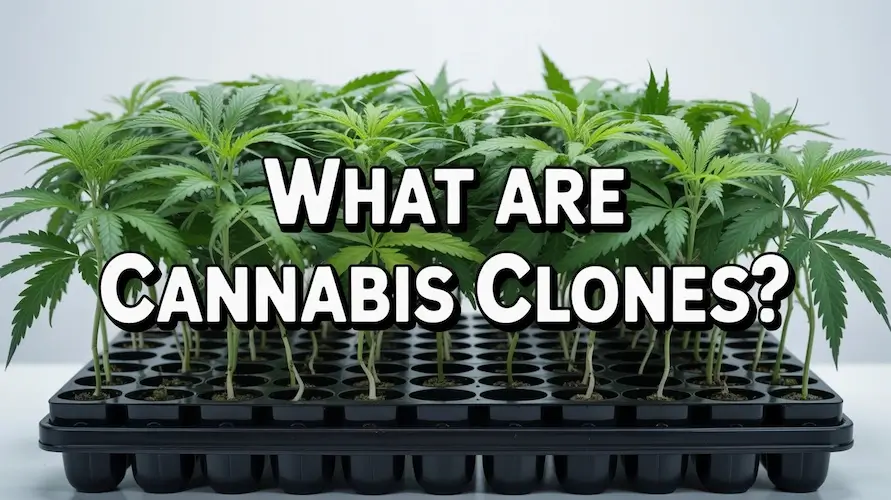
Cannabis clones are cuttings taken from a mature female cannabis plant and rooted to create a new plant that is genetically identical to the original, or “mother,” plant. Unlike seeds, which combine genetics from two parent plants, clones preserve a single plant’s exact traits, including cannabinoid profile, terpene expression, growth pattern, yield potential, and flowering time.
In simple terms, a cannabis clone is a copy-and-paste version of a plant that has already proven its quality. Because of this consistency, clones are widely used by commercial cultivators and experienced home growers who want predictable results.
How Cannabis Clones Work
Cloning relies on the cannabis plant’s natural ability to regenerate. When a healthy cutting is taken from a vegetative plant and placed in the right environment, it develops roots and continues growing as an independent plant.
The process generally follows these steps:
- A grower selects a healthy female plant in the vegetative stage.
- A cutting is taken from a lower branch, typically 4 to 6 inches long.
- The cutting is dipped in a rooting hormone to encourage root growth.
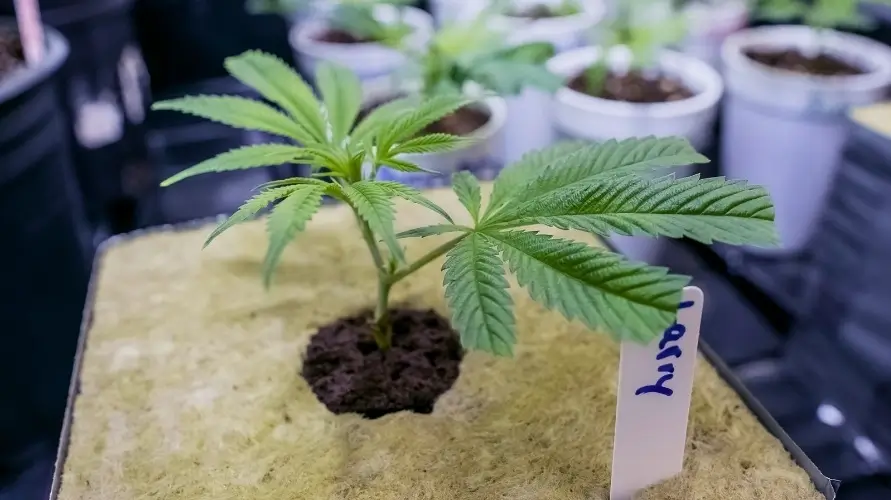
- The clone is placed into a growing medium such as rockwool, coco coir, soil, or an aeroponic cloner.
- After roots develop, usually within 7 to 14 days, the clone is transplanted and grown like a normal cannabis plant.
Because clones come from mature plants, they skip the seedling stage and begin life ready to grow vigorously under proper conditions.
Cannabis Clones vs. Seeds
Understanding the difference between clones and seeds is essential when deciding how to start a grow.
Genetic Consistency
Clones are genetic replicas of the mother plant, meaning every clone will grow and flower the same way. Seeds, even from the same strain, can produce variations in size, potency, flavor, and structure.
Sex of the Plant
Cannabis clones are always female if taken from a female mother plant. Seeds can produce male or female plants unless they are feminized.
Growth Speed
Clones grow faster initially because they bypass the seedling phase. Seeds take time to germinate and establish early growth.
Disease Risk
Seeds start clean, while clones can carry pests, mold, or diseases if the mother plant is not healthy.
Availability
Seeds are easy to store and ship. Clones are more delicate and are often only available locally from dispensaries or nurseries.
Benefits of Cannabis Clones
Cannabis clones offer several advantages, especially for growers focused on consistency and efficiency.
- Predictable results: Clones grow with the same traits every time.
- Guaranteed female plants: No risk of male plants ruining a crop.
- Faster harvests: Clones shorten the overall grow cycle.
- Preserved elite genetics: Exceptional plants can be reproduced indefinitely.
- Uniform canopy: Ideal for indoor grows using techniques like SCROG or SOG.
For commercial operations, these benefits translate into reliable yields and consistent product quality.
Drawbacks of Cannabis Clones
Despite their advantages, clones are not without challenges.
- Limited genetic diversity: Clones lack variation, which can reduce resilience.
- Higher disease risk: Problems from the mother plant can transfer to clones.
- Rooting sensitivity: Clones require careful humidity, temperature, and light control.
- Legal and logistical limits: In some areas, clone availability is restricted.
Growers must weigh these factors carefully, especially beginners who may find seeds easier to manage.
What Is a Mother Plant?
A mother plant is a female cannabis plant kept permanently in the vegetative stage for the purpose of producing clones. Growers select mother plants based on desirable traits such as potency, aroma, yield, resistance to stress, and growth structure.
Maintaining a healthy mother plant requires:
- Stable lighting, usually 18 to 24 hours per day
- Regular pruning to encourage new growth
- Balanced nutrients to prevent deficiencies
- Vigilant pest and disease management
A well-maintained mother plant can produce hundreds of clones over its lifetime.
How To Take Cannabis Clones
Taking clones is a precise process, but it can be mastered with practice.
Step-by-Step Overview
- Sterilize scissors or a razor blade.
- Cut a healthy branch at a 45-degree angle.
- Remove lower leaves to focus energy on rooting.
- Dip the cut end into rooting hormone.
- Place the cutting into a moist growing medium.
- Keep humidity high and light gentle until roots form.
Clones thrive in warm environments with temperatures between 70 and 78 degrees Fahrenheit and humidity levels around 70 percent during early rooting.
Are Cannabis Clones Right for Beginners?
Cannabis clones can be beginner-friendly, but only if sourced from a reputable, clean provider. New growers benefit from skipping germination and avoiding male plants, but they must be prepared to monitor humidity and plant health closely during the rooting phase.
For those who want simplicity and long-term storage, seeds may still be the better option. For those who want speed and consistency, clones are hard to beat.
Common Problems With Cannabis Clones
Even experienced growers encounter issues when working with clones. Understanding common problems helps prevent losses and improve success rates.
Clones Wilting or Drooping
Wilting clones are often the result of low humidity or excessive light. Because clones do not have roots initially, they rely on moisture absorbed through their leaves. Maintaining high humidity and gentle lighting is critical during the first week.
Slow or No Root Development
Clones that fail to root may suffer from cold temperatures, improper cutting technique, old or weak mother plants, or insufficient oxygen in the rooting medium. Fresh cuts, clean tools, and stable environmental conditions greatly improve rooting speed.
Mold and Mildew
High-humidity environments can encourage mold if airflow is inadequate. Use gentle air circulation and remove any decaying plant matter immediately.
Best Growing Media for Cannabis Clones
The medium used for cloning affects root health and success rates.
- Rockwool: Popular and effective, but requires proper pH balancing.
- Coco coir: Provides excellent aeration and moisture retention.
- Soil: Beginner-friendly but slower to root than inert mediums.
- Aeroponic cloners: Deliver the fastest results when managed correctly.
Each medium has trade-offs, but all can work well when environmental conditions are optimized.
Ideal Environment for Cannabis Clones
Clones thrive in stable, controlled conditions.
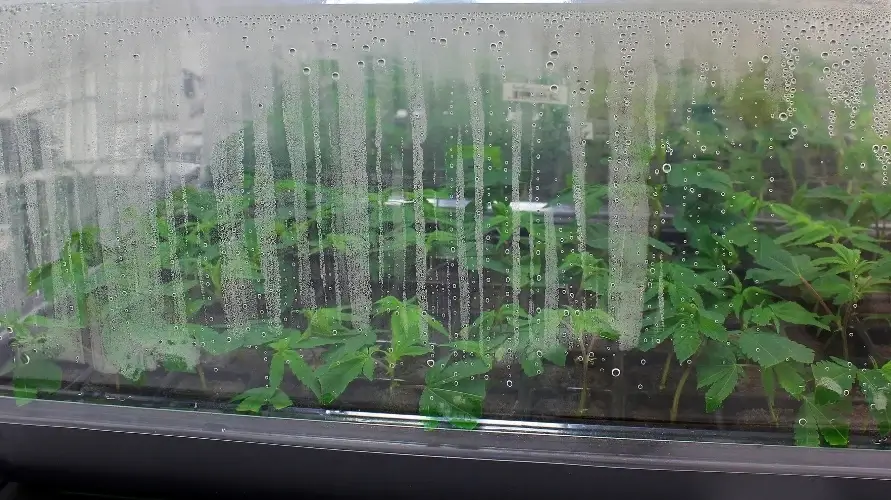
- Temperature: 70 to 78 degrees Fahrenheit
- Humidity: 65 to 80 percent during early rooting
- Light: Low-intensity fluorescent or LED lighting
- Airflow: Gentle circulation without direct wind
Sudden changes in temperature or humidity are one of the leading causes of clone failure.
How Long Can Cannabis Clones Stay in Vegetative Growth?
Cannabis clones can remain in the vegetative stage indefinitely if provided with consistent light cycles and proper care. However, keeping clones in veg for extended periods without pruning can lead to root binding and nutrient imbalances.
Growers often transplant clones into larger containers and prune regularly to maintain healthy growth before flowering.
Can Cannabis Clones Be Used Outdoors?
Yes, cannabis clones can be grown outdoors, but timing is critical. Outdoor clones should be hardened off gradually to adjust to sunlight, temperature swings, and wind. Sudden exposure to direct sun can cause stress or leaf burn.
Clones planted outdoors too early in the season may flower prematurely due to insufficient daylight hours.
Legal Considerations for Cannabis Clones
Laws governing cannabis clones vary by location. In many jurisdictions, clones are considered plants and count toward legal plant limits, even if they are small or unrooted.
Before purchasing or transporting clones, growers should understand local regulations regarding possession, cultivation, and distribution.
Cannabis Clones for Commercial Cultivation
Commercial growers rely heavily on clones to maintain brand consistency and predictable harvests. Uniform plants simplify feeding schedules, canopy management, and harvest timing.
Cloning also allows commercial operations to preserve proprietary genetics that distinguish their products in competitive markets.
Preserving and Pheno-Hunting With Clones
Clones play a key role in pheno-hunting, the process of growing multiple plants from seed to identify standout phenotypes. Once a superior plant is identified, clones are taken to preserve its genetics permanently.
Without cloning, exceptional plants would be lost after harvest.
Where To Buy the Best Cannabis Clones
When purchasing cannabis clones, sourcing matters. Healthy clones with verified genetics can save growers time, money, and frustration, while poor-quality clones can introduce pests, disease, or unstable traits into a grow.
Seeds Here Now offers a wide selection of premium cannabis clones that are carefully selected, professionally maintained, and rigorously inspected. All clones are free of pests and diseases and come from verified, stable genetics, ensuring growers receive clean, vigorous plants that perform exactly as expected. By choosing a trusted source like Seeds Here Now, growers can skip the risks associated with unknown providers and start their grow with confidence, consistency, and peace of mind.
FAQs: Cannabis Clones
What are cannabis clones used for?
Cannabis clones are used to replicate proven plants with desirable traits, ensuring consistent growth, potency, and flavor across multiple harvests.
Are cannabis clones better than seeds?
Clones are better for consistency and speed, while seeds are better for genetic diversity, storage, and starting disease-free plants.
Can cannabis clones turn male?
No. A clone taken from a female plant will always be female unless it becomes stressed and expresses hermaphroditic traits.
How long do cannabis clones take to root?
Most cannabis clones develop roots within 7 to 14 days under proper conditions.
Do cannabis clones have the same potency as the mother plant?
Yes. Because clones are genetically identical, they have the same potency potential as the mother plant when grown under similar conditions.
Can you clone an autoflower cannabis plant?
Cloning autoflowering cannabis plants is generally ineffective because autoflowers begin flowering based on age rather than light cycle, limiting clone viability.
Final Thoughts
Understanding what cannabis clones are and how they work empowers growers to produce consistent, high-quality plants with confidence. From preserving elite genetics to streamlining commercial production, clones are a foundational tool in modern cannabis cultivation.
As a hub resource, this guide answers every major question surrounding cannabis clones, helping growers decide whether cloning fits their goals, experience level, and growing environment.
Suggested Articles
 24 Feb 2026
  7 min read

;)
;)
;)
 January 15, 2026


RESPONSES (0)
No responses yet. Be the first to respond!