


Optimizing Cannabis Root Health: Essential Tips
When growers think about maximizing cannabis yields, they usually focus on lighting intensity, nutrient formulas, genetics, or canopy training. Yet the most important system in the plant is hidden underground. The root zone is the engine that drives nutrient uptake, hydration, hormone signaling, and overall plant metabolism. If the roots are weak, stressed, or oxygen-deprived, the rest of the plant will struggle—no matter how perfect the environment appears above the canopy.
Optimizing cannabis root health is not just about preventing root rot. It involves building a thriving, oxygen-rich, biologically active environment that allows roots to expand aggressively and function efficiently throughout the plant’s entire life cycle. This guide explores root anatomy, environmental optimization, medium selection, microbial partnerships, nutrient dynamics, container strategies, and advanced techniques to help you unlock your plants’ full potential.
Understanding Cannabis Root Anatomy
To truly optimize cannabis root health, you must understand how the root system develops and functions.
When a seed germinates, the first structure to emerge is the taproot. This central root anchors the plant and establishes the foundation for future growth. As the plant matures, lateral roots branch outward from the taproot, creating structural support and expanding the plant’s access to water and nutrients.
The most critical structures, however, are the feeder roots and microscopic root hairs. These fine extensions dramatically increase surface area, allowing the plant to absorb nutrients and water efficiently. Root hairs are extremely delicate. They are easily damaged by overwatering, high temperatures, compaction, or pathogens.
Healthy cannabis roots should appear:
-
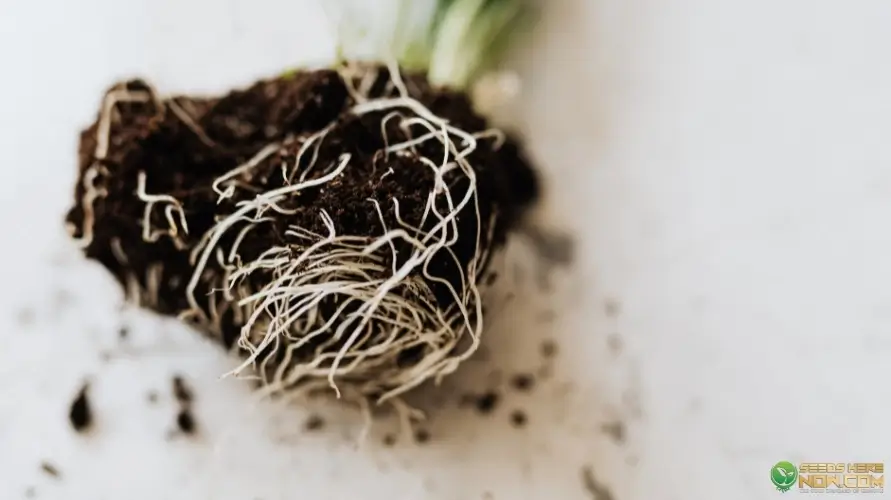
Bright white or cream-colored
-
Firm, fibrous, and branching
-
Moist but not slimy
-
Fresh-smelling, never sour
Discoloration, mushy texture, or foul odor indicate stress or infection.
Root systems are dynamic. They continuously grow, die back, and regenerate in response to environmental conditions. A grower’s job is to create conditions that encourage constant expansion rather than stagnation.
Why Cannabis Root Health Directly Determines Yield
Root health is not just about keeping plants alive—it directly affects growth rate, flower density, cannabinoid production, and terpene expression.
Roots are responsible for:
-
Absorbing water and dissolved nutrients
-
Storing carbohydrates
-
Producing growth hormones such as cytokinins
-
Signaling stress responses to the rest of the plant
When roots are thriving, nutrient uptake becomes more efficient. This translates to thicker stems, stronger branches, and larger bud sites during flowering. Conversely, compromised roots reduce oxygen flow, limit nutrient absorption, and slow metabolic activity.
Many “nutrient deficiencies” observed in cannabis leaves are not caused by a lack of nutrients in the medium. Instead, they stem from unhealthy roots that cannot absorb what is already available.
In short, strong roots build strong plants.
Creating the Ideal Root Zone Environment
Optimizing cannabis root health requires maintaining the perfect balance of oxygen, moisture, temperature, and microbial activity. These factors are interconnected—altering one influences the others.
Oxygen: The Overlooked Essential
Roots require oxygen to perform cellular respiration. Without oxygen, roots suffocate, and harmful anaerobic pathogens thrive.
In soil and coco systems, oxygen availability depends on structure and watering practices. A compacted or oversaturated medium dramatically reduces the number of oxygen pockets.
To improve root oxygenation:
-
Incorporate aeration materials like perlite, pumice, or rice hulls
-
Avoid compressing soil when transplanting
-
Use fabric pots to promote airflow
-
Allow dry-back cycles between watering
-
Avoid leaving runoff water sitting in trays
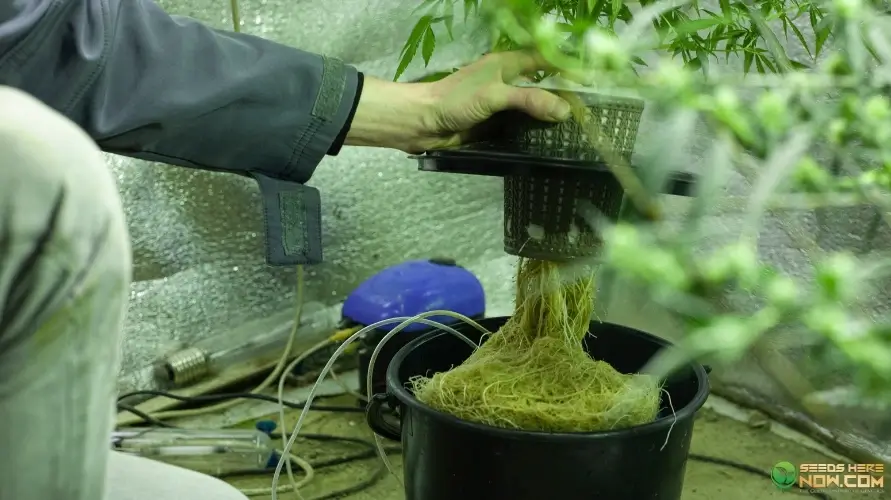
In hydroponic systems, dissolved oxygen levels are critical. Air stones, circulation pumps, and proper reservoir temperature control ensure roots receive adequate oxygen.
Overwatering remains the most common mistake growers make. Constantly wet media eliminate oxygen pockets, creating the perfect environment for root pathogens.
Root Zone Temperature Control
Temperature strongly influences root metabolism. Roots operate most efficiently within a narrow temperature range.
Ideal root zone temperatures:
-
Soil: 68–72°F (20–22°C)
-
Hydroponics: 65–70°F (18–21°C)
When temperatures rise above 75°F, dissolved oxygen decreases, and pathogens multiply more rapidly. When temperatures drop below 60°F, nutrient uptake slows significantly, even if nutrients are present.
Maintaining stable temperatures may require:
-
Insulating pots from cold floors
-
Using root-zone heating mats during early veg
-
Employing water chillers in hydro systems
-
Monitoring reservoir temperatures daily
Temperature stability is just as important as the actual number.
Watering Practices That Promote Root Expansion
Watering technique plays a central role in cannabis root health. Roots thrive in a cycle of moisture followed by slight dry-back. This encourages roots to expand outward in search of water.
Proper watering involves:
-
Fully saturating the medium during irrigation
-
Allowing 10–20% runoff in soil or coco
-
Letting the medium partially dry before the next watering
-
Avoiding constant surface moisture
Lifting pots to gauge weight is one of the most reliable ways to assess moisture levels. If the container still feels heavy, wait. This practice encourages deeper root penetration rather than shallow surface rooting.
Soil vs. Coco vs. Hydroponics: Root Development Differences
Different growing mediums create different root behaviors.
Soil
Soil offers buffering capacity and microbial complexity. Organic soil systems foster symbiotic relationships between roots and beneficial microbes. Root growth may be slightly slower than in hydroponics, but plants often develop resilience and complex terpene profiles.
Coco Coir
Coco provides superior aeration and rapid nutrient uptake. Roots grow aggressively in coco due to the oxygen-rich structure. However, coco requires more precise feeding schedules because it contains little nutritional buffering.
Hydroponics
Hydroponic systems deliver nutrients in solution, often resulting in the fastest growth rates. However, hydro roots are highly sensitive to temperature swings and oxygen deprivation. Constant monitoring is required.
Each medium demands different management strategies, but the underlying principle remains the same: roots need oxygen, stability, and balance.
Beneficial Microbes: The Hidden Root Allies
A healthy root zone is not sterile—it is biologically active. Beneficial fungi and bacteria form symbiotic relationships with cannabis roots, enhancing nutrient absorption and protecting against pathogens.
Important microbial allies include:
-
Mycorrhizal fungi, which extend root networks
-
Bacillus species, which support nutrient cycling
-
Trichoderma, which suppress harmful fungi
Mycorrhizae are particularly powerful. They attach to root systems and effectively increase the plant’s nutrient absorption surface area. This improves phosphorus uptake and strengthens stress resistance.
In organic grows, microbial life is essential. Even synthetic growers can benefit from biological inoculants to increase root vigor.
Nutrient Uptake Efficiency and pH Management
Roots can only absorb nutrients within proper pH ranges. Even if nutrients are abundant, an incorrect pH can lock them out.
Optimal pH levels:
-
Soil: 6.0–6.8
-
Coco/Hydro: 5.5–6.2
Monitoring runoff pH ensures the root zone remains balanced. Fluctuations outside optimal ranges may cause deficiencies in calcium, magnesium, iron, or phosphorus.
Electrical conductivity (EC) also impacts roots. Excessive nutrient concentration can cause salt buildup, leading to root burn and reduced absorption capacity.
Balanced feeding promotes steady root expansion rather than stress-induced stagnation.
Preventing Root Rot and Pathogens
Root rot, commonly caused by Pythium, is one of the most destructive issues in cannabis cultivation. It often results from overwatering and poor oxygenation.
Early warning signs include:
-
Drooping leaves despite moist soil
-
Brown, slimy roots
-
Sour smell in the medium
-
Slow growth
Prevention strategies focus on environmental control rather than treatment. Maintaining oxygen-rich conditions and stable temperatures dramatically reduces the risk of pathogen contamination.
In hydro systems, water chillers and biological additives can protect against outbreaks.
Container Selection and Root Architecture
Container type directly shapes root development.
Fabric pots promote air pruning, which encourages lateral root branching instead of root circling. When roots encounter air at the container edge, they stop elongating and begin branching instead, creating a dense network.
Plastic containers retain moisture longer but may restrict airflow.
Transplanting progressively into larger containers encourages steady root expansion. Placing small plants in overly large pots can lead to overwatering issues and slow early development.
Healthy root architecture sets the stage for explosive vegetative growth.
Advanced Techniques for Maximizing Cannabis Root Health
Experienced growers often employ advanced root-optimization techniques.
These may include:
-
Kelp-based root stimulators
-
Humic and fulvic acids
-
Silica supplementation
-
Controlled CO₂ enrichment
-
Supplemental root-zone aeration
Humic substances improve nutrient chelation and absorption. Silica strengthens cell walls, improving stress resistance.
Commercial growers sometimes monitor dissolved oxygen levels in hydro reservoirs to fine-tune respiration efficiency.
Root Health Across Growth Stages
Root priorities shift during each phase of growth.
During the seedling stage, gentle watering and high humidity protect delicate root hairs. Overfeeding at this stage can stunt development.
During vegetative growth, aggressive root expansion supports rapid canopy development. Gradual increases in nutrient concentration fuel structural growth.
During flowering, stability becomes paramount. Avoid drastic environmental swings that could stress the root zone and reduce nutrient uptake during bud formation.
Root health remains critical until harvest.
Conclusion: Master the Roots, Master the Grow
Optimizing cannabis root health is not a single tactic—it is a system of consistent environmental management, oxygen balance, proper watering, microbial support, and nutrient precision.
When roots are thriving:
-
Vegetative growth accelerates
-
Nutrient deficiencies decline
-
Stress tolerance improves
-
Flower density increases
-
Terpene production intensifies
Growers who master the root zone unlock the plant’s full genetic potential. Healthy roots are not just part of the grow—they are the foundation of everything above the soil line.
Looking for more expert grow guides? Check out the Seeds Here Now blog.
Frequently Asked Questions About Cannabis Root Health
What do healthy cannabis roots look like?
Healthy cannabis roots are bright white or cream-colored, firm, and fibrous. They should smell fresh and earthy, not sour or rotten. In hydroponic systems, healthy roots may appear slightly off-white due to nutrient staining, but they should never look brown, slimy, or mushy.
If roots appear dark, soft, or emit a foul odor, it may indicate oxygen deprivation or root rot.
How often should I water cannabis for optimal root health?
There is no universal watering schedule, as frequency depends on container size, medium, plant size, and environmental conditions. Instead of watering on a strict calendar, focus on moisture levels in the medium.
For healthy root development:
-
Water thoroughly until runoff.
-
Allow partial dry-back before watering again.
-
Avoid constantly saturated soil.
-
Use container weight as a moisture indicator.
This wet-dry cycle encourages roots to expand outward in search of water, strengthening the root system.
What causes root rot in cannabis plants?
Root rot is typically caused by a combination of excess moisture, poor oxygenation, and warm root zone temperatures. These conditions create an environment where pathogens such as Pythium thrive.
Common causes include:
-
Overwatering
-
Poor drainage
-
High reservoir temperatures (in hydro systems)
-
Compacted growing medium
-
Lack of airflow around containers
Prevention is far more effective than treatment, so maintaining proper oxygen levels and stable temperatures is essential.
How important is pH for cannabis root health?
pH is critical because it directly affects nutrient availability. Even if nutrients are present in the growing medium, incorrect pH can prevent roots from absorbing them.
Optimal pH ranges:
-
Soil: 6.0–6.8
-
Coco or hydro: 5.5–6.2
If pH drifts outside these ranges, deficiencies in calcium, magnesium, iron, or phosphorus may appear—even if feeding levels are correct.
Do cannabis roots need oxygen?
Yes. Cannabis roots require oxygen for cellular respiration. Without sufficient oxygen, roots suffocate and pathogens flourish.
To improve oxygen availability:
-
Use well-aerated soil mixes.
-
Avoid overwatering.
-
Choose fabric pots for better airflow.
-
Maintain proper dissolved oxygen in hydro systems.
Oxygen deprivation is one of the most common hidden causes of poor growth.
Can you use beneficial microbes to improve root health?
Yes. Beneficial microbes such as mycorrhizal fungi and Bacillus species form symbiotic relationships with cannabis roots. These organisms:
-
Increase nutrient absorption
-
Improve phosphorus uptake
-
Enhance stress tolerance
-
Protect against pathogens
In organic systems, microbial health is essential. Even synthetic nutrient growers can benefit from adding biological inoculants.
What temperature is best for cannabis roots?
Root zone temperatures should ideally remain between:
-
68–72°F (20–22°C) in soil
-
65–70°F (18–21°C) in hydroponic systems
Temperatures above 75°F increase pathogen risk and reduce dissolved oxygen levels. Temperatures below 60°F slow nutrient uptake and root metabolism.
Stable temperatures are more important than minor fluctuations.
How do I know if my cannabis plant is root-bound?
A root-bound cannabis plant may show:
-
Slowed growth
-
Frequent wilting despite watering
-
Nutrient deficiencies
-
Roots circling tightly around the container edges
If roots have filled the container completely, transplanting to a larger pot will restore growth momentum.
Does root health affect cannabis yield?
Absolutely. Healthy roots directly correlate with:
-
Faster vegetative growth
-
Stronger nutrient uptake
-
Increased stress resistance
-
Larger, denser flowers
-
Higher terpene production
In many cases, improving root health alone can significantly increase overall yield.
Should I trim or prune cannabis roots?
In most standard grows, root pruning is unnecessary and potentially stressful. However, fabric pots naturally “air prune” roots when they reach the container edge, encouraging lateral branching.
Intentional root trimming is typically reserved for bonsai-style mother plants or advanced cultivation techniques.
Suggested Articles

 11 Apr 2026
  15 min read
;)
;)
;)
 February 23, 2026


RESPONSES (0)
No responses yet. Be the first to respond!