


Fast Flowering Seeds: 5 Reasons Every Grower Should Try Them [2026]
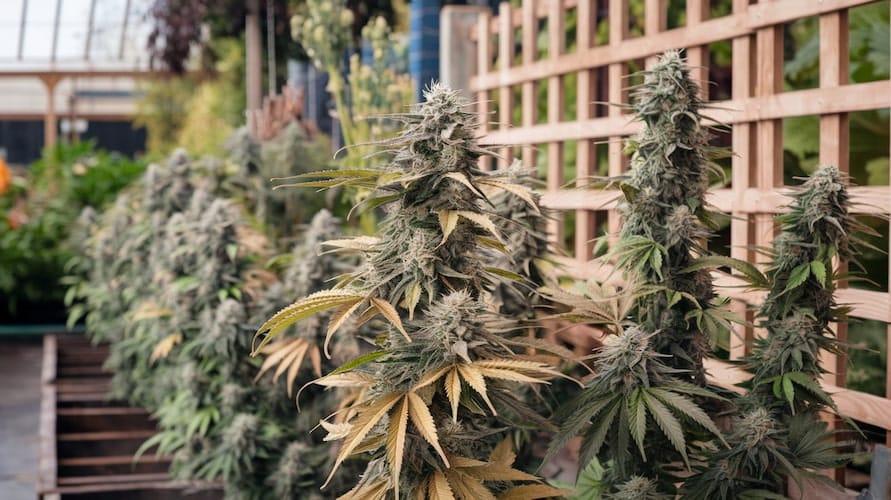
Fast flowering seeds are one of the most underrated categories in cannabis cultivation—and one of the most practical. If you’ve been growing photoperiod strains that take 10, 12, or 16 weeks to finish flowering, switching to a fast flowering variety can change the economics and logistics of your entire operation. Whether you’re running a two-plant tent or a full commercial room, faster harvests mean more flexibility, less risk, and often better results than you’d expect.
Here are five reasons why fast flowering seeds deserve a spot in your garden—and why more growers are making the switch in 2026.
1. Faster Harvests Without Sacrificing Quality
This is the obvious one, but it’s worth spelling out. Fast flowering seeds can cut weeks off your flowering cycle—finishing in six to eight weeks instead of the 10 to 16 that many photoperiod strains require. That’s not a marginal difference. That’s potentially an entire extra harvest per year.
The old knock on fast flowering strains was that speed came at the cost of potency, flavor, or yield. That hasn’t been true for years. Modern fast flowering genetics from breeders like Exotic Genetix, Humboldt Seed Company, and others have closed that gap completely. You’re getting the same terpene complexity, the same cannabinoid profiles, and the same bag appeal—just faster.
If you want the full breakdown on what fast flowering genetics are and how they differ from autoflowers, read our complete guide to fast flower cannabis seeds.
2. Lower Risk for Outdoor Growers
This is where fast flowering seeds really earn their keep. If you grow outdoors, you know the anxiety of watching your plants in late October while the weather turns cold, the rain won’t stop, and mold starts creeping in. Every extra week your plants spend in the ground is another week of exposure to the things that destroy harvests—frost, botrytis, pest infestations, and unpredictable storms.
Fast flowering seeds let you finish before the worst of it hits. In northern climates, short-season regions, and anywhere with unpredictable fall weather, this isn’t a luxury—it’s survival. A grower in the Pacific Northwest or New England who can harvest in early September instead of mid-October is playing a completely different game than someone still waiting for their plants to ripen when the first frost rolls through.
And it’s not just about avoiding disaster. Finishing earlier also means you can potentially run two outdoor cycles in a single season if your climate allows it. That’s twice the harvest from the same garden space.
3. More Harvests per Year Means Better ROI
Time is the most expensive resource in cannabis cultivation. Every day your plants are in the flowering phase costs money—electricity, water, nutrients, labor, and opportunity cost. Fast flowering seeds compress that timeline, which means lower per-harvest costs and more total harvests per year.
For indoor growers, the math is straightforward. If a standard photoperiod strain takes 10 weeks to flower and a fast flowering variety finishes in seven, you’ve saved three weeks of overhead per cycle. Over the course of a year, that adds up to roughly one additional full harvest—without expanding your space, buying more lights, or hiring more help.
For commercial operations, this is where fast flowering seeds become a serious business decision. One extra harvest per year at scale isn’t a nice-to-have; it’s a material impact on your annual revenue. It also gives you more flexibility to respond to market demand. When a particular strain is hot and selling at premium prices, being able to turn a crop faster means you can capitalize before the window closes.
4. Easier for New Growers To Learn
Here’s something that doesn’t get talked about enough: the learning curve in cannabis cultivation is largely a function of time. The longer each grow cycle takes, the longer it takes you to learn from your mistakes, adjust your approach, and develop real skill.
Fast flowering seeds compress that feedback loop. Instead of waiting four months to find out that your nutrient schedule was off or your environmental controls need work, you get that feedback in eight to ten weeks. Over the course of a year, a grower running fast flowering strains can complete five or six cycles while someone growing long-flowering sativas might finish three. That’s nearly double the learning opportunities.
Fast flowering plants also tend to stay compact and manageable, which makes them easier to train, easier to monitor, and less intimidating for first-timers. If you’re brand new to growing, starting with a fast flowering strain from a proven breeder is one of the smartest moves you can make. Pair that with our growing guides and strain reviews and you’ll have a solid foundation.
And let’s be honest—seeing results sooner keeps you motivated. Waiting months for your first harvest while troubleshooting problems along the way tests even experienced growers’ patience. A faster cycle keeps the momentum going.
5. Versatility Across Every Growing Setup
Fast flowering seeds aren’t limited to a specific growing style. They perform well indoors, outdoors, in greenhouses, in soil, in coco, and in hydro. That versatility makes them one of the most flexible categories in cannabis genetics.
Indoor grows: Fast flowering strains reduce your time under lights, which lowers electricity costs and wear on equipment. They’re ideal for perpetual harvest setups where you want to stagger plants and always have something close to chop. The shorter stature of most fast flowering varieties also makes them forgiving in smaller spaces—tents, closets, and micro-grows all benefit.
Outdoor grows: As mentioned above, the ability to finish before harsh weather is a massive advantage. But even in temperate climates with long growing seasons, the option to run multiple cycles per year gives outdoor growers a production edge that traditional photoperiod strains simply can’t match.
Greenhouses: For light-dep greenhouse operations, fast flowering seeds fit perfectly into accelerated schedules. You get the control of indoor growing with the cost savings of natural light, and the shorter flowering time maximizes throughput per square foot.
How Fast Flowering Seeds Differ From Autoflowers
This is a common point of confusion, so let’s clear it up. Fast flowering seeds are not autoflowers. They are photoperiod-dependent, meaning they still require a change in light cycle (typically 12/12) to trigger flowering. The difference is that once flowering is triggered, they finish significantly faster than standard photoperiod strains.
Autoflowers, by contrast, flower automatically based on age regardless of light cycle. Both have their place, but if you want the control of a photoperiod grow with a compressed flowering timeline, fast flowering seeds are the way to go. If you’re curious about autoflowers, check our autoflowering cannabis seeds guide.
Best Fast Flowering Seeds To Try in 2026
Seeds Here Now carries fast flowering genetics from top breeders who’ve put in the work to make speed and quality coexist. Some categories worth exploring:
Feminized fast flowering seeds for growers focused purely on flower production. No males to worry about, no wasted time or space.
Strains from breeders like Humboldt Seed Company and Ethos Genetics who have released fast flowering versions of their most popular lines—same genetics, compressed timelines.
Browse the full Seeds Here Now catalog for the latest drops. New fast flowering varieties land regularly as more breeders invest in this category.
Frequently Asked Questions About Fast Flowering Seeds
Are Fast Flowering Seeds as Potent as Regular Seeds?
Yes. Modern fast flowering genetics have been bred to retain full THC and CBD content. The speed advantage comes from selective breeding, not from cutting corners on cannabinoid or terpene production.
How Do I Maximize Yield From Fast Flowering Seeds?
Optimize your light schedule, dial in your nutrient program, and use low-stress training (LST) to increase light penetration and airflow. Because the flowering window is shorter, getting your environment dialed in early matters more than it does with longer-flowering strains.
Can I Clone Fast Flowering Plants?
Yes, but timing is critical. Take cuttings during the vegetative phase while the plant still has enough time to root and establish before you flip to flower. Fast flowering clones will perform identically to the mother plant.
Are Fast Flowering Seeds Good for Beginners?
They’re excellent for beginners. The shorter cycle means faster feedback on your growing technique, and the typically compact plant size makes them easier to manage. Pair with a solid growing guide and you’ll be set.
Where Can I Buy Fast Flowering Seeds?
Seeds Here Now carries fast flowering genetics from top breeders, ships fast within the USA, and includes free seeds with every order. We’ve been in business since 2010 and work directly with the breeders—no middlemen, no mystery genetics.
Suggested Articles

 27 Mar 2026
  20 min read
;)
;)
;)
 February 22, 2023


RESPONSES (0)
No responses yet. Be the first to respond!