


How To Deal With Spider Mites on Cannabis Plants: The Complete Guide

Spider mites are one of the most common and destructive pests cannabis growers face. These nearly invisible arachnids can multiply rapidly, damage plants from the inside out, and devastate yields if left unchecked. Whether you’re a home grower or managing a commercial cultivation facility, learning how to identify, prevent, and eliminate spider mites on cannabis plants is essential to ensuring a healthy harvest.
This comprehensive guide covers everything you need to know—from early detection and prevention strategies to effective organic and chemical treatments. With the right approach, you can stop cannabis spider mites before they become a costly problem.
What Spider Mites Are and Why They Target Cannabis
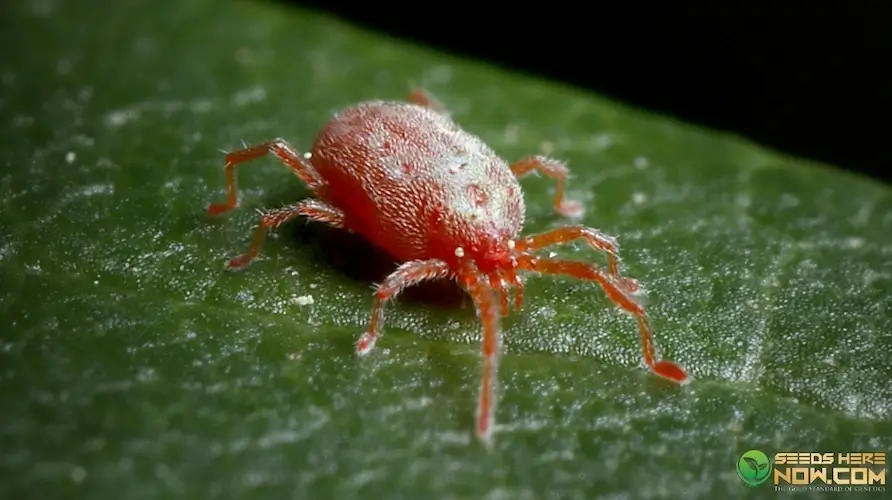
Spider mites are tiny, sap-sucking arachnids closely related to spiders and ticks. The most common species found on cannabis plants is the two-spotted spider mite (Tetranychus urticae), a pest notorious for its adaptability, rapid reproduction, and resistance to treatment.
These pests thrive in warm, dry environments—the same conditions many cannabis growers aim to maintain. They pierce plant cells and feed on the nutrient-rich fluids inside, depriving plants of essential resources and reducing their ability to photosynthesize. If left untreated, spider mites can cause severe leaf damage, weaken plant health, and significantly lower yield quality and potency.
Understanding why spider mites are drawn to cannabis can help prevent infestations. Cannabis plants are nutrient-dense, covered in trichomes, and often grown in controlled indoor environments—all factors that create an ideal habitat for mites to flourish.
How To Identify Spider Mites on Cannabis Plants
Early detection is critical. Spider mites are less than 1 millimeter in size, so they’re difficult to see without magnification. However, they leave behind clear signs of their presence. Regular plant inspections—especially the undersides of leaves—can mean the difference between a minor issue and a full-blown infestation.
Key Signs of Cannabis Spider Mite Infestation
-
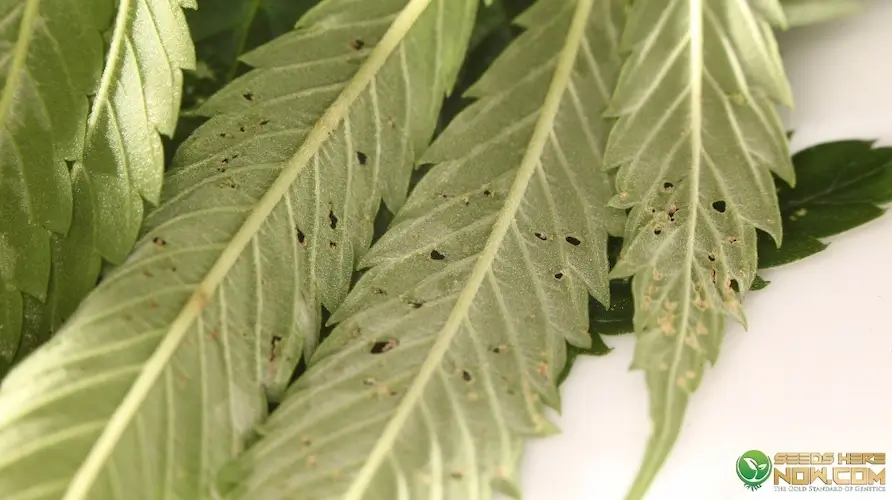
Stippling or speckling on leaves: The first visible sign is often tiny yellow, white, or bronze dots caused by mites feeding on leaf cells.
-
Fine webbing: As infestations grow, spider mites spin silk-like webs between leaves and stems, and even around buds.
-
Leaf discoloration and curling: Leaves may lose their vibrant green color, curl inward, or dry out and die.
-
Visible mites: With a magnifying glass, you might spot red, yellow, or greenish mites crawling on the undersides of leaves.
A simple test for early detection is the paper method: hold a sheet of paper under a leaf and gently tap it. If tiny moving specks fall onto the paper, you likely have spider mites.
The Life Cycle of Spider Mites and Why It Matters
Understanding the spider mite life cycle is essential for effective control. Their rapid reproduction is a key reason infestations can escalate so quickly.
-
Egg Stage: Females lay eggs on the undersides of leaves, which hatch in about three days under warm conditions.
-
Larval Stage: Six-legged larvae emerge and begin feeding immediately.
-
Nymphal Stage: Larvae molt into nymphs, gaining two more legs and becoming more destructive.
-
Adult Stage: Adults reach maturity in as little as five days and can lay over 100 eggs during their lifetime.
This entire cycle can occur in just 7 to 10 days, meaning populations can explode within weeks. Because eggs are resistant to many treatments, repeated applications are necessary to break the cycle.
Why Spider Mites Are So Dangerous for Cannabis
Spider mites don’t just damage leaves—they compromise the plant’s entire physiological function. By piercing and draining individual plant cells, they reduce the plant’s ability to photosynthesize, slowing growth and stunting development. Leaves lose their vitality, nutrient uptake decreases, and stress hormones spike.
Even if plants survive an infestation, they often produce smaller yields with lower cannabinoid and terpene content. The damage can also invite secondary issues like mold, mildew, and bud rot, especially when webs trap moisture around flowers. This makes early intervention and thorough eradication crucial for preserving both quality and potency.
How To Prevent Spider Mites on Cannabis Plants
Preventing spider mites is far easier than dealing with them once they take hold. Incorporate these best practices into your grow routine to dramatically reduce the risk of infestation.
Maintain Proper Environmental Conditions
Spider mites thrive in hot, dry environments. Keeping your grow space slightly less hospitable can slow their reproduction and discourage infestations.
-
Humidity: Maintain relative humidity between 40% and 60%. Spider mites struggle to reproduce in more humid conditions.
-
Temperature: When possible, keep temperatures below 80°F (27°C). Hotter environments speed up their life cycle.
-
Airflow: Use oscillating fans and proper ventilation to create air movement that makes it harder for mites to settle.
Quarantine and Inspect All New Plants
New plants, clones, or even tools can introduce spider mites into your grow. Always quarantine new additions for at least two weeks and inspect them thoroughly under magnification before integrating them into your main space.
Clean and Sanitize Your Grow Space Regularly
A clean environment is a hostile one for pests. Between grows, deep-clean your grow room, disinfect surfaces, and sterilize tools. While plants are growing, remove dead leaves and debris promptly, as these can harbor eggs and mites.
Practice Good Grower Hygiene
Spider mites can hitchhike on clothing, shoes, and even pets. Change clothes before entering your grow area, especially after handling outdoor plants, and consider using a dedicated pair of shoes for the grow room.
Use Companion Planting for Natural Deterrence
Some plants naturally repel spider mites. Marigolds, dill, and cilantro are known to deter them and can be planted around outdoor grows as a preventative measure.
Apply Preventive Sprays During Vegetative Growth
Organic sprays such as neem oil, horticultural oils, or insecticidal soaps can act as deterrents. Apply them early in the vegetative stage, as some sprays are not suitable once plants enter flowering.

How To Eliminate Spider Mites on Cannabis Plants
If spider mites have already infested your plants, swift and strategic action is vital. A combination of methods usually yields the best results, as relying on a single approach can allow mites to adapt and survive.
Isolate Infected Plants Immediately
Spider mites spread quickly. If possible, move infested plants away from healthy ones. Avoid handling healthy plants after touching infected ones, and disinfect your hands and tools between uses.
Physically Remove Spider Mites
For light infestations, you can reduce mite populations by rinsing plants with a strong but gentle stream of water. Pay close attention to the undersides of leaves. You can also prune heavily infested foliage and dispose of it in sealed bags to prevent mites from escaping.
Use Organic Sprays and Treatments
Organic solutions are effective, environmentally friendly, and safe for most growth stages. However, repeated applications are necessary to break the mites’ life cycle and eliminate all life stages.
-
Neem oil: A natural insect growth regulator that disrupts feeding and reproduction. Best applied during the vegetative stage.
-
Insecticidal soap: Penetrates and dissolves the outer layer of spider mites, causing dehydration and death.
-
Horticultural oils: Smother mites and their eggs on contact. Use with caution during flowering to avoid residue on buds.
-
Spinosad: A naturally occurring soil bacterium that targets mites and other soft-bodied pests.
Alternate between products every few days to reduce the risk of resistance. Always test a small area of your plant first to ensure there’s no adverse reaction.
Introduce Beneficial Predators
Biological control is one of the most effective and sustainable ways to combat spider mites. Predatory mites and insects feed on spider mites and can bring populations under control without the need for chemicals.
-
Phytoseiulus persimilis: Highly effective predator specialized in feeding on spider mites. Works best in moderate humidity.
-
Neoseiulus californicus: More tolerant of varying environmental conditions and can survive even when spider mite populations are low.
-
Amblyseius andersoni: Works well as a preventive measure and can establish populations before infestations occur.
Releasing these predators early in an infestation—or even preventively—can significantly reduce mite populations and maintain long-term control.
Use Chemical Miticides as a Last Resort
Chemical miticides are powerful but should be considered a last resort due to the risk of residue and resistance. They can also harm beneficial insects. If you decide to use a chemical product:
-
Only apply during the vegetative stage, never during flowering.
-
Follow all label directions carefully.
-
Rotate active ingredients to prevent mites from developing resistance.
Remember that chemical treatments may not affect eggs, so multiple applications spaced several days apart are often required.
How To Help Cannabis Plants Recover After a Spider Mite Infestation
Even after spider mites are eradicated, plants may remain stressed and vulnerable. Supporting their recovery helps restore vigor and ensures the best possible harvest.
-
Flush the soil: Remove any residual treatments and rebalance the root zone.
-
Provide balanced nutrition: Feed plants with a gentle, well-rounded nutrient solution to promote new growth.
-
Prune damaged tissue: Removing dead or severely damaged leaves allows plants to redirect energy to healthy growth.
-
Monitor closely: In the weeks following treatment, monitor plants closely for signs of re-infestation or stress-related issues.
Healthy, well-cared-for plants recover more quickly and are less susceptible to future pest problems.
Long-Term Strategies To Prevent Future Spider Mite Infestations
The best way to deal with spider mites is to ensure they never become a problem again. Incorporating preventive strategies into your grow routine is key to maintaining a pest-free environment.
-
Rotate crops: Taking breaks between grows and thoroughly cleaning your space disrupts the spider mite life cycle.
-
Use sticky traps: Place them near doors, windows, and vents to capture flying pests that may carry spider mites.
-
Inspect regularly: Frequent checks—especially the undersides of leaves—help you catch infestations before they escalate.
-
Maintain environmental balance: Avoid overly hot, dry conditions, and ensure good airflow to make your grow less inviting to mites.
-
Introduce beneficial predators preventively: Keeping a population of predatory mites in your grow can provide ongoing protection.
Combining these practices creates multiple layers of defense, significantly reducing the likelihood of another infestation.
Frequently Asked Questions About Cannabis Spider Mites
How can I tell the difference between spider mites and other pests?
Spider mites are extremely small and often red, yellow, or green. They’re typically found on the undersides of leaves and produce fine webbing, which distinguishes them from other common cannabis pests like aphids or thrips.
Can spider mites survive after harvest?
Yes. Spider mites and their eggs can survive on plant debris and equipment. This is why thorough cleaning and sanitizing between grows are essential to prevent future infestations.
Are spider mites harmful to humans?
Spider mites do not bite humans or pets, nor do they pose a direct health risk. However, their presence can affect plant quality and yield, indirectly impacting the safety and potency of your cannabis.
How long does it take to get rid of spider mites on cannabis?
With consistent treatment, most infestations can be controlled in 2 to 4 weeks. Because eggs are resistant to many treatments, repeated applications are necessary to break the life cycle completely.
Can I use treatments during flowering?
Most sprays—including neem oil and insecticidal soaps—should be avoided during flowering, as they can leave residues on buds. Instead, focus on biological controls, physical removal, and environmental adjustments during this stage.
Do spider mites develop resistance to treatments?
Yes, spider mites are known for developing resistance quickly. The best strategy to avoid resistance is to rotate treatments and combine methods, such as organic sprays, biological predators, and environmental control.
Final Thoughts on Cannabis Spider Mites
Spider mites are one of the most frustrating pests cannabis growers encounter, but with vigilance and the right approach, they’re far from unbeatable. Early detection, preventive strategies, and integrated pest management techniques are your best defenses against infestations. Should mites invade your grow, acting quickly with a combination of physical removal, organic treatments, and beneficial predators can help you regain control and save your harvest.
Ultimately, healthy plants are resilient plants. By maintaining proper environmental conditions, practicing good hygiene, and keeping a close eye on your crop, you can dramatically reduce the risk of spider mites and enjoy thriving, pest-free cannabis plants.
Now that you know how to deal with cannabis spider mites, shop the complete collection of regular, feminized, and autoflower seeds at Seeds Here Now.
Suggested Articles

 04 Feb 2026
  7 min read

;)
;)
;)
 September 25, 2025


RESPONSES (0)
No responses yet. Be the first to respond!