


How To Graft Cannabis Plants: A Complete Guide
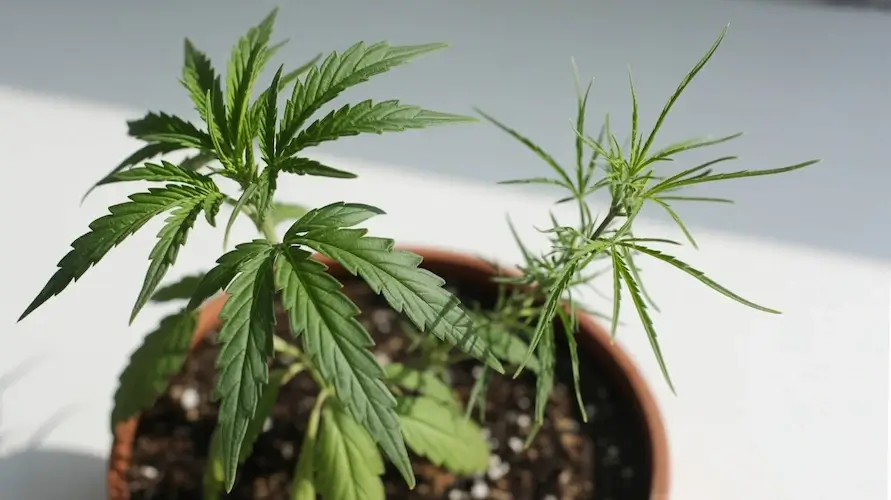
Learning how to graft cannabis plants allows growers to move beyond basic cultivation into advanced plant management techniques. While grafting cannabis plants is not commonly practiced by beginners, it has long been used in horticulture to preserve elite genetics, strengthen plant performance, and maximize limited grow space. When done correctly, cannabis grafting makes it possible to grow multiple strains on a single plant while maintaining healthy growth and normal yields.
Cannabis plants are well-suited to grafting because they can heal and fuse vascular tissue when cuts are clean and environmental conditions are stable. Once the graft takes, the plant functions as a single organism, sharing water, nutrients, and hormones across all grafted branches.
This guide explains how to graft cannabis plants step by step, why grafting works, when to do it, which techniques are most reliable, and how to care for grafted cannabis plants during recovery.
What Is Cannabis Plant Grafting?
Cannabis plant grafting is the process of physically joining two cannabis plants, so they grow together as one. The lower portion of the plant, called the rootstock, provides the root system and structural foundation. The upper portion, known as the scion, becomes the flowering branch and determines strain-specific traits.
The scion controls characteristics such as:
-
Terpene profile
-
Cannabinoid content and potency
-
Bud structure and density
-
Flowering behavior
The rootstock, on the other hand, influences nutrient uptake, overall vigor, and resistance to stress. When grafting cannabis plants is successful, the vascular tissues of both plants fuse, allowing unrestricted movement of water, nutrients, and plant hormones.
Why Graft Cannabis Plants?
Growers choose grafting cannabis plants for several practical and strategic reasons. While the process requires precision and patience, the long-term benefits often outweigh the learning curve.
One of the most common motivations is grafting cannabis plants for multiple strains. This technique allows growers to maintain several cultivars on a single root system, which is especially valuable in regulated environments or limited grow spaces.
Benefits of grafting cannabis plants include:
-
Growing multiple strains on one plant
-
Preserving rare or discontinued genetics
-
Reducing total plant counts where limits apply
-
Testing cultivars under identical conditions
In addition to genetic efficiency, grafting marijuana plants can improve overall performance. A vigorous rootstock can support slower or more sensitive strains by improving nutrient uptake and stress tolerance. This is particularly useful when working with elite genetics that do not thrive easily on their own roots.
When To Graft Cannabis Plants
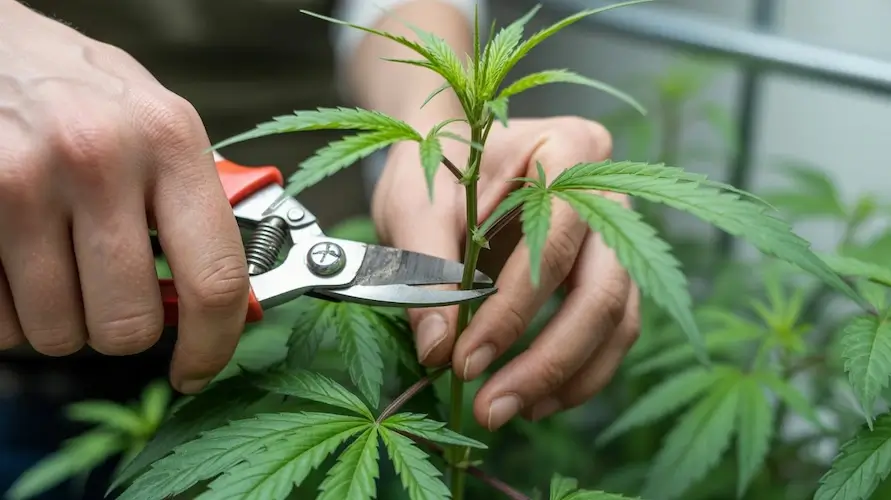
Timing is one of the most important factors when learning how to graft cannabis plants. Grafting should only be performed during the vegetative stage, when plants are actively growing and capable of rapid tissue repair.
The ideal window for grafting cannabis plants is typically:
-
Three to six weeks into vegetative growth
-
When stems are firm but still flexible
-
When both rootstock and scion are healthy and unstressed
Avoid grafting cannabis plants during flowering or when plants are suffering from nutrient deficiencies, pest pressure, or environmental stress. Plants under stress divert energy away from healing, which greatly reduces graft success.
Best Cannabis Plant Grafting Techniques
Several grafting cannabis plants techniques can work, but two methods consistently produce the most reliable results: cleft grafting and splice grafting. Both techniques aim to align the cambium layers of the rootstock and scion as closely as possible, which is essential for vascular fusion.
Cleft grafting is often the best choice for beginners. In this method, the rootstock is cut and split vertically, creating a cleft. The scion is shaped into a wedge and inserted into the split. This approach offers strong physical stability and allows some margin for error when aligning tissues.
Splice grafting works best when both stems are similar in thickness. The rootstock and scion are cut at matching angles and pressed together directly. When done precisely, splice grafts can heal quickly, but even slight misalignment can cause failure.
Both methods rely on:
-
Clean, precise cuts
-
Tight contact between cambium layers
-
Complete immobilization of the graft site
Tools and Supplies Needed for Grafting Cannabis Plants
Proper preparation is critical when grafting cannabis plants. Having everything ready before making cuts reduces mistakes and improves success rates.
Essential tools and supplies include:
-
Sterile razor blade or scalpel
-
Grafting tape, plant clips, or parafilm
-
Isopropyl alcohol for sterilization
-
Humidity dome or clear plastic cover
-
Healthy rootstock and scion plants
Clean tools are non-negotiable. Contaminated cuts are one of the most common causes of graft failure.
Step-by-Step: How To Graft Cannabis Plants
The grafting process itself should be calm and deliberate. Rushing increases mistakes, while hesitation can allow cut tissue to dry out.
Start by selecting a vigorous rootstock and a compatible scion with similar stem thickness. Using sterilized tools, make a clean cut on the rootstock at the chosen graft site. Immediately prepare the scion with a matching cut.
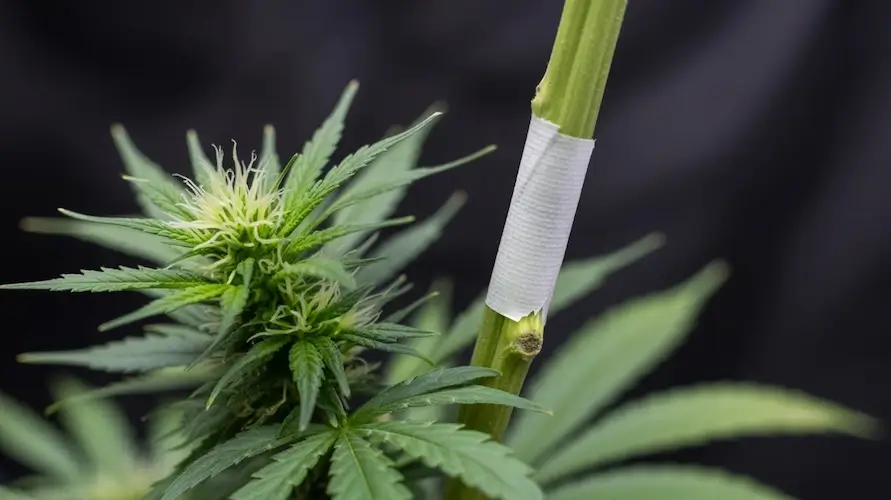
Next, join the plants by aligning the cambium layers as closely as possible. Secure the graft firmly with tape or clips, ensuring there is no movement at the joint. Even slight shifting can prevent vascular fusion.
Once secured, place the plant into a controlled healing environment with elevated humidity, moderate temperatures, and gentle light. Avoid direct airflow on the graft site during this phase.
Aftercare and Recovery
The first 7 to 10 days after grafting cannabis plants are critical. During this period, the plant should be disturbed as little as possible.
Best aftercare practices include:
-
Maintaining humidity between 70 and 85%
-
Keeping temperatures around 72–78°F
-
Using low to moderate light intensity
-
Avoiding training, pruning, or heavy feeding
Some initial drooping of the scion is normal. However, severe wilting or discoloration may indicate poor alignment or moisture loss. Once new growth appears above the graft site, the fusion is complete, and normal vegetative care can resume.
Common Mistakes When Grafting Cannabis Plants
Most graft failures come from a handful of avoidable errors. Being aware of these issues significantly improves success rates.
Common mistakes include:
-
Misaligned cambium layers
-
Allowing graft sites to dry out
-
Using unsterilized tools
-
Grafting flowering or stressed plants
-
Rushing recovery and aftercare
Clean technique, patience, and environmental stability matter more than speed or complexity.
Can You Graft Multiple Strains Onto One Cannabis Plant?
Yes. One of the biggest advantages of learning how to graft cannabis plants is the ability to maintain multiple strains on a single root system. Each grafted branch flowers independently while sharing the same roots.
Best practices for grafting multiple strains include:
-
Adding one scion at a time
-
Allowing each graft to heal before adding another
-
Clearly labeling each strain
-
Training branches evenly to prevent dominance
With proper management, grafting cannabis plants for multiple strains can be stable, productive, and visually impressive.
FAQs: How To Graft Cannabis Plants
Is grafting cannabis plants difficult?
Grafting cannabis plants requires precision, patience, and attention to detail, but it is very achievable with practice. Growers who are comfortable with cloning or plant training usually adapt quickly to grafting techniques.
Can any cannabis strains be grafted together?
Most cannabis strains can be grafted together successfully, especially when they are healthy and actively growing. Closely related genetics or strains with similar growth rates tend to graft more reliably, but many unrelated hybrids are compatible.
How long does it take for grafted cannabis plants to heal?
Most cannabis grafts heal within 7 to 14 days. New growth above the graft site is the clearest sign that the vascular tissues have successfully fused.
Will grafted cannabis plants yield less than normal plants?
When cannabis grafting is done correctly, yields are generally comparable to those of non-grafted plants. Using a strong, vigorous rootstock can even improve overall performance in some cases.
Can you graft multiple strains onto one cannabis plant?
Yes. Learning how to graft cannabis plants allows growers to maintain multiple strains on a single root system. Each grafted branch flowers independently while sharing the same roots.
How many strains can be grafted onto one cannabis plant?
The number of strains depends on plant size, rootstock vigor, and training. Many growers successfully maintain three to six strains on one plant, though more is possible with careful management.
When should you not graft cannabis plants?
Avoid grafting cannabis plants during flowering or when plants are stressed, nutrient-deficient, pest-infested, or unhealthy. Grafting should only be done during the vegetative stage.
Do grafted cannabis plants need special care?
Yes. Grafted cannabis plants require higher humidity, stable temperatures, gentle light, and minimal stress during the first 7 to 10 days after grafting to ensure proper healing.
Is grafting cannabis legal?
Grafting cannabis plants is generally legal where cannabis cultivation is allowed, but plant-count and cultivation laws vary by location. Always follow local regulations regarding plant limits and grow practices.
Final Thoughts
Mastering how to graft cannabis plants opens the door to advanced cultivation strategies that go far beyond traditional growing methods. While grafting cannabis plants demands attention to detail and controlled conditions, the benefits—genetic preservation, space efficiency, and multi-strain plants—can be substantial.
With healthy plants, sterile tools, and careful aftercare, grafting cannabis plants can become a reliable and rewarding technique for experienced growers looking to push their skills further.
Looking for more expert grow tips? Check out the Seeds Here Now blog. While you’re here, don’t forget to shop our wide selection of premium cannabis seeds and clones.
Seeds Here Now — Est. 2009
4,500+ Strains. 110 Breeders. Ships Discreet.
We grow them, test them, and stand behind every pack we sell. Shop the full collection at Seeds Here Now:
Suggested Articles
 10 Apr 2026
  12 min read

;)
;)
;)
 February 03, 2026


RESPONSES (0)
No responses yet. Be the first to respond!