


There are a lot of words that get thrown around loosely in cannabis. Indica is one of them. Walk into any dispensary, and someone will tell you indica means body high, indica means couch-lock, and indica means sleep. That’s half right and half mythology. The actual story is more interesting—and more useful if you’re trying to pick the right seed for your grow or your evening.
This guide covers what indica actually means, how the genetics work, what the effects profile looks like and why, what you’re getting into as a grower, and an honest breakdown of every indica and indica-dominant strain we’ve reviewed here at Seeds Here Now. If you want to skip straight to the strain list, jump ahead. If you want to actually understand what you’re buying, read the whole thing.
What Makes a Strain Indica?
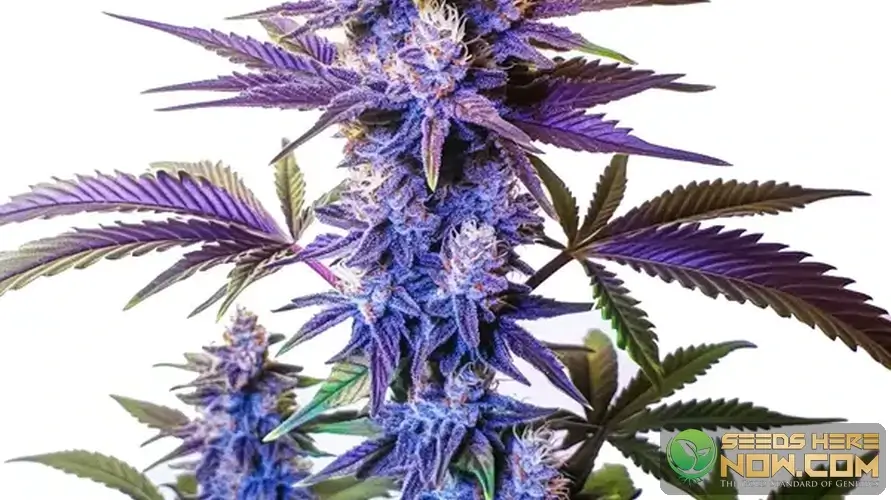
The word indica comes from Cannabis indica, the species designation for plants originating in South and Central Asia—Afghanistan, Pakistan, India, Nepal, and the Hindu Kush mountain range. These plants evolved in harsh, high-altitude environments with short growing seasons. To survive, they developed rapid flowering cycles, a dense, compact structure, thick resin coats, and robust resistance to cold and drought. That’s the genetic heritage behind every strain you’ll see labeled indica today.
In modern cannabis, “indica” rarely means a pure landrace from the Kush mountains. Almost every strain on the commercial market is a hybrid to some degree. When breeders use the term indica-dominant, they mean the strain leans more toward those ancestral traits in structure, flowering speed, and effect profile. A strain can be 70% indica genetics and still express sativa-like effects depending on its specific terpene and cannabinoid expression. The labels are directional, not absolute.
Physically, classic indica plants are shorter and bushier than sativas, with wide fan leaves, dense internodal spacing, and thick, compact colas. They tend to finish in seven to nine weeks of flowering—significantly faster than sativas, which often run 10 to 14 weeks or more. For growers working in limited space or short outdoor seasons, that compression matters a lot.
The pure landrace indicas—Afghani, Hindu Kush, Mazar-i-Sharif—are the bedrock of most modern indica breeding. Strains like Blueberry, Northern Lights, and Hash Plant brought those genetics into the modern era. Everything that came after, from OG Kush to Gorilla Glue to the modern Cookies lineage, has some of that DNA somewhere in the background.
Indica Effects: What To Expect
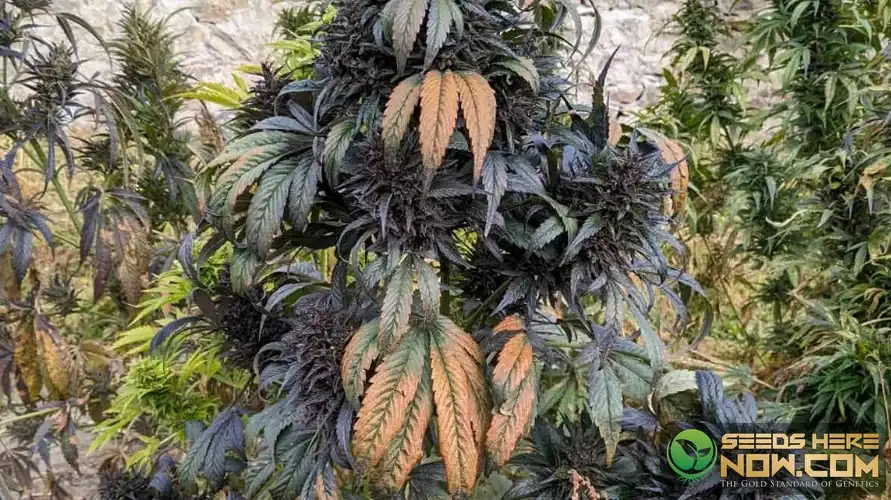
The classic indica effect profile is relaxing, sedating, body-heavy, and slow. In the old shorthand: indicas are for night, sativas are for day. That shorthand isn’t wrong exactly, but it leaves out a lot of nuance.
A well-grown indica typically delivers:
- Body relaxation — physical tension releases. Muscles loosen. This is what people mean when they say “body high.”
- Sedation — at higher doses or with the right terpene stack, strong indicas push you toward sleep. This is the “couch-lock” effect. It’s not a flaw. For chronic pain, insomnia, or anxiety, it’s the whole point.
- Appetite stimulation — the munchies are real, and indicas tend to hit harder on this than sativas. Myrcene plays a role here alongside THC’s interaction with CB1 receptors.
- Mental calm — the anxious edge some sativas produce is largely absent in a good indica. The head is quieter. Racing thoughts slow down.
- Pain relief — the combination of body relaxation, sedation, and cannabinoid activity makes indica-dominant strains a common choice for pain management.
The intensity of all this depends on dose, individual tolerance, cannabinoid ratios, and terpene expression. Two strains, both labeled indica, can feel meaningfully different. A low-myrcene indica with high limonene will feel more uplifted than a heavy myrcene-caryophyllene expression at the same THC level. The label gives you a starting point. The terpene profile tells the rest of the story.
Who reaches for indicas? Evening users, medical patients managing pain or sleep disorders, experienced smokers who know they handle sedation well, and growers who need fast-finishing plants in tight spaces. Beginners should approach high-THC indicas with some respect. “Couch-locked for four hours” is a real outcome when you underestimate something like a Sensi Star or a God’s Breath.
The Terpene Fingerprint of Indica Cannabis
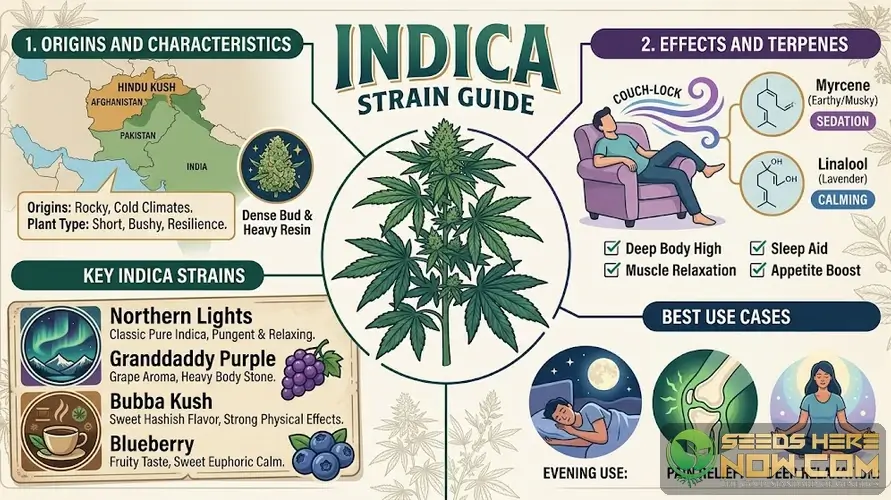
Effects follow terpenes as much as they follow genetics. This is the mechanism behind why two strains with the same THC percentage can feel completely different. Understanding the indica terpene fingerprint helps you shop smarter and communicate better about what you’re actually after.
The dominant terpenes in classic indica strains:
Myrcene — the most common terpene in cannabis overall, and the one most associated with indica’s sedating effect. Myrcene is earthy, herbal, and slightly musky. High myrcene content is strongly correlated with the heavy, sedating body effect. It’s also found in hops, mangoes, and lemongrass. If a strain smells like damp earth and ripe fruit, you’re likely smelling myrcene doing most of the work.
Caryophyllene — spicy, peppery, woody. The only terpene that also acts as a cannabinoid—it binds directly to CB2 receptors and delivers anti-inflammatory and analgesic effects. Common in classic OG and Kush genetics. Strains heavy in caryophyllene tend to feel physically soothing rather than purely sedating.
Linalool — the lavender terpene. Floral, soft, calming. Associated with anxiety reduction and mild sedation. More prominent in strains with purple expression and heavy Afghani lineage. Lavender, unsurprisingly, has a ton of it. So does a well-expressed Blueberry pheno.
Bisabolol — subtle, chamomile-adjacent. Anti-inflammatory, calming. Not as prominent as the top three, but often found in quality indica genetics backing up the sedative stack.
Growing Indica Plants: What Growers Need To Know
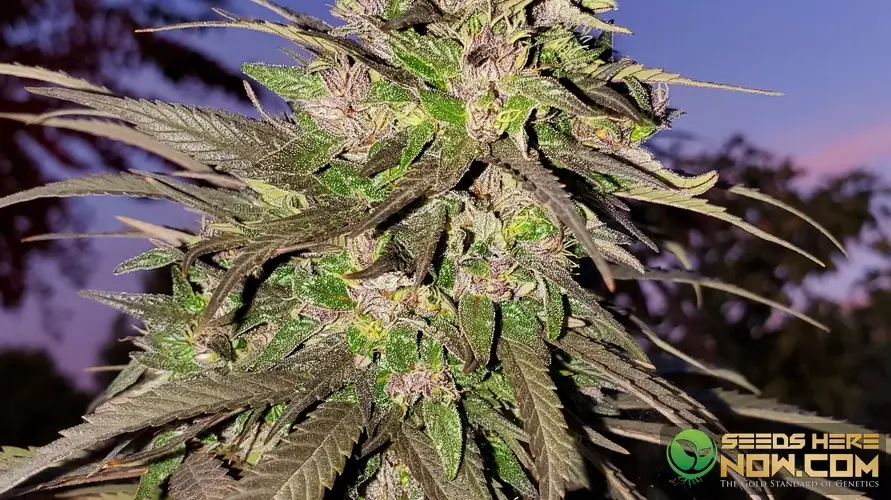
Indica genetics are generally more forgiving than sativas. The shorter stature means they work in low-ceiling spaces—tents, closets, short outdoor grows. The faster flower time means you can run more cycles per year indoors and hit harvest before the rains arrive outdoors in northern climates.
- Height: Typically 2–4 feet indoors with training. Can reach 5–6 feet outdoors, but stays manageable.
- Flowering time: 7–9 weeks. Some extreme indicas finish in 6 weeks. A few heavy Afghan-dominant genetics push 10.
- Bud density: Very dense, compact colas with tight calyx structure. Excellent resin production.
- Training: Responds well to LST, topping, and SCROG due to natural branching tendency.
- Humidity: Watch it. Dense buds hold moisture. Keep late-flower humidity below 50%.
- Cold tolerance: Better than most sativas. Purple expression often triggers with cold overnight temps in the final weeks.
- Yield: Heavy. Indicas pack dense. Outdoor giants can hit 1–3+ lbs with proper soil and a long season.
See our complete guide to growing cannabis indoors for setup specifics, and our optimal growing environment guide for temperature, humidity, and VPD targets.

The Best Indica Strains at Seeds Here Now
These are the indica and indica-dominant strains we’ve reviewed in depth. Click through for the full breakdown on genetics, effects, grow notes, and where to buy.
Blueberry
DJ Short’s original Blueberry is one of the most important indica genetics ever stabilized. The 2000 Cannabis Cup winner for Best Indica still delivers: ripe blueberry aroma, a deep body stone, and a relaxed euphoria that doesn’t feel heavy-handed. The genetic backbone of dozens of modern crosses. If you haven’t grown it, you should.
G13
The mythology around G13 is half the appeal—government lab, stolen cutting, underground legend. Set aside the folklore and you still have an exceptional indica: dense, resinous, heavy-hitting, with an earthy Afghani base and exceptional bag appeal. The legend has survived this long because the genetics are real.
Blackwater
Mendo Purps crossed with SFV OG Kush. Northern California indica authority with a grapey, OG-tinged flavor and a sedating stone that earns its name. Deep purple expression. Hard body effect. This one earns the “couch-lock” description.
Sensi Star
Multiple Cannabis Cup winner from Paradise Seeds. One of the most decorated indicas in the modern era. Exceptional resin output that made it a hash maker’s dream before it was a dispensary staple. Hard-hitting and long-lasting. Not a beginner strain.
Lavender
Soma Seeds. Four-way cross with Afghani Hawaiian, Super Skunk, and Big Korean Skunk. Floral, spicy, earthy—the lavender note is real and distinctive. Relaxing and calm rather than crushing, making it more approachable than some of the heavier entries on this list.
Legend OG
OG Kush lineage at its densest and most resinous. Classic OG effect stack—gassy, earthy, euphoric at first, then increasingly sedating. Grows compact, finishes fast, yields well.
God’s Breath
Berner’s God Bud crossed with OG Kush Breath. Sweet, gassy, and immediately sedating. A terpene profile that reads like a dessert OG: rich, warm, slightly floral. Set aside your plans for the next two hours.
Pistachio
Exotic Genetix. Wedding Crasher x Kush Mints 11. Creamy, nutty, with a minty finish. Indica-dominant with a balanced effect that doesn’t bury you. One of the more approachable exotic indicas with undeniable shelf appeal.
Slurty
Slurricane meets Gorilla Butter. Heavy, thick, creamy. Slurricane brings the purple, density, and sedation. Gorilla Butter brings the resin and gas. Reliably heavy indica experience with exceptional bag appeal.
Purple Gumbo
Deep purple expression with the characteristic bubble-gum sweetness Gumbo genetics bring. Indica-dominant, relaxing, and visually striking at harvest. Dense, colorful buds with a smooth body-focused effect.
Pink Gumbo
A Gumbo phenotype on the lighter end of the color spectrum. Similar effect to Purple Gumbo but slightly more uplifted. The candy-sweet Gumbo terps are present; this version runs a little brighter on the nose.
Mendo Purps
Northern California classic. Emerald Triangle indica heritage with deep grape notes, purple coloration, and a relaxed, smooth stone. Old-school California vibes. If you grew up on Nor Cal weed in the 2000s, this tastes like memory.
Mandarin Sunset
Ethos Genetics. Herijuana x Orange Skunk. Warm, citrus-forward with earthy undertones, colors that run orange and amber in late flower. The Herijuana lineage brings the indica body—relaxing and progressively sedating.
Detroit Muscle
Midwest-bred OG-heavy indica with the density and resin output the name implies. Reliable, potent, consistent. Grows like a tank and hits like one.
Shiskaberry
Barney’s Farm. Afghani x Blueberry heritage. Berry and candy terps over a thick Afghani base. One of Barney’s most consistent performers—efficient, fast-finishing, smooth stone with excellent flavor. One of the better beginner-friendly indicas.
Grapeness
Grape-forward indica genetics with a clean, fruity expression. Relaxing and body-centered without being excessively sedating. More nuanced than most “grape” strains—genuine complexity in the terp profile rather than just candy sweetness.
Kosher Kush x Tangerine
DNA Genetics. Kosher Kush has won the LA Cannabis Cup multiple times. Dense, potent, earth-and-pine with a reliably heavy indica stone. The Tangerine cross adds a citrus brightness. Effect stays indica-dominant: relaxing, body-centered, increasingly sedating.
Litty WAP
Indica-leaning exotic with bold flavor and bag appeal. Heavy terps, dense structure, relaxing effect. Part of the new wave of loud, visually striking indicas that have defined the last few years of the market.
BC Bud
British Columbia has been producing exceptional indica cannabis since before most of the US market existed. Cold-hardy, resin-heavy, earthy-sweet profile. A reliable, high-quality producer that respects where the genetics came from.
Voodoo Larry
An exotic indica with unique terpene expression. Heavy, resinous, with a flavor profile that stands apart from the mainstream. If you’re comfortable with less predictable genetics in exchange for something genuinely different, worth the exploration.
Purple Tesla
Deep purple phenotype with an indica-dominant effect profile. Tesla genetics bring a bright, complex terp stack while the purple expression and indica backbone deliver the body effect. A visually stunning plant that delivers on the aesthetic.
Indica vs. Sativa vs. Hybrid: Which Is Right for You?
Choose indica if you want physical relaxation, sleep support, pain management, or a reliable evening-use strain.
Choose sativa if you want mental stimulation, creative energy, or a daytime effect. See our Complete Guide to Sativa Strains.
Choose a hybrid if you want a blend of both—which is most of what’s actually available. See our Complete Guide to Hybrid Strains.

Frequently Asked Questions
What does indica actually mean?
Indica refers to Cannabis indica, originating in the Hindu Kush region of South and Central Asia. In practice today, it means a strain leaning toward compact structure, fast flowering, dense buds, and a relaxing, body-centered effect. Very few modern strains are pure indica—most are indica-dominant hybrids.
Are indica strains good for beginners?
Some yes. Plants are often easier to manage—shorter, faster, more stress-tolerant. On the consumption side, beginners should start with moderate THC and low doses. Shiskaberry or Blueberry is more forgiving than a 28% Sensi Star. Start slow either way.
Do indica strains always cause couch-lock?
Not always. Couch-lock comes from high-myrcene, high-THC combinations. Many indica-dominant strains deliver relaxation without full sedation. A linalool-heavy indica can be calming without being immobilizing. Read the terpene profile, not just the THC number.
How long do indica plants take to flower?
Typically 7–9 weeks from the start of 12/12 indoors. Some Afghan-dominant genetics finish in 6 weeks; a few complex hybrids push 10. Outdoors, most finish late September to early October in Northern Hemisphere climates.
What’s the best indica strain for sleep?
High-myrcene strains are the strongest sleep candidates—G13, God’s Breath, Blackwater, Sensi Star.
Can I grow indica strains outdoors?
Yes—indica genetics were literally bred for outdoor mountain environments. Most finish early enough to beat autumn rains. Purple expression improves with cold overnight temps in the final weeks. See our outdoor growing guide.
Are indica seeds more expensive than sativa seeds?
Type doesn’t drive price—breeder reputation, rarity, and demand do. An exotic indica from Exotic Genetix costs more than a standard feminized Blueberry. The genetics behind the strain, not the leaf shape, set the price.
Shop Indica Cannabis Seeds
Seeds Here Now carries one of the widest selections of indica-dominant genetics in the United States—classic landrace-derived strains, modern exotic crosses, feminized and regular options across dozens of breeders. Sourcing sealed breeder packs directly since 2010. Germination-guaranteed. Ships discreetly.
Questions about what to grow? Reach out—we’ve been answering grower questions since before most of the current market existed.