


How To Build a Cannabis Grow Room: A Step-by-Step Guide for Beginners
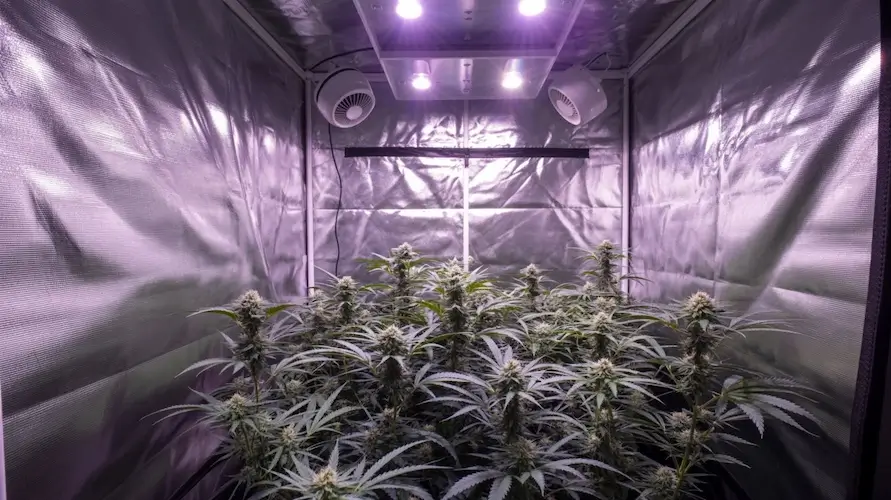
Building a cannabis grow room allows growers to take complete control over the growing environment, which directly impacts plant health, yield potential, and flower consistency. Unlike outdoor cultivation, an indoor grow room removes variables such as weather, seasonal changes, and pests, replacing them with a stable, repeatable setup that can be fine-tuned at every stage of growth.
A properly built grow room enables precise control over lighting, temperature, humidity, airflow, and cleanliness. These factors influence everything from vegetative growth speed to terpene production and final bud density. Whether you are converting a small closet or designing a dedicated indoor space, the same foundational principles apply.
This guide explains how to build a cannabis grow room from start to finish, covering space selection, layout planning, lighting, environmental control, safety, odor management, and maintenance. It is designed for beginners while still offering enough depth to be useful for experienced growers refining their setup.
Note on legality: Cannabis cultivation laws vary by location. Always confirm that growing cannabis is legal where you live and comply with all applicable regulations.
Step 1: Choose the Right Space for Your Cannabis Grow Room
The space you choose will determine how easily you can control environmental conditions and operate your grow safely. Ideal grow room locations are enclosed, private, and capable of supporting electrical equipment, ventilation, and climate control. Temperature stability is essential, as large fluctuations can stress plants and reduce yields.
Residential spaces such as spare bedrooms, basements, and closets are popular because they offer insulation and access to household utilities. Garages and outbuildings provide more room but often require additional insulation and environmental control to maintain consistent conditions.
Ideal locations include:
-
Spare bedroom or office
-
Basement
-
Garage
-
Walk-in closet
-
Purpose-built outbuilding
When evaluating a space, pay close attention to the following:
-
Electrical capacity: Grow lights, fans, and climate equipment draw significant power.
-
Ventilation potential: You need a clear path to exhaust hot, humid air.
-
Water access: Nearby water makes feeding and cleanup easier.
-
Insulation: Stable temperatures reduce heating and cooling costs.
A small home grow room can be as compact as 2-by-2 feet, while larger setups may occupy entire basements or commercial spaces.
Step 2: Plan Your Grow Room Layout
A thoughtful layout prevents many common grow room problems before they occur. Overcrowding, poor airflow, and limited access often stem from skipping this planning stage. Mapping out your grow room ensures even light distribution and makes routine maintenance easier.
Layout planning should consider both floor space and vertical clearance. Cannabis plants stretch during flowering, and lighting systems, ducting, and filters all require headroom. Failing to plan vertically can lead to heat issues or forced changes mid-grow.
Key layout considerations include:
-
Plant count and spacing
-
Light footprint coverage
-
Walkways and access points
-
Equipment placement, such as fans and dehumidifiers
Accounting for plant height, container size, and the distance from the light helps prevent overcrowding and airflow restrictions.
Grow Room Materials Checklist
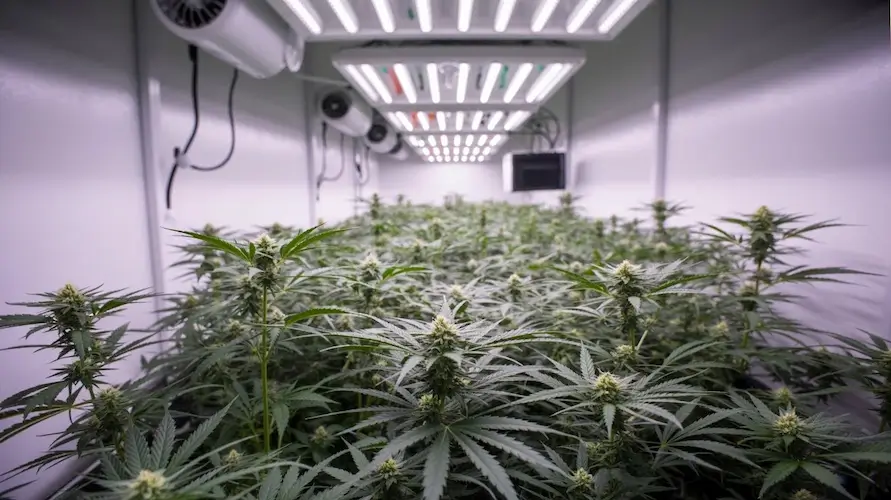
Building a cannabis grow room requires more than just lights and plants. The right materials support safety, efficiency, and long-term reliability. Having a checklist before setup reduces rushed purchases and prevents costly mistakes.
Essential grow room materials include:
-
Grow lights and timers
-
Inline exhaust fan and ducting
-
Carbon filter for odor control
-
Oscillating circulation fans
-
Thermometer and hygrometer
-
Humidifier and dehumidifier
-
Surge protectors and GFCI outlets
-
Reflective wall material or flat white paint
-
Waterproof flooring or drainage trays
Investing in high-quality components upfront often saves money by reducing equipment failures and inefficiencies.
Step 3: Grow Room Walls, Flooring, and Reflective Surfaces
The surfaces inside your grow room affect light efficiency, moisture control, and cleanliness. Reflective walls help redirect light back onto plants rather than absorbing it, increasing usable light without increasing wattage.
Flat white paint is one of the most effective and affordable options. It reflects light evenly, resists mold when applied correctly, and is easy to clean. Mylar offers higher reflectivity but must be installed carefully to avoid wrinkles that create hotspots. Panda film is durable, moisture-resistant, and widely used in grow rooms.
Wall options include:
-
Flat white paint
-
Mylar
-
Panda film
Flooring should be waterproof and easy to clean, as spills and runoff are inevitable. Suitable flooring options include:
-
Waterproof vinyl or epoxy coatings
-
Drainage trays under plants
-
Mold-resistant materials
Avoid carpet or unfinished concrete, which can trap moisture and harbor pests.
Step 4: Choose the Best Grow Lights for Your Cannabis Grow Room
Lighting is the most critical factor in indoor cannabis cultivation. Light quality, intensity, and placement directly influence plant structure, yield, and potency. Poor lighting decisions often result in weak growth or disappointing harvests.
LED grow lights are the most popular option due to their efficiency and low heat output. HPS lights remain effective for flowering but require strong ventilation because of heat. CMH or LEC lights offer a balanced spectrum that supports terpene production.
Common grow light types include:
-
LED grow lights
-
HPS (high-pressure sodium)
-
CMH or LEC
Light intensity must match your grow space. Too much light can cause stress and bleaching, while insufficient light reduces yields. Manufacturer coverage maps provide a starting point, but real-world adjustments are often necessary.
Light cycles should remain consistent:
-
Vegetative stage: 18 hours on, 6 hours off
-
Flowering stage: 12 hours on, 12 hours off
Timers are essential for maintaining consistency and preventing light leaks.
Step 5: Control Temperature and Humidity in a Grow Room
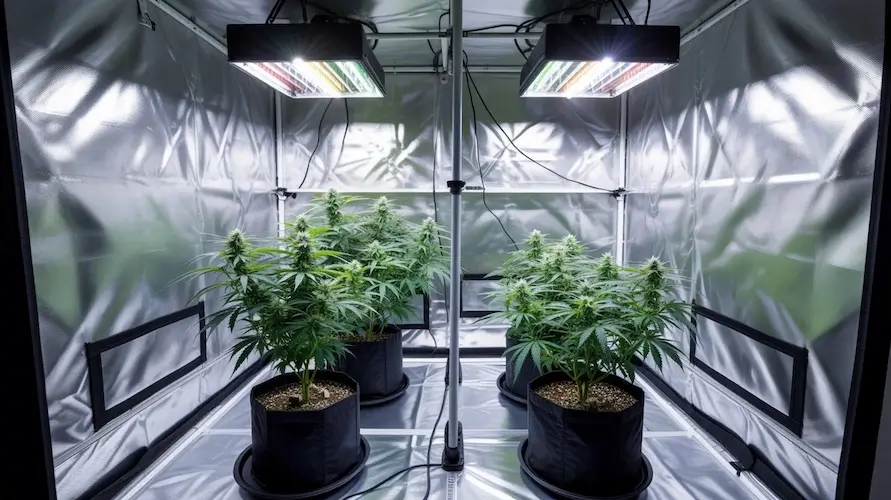
Temperature and humidity directly affect plant metabolism, nutrient uptake, and disease resistance. Cannabis thrives within specific environmental ranges that shift between vegetative growth and flowering.
Warm temperatures and higher humidity support rapid vegetative growth, while slightly cooler temperatures and lower humidity during flowering reduce mold risk and encourage dense buds. Sudden swings in either variable can stress plants and slow development.
Ideal ranges include:
-
Vegetative stage: 70–85°F and 55–70% humidity
-
Flowering stage: 65–80°F and 40–50% humidity
Essential equipment includes:
-
Thermometer and hygrometer
-
Air conditioner or heater
-
Humidifier and dehumidifier
Consistency matters more than perfection. Stable conditions lead to healthier plants and better terpene development.
Step 6: Ventilation and Airflow
Ventilation removes excess heat and humidity while supplying fresh air for plant respiration. Without proper airflow, grow rooms quickly develop stagnant air, leading to mold, pests, and uneven temperatures.
An inline exhaust fan pulls hot, humid air out of the room, while a carbon filter scrubs odors. Fresh air enters through passive or active intakes. Oscillating fans keep air moving around the canopy.
Core ventilation components include:
-
Inline exhaust fan
-
Carbon filter
-
Passive or active intake
-
Oscillating fans
Air should move gently across leaves without directly blasting plants.
Electrical Safety and Power Requirements
Electrical safety is critical in a grow room where water and high-powered equipment coexist. Improper wiring and overloaded circuits pose serious risks.
Using GFCI outlets helps protect against electrical shock. Calculating total wattage ensures circuits are not overloaded. Electrical connections should remain elevated and dry at all times.
Best practices include:
-
Using GFCI outlets
-
Calculating total wattage load
-
Avoiding extension cords
-
Keeping connections elevated
Never ignore breaker limits or warning signs such as warm outlets or flickering lights.
Step 7: Containers and Growing Medium
Containers and growing media influence root health, watering frequency, and nutrient availability. Choosing the right combination simplifies maintenance and improves results.
Fabric pots promote root aeration and help prevent overwatering. Plastic pots are durable and affordable. Raised beds are ideal for larger grow rooms or living soil systems.
Container options include:
-
Fabric pots
-
Plastic pots
-
Raised beds
Growing media options include:
-
Soil
-
Coco coir
-
Hydroponic systems
Soil is forgiving for beginners, while coco and hydroponics require more precise feeding.
Step 8: Watering and Drainage
Overwatering is one of the most common mistakes in indoor cannabis cultivation. When roots sit in saturated media, they cannot access oxygen, leading to slowed growth, nutrient issues, and root rot.
Proper drainage allows excess water to exit containers and prevents standing moisture. Allowing the medium to dry slightly between waterings encourages healthy root development.
Best practices include:
-
Ensuring proper drainage holes
-
Elevating pots off the floor
-
Using saucers or trays
Learning to read plant signals helps avoid watering mistakes.
Step 9: Nutrients and Feeding
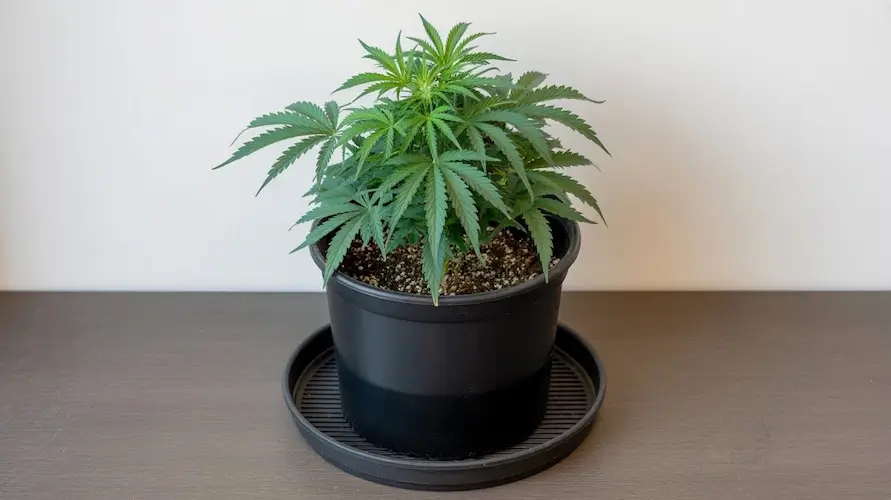
Cannabis plants require different nutrients at each stage of growth. Nitrogen supports vegetative growth, while phosphorus and potassium play a larger role during flowering.
Overfeeding is a common issue that causes nutrient burn and reduced yields. Using cannabis-specific nutrients and following feeding schedules helps prevent imbalances.
Core nutrients include:
-
Nitrogen
-
Phosphorus
-
Potassium
Balanced nutrition supports strong growth and healthy flower development.
Step 10: Odor Control and Stealth
Odor control is essential for most indoor growers. Flowering cannabis produces intense aromas that can travel far without filtration.
Carbon filters paired with exhaust fans are the most effective solution. Maintaining negative pressure ensures that air exits through the filter rather than leaking from the room.
Odor control methods include:
-
Carbon filters
-
Negative pressure
-
Regular filter maintenance
Proper odor management improves discretion and comfort.
Step 11: Cleanliness and Pest Prevention
Clean grow rooms are easier to manage and far less prone to pests and disease. Most infestations begin with poor sanitation.
Regular cleaning and inspections catch issues early, when they are easiest to resolve.
Sanitation tips include:
-
Wiping down surfaces regularly
-
Avoiding outdoor plants in the grow room
-
Inspecting leaves weekly
Preventive cleanliness protects yields.
Step 12: Automation and Monitoring
Automation improves consistency and reduces human error. Timers ensure reliable light schedules, while environmental controllers help maintain stable conditions.
Smart sensors provide real-time data and alerts, allowing growers to respond quickly to changes.
Useful tools include:
-
Timers
-
Environmental controllers
-
Smart sensors
-
Automated watering systems
Automation is especially valuable for larger grow rooms.
Common Grow Room Mistakes To Avoid
Many grow room problems stem from preventable errors. Poor airflow, inadequate lighting, ignored humidity, overcrowding, and skipped inspections all reduce yields and increase stress.
Common mistakes include:
-
Poor airflow
-
Inadequate lighting
-
Ignoring humidity
-
Overcrowding plants
-
Skipping routine inspections
Avoiding these mistakes improves results immediately.
Frequently Asked Questions
How much does it cost to build a cannabis grow room?
A basic home grow room typically costs $500 to $1,500, while larger or more advanced setups can cost several thousand dollars.
What size grow room do I need?
That depends on plant count, container size, and legal limits. Many home growers succeed with a 4-by-4-foot space.
Do I need CO₂ supplementation?
CO₂ can increase yields, but it is not necessary for beginners. Focus on lighting, airflow, and nutrition first.
Can I build a grow room in a closet?
Yes. Closet grow rooms are viable when ventilation, lighting, and heat management are adequately addressed.
How long does it take to set up a grow room?
Most small grow rooms can be set up in one to two days once the equipment is available.
How To Build a Cannabis Grow Room: Conclusion
Building a cannabis grow room is an investment in control, consistency, and long-term success. With careful planning, proper materials, and attention to environmental details, growers at any level of experience can create productive indoor gardens. Focus on lighting, airflow, temperature, humidity, and cleanliness, then refine your setup over time for the best results.
Ready to get your garden started? Shop the complete collection of cannabis seeds and clones and Seeds Here Now.
Suggested Articles
 29 Jan 2026
  8 min read
;)
;)
;)
 May 02, 2023


RESPONSES (0)
No responses yet. Be the first to respond!