


How To Choose the Right Cannabis Clones for Your Grow
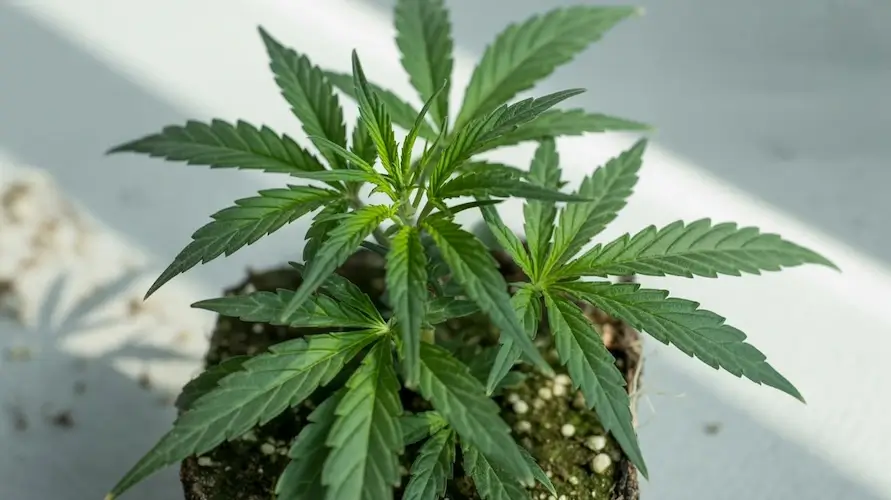
Knowing how to choose the right cannabis clones can be the difference between a smooth, high-yield harvest and a grow filled with setbacks. While clones offer speed, uniformity, and genetic predictability, those benefits only hold true when the clones themselves are healthy, compatible with your environment, and sourced responsibly.
Poor-quality cannabis clones can introduce pests, diseases, weak growth patterns, and inconsistent flowering. Once those issues enter a grow space, they are often difficult and expensive to correct. Careful clone selection at the start dramatically improves plant performance throughout the entire life cycle.
This guide explains how to choose cannabis clones the right way, covering genetics, plant health, rooting quality, environmental compatibility, sourcing, and common red flags to avoid. Whether you are growing at home or running a commercial facility, clone selection is one of the most important decisions you will make.
What Are Cannabis Clones?
Cannabis clones are cuttings taken from a mature female plant and rooted to become genetically identical copies of the original, often called the mother plant. Because clones are exact replicas, they preserve all of the plant’s traits without variation.
Cannabis clones maintain consistency in:
-
Cannabinoid and terpene profiles
-
Growth structure and vigor
-
Flowering time
-
Yield potential
-
Disease resistance
Unlike seeds, clones skip germination and immediately enter the vegetative stage. This saves time and allows growers to create uniform canopies with predictable results.
Why Choosing the Right Cannabis Clone Matters
Not all cannabis clones perform equally. The genetics and health of a clone directly influence how the plant grows, how resilient it is to stress, and how well it flowers.
Choosing high-quality clones impacts:
-
Overall plant vigor and growth speed
-
Resistance to pests and pathogens
-
Final yield and bud quality
-
Ease of training and canopy management
A strong clone can outperform an average seed-grown plant, while a weak clone may struggle for its entire life cycle, no matter how well it is cared for.
Step 1: Choose Cannabis Clone Genetics That Match Your Goals
Before inspecting plant health, clearly define what you want from your grow. Genetics determines most of a plant’s behavior.
Yield vs. Quality
Some cannabis clones are bred primarily for high yields, while others focus on terpene expression, potency, or bag appeal.
-
High-yielding clones often require heavier feeding and more training
-
Boutique or exotic clones may need tighter environmental control
Your goals should dictate your genetic selection.
Indica, Sativa, and Hybrid Growth Traits
Growth structure matters just as much as effects.
-
Indica-leaning clones tend to be shorter and bushier
-
Sativa-leaning clones grow taller with longer internodes
-
Hybrids vary widely depending on lineage
Available space, ceiling height, and lighting must align with the clone’s natural growth pattern.
Flowering Time
One of the biggest advantages of clones is consistent flowering time.
-
Short-flowering clones allow faster harvest cycles
-
Longer-flowering clones may offer unique terpene profiles or higher quality
Matching flowering time to your production schedule improves efficiency.

Step 2: Inspect Cannabis Clone Health Carefully
Visual inspection is critical when choosing cannabis clones. Healthy plants recover faster from transplanting and establish strong root systems.
Healthy Cannabis Clone Characteristics
Look for clones that display:
-
Bright green leaves with no spotting or discoloration
-
Strong, upright stems
-
Tight internodal spacing
-
Even leaf shape and symmetry
Healthy clones should look vibrant and resilient, not droopy or stressed.
Root Development
If selecting rooted cannabis clones, examine the roots closely.
Healthy roots should be:
-
White or cream-colored
-
Firm, not slimy
-
Extending toward the edges of the cube or plug
Weak or poorly developed roots often lead to slow growth and transplant shock.
Step 3: Check Cannabis Clones for Pests and Diseases
Clones are one of the most common ways pests and pathogens enter grow rooms.
Common Cannabis Clone Pests
-
Spider mites
-
Thrips
-
Fungus gnats
-
Aphids
Inspect the underside of leaves, stem joints, and growing tips carefully. Even a small infestation can spread rapidly.
Disease Red Flags
Avoid cannabis clones showing signs of:
-
Powdery mildew
-
Leaf curl or twisting
-
Necrotic or rust-colored spots
-
Mosaic or mottled leaf patterns
Once introduced, plant diseases are difficult to eliminate and can compromise an entire grow.
Step 4: Understand the Clone’s Environmental History
Cannabis clones perform best when transitioned gradually between environments. Sudden changes can cause stress or stunted growth.
Important factors to ask or research include:
-
Lighting intensity and spectrum
-
Temperature and humidity range
-
Feeding schedule and growing medium
A clone raised under low-intensity lighting may struggle under powerful LEDs without proper acclimation.
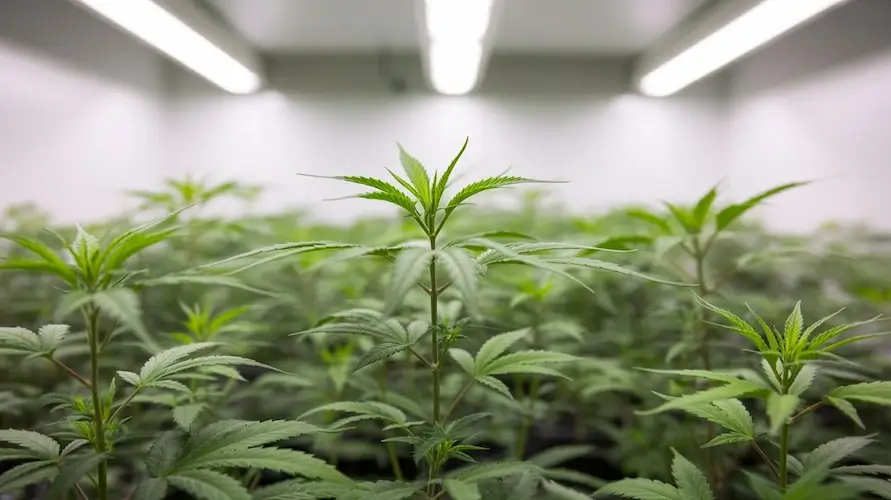
Step 5: Choose Rooted vs. Unrooted Cannabis Clones
Cannabis clones are typically sold as rooted clones or unrooted cuttings, often called snips.
Rooted Cannabis Clones
Pros:
-
Faster establishment
-
Lower failure rate
-
Ideal for beginners
Cons:
-
Higher cost
-
Increased risk of pest transfer
Unrooted Clones (Snips)
Pros:
-
Lower cost
-
Reduced pest exposure
-
Full control over the rooting process
Cons:
-
Require cloning experience
-
Higher initial failure risk
Your experience level, time constraints, and risk tolerance should guide this choice.
Step 6: Source Cannabis Clones From Reputable Providers
Where you buy your cannabis clones is just as important as which clones you choose.
What To Look for in a Clone Provider
-
Clean, organized facilities
-
Transparent genetic information
-
Integrated pest management practices
-
Consistent plant quality
Reputable clone providers prioritize plant health and stand behind their genetics.
Where To Buy the Best Cannabis Clones
Knowing where to buy cannabis clones is just as important as knowing how to choose them. Even the best genetics can fail if clones are sourced from facilities with poor sanitation, unverified lineage, or inconsistent quality control. Reputable clone providers prioritize plant health, transparency, and genetic integrity.
When evaluating where to buy cannabis clones, look for providers that offer:
-
Verified and clearly labeled genetics
-
Pest- and disease-free plants
-
Clean, professional propagation environments
-
Consistent clone quality across batches
-
Proper quarantine and inspection protocols
Buying clones from trusted sources reduces the risk of introducing pests, pathogens, or mislabeled genetics into your grow.
Buying Cannabis Clones From Seeds Here Now
Seeds Here Now offers a wide selection of premium cannabis clones sourced from reputable breeders and verified genetics. Each clone is carefully selected to ensure strong health, stable growth patterns, and genetic accuracy.
Cannabis clones from Seeds Here Now are:
-
Pest- and disease-free
-
Backed by verified genetics
-
Selected for vigor and consistency
-
Suitable for both home and commercial growers
By sourcing clones from Seeds Here Now, growers can focus on dialing in their environment and cultivation techniques without worrying about hidden issues at the starting line.
Choosing a trusted provider with proven standards helps ensure a smoother grow, more predictable results, and higher-quality harvests.
Common Mistakes When Choosing Cannabis Clones
Avoid these frequent errors:
-
Choosing clones based on strain name alone
-
Ignoring root health
-
Skipping pest inspections
-
Selecting genetics unsuited for your space
-
Rushing acclimation after transplant
Most clone-related problems can be prevented with careful selection upfront.
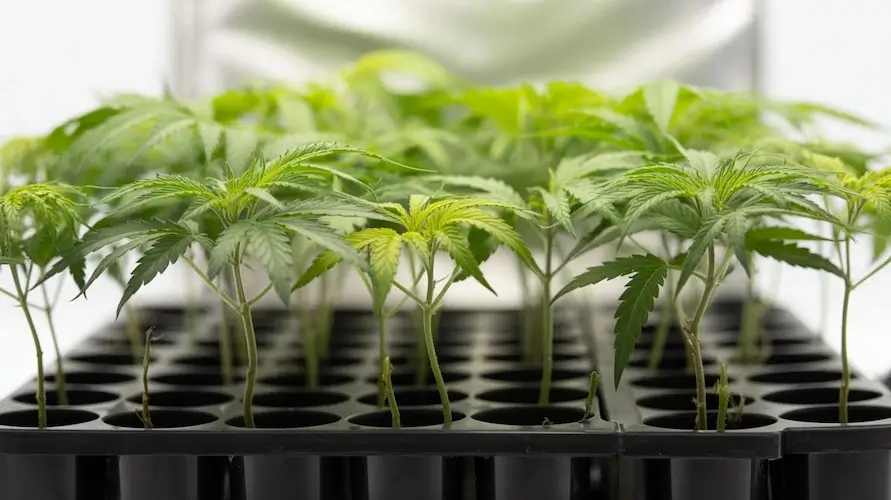
How Many Cannabis Clones Should You Buy?
Determining how many cannabis clones to purchase depends on your grow size, experience level, and local regulations. It is essential to follow all laws and regulations regarding plant counts in your area, as limits vary widely by state and jurisdiction.
Once you understand your legal plant limit, it is still wise to plan for a small margin of loss due to transplant stress or early growth issues.
Best practices include:
-
Staying within all local and state plant-count limits
-
Buying 10–15% more clones than needed, when legally allowed
-
Accounting for potential losses during acclimation or transplant
Planning carefully ensures you maintain full canopy coverage without exceeding legal limits or compromising compliance.
Always verify current regulations before purchasing clones, especially if you are growing in a regulated or commercial environment.
FAQs: How To Choose Cannabis Clones
Are cannabis clones better than seeds?
Cannabis clones offer consistency and faster turnaround, while seeds provide genetic diversity. The best choice depends on your goals and experience level.
How old should cannabis clones be?
Healthy cannabis clones should be well-rooted and approximately six to eight inches tall before transplanting into larger containers.
Can cannabis clones carry diseases?
Yes. Pests and pathogens are commonly spread through clones, making inspection and sourcing critical.
Do cannabis clones need a vegetative stage?
Yes. Although clones skip germination, they still require time in the vegetative stage to build structure and roots.
Should I quarantine new cannabis clones?
Quarantining new clones for 7 to 14 days is strongly recommended to prevent pest or disease outbreaks.
Final Thoughts on Choosing the Best Cannabis Clones
Choosing the right cannabis clones is one of the most impactful decisions in any grow. By selecting genetics that match your goals, inspecting plant health, sourcing from reputable providers, and understanding environmental needs, you significantly increase your chances of success.
Strong cannabis clones lead to uniform growth, predictable flowering, and higher-quality yields. Invest the time up front, and your plants will reward you throughout the entire grow cycle.
Now that you know how to choose the right cannabis clones for your garden, shop our complete collection of premium clones today.
Suggested Articles
 21 Apr 2026
  12 min read
;)
;)
;)
 January 29, 2026


RESPONSES (0)
No responses yet. Be the first to respond!