


How To Select the Best Location for an Outdoor Cannabis Grow
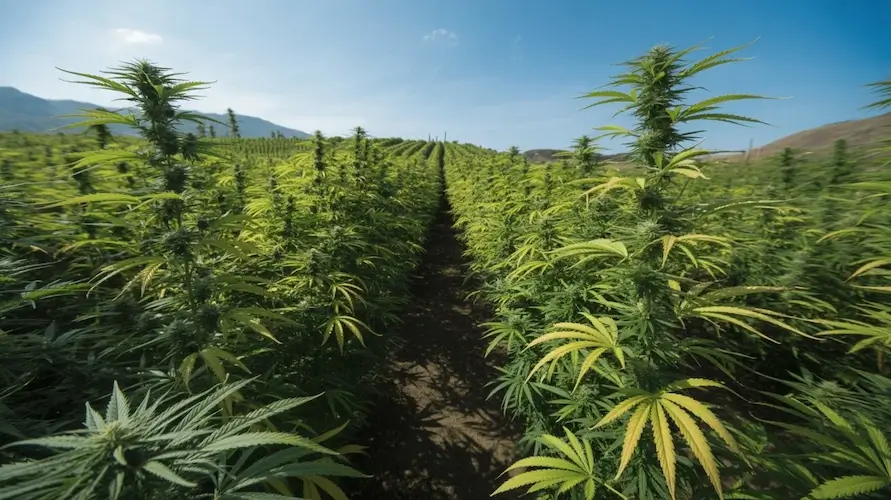
Choosing the right location is one of the most important decisions you will make when planning an outdoor cannabis grow. Genetics, nutrients, and care all matter, but even the best plants will struggle if they are planted in the wrong spot. Sunlight, airflow, soil quality, water access, and discretion all play critical roles in determining plant health, yield, and final flower quality.
This guide breaks down how to select the best location for an outdoor cannabis grow, covering everything from sunlight exposure and microclimates to soil conditions, water management, and legal considerations. Whether you are growing a few plants at home or planning a larger outdoor garden, getting the location right from the start sets the foundation for success.
Why Location Matters for Outdoor Cannabis
Cannabis is a fast-growing, light-hungry plant that responds directly to its environment. Outdoors, you give up some control compared with indoor cultivation, which makes site selection even more critical. A strong location can improve growth rate, reduce pest and disease pressure, and help plants reach their full genetic potential.
A poor location, on the other hand, can lead to stunted growth, mold issues, pest infestations, and disappointing harvests, regardless of how much effort you put in later.
Sunlight Requirements for Outdoor Cannabis
Sunlight is the single most important factor when choosing an outdoor grow location.
How Much Sun Does Cannabis Need?
Cannabis thrives with:
-
At least 6 hours of direct sunlight per day
-
Ideally 8 to 10 hours for maximum yields
Full sun means unobstructed light from sunrise through late afternoon. Morning sun is especially valuable because it helps dry dew from leaves, reducing the risk of mold and mildew.
Evaluating Sun Exposure
Before planting, observe the area throughout the day. Trees, buildings, fences, and hills can cast long shadows, especially early and late in the season when the sun sits lower in the sky.
South-facing locations typically receive the most consistent sunlight in the Northern Hemisphere. East-facing sites are also effective, especially in humid regions where morning sun helps manage moisture.
Avoid low-lying areas that only receive midday sun, as this often limits total light hours.
Understanding Microclimates
Microclimates are small areas where environmental conditions differ from the surrounding region. These differences can significantly impact cannabis growth.
Warm vs. Cool Microclimates
South-facing slopes, stone walls, and areas near buildings often retain heat and create warmer microclimates. These spots are ideal for regions with shorter growing seasons or cooler nights.
Low areas, valleys, and shaded zones tend to trap cold air, increasing the risk of frost and slow growth.
Wind Exposure
Good airflow strengthens stems and helps prevent mold, but excessive wind can damage plants, dry out soil, and stress young seedlings.
Look for locations that offer:
-
Gentle, consistent airflow
-
Natural windbreaks like hedges or fences
-
Protection from strong prevailing winds
Avoid completely enclosed spaces with stagnant air, as these encourage pests and fungal problems.
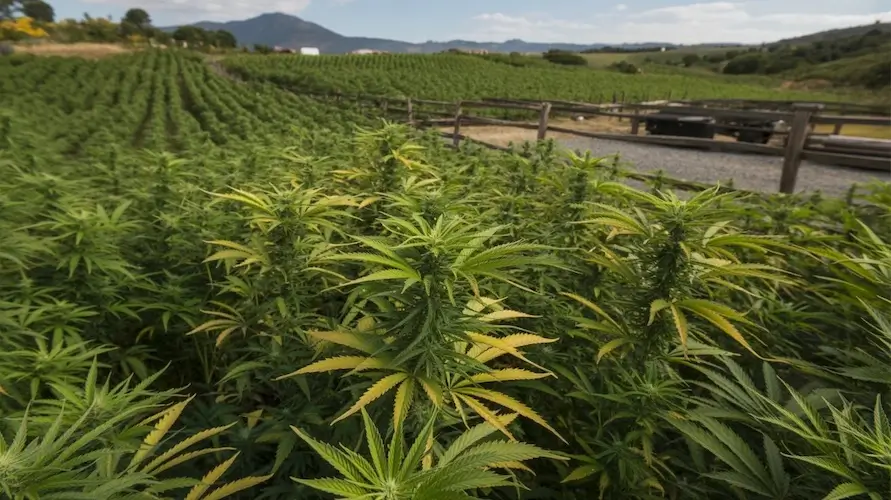
Soil Quality and Drainage
Healthy soil is essential for a successful outdoor cannabis grow. Even with excellent sunlight, poor soil can limit root development and nutrient uptake.
Ideal Soil Characteristics
Cannabis prefers soil that is:
-
Loamy and well-aerated
-
Rich in organic matter
-
Able to retain moisture without becoming waterlogged
-
Slightly acidic, with a pH between 6.0 and 6.5
If native soil is heavy clay or sandy and nutrient-poor, raised beds or amended planting holes can solve many problems.
Drainage Is Critical
Standing water is one of the fastest ways to kill cannabis roots. Choose a location where water drains naturally after rainfall. Avoid areas where puddles form or soil remains soggy for long periods.
If drainage is questionable, elevate planting sites or use large fabric pots to improve root health.
Access to Water
Outdoor cannabis plants require consistent watering, especially during hot summer months and flowering.
Proximity to a Water Source
Select a location with easy access to water to avoid carrying heavy containers long distances. Drip irrigation or soaker hoses work well for outdoor gardens and help maintain consistent moisture levels.
Water Quality
If possible, test your water source. Cannabis prefers water that is:
-
Free of excessive chlorine or chloramine
-
Low in dissolved salts
-
Close to neutral pH
Rainwater collection can be an excellent option, provided it is stored cleanly and safely.
Privacy and Discretion
Cannabis plants can grow tall, aromatic, and highly visible, which makes discretion an important consideration.
Visibility From Neighbors and Roads
Choose a location that is not easily visible from:
-
Public roads
-
Neighboring properties
-
Trails or footpaths
Natural screening from trees, shrubs, or fencing can help conceal plants without blocking sunlight.
Odor Considerations
During flowering, cannabis plants produce strong aromas that can carry significant distances. Downwind placement and natural barriers can help reduce odor travel.
Legal and Zoning Considerations
Before selecting a grow location, understand local laws and regulations regarding outdoor cannabis cultivation.
Common Legal Restrictions
Depending on your location, laws may regulate:
-
Number of plants allowed
-
Distance from property lines
-
Visibility from public spaces
-
Required fencing or enclosures
Even in regions where cannabis is legal, outdoor cultivation often has specific compliance requirements.
Protection From Pests and Wildlife
Outdoor cannabis is exposed to insects, animals, and birds that can damage plants.
Common Outdoor Threats
-
Deer and rabbits
-
Rodents
-
Caterpillars and beetles
-
Aphids and mites
Choose locations that are easier to secure with fencing, netting, or companion planting. Avoid areas near known wildlife trails or dense underbrush.
Space and Plant Size Considerations
Outdoor cannabis plants can grow much larger than indoor plants, especially photoperiod varieties.
Planning for Growth
Ensure the location has:
-
Enough horizontal space between plants
-
Vertical clearance for tall growth
-
Room for maintenance, pruning, and harvesting
Crowded plants restrict airflow and increase disease risk.
Elevation and Frost Risk
Cold air settles in low areas, increasing frost risk during early spring and late fall.
Choose slightly elevated locations when possible. Even a small rise in elevation can protect plants from cold damage and extend the growing season.
Accessibility and Maintenance
A great location should be easy to access regularly.
You will need to:
-
Water consistently
-
Inspect plants for pests and disease
-
Train and support branches
-
Harvest safely and discreetly
If reaching the grow site is difficult, maintenance often suffers, leading to avoidable problems.
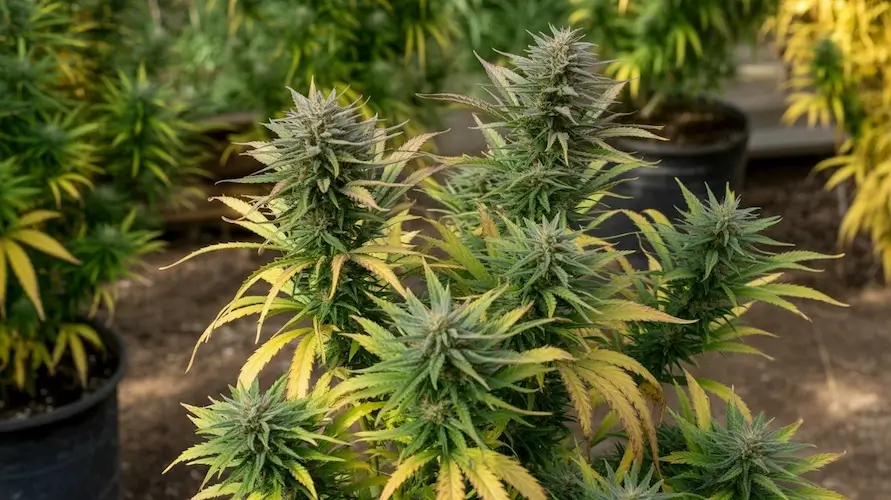
Using Containers vs. In-Ground Planting
Your location choice may also influence whether you grow in the ground or in containers.
In-Ground Growing
Pros:
-
Larger root systems
-
Less frequent watering
-
Potentially higher yields
Cons:
-
Soil quality must be suitable
-
Less flexibility if conditions change
Container Growing
Pros:
-
Portable plants
-
Better control over soil and drainage
-
Easier compliance with regulations
Cons:
-
More frequent watering
-
Limited root space
Containers allow you to adjust placement if sunlight or weather conditions change during the season.
Testing the Location Before Planting
Before committing to a site, run a simple test.
Spend a few days observing:
-
Sun movement
-
Wind patterns
-
Moisture retention after rain
-
Temperature changes morning and night
If possible, plant a test crop or cover crop to assess soil performance.
Common Mistakes When Choosing an Outdoor Grow Location
Many outdoor growers run into problems because of avoidable mistakes, including:
-
Underestimating shade from nearby trees
-
Ignoring drainage issues
-
Choosing convenience over sunlight
-
Failing to consider odor and visibility
-
Planting too close together
Taking time to plan prevents costly setbacks later in the season.
FAQs: Selecting the Best Location for an Outdoor Cannabis Grow
How much sunlight do outdoor cannabis plants need?
Outdoor cannabis plants need a minimum of 6 hours of direct sunlight per day. For optimal growth and yield, 8 to 10 hours of full sun is ideal.
Can I grow cannabis in partial shade?
Cannabis can survive in partial shade, but yields and flower quality will be reduced. Shade-tolerant plants may grow, but dense buds require strong, consistent sunlight.
Is it better to grow cannabis in the ground or in containers outdoors?
Both methods work well. In-ground plants can grow larger and require less frequent watering, while containers offer better control over soil quality and allow you to move plants if conditions change.
What type of soil is best for outdoor cannabis?
Cannabis prefers loamy soil with good drainage and plenty of organic matter. The ideal soil pH range is 6.0 to 6.5.
How do I protect outdoor cannabis from wind?
Use natural windbreaks like fences, shrubs, or hedges. Position plants where they receive gentle airflow but are shielded from strong, constant winds.
How important is privacy for outdoor cannabis grows?
Privacy is very important. Cannabis plants are highly visible and produce strong aromas during flowering. Choosing a discreet location helps avoid theft, complaints, and legal issues.
What should I avoid when choosing an outdoor grow location?
Avoid low-lying areas prone to frost, spots with poor drainage, locations with heavy shade, and areas that are easily visible from public spaces.
Can I move my plants if I choose the wrong location?
If you are growing in containers, plants can be moved to better sunlight or shelter. In-ground plants are much harder to relocate, which is why site selection is so important.
Final Thoughts
Learning how to select the best location for an outdoor cannabis grow is one of the most valuable skills a grower can develop. A well-chosen site provides strong sunlight, healthy soil, good airflow, reliable water access, and enough discretion to keep plants safe and compliant.
When the location is right, cannabis plants grow more vigorously, resist pests and disease more effectively, and produce higher-quality flowers. Before you plant a single seed or clone, invest time in choosing the best possible spot. That decision will pay dividends all the way through harvest.
Now that you understand the ins and outs of selecting an outdoor grow site, get your garden started by shopping our collection of premium cannabis seeds and clones.
Suggested Articles

 21 Dec 2025
  9 min read
;)
;)
;)
 December 21, 2025


RESPONSES (0)
No responses yet. Be the first to respond!