


Best Temperature for Cannabis: A Complete Grower’s Guide From Seedling to Harvest
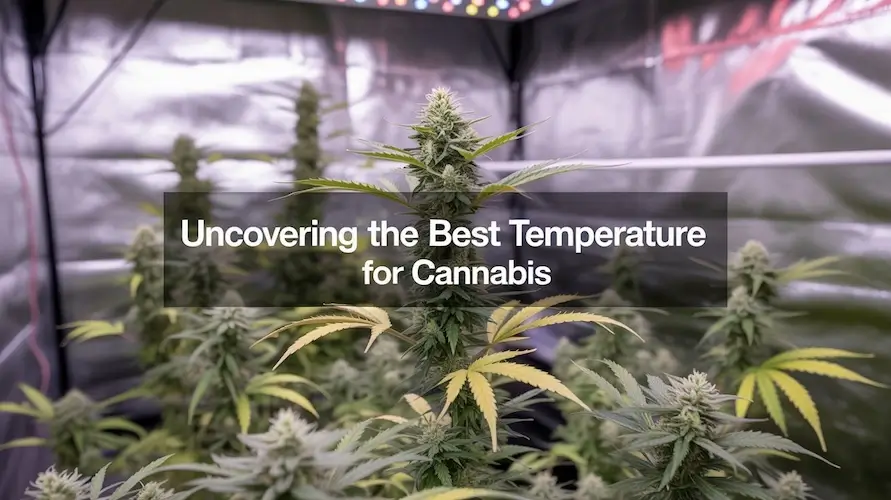
Dialing in the best temperature for cannabis is one of the most important—and most misunderstood—parts of successful cultivation. Light intensity, nutrients, genetics, and watering all matter, but temperature quietly influences every physiological process inside the plant. From photosynthesis and nutrient uptake to terpene retention and disease resistance, temperature can make or break your results.
This in-depth guide explains the best temperature for cannabis at every stage of growth, how day and night temperatures affect plant behavior, how temperature interacts with humidity and VPD, and how to avoid common heat- and cold-related problems. Whether you grow indoors, outdoors, or in a greenhouse, understanding temperature control will dramatically improve plant health, yield, and flower quality.
Why Temperature Matters When Growing Cannabis
Cannabis is a temperature-sensitive plant. While it is adaptable, it performs best within a fairly specific range. When temperatures drift too high or too low, plants experience stress that can slow growth, reduce yields, and negatively impact aroma and potency.
Temperature affects:
-
Photosynthesis efficiency
-
Transpiration and water uptake
-
Nutrient absorption
-
Root health
-
Pest and pathogen pressure
-
Terpene preservation
-
Flower density and structure
Maintaining the best temperature for cannabis allows the plant to operate at peak efficiency, converting light and nutrients into biomass and resin rather than diverting energy toward survival.
Best Temperature for Cannabis: The Ideal Ranges
Cannabis does not require a single fixed temperature throughout its life cycle. Instead, optimal temperatures shift slightly depending on the growth stage and whether lights are on or off.
Ideal Daytime Temperatures
-
Seedlings and clones: 72 to 78 degrees Fahrenheit
-
Vegetative stage: 75 to 82 degrees
-
Flowering stage: 70 to 80 degrees
These ranges allow for efficient photosynthesis without pushing plants into heat stress.
Ideal Nighttime Temperatures
-
All stages: 5 to 10 degrees cooler than daytime temperatures
Nighttime cooling helps regulate respiration, supports healthy metabolism, and encourages proper internodal spacing. Excessive temperature drops, however, can slow growth and cause stress.
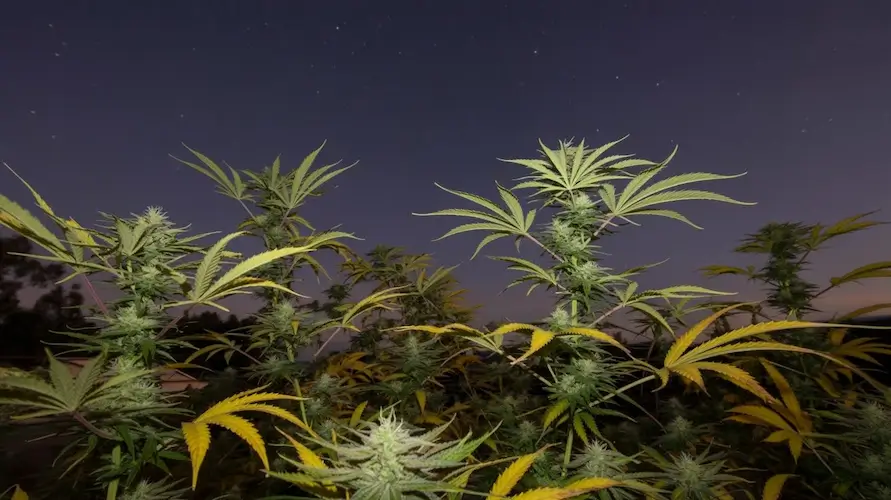
Best Temperature for Cannabis Seedlings and Clones
Young cannabis plants are especially sensitive to environmental conditions. Seedlings and clones lack extensive root systems, making them more vulnerable to temperature extremes.
Optimal Temperature Range
-
72 to 78 degrees Fahrenheit
At this range, metabolic activity remains high without excessive transpiration. Warmer temperatures encourage root development and faster establishment.
Problems Caused by Incorrect Temperatures
-
Too cold: Slow growth, poor root development, increased damping-off risk
-
Too hot: Wilting, weak stems, increased water demand
Maintaining stable temperatures is more important than hitting an exact number at this stage.
Best Temperature for Cannabis During Vegetative Growth
The vegetative stage is when cannabis plants grow rapidly, producing leaves, stems, and root mass. This is also when plants can tolerate and benefit from slightly higher temperatures.
Optimal Temperature Range
-
75 to 82 degrees Fahrenheit during lights on
-
65 to 72 degrees during lights off
Vegetative plants use nitrogen heavily and transpire more water, making them more resilient to warmer conditions when humidity is properly managed.
Why Slightly Warmer Is Better in Veg
Higher temperatures during veg:
-
Increase photosynthesis rates
-
Encourage faster cell division
-
Promote stronger root growth
-
Reduce internodal spacing when light intensity is adequate
Many growers aim for the upper end of the temperature range during veg, especially when running high-output LEDs.
Best Temperature for Cannabis During Flowering
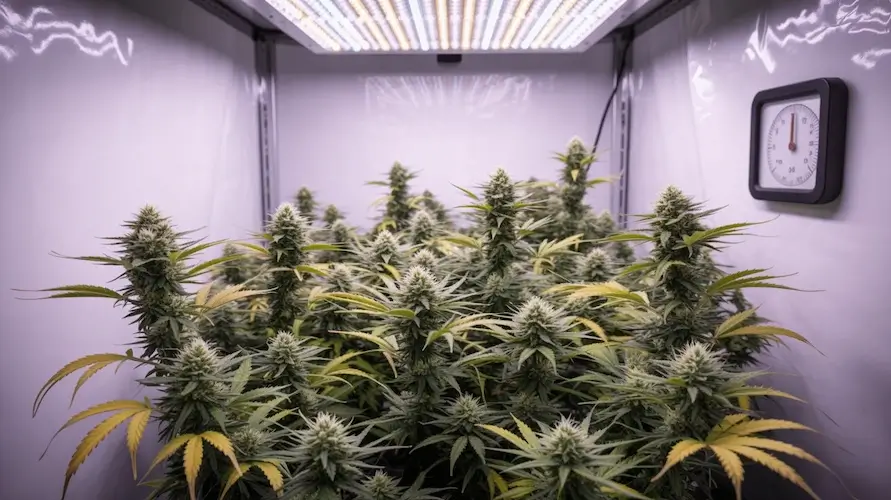
Flowering is where temperature control becomes more precise. While cannabis still needs warmth, excessive heat during bloom can reduce flower density, terpene content, and overall quality.
Optimal Temperature Range
-
Early to mid-flower: 72 to 78 degrees Fahrenheit
-
Late flower: 65 to 75 degrees
Lowering temperatures slightly in late flower helps preserve terpenes and prevents buds from becoming airy or foxtailed.
Nighttime Temperature Drops and Color Expression
Some strains display purple, red, or blue hues when nighttime temperatures drop into the low to mid-60s. While not required, mild temperature drops late in flower can enhance visual appeal without harming yield.
Avoid extreme cold. Temperatures below 60 degrees can slow metabolism and stunt flower development.
Root Zone Temperature: The Overlooked Factor
Air temperature often gets the most attention, but root zone temperature is just as important.
Ideal Root Zone Temperature
-
65 to 72 degrees Fahrenheit
Roots function best within this range. Warmer root zones reduce oxygen availability, while colder roots limit nutrient uptake.
Problems Caused by Poor Root Zone Temperatures
-
Too warm: Root rot, nutrient lockout, reduced oxygen
-
Too cold: Slow growth, calcium and magnesium deficiencies
In hydroponic systems, water temperature should be monitored closely. In soil and coco, pot size, floor temperature, and irrigation frequency all influence root zone conditions.
Best Temperature for Cannabis and Humidity: Understanding the Relationship
Temperature does not work in isolation. Humidity plays a major role in how plants respond to heat and cold.
This relationship is often described using vapor pressure deficit, or VPD, which measures how easily plants can transpire.
High Temperature, Low Humidity
-
Causes excessive transpiration
-
Leads to wilting and nutrient imbalance
-
Increases calcium and magnesium deficiencies
Low Temperature, High Humidity
-
Slows transpiration
-
Encourages mold and mildew
-
Reduces nutrient uptake
Maintaining proper humidity alongside temperature keeps plants transpiring efficiently and prevents stress.
Best Temperature for Cannabis Indoors
Indoor growers have the advantage of full environmental control, but heat management can still be challenging.
LED Grows
LEDs produce less radiant heat than HID lights, allowing growers to run slightly higher ambient temperatures.
-
Ideal LED grow temperatures: 78 to 82 degrees during veg, 72 to 78 during flower
Plants under LEDs often benefit from warmer air because leaf surface temperatures tend to be lower.
HID Grows
High-intensity discharge lights generate more heat, requiring stronger ventilation.
-
Ideal HID grow temperatures: 72 to 78 degrees
Managing airflow and heat extraction is critical to prevent canopy-level heat stress.
Best Temperature for Cannabis Outdoors
Outdoor growers must work with nature, making strain selection and planting timing especially important.
Ideal Outdoor Conditions
-
Daytime temperatures between 70 and 85 degrees Fahrenheit
-
Nighttime temperatures above 55 degrees
Cannabis can tolerate brief heat spikes outdoors, but prolonged exposure to temperatures above 90 degrees can reduce yield and terpene production.
Cold nights below 50 degrees slow growth and can delay flowering.
Signs Your Cannabis Temperature Is Too High
Heat stress is one of the most common environmental problems.
Common Symptoms
-
Leaf edges curling upward
-
Leaves pointing up or “praying” excessively
-
Bleached or yellowed tops
-
Foxtailing buds
-
Increased water consumption
If left uncorrected, high temperatures can reduce cannabinoid content and weaken plant structure.
Signs Your Cannabis Temperature Is Too Low
Cold stress often develops more slowly but can be just as damaging.
Common Symptoms
-
Slow growth
-
Drooping leaves
-
Purpling of stems or leaf undersides
-
Reduced nutrient uptake
-
Increased disease susceptibility
Cold temperatures are especially problematic during early growth and late flowering.
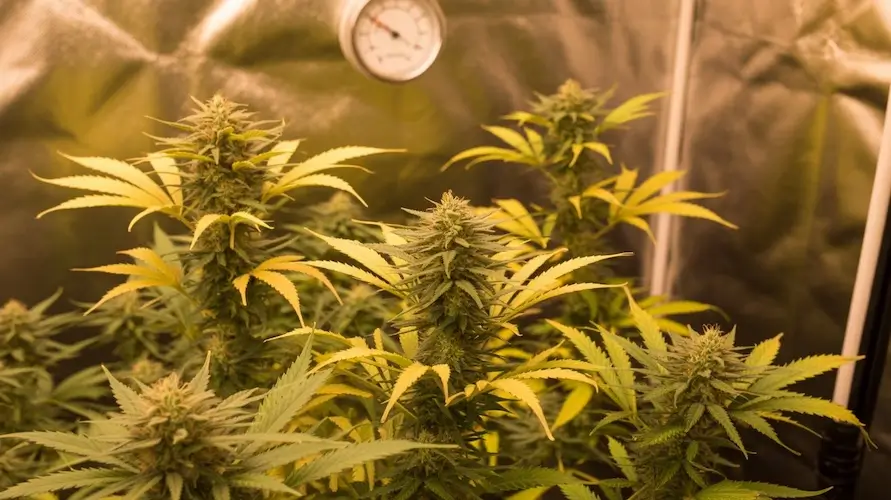
How To Control Temperature in a Cannabis Grow
Ventilation
Exhaust fans and passive or active intake systems remove excess heat and maintain fresh airflow.
Air Conditioning
In warm climates, air conditioning is often necessary to maintain consistent temperatures during flowering.
Heaters
In cold environments, space heaters or soil heating mats help stabilize temperatures during lights-off periods.
Insulation
Proper insulation reduces temperature swings and improves energy efficiency.
Environmental Controllers
Automated controllers regulate fans, heaters, and AC units, keeping temperatures within ideal ranges around the clock.
Temperature Swings: How Much Is Too Much?
Cannabis can handle moderate temperature fluctuations, but extreme swings cause stress.
Acceptable Range
-
5 to 10 degrees between day and night is ideal
Problematic Swings
-
Drops or spikes greater than 15 degrees can slow growth and increase stress
Consistency matters more than perfection.
Best Temperature for Cannabis and Terpene Preservation
Terpenes are volatile compounds that evaporate at relatively low temperatures. Excessive heat during flowering and drying can significantly reduce aroma and flavor.
Tips for Preserving Terpenes
-
Keep flowering temperatures below 80 degrees
-
Lower temperatures slightly during late flower
-
Avoid heat spikes near harvest
Proper temperature control results in louder aromas and smoother smoke.
Best Temperature for Cannabis During Drying and Curing
While outside the grow cycle, post-harvest temperature still affects final quality.
Ideal Drying Temperature
-
60 to 65 degrees Fahrenheit
-
Paired with 55 to 60 percent humidity
Slow, cool drying preserves terpenes and prevents harshness.
Final Thoughts on the Best Temperature for Cannabis
Finding the best temperature for cannabis is not about chasing a single number. It is about understanding how temperature interacts with growth stage, humidity, lighting, and root health. When temperatures are dialed in, plants grow faster, feed more efficiently, resist disease, and produce better flowers.
By maintaining stable, stage-appropriate temperatures and making gradual adjustments, growers can dramatically improve yield, potency, and flavor. Temperature control is not just an environmental detail—it is a foundational skill that separates average grows from exceptional ones.
Suggested Articles
 10 Apr 2026
  12 min read

;)
;)
;)
 December 17, 2025


RESPONSES (0)
No responses yet. Be the first to respond!