ESP Seeds – A Rare Indica Landrace Cross by Indian Landrace Exchange
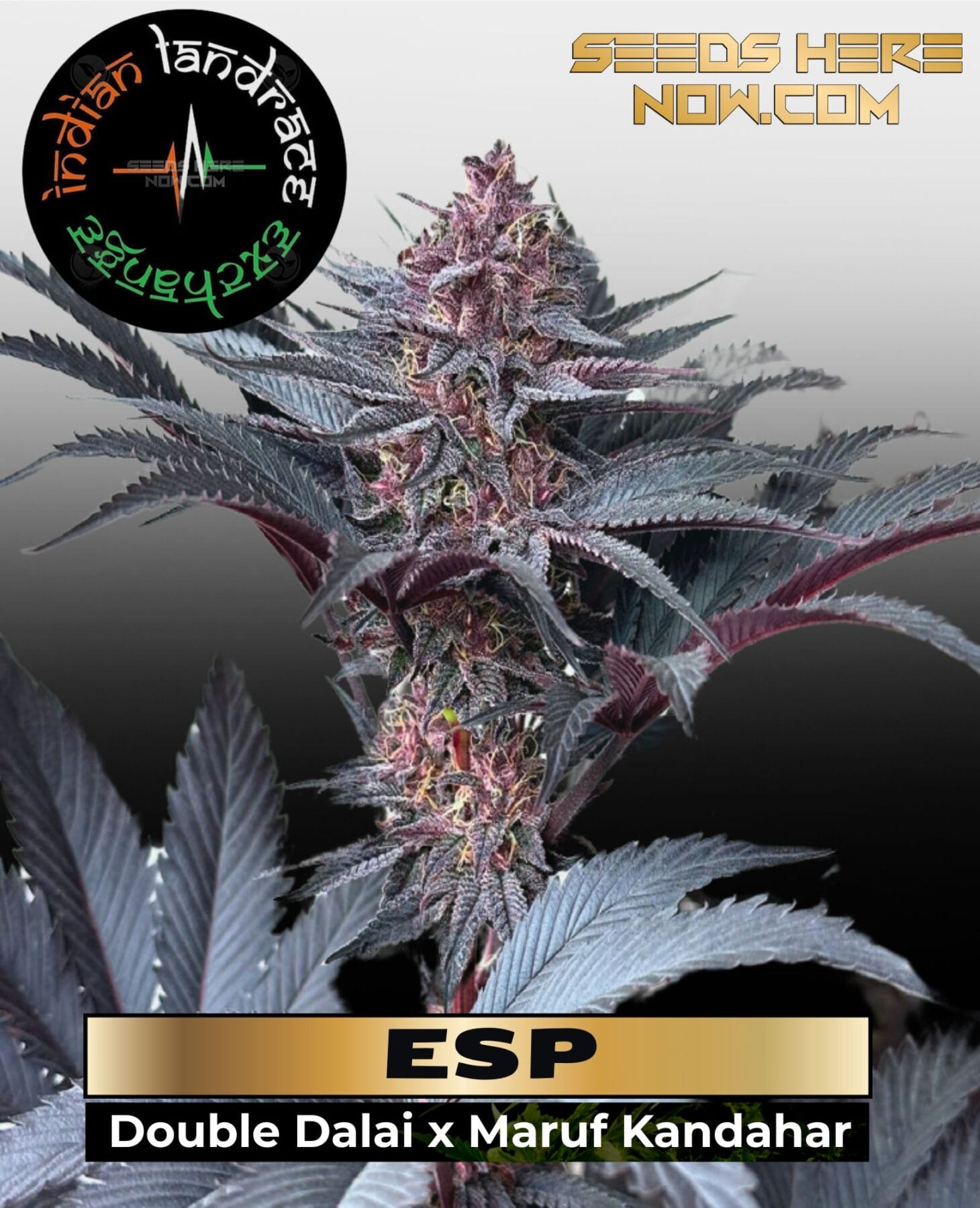
ESP seeds (Extra Sensory Perception) deliver one of the most unique indica-leaning experiences available from any seed bank today. Bred by Indian Landrace Exchange, ESP combines Double Dalai F3 with the legendary Maruf Kandahar (TAP22) to create a cultivar rooted in Afghan and South Asian heirloom genetics. If you're looking for a strain that trades hype for heritage, ESP regular seeds belong in your garden.
Quick Facts for ESP Seeds
- Breeder: Indian Landrace Exchange
- Genetics: Double Dalai F3 × Maruf Kandahar (TAP22)
- Seed Type: Regular
- Dominance: Indica-leaning (approx. 80/20)
- Flowering Time: 9–10 weeks
- Outdoor Harvest: Mid-October
- THC: Not officially reported
- Pack Size: 10 seeds
ESP Strain Overview
ESP is a deliberate throwback—an heirloom-driven cultivar that blends Afghan desert genetics with the exotic, creeping influence of Double Dalai. Rather than delivering an instant head rush, ESP builds gradually, stacking effects layer by layer until you realize you're fully locked into its orbit. This strain shares lineage traits with other Kandahar-sourced offerings from Indian Landrace Exchange, including the Maruf, Kandahar HP #3 and Maruf, Kandahar ZB #3 selections.
Lineage and Breeding of ESP Seeds
ESP seeds are the result of crossing a Double Dalai F3 male with a P1 female from the Maruf Kandahar (southern Afghanistan) TAP22 project. The Kandahar parent contributes unmistakable resin density, sulfurous funk, and grounding body effects, while Double Dalai shortens flowering time, adds color expression, and introduces its signature slow-creeper psychoactivity. Growers interested in pure Afghan landrace material should also explore the Daman Village Kandahar Section #5 and Daman Village Kandahar Section #6 primary crop selections.
Flavor and Aroma Profile of ESP Seeds
ESP plants start deceptively mild, opening with sweet, muffled sour notes layered in incense. As flowering progresses, the aroma sharpens and turns increasingly aggressive—pushing into astringent territory with hints of floor cleaner, solvent adhesive, gas, and sulfur-heavy funk.
Once dried and cured, the flavor shifts again. The smoke leans dry, hazy, and deeply incense-driven, with less of the raw chemical edge found in live plants and more of a lingering, old-world hash character. If you appreciate complex terpene profiles from regional genetics, the Chitral Purple Apricot from Indian Landrace Exchange offers a similarly layered aromatic experience from the Chitral region.
Effects and Benefits of ESP Seeds
ESP seeds produce plants famous for their creeper effects. There's no immediate head rush. Instead, the sensation slowly climbs from the spine upward, settling into the head before washing through the entire body. The mental experience is dreamy, spaced, and lightly psychedelic, while the body remains relaxed and grounded.
Expect long-lasting effects that balance Afghan-style heaviness with Double Dalai's exotic, trance-like high. This is a strain for evening sessions, deep thought, or doing absolutely nothing—very deliberately.
Phenotypic Variation in ESP Seeds
ESP seeds reliably express two primary phenotypes:
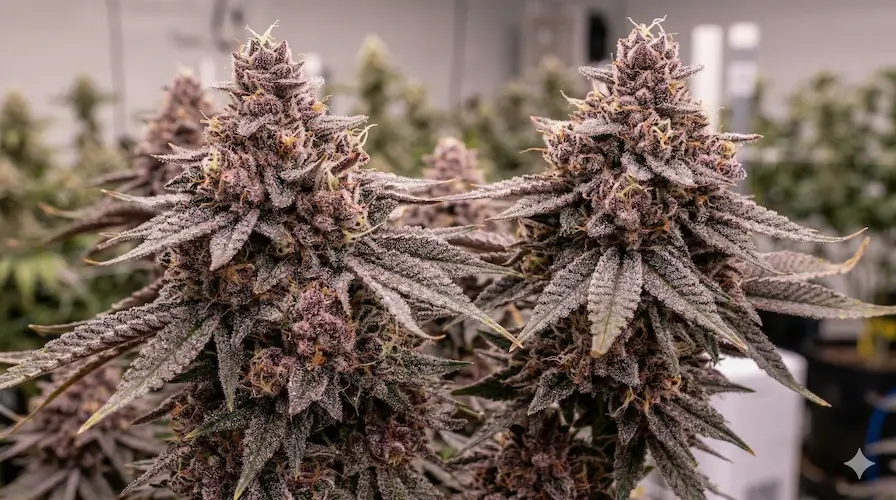
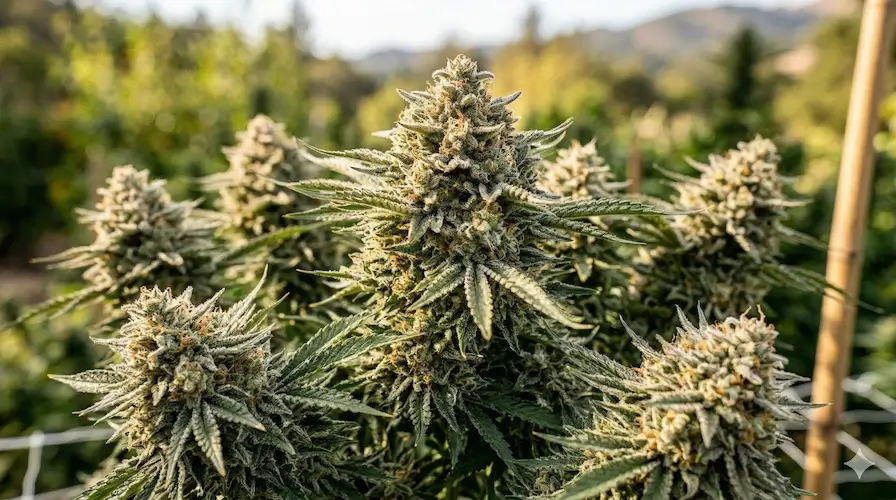
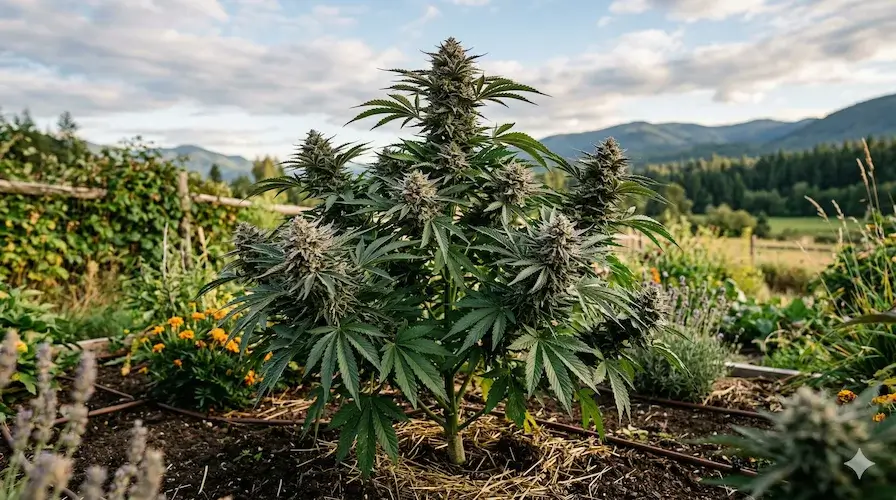
- Type 1 (Tall): Taller plants with wider internodal spacing, strong apical dominance, and stacked, conical buds.
- Type 2 (Short): Compact, squat plants with tight internodes and a bushier growth pattern reminiscent of classic Afghani landraces.
Despite their different structures, both phenotypes share overlapping aromas, flavors, and effects. This kind of phenotypic diversity is common in regular seed lines from Indian Landrace Exchange, and growers hunting specific expressions will appreciate the selection potential across a full pack.
How To Grow ESP Seeds Like a Pro
ESP seeds respond well to attentive cultivation and benefit from controlled environments where airflow and spacing can be dialed in. The taller phenotype allows for closer planting thanks to its upright structure, while the shorter phenotype may require light training to open the canopy.
Flowering finishes in roughly 9–10 weeks indoors, and outdoor plants are typically ready by mid-October. Resin production increases steadily late in flower, making patience a critical part of the process. Growers who enjoy working with regional landrace genetics from Indian Landrace Exchange should also consider the Yarkhun Valley, Hopar Valley Selection #1, and Pulwama F2 for additional heritage cultivars.
More From Indian Landrace Exchange
Indian Landrace Exchange specializes in preserving and distributing authentic landrace genetics sourced directly from South Asia and the Middle East. Beyond ESP seeds, their catalog at Seeds Here Now includes pure regional selections and carefully worked crosses:
User Reviews of ESP Seeds
Growers consistently highlight ESP's unusual effect profile, long-lasting high, and unmistakable old-school aroma. This is not a beginner novelty strain—it's a thoughtful cultivar for those who know exactly what they're looking for in heirloom cannabis genetics.
Buy ESP Seeds Online at Seeds Here Now
If you're hunting for a cultivar that delivers depth instead of hype, ESP seeds are a standout choice. With heirloom Afghan roots, a rare creeper effect, and two distinct phenotypes to explore, this strain offers an experience modern genetics can't imitate. Buy ESP seeds today at Seeds Here Now and discover what slow, intentional cannabis really feels like. Browse the full Indian Landrace Exchange collection for more authentic landrace and heritage genetics.