CBD #1 Feminized Seeds by Ace Seeds
CBD #1 is a remarkable strain that stands out with its high CBD content and balanced THC levels ranging from 12% to 16%. Bred from the genetics of (Cannatonic S1/ErdPurt) × Cannatonic S1, it offers a flowering time of just 7 to 9 weeks. This combination makes it a compelling choice for those seeking an effortless blend of potency and therapeutic benefits.
About CBD #1 Feminized Seeds
CBD #1 captures the essence of earthy and citrus notes, making it a favorite among enthusiasts. Its adaptability for both indoor and outdoor cultivation enhances its appeal, while the intermediate growing difficulty invites a rewarding challenge for growers.
CBD #1 – Quick Facts
| Breeder |
Ace Seeds |
| Genetics |
(Cannatonic S1/ErdPurt) x Cannatonic S1 |
| Seed Type |
Feminized |
| Strain Type |
Indica-dominant hybrid |
| THC |
12% to 16% |
| CBD |
High CBD: 6% to 10% |
| Flowering Time |
7 to 9 weeks |
| Yield |
Average |
| Difficulty |
Intermediate |
| Aroma / Flavor |
myrcene, caryophyllene |
| Effects |
relaxing, stress relief, calming |
| Pack Size |
5 Seeds |
Genetic Lineage and Background
The cross of (Cannatonic S1/ErdPurt) and Cannatonic S1 imbues CBD #1 with a solid structure and a pronounced terpene profile. Its lineage ensures robust resin production and a predictable flowering behavior, making it a reliable choice for growers seeking consistency.
Aroma, Flavor, and Terpene Profile
CBD #1 delights the senses with an earthy, citrus aroma enhanced by the presence of myrcene and caryophyllene. These terpenes contribute to its distinctive scent, making it a truly aromatic experience.
Effects and Experience
Expect a calming and relaxing experience with CBD #1. Its effects gently ease tension, providing stress relief and a tranquil state of mind. Ideal for evening use, it supports relaxation without an overwhelming high.
Appearance and Phenotypes
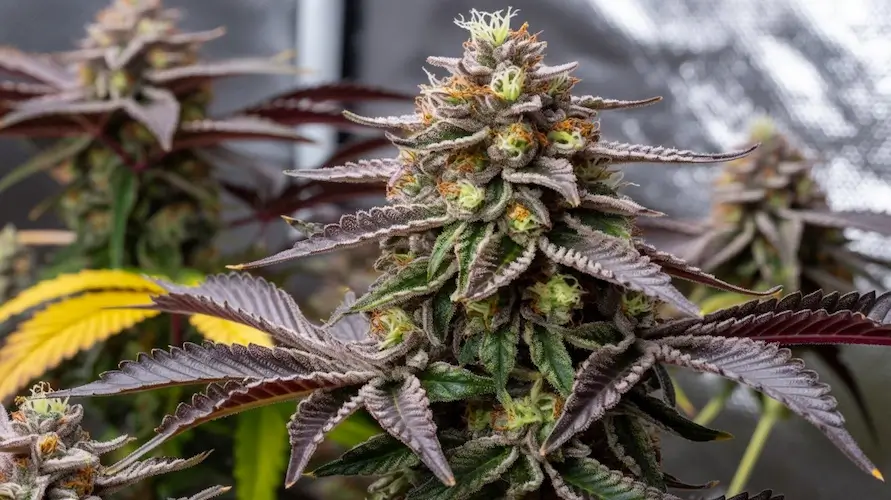
CBD #1 showcases dense bud structures with a generous coating of trichomes. Its coloration may vary, offering visual appeal alongside its robust growth behavior.
How To Grow CBD #1 Seeds
Indoor Growing
When growing indoors, CBD #1 thrives with a flowering time of 7 to 9 weeks. It responds well to training techniques and prefers a balanced nutrient regimen. Maintaining a stable environment enhances its overall performance.
Outdoor Growing
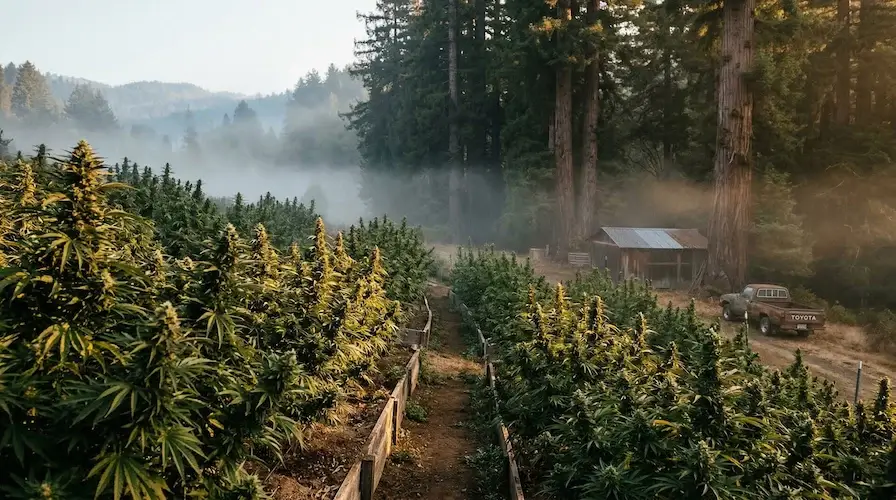
In outdoor settings, CBD #1 flourishes in warm climates with a harvest period aligning with early autumn. Its resilience and structure make it a versatile option for varying conditions.
Yield and Production Potential
Although its yield is categorized as average, CBD #1's quality makes it suitable for craft flower production or personal use. Its characteristics favor those seeking a balanced and therapeutic output.
Is CBD #1 Worth Growing?
CBD #1 stands out for its harmony between CBD and THC levels. For those prioritizing therapeutic effects without sacrificing potency, it's a valuable addition to any cultivation lineup.
Who Should Grow CBD #1?
Ideal for intermediate growers, CBD #1 appeals to those with some experience looking to explore a strain that combines structure and therapeutic benefits within a manageable flowering period.
Why Buy CBD #1 Seeds From SeedsHereNow.com
- Authentic breeder-direct genetics
- Discreet and secure shipping
- Verified Feminized seed stock
- Industry reputation since 2010
- Dedicated customer support
Buy CBD #1 Feminized Seeds Today
Explore the therapeutic harmony of CBD #1. With its balanced effects and rapid flowering, it's an essential choice for dedicated growers seeking quality and consistency. Purchase your seeds today and elevate your cultivation experience.
CBD #1 Seeds FAQs
How long does it flower?
7 to 9 weeks
Is it easy to grow?
Intermediate
What does it smell like?
earthy, citrus
What are the effects?
relaxing, stress relief, calming
Are these Feminized seeds?
Yes, these are Feminized seeds.
Your Seeds, On Their Way!
The excitement of waiting for your new seeds to arrive is the best! Here’s what you need to know:
- The Basics: We’ve got all the nitty-gritty details covered in our Shipping Policy.
- The Promise: Carefully packaged seeds, delivered right to your door.
- The Next Step: Place your order, sit back, and let us handle the rest. We will send
you a
tracking number when the order has been shipped. Your seeds will be sprouting in no time.
Questions Before You Order? Contact US - We’re here to help!