Californian Orange Feminized Seeds by Dutch Passion
Renowned for its vibrant citrus aroma, Californian Orange Feminized seeds deliver a striking experience. With THC levels ranging from 15% to 20%, this strain offers a potent yet balanced effect. The flowering period spans a manageable 8 to 10 weeks, making it a popular choice among cultivators seeking a quick turnaround.
About Californian Orange Feminized Seeds
This strain embodies a harmonious blend of citrus zest and cultivation versatility. Adaptable to both indoor and outdoor environments, it thrives with intermediate care. Its robust orange flavor and aroma make it a standout in any garden, rewarding growers with its lively presence.
Californian Orange – Quick Facts
| Breeder |
Dutch Passion |
| Genetics |
Original Californian Orange x Unknown |
| Seed Type |
Feminized |
| Strain Type |
Hybrid |
| THC |
15% to 20% |
| CBD |
Less than 1% |
| Flowering Time |
8 to 10 weeks |
| Yield |
Average |
| Difficulty |
Intermediate |
| Aroma / Flavor |
limonene, myrcene |
| Effects |
happy, uplifted, energetic |
| Pack Size |
3 Seeds, 5 Seeds |
Genetic Lineage and Background
The Original Californian Orange lineage imparts a strong citrus direction, influencing both aroma and resin production. This genetic background supports a robust structure and flowering behavior, making it a reliable choice for cultivators.
Aroma, Flavor, and Terpene Profile
Californian Orange captivates with its vivid citrus and orange notes, predominantly driven by limonene and myrcene terpenes. This aromatic profile is a defining feature, making it desirable for those who appreciate a zestful sensory experience.
Effects and Experience
Expect a joyful, uplifting high that invigorates the senses. The energetic onset leads to a sustained state of happiness, making it ideal for daytime use or social settings. Its balanced nature ensures a pleasant experience without overwhelming.
Appearance and Phenotypes
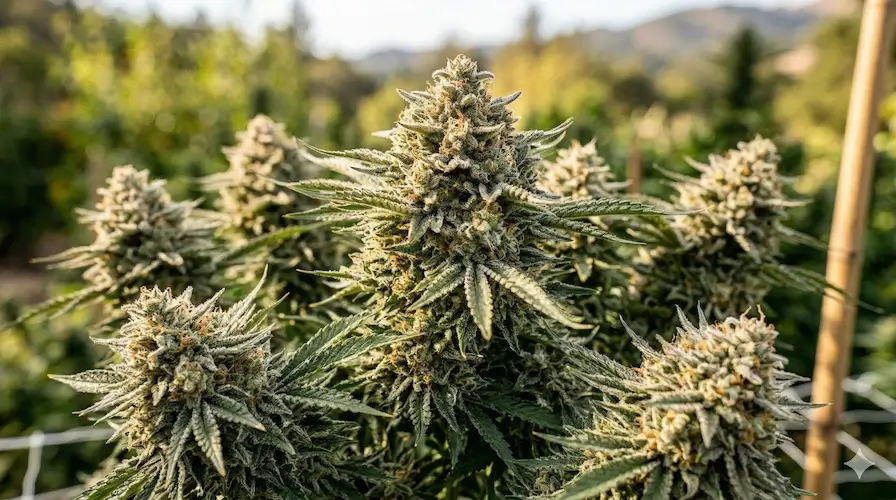
Buds are typically dense with a frosty trichome coverage, highlighting its rich cannabinoid content. Variations in coloration may include vibrant greens and occasional orange hues, reflecting its citrus lineage.
How To Grow Californian Orange Seeds
Indoor Growing
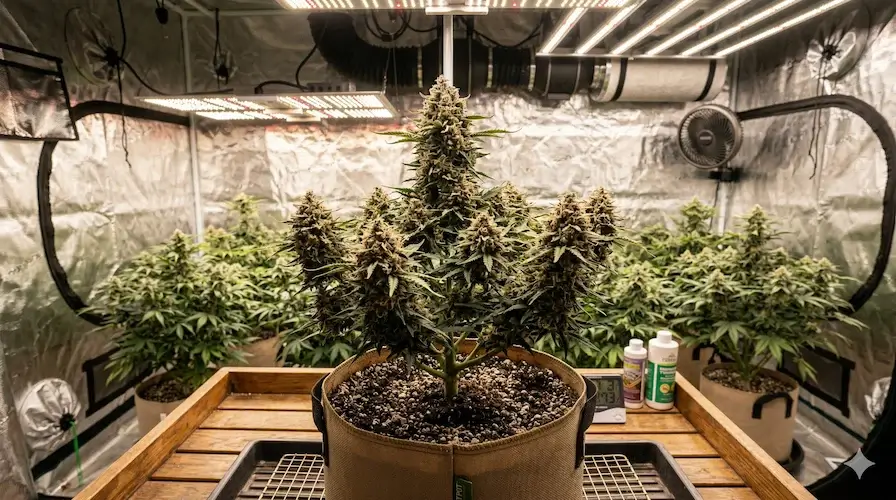
Californian Orange performs well indoors, benefiting from training techniques to maximize yield. With a flowering time of 8 to 10 weeks, it responds well to moderate feeding and maintains resilience in controlled environments.
Outdoor Growing
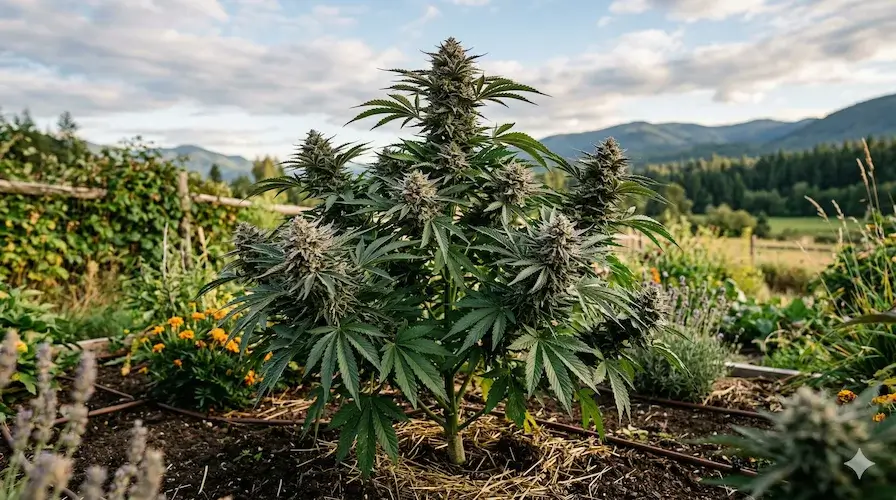
Suitable for temperate climates, it flourishes under the sun, showing robust growth and resilience. Harvest is typically ready by late October, making it a viable option for outdoor enthusiasts.
Yield and Production Potential
With an average yield, Californian Orange is ideal for both craft and home growers seeking quality over quantity. Its aromatic profile also lends well to extraction, providing flavorful concentrates.
Is Californian Orange Worth Growing?
Its vibrant citrus aroma is the defining characteristic that sets Californian Orange apart. For cultivators seeking a strain with both sensory appeal and manageable growth, it offers exceptional value.
Who Should Grow Californian Orange?
Intermediate growers who appreciate a balance of potency and unique flavor will find Californian Orange rewarding. Its adaptable growth patterns cater to a variety of cultivation styles, suiting those ready to explore its nuances.
Why Buy Californian Orange Seeds From SeedsHereNow.com
- Authentic breeder-direct genetics
- Discreet and secure shipping
- Verified Feminized seed stock
- Industry reputation since 2010
- Dedicated customer support
Buy Californian Orange Feminized Seeds Today
Discover the zestful charm of Californian Orange with seeds from SeedsHereNow.com. Elevate your garden with a strain that promises a vibrant and rewarding experience.
Californian Orange Seeds FAQs
How long does it flower?
8 to 10 weeks
Is it easy to grow?
Intermediate
What does it smell like?
Citrus, orange
What are the effects?
Happy, uplifted, energetic
Are these Feminized seeds?
Yes, they are Feminized.
Your Seeds, On Their Way!
The excitement of waiting for your new seeds to arrive is the best! Here’s what you need to know:
- The Basics: We’ve got all the nitty-gritty details covered in our Shipping Policy.
- The Promise: Carefully packaged seeds, delivered right to your door.
- The Next Step: Place your order, sit back, and let us handle the rest. We will send
you a
tracking number when the order has been shipped. Your seeds will be sprouting in no time.
Questions Before You Order? Contact US - We’re here to help!