


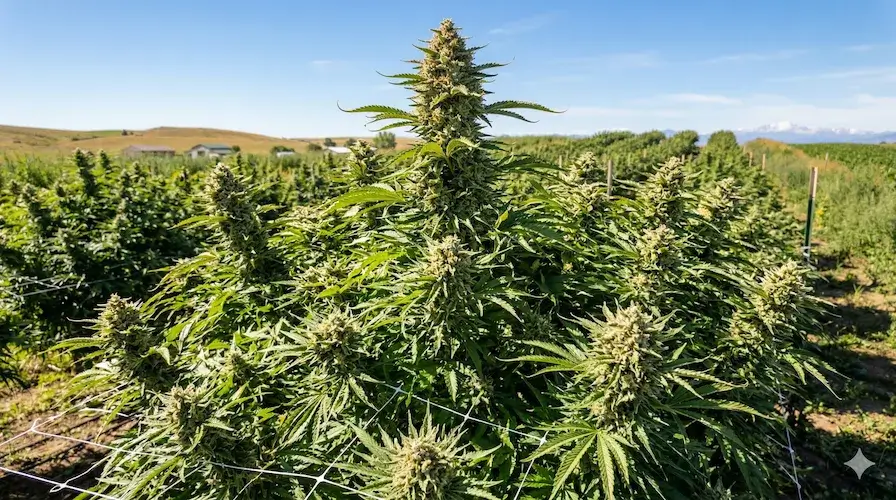
Regular cannabis seeds are not a relic. They are not the thing you buy when you can’t afford feminized seeds or when the autoflower section is sold out. They are a deliberate choice—made by breeders, serious pheno hunters, and old-school cultivators who understand something the mainstream seed market has conveniently buried: regular seeds carry the genetic depth that feminized lines increasingly do not.
This guide covers what regular seeds actually are, why experienced growers still choose them, how to work with them, and which regular varieties at Seeds Here Now are worth the time. If you’re here because you want to breed your own genetics, lock in a keeper pheno, or just grow cannabis the way it was meant to be grown, you’re in the right place.
What Are Regular Cannabis Seeds?
Regular cannabis seeds are seeds produced through natural pollination between a male and female cannabis plant. They have not been chemically treated, genetically engineered, or stressed into producing only female offspring. The result is a population that splits roughly 50/50—some female, some male, with the same randomness you’d find in any natural biological process.
That 50/50 ratio is not a flaw. It is the feature. It’s the same genetic randomness that makes pheno-hunting possible, that allows breeders to find exceptional expressions, and that preserves the full breadth of a strain’s genetic potential. When breeders produce feminized seeds, they narrow that population to female-only expressions. Useful, certainly. But you lose something in that narrowing.
For growers who simply want the most female plants per dollar spent and have no interest in breeding or deep selection, feminized seeds are the practical choice. For everyone else—breeders, collectors, and growers who care about the long-term genetic health of their catalog—regular seeds are the foundation. For more on how the categories compare, see our guide to understanding feminized, autoflower, and regular pot seeds.
Regular vs. Feminized vs. Autoflower: The Real Comparison
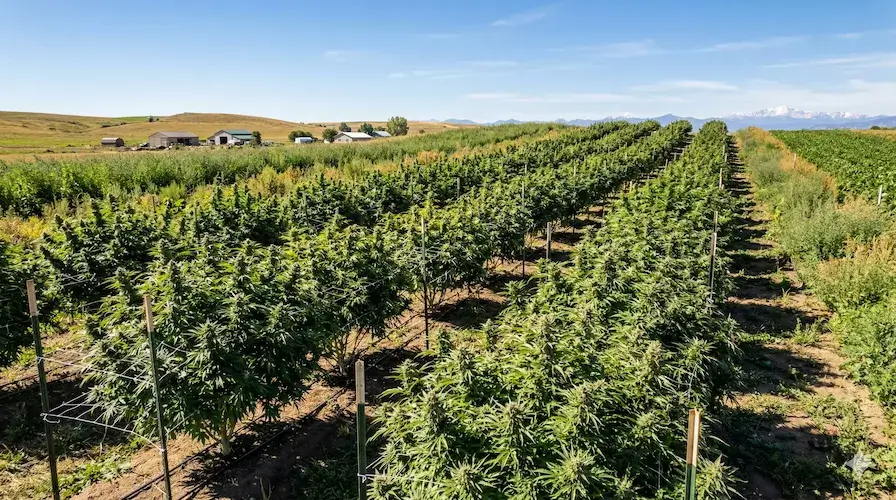
Regular seeds produce male and female plants in roughly equal proportion. You grow them out, identify sex during early flowering or pre-flower, remove males unless breeding, and keep the females. Work involved: moderate. Genetic potential: highest of the three types.
Feminized seeds are guaranteed female-only (when sourced from reputable breeders with robust testing). Produced through colloidal silver or rodelization to force a female plant to produce male pollen. The resulting seeds carry only female chromosomes. Work involved: minimal. Genetic potential: good but narrowed.
Autoflower seeds flower based on age rather than light cycle. Available in both regular and feminized versions. Work involved: minimal. Genetic potential: improving rapidly but still behind the best photoperiod regular lines.
The practical tradeoff is simple: regular seeds take more time (sexing plants, removing males), but reward that time with broader genetic expression, genuine breeding possibilities, and access to genetics that breeders never feminize because the strain performs better as a regular. For a detailed breakdown, see our feminized vs. regular seeds comparison.
Why Serious Growers Still Choose Regular Seeds
Three reasons, in descending order of importance:
Breeding. You cannot breed without males. If you want to cross two strains, stabilize a line, create your own F2 population, or just run controlled pollination experiments, regular seeds are the only sensible starting point. Feminized males—produced through reversals—work, but they introduce stress-response genetics into the equation. Regular males are a cleaner starting material. Our guide on cloning and working with regular cannabis genetics goes deeper on this.
Pheno hunting. A feminized pack of 10 seeds might give you one or two genuinely exceptional expressions. A regular pack of 10 from a well-bred line can surprise you with phenotypic diversity that no feminized version captures. The male half of the population influences trait distribution even when those males are removed. Breeders know this. It’s why the most respected genetic lines—the ones that show up at Cannabis Cups decade after decade—started as regular seeds.
Genetic preservation. Feminized seeds degrade faster than regular ones when stored. The chromosome manipulation involved in feminization introduces subtle instability that compounds over generations. Regular seeds from stable, open-pollinated lines are the standard for genetic banks, long-term seed storage, and preservation projects. If you care about keeping genetics alive across decades, regular is the right format.
How To Sex Regular Cannabis Plants
Sexing regular plants is not difficult. It requires attention, a loupe or good eyesight, and the discipline to check your plants at the right time.
Pre-flower identification begins around weeks 4 to 6 of vegetative growth in most strains. Small pre-flowers form at the nodes—the junction between the stem and the branch. Males develop small, round pollen sacs that look like tiny balls clustered together. Females develop pistils: two white or cream-colored hairs emerging from a small calyx. The difference is obvious once you’ve seen both side by side.
Under a 12/12 light cycle (or when outdoors as days shorten), plants reveal sex more definitively within the first one to two weeks of flowering. Males will show pollen sacs developing into larger clusters. Females will show multiple pistils at each node, eventually building into recognizable bud sites.
Remove males promptly. A single male plant that opens and releases pollen in an enclosed space can pollinate every female in the room. If breeding is not your goal, identify males early and remove them before pollen release. For a complete walkthrough, see our guide on how to grow regular cannabis seeds.
If you’re breeding, isolate your selected male in a separate space, collect pollen, and apply it to the target female. Targeted pollination allows you to seed only specific branches, protecting the rest of the plant for sinsemilla harvest.
Pheno Hunting With Regular Seeds: What To Look For
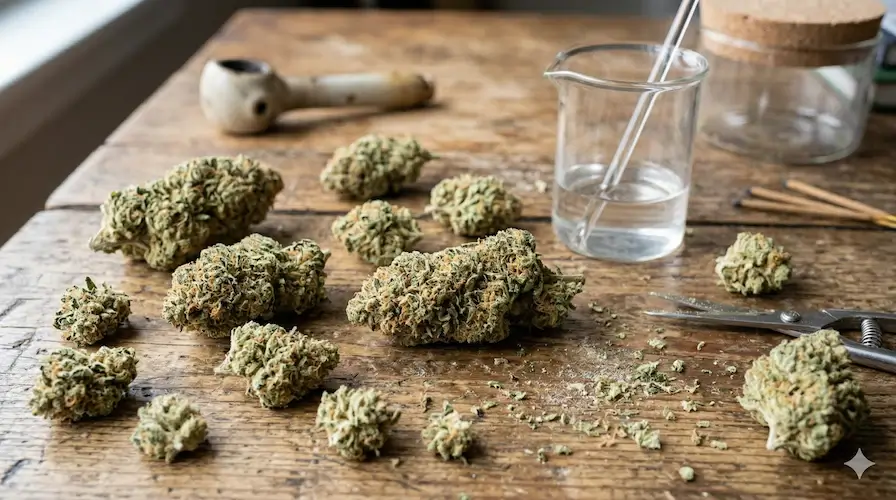
Pheno hunting is the process of growing a pack of seeds and not stopping until you find the one. The keeper. The plant worth cloning, preserving, and running again and again. Regular seeds are the right starting material for this because their genetic range is intact—male and female phenotypes both contribute to what the female population can express, giving you a wider canvas to paint on than a feminized pack of the same strain.
What you’re looking for depends on your goals. Most serious pheno hunters evaluate for:
Structure. Branching pattern, internode spacing, and overall vigor. Plants that grow efficiently—good calyx-to-leaf ratio, strong lateral branching, stable internodal distance—are easier to grow consistently across future runs.
Terpene profile. The aroma during flowering is your primary indicator of quality. Plants that smell exceptional in weeks 5 and 6 of flower almost always finish exceptionally. Trust your nose more than you trust your eyes.
Bud density and resin production. Looser buds with visible trichome saturation often outperform visually dense buds with less resin. Check under magnification.
Finishing time. In a regular population, you’ll often find phenotypic variation in finish time. Faster-finishing phenotypes that maintain quality are valuable, especially for indoor growers managing canopy space.
The Best Regular Cannabis Strains at Seeds Here Now
These are the regular lines worth hunting. Each one has earned its place through genetics, breeder reputation, and real-world grower results. If you’re ready to try your hand at growing regular seeds, we have a wide selection from the world’s most reputable breeders.