


The Pros and Cons of Autoflower Cannabis Seeds
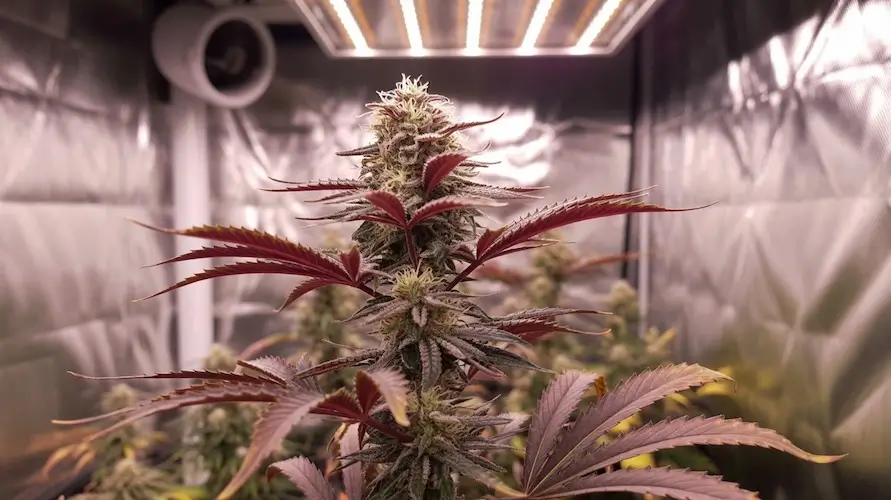
Autoflower cannabis seeds have transformed the way many growers approach cultivation. Once considered a niche option primarily used by hobbyists or growers in difficult climates, autoflower strains have evolved dramatically over the past decade. Modern breeding has produced autoflower varieties capable of delivering impressive potency, improved terpene profiles, and faster harvest cycles than many traditional photoperiod strains.
Despite these advancements, autoflower seeds are not always the best choice for every grower or every environment. Understanding the advantages and limitations of autoflower genetics is essential before deciding whether they are a good fit for your next grow.
In this in-depth guide, we’ll explore the pros and cons of autoflower cannabis seeds, how they differ from photoperiod plants, when they perform best, and what growers should consider before purchasing. If you’re trying to decide whether autoflowers are right for your garden, this article has everything you need to know.
And if you’re ready to grow, Seeds Here Now offers a wide variety of premium autoflower cannabis seeds, carefully selected from top breeders to help growers succeed in a range of environments.
What Are Autoflower Cannabis Seeds?
Autoflower cannabis seeds produce plants that transition from the vegetative stage to the flowering stage automatically based on age rather than changes in light cycles. This characteristic comes from Cannabis ruderalis, a subspecies of cannabis that evolved in regions with short summers and long daylight hours.
Traditional cannabis plants, known as photoperiod strains, begin flowering only when they receive longer periods of darkness—typically when outdoor days shorten or when indoor growers switch lighting schedules to a 12/12 cycle.
Autoflower plants behave differently. Instead of relying on light cues, they begin flowering after a set period of growth, often within two to four weeks from germination. This automatic flowering trait allows growers to complete an entire cultivation cycle more quickly and with fewer environmental adjustments.
Because of this genetic trait, autoflower seeds have become popular among both beginner growers and experienced cultivators who want faster harvests.
How Autoflower Seeds Became Popular
In the early days of autoflower breeding, the results were inconsistent. Ruderalis genetics were hardy and resilient, but they often produced plants with lower potency and smaller yields compared to photoperiod strains.
Over time, breeders began crossing ruderalis plants with well-known indica and sativa strains. Over multiple generations of selection, they retained the automatic-flowering trait while improving cannabinoid production, flavor, and overall plant structure.
Today’s autoflower varieties are far more competitive with traditional cannabis strains than they were a decade ago. Many modern autoflowers produce THC levels above 20%, and some rival photoperiod plants in terpene complexity.
This improvement has helped autoflower seeds become a legitimate option for serious growers.
The Major Advantages of Autoflower Cannabis Seeds
Autoflower seeds offer several benefits that make them attractive to certain growers and environments. While they may not be ideal for every situation, they can provide unique advantages that photoperiod plants cannot match.
Faster Harvest Cycles
One of the most appealing features of autoflower cannabis seeds is their speed. Because these plants flower automatically, growers can often harvest within 8 to 12 weeks from seed.
This accelerated timeline allows growers to complete multiple harvests in a single season. For outdoor cultivators in colder regions, autoflowers can finish before autumn weather becomes problematic.
Indoor growers also benefit from faster turnover. Shorter cycles mean more frequent harvests throughout the year.
For growers who value speed and efficiency, autoflower seeds provide a clear advantage.
Simpler Light Management
Photoperiod cannabis requires precise lighting schedules to control the transition from vegetative growth to flowering. Indoor growers must adjust light cycles and carefully manage darkness periods to avoid disrupting the plant’s hormonal signals.
Autoflower plants eliminate this complexity.
Since autoflowers bloom based on age rather than light exposure, they can grow under a consistent light schedule from start to finish. Many indoor growers run autoflower plants under 18 to 20 hours of light per day throughout the entire lifecycle.
This simplifies the grow process and reduces the risk of light leaks interrupting flowering.
Ideal for Small Spaces
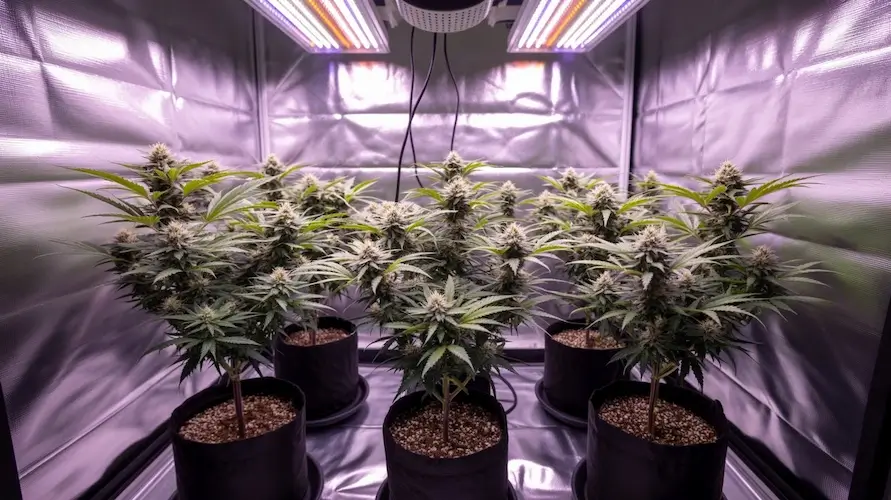
Autoflower plants typically remain smaller and more compact than photoperiod plants. Their limited vegetative period restricts overall height, making them ideal for growers working with limited vertical space.
Many autoflower plants stay under three feet tall, allowing them to thrive in grow tents, balconies, patios, or discreet garden spaces.
For growers seeking stealth or working within restricted grow areas, autoflower seeds can be an excellent choice.
Great for Outdoor Short Seasons
Outdoor cannabis growers in northern climates often struggle with short summers. Photoperiod plants sometimes fail to finish flowering before frost, leading to reduced yields or mold.
Autoflower strains bypass this problem by flowering automatically early in the season. Because they finish quickly, growers can plant them after the last frost and still harvest before fall weather becomes unpredictable.
Some growers even complete two outdoor autoflower harvests in a single season, which is difficult to achieve with traditional cannabis plants.
Resilient Genetics
Ruderalis genetics evolved in harsh climates with limited growing seasons. As a result, autoflower plants often demonstrate strong resilience to environmental stress.
Many autoflower varieties tolerate cooler temperatures, fluctuating light conditions, and minor nutrient inconsistencies better than delicate photoperiod strains.
This durability can make autoflowers appealing to beginners who are still learning the nuances of cannabis cultivation.
The Drawbacks of Autoflower Cannabis Seeds
While autoflowers offer several advantages, they also come with limitations that growers should understand before committing to them.
Smaller Yields
The most common criticism of autoflower plants is their yield potential. Because these plants begin flowering automatically after a short vegetative period, they have less time to develop large canopies.
This typically results in smaller harvests than with photoperiod plants, which can be vegged for extended periods.
Although modern autoflower strains produce higher yields than older varieties, photoperiod plants still dominate in terms of maximum production.
Less Control Over Plant Size
With photoperiod plants, growers control the vegetative stage. By extending the veg period, they can increase plant size and structure before initiating flowering.
Autoflowers remove this flexibility. Once the plant reaches a certain age, it will begin flowering regardless of its size or health.
If a plant experiences early stress or stunted growth, the grower cannot delay flowering to allow recovery.
This lack of control can sometimes result in smaller plants than expected.
Limited Training Opportunities
Many advanced growing techniques rely on manipulating the vegetative stage to shape plant structure. Training methods such as topping or heavy pruning can temporarily stress plants, which then recover and grow stronger.
Autoflower plants do not always have time to recover from these interventions before flowering begins.
While some light training techniques—such as low-stress training—can still be used, more aggressive training methods may reduce yields if applied incorrectly.
Growers must be more cautious when working with autoflower plants.
Cloning Challenges
Cloning is a common practice among photoperiod growers. By taking cuttings from a healthy mother plant, growers can reproduce identical plants and maintain consistent genetics.
Autoflower plants cannot be cloned effectively.
Since they flower based on age, a clone from an autoflower plant will follow the same biological timeline as the parent. This often results in tiny clones that flower prematurely.
Because of this, growers must start each autoflower cycle from seed.
Sensitivity During Early Growth
Although autoflowers are generally resilient once established, they can be sensitive during the early seedling stage. Because the plant has a fixed timeline, early stress can permanently limit its final size.
Common issues that may stunt autoflower plants include:
-
Overwatering
-
Nutrient burn
-
Transplant shock
-
Poor lighting conditions
For best results, many growers start autoflower seeds directly in their final containers to avoid transplant stress.
Autoflower vs. Photoperiod: Which Is Better?
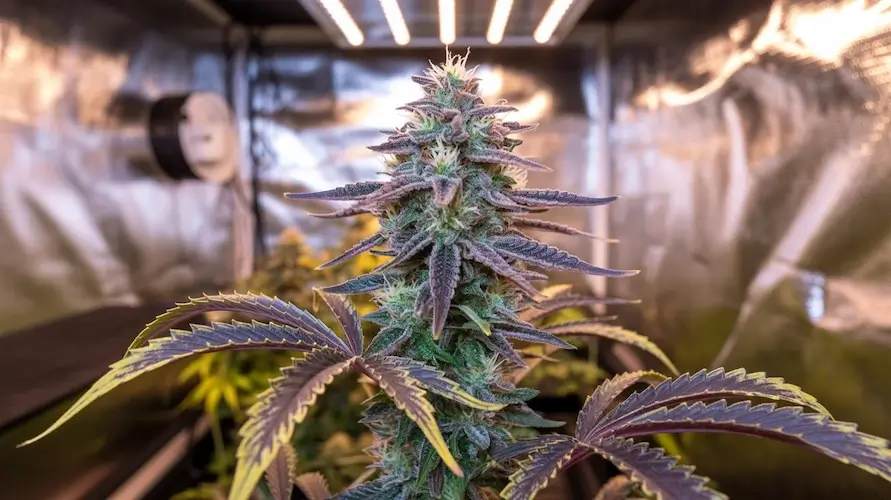
The debate between autoflower and photoperiod cannabis plants often depends on the grower’s goals.
Photoperiod plants offer greater control, larger yields, and easier cloning. They are often favored by commercial growers and experienced cultivators seeking maximum production.
Autoflower plants offer simplicity, speed, and flexibility. They are ideal for growers who want quick harvests or who face environmental limitations.
Rather than viewing one type as superior, it is more accurate to see them as tools suited to different growing strategies.
Tips for Growing Autoflower Cannabis Successfully
Growers who choose autoflower seeds can improve their results by following a few key strategies.
Start seeds in their final containers whenever possible. This prevents root disruption during transplanting.
Maintain consistent lighting schedules throughout the plant’s life cycle. Autoflowers thrive with long daily light periods.
Use moderate nutrient levels during early growth. Autoflower seedlings can be sensitive to overfeeding.
Focus on environmental stability. Because autoflowers grow quickly, maintaining steady temperature, humidity, and light conditions helps prevent stress.
Finally, choose high-quality genetics from reputable seed banks.
Choosing the Right Autoflower Seeds
Not all autoflower strains are created equal. Modern breeders produce a wide range of autoflower genetics with varying effects, flavors, and growth characteristics.
When selecting autoflower seeds, consider:
-
Desired potency
-
Flowering time
-
Plant height
-
Flavor profile
-
Climate compatibility
Choosing the right strain for your growing environment significantly increases your chances of success.
That’s why Seeds Here Now carries a wide variety of premium autoflower seeds, sourced from top breeders known for quality and stability. Whether you’re growing indoors, outdoors, or in limited spaces, our selection helps ensure you start with reliable genetics.
Are Autoflower Seeds Worth It?
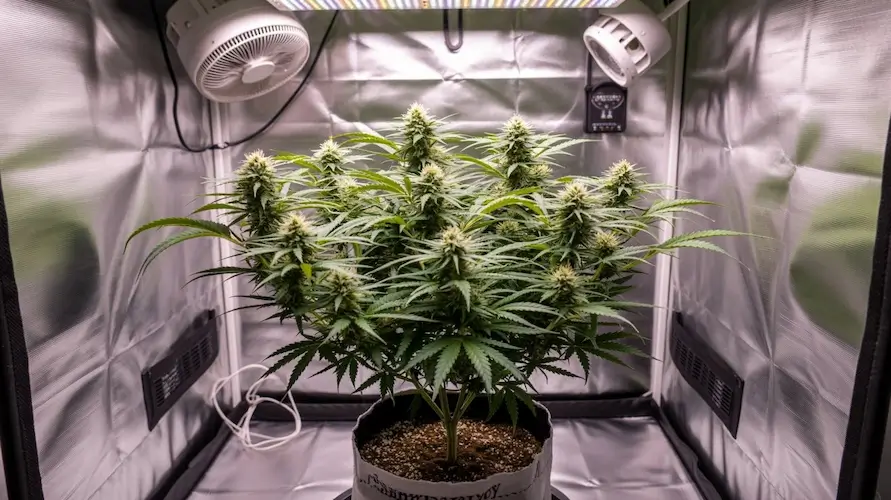
Autoflower cannabis seeds have come a long way from their early beginnings. Modern varieties offer impressive potency, flavorful terpene profiles, and rapid harvest cycles, appealing to many growers.
They may not replace photoperiod strains for every situation, but they fill an important role in the cannabis cultivation world. For growers seeking speed, simplicity, and resilience, autoflower seeds can be an excellent option.
The key is understanding their strengths and limitations so you can choose the right genetics for your grow.
Conclusion
Understanding the pros and cons of autoflower cannabis seeds is essential before deciding whether they are right for your cultivation goals. Autoflowers offer faster harvests, simplified lighting schedules, and strong resilience in challenging climates. At the same time, they offer less control over plant size and generally yield less than photoperiod strains.
For many growers—especially beginners or those with short outdoor seasons—autoflower plants provide an accessible and efficient way to cultivate cannabis. With modern breeding improvements, today’s autoflower genetics deliver impressive quality and potency.
If you’re ready to explore autoflower cultivation, Seeds Here Now offers a wide variety of premium autoflower cannabis seeds from some of the best breeders in the industry, helping growers start with reliable genetics and achieve successful harvests.
Frequently Asked Questions About Autoflower Cannabis Seeds
What are autoflower cannabis seeds?
Autoflower cannabis seeds produce plants that automatically transition from the vegetative stage to the flowering stage based on age rather than changes in light cycles. Unlike photoperiod plants, autoflowers do not require a switch to a 12/12 light schedule to begin flowering.
This trait comes from Cannabis ruderalis genetics, which evolved in regions with short summers and long daylight hours.
How long do autoflower plants take to grow?
Most autoflower cannabis plants complete their entire lifecycle in 8 to 12 weeks from seed. Some fast strains may finish in as little as 70 days, while larger autoflower varieties may take slightly longer.
Because of this rapid timeline, many growers can achieve multiple harvests per year.
Are autoflower seeds good for beginners?
Yes, autoflower seeds are often recommended for beginners because they are generally easier to manage than photoperiod plants. They do not require strict light cycle adjustments and tend to be resilient in a variety of growing conditions.
However, growers must still be careful during the early stages because autoflowers have a fixed growth timeline and may not recover from early stress.
Do autoflower plants produce less THC?
Not necessarily. Earlier autoflower strains were known for lower potency, but modern breeding has significantly improved cannabinoid production.
Today, many autoflower strains produce THC levels of 20% or higher, making them comparable to many photoperiod strains.
Can autoflower plants be cloned?
Autoflower plants generally cannot be cloned successfully. Because they flower based on age rather than light cycles, clones taken from autoflower plants continue following the same biological timeline as the parent plant.
This often results in small clones that begin flowering almost immediately.
How big do autoflower plants get?
Most autoflower plants grow between two and four feet tall, depending on the strain and growing conditions. Their compact size makes them ideal for:
-
Small grow tents
-
Balconies and patios
-
Stealth outdoor gardens
Some larger autoflower varieties can grow taller if given optimal conditions.
What light schedule is best for autoflowers?
Autoflower plants can grow under a consistent light schedule throughout their lifecycle. Many indoor growers use:
-
18 hours of light / 6 hours of darkness
-
20 hours of light / 4 hours of darkness
Some growers even run 24 hours of light, though many cultivators prefer giving plants a short dark period for optimal growth.
Are autoflower seeds good for outdoor growing?
Yes, autoflower seeds are excellent for outdoor growing, especially in regions with short summers. Because they flower automatically, they can finish before fall weather or frost becomes a problem.
In some climates, growers can harvest two or even three outdoor autoflower crops in a single season.
Should autoflower seeds be started in their final container?
Many growers prefer starting autoflower seeds directly in their final container to avoid transplant shock. Because the plant has a limited vegetative period, transplant stress can reduce final plant size.
Using a final container from the beginning helps maximize root development.
Where can I buy high-quality autoflower cannabis seeds?
High-quality genetics are essential for successful cultivation. Seeds Here Now offers a wide variety of premium autoflower cannabis seeds, sourced from top breeders known for stability, potency, and excellent terpene profiles.
Whether you’re growing indoors or outdoors, starting with reliable autoflower genetics helps ensure a successful harvest.
Suggested Articles
 23 Mar 2026
  7 min read

;)
;)
;)
 March 05, 2026


RESPONSES (0)
No responses yet. Be the first to respond!