


Male vs. Female Cannabis Plants: Key Differences
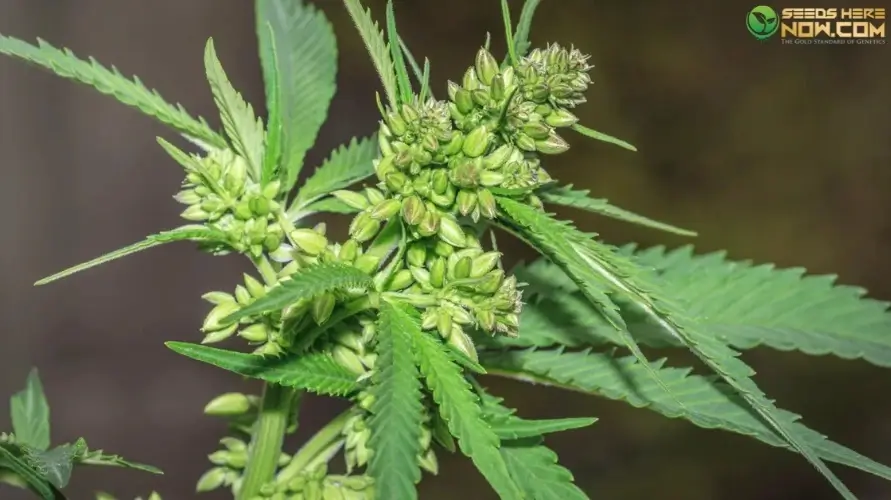
Did you know that growing cannabis from regular seeds results in only 50% female plants? This illustrates the importance of identifying the correct plant gender. To grow cannabis well, you must know the differences between male vs. female cannabis plants.
Cannabis plants are easily identifiable due to their distinct male and female characteristics. This plays a significant role in how they reproduce and are cultivated. Female plants are loved for their THC-rich buds. But male plants have a vital role in breeding.
Knowing how to tell male from female cannabis plants is key to success. Being able to spot them early allows farmers to use their space and time more effectively. Female plants, which create the valuable buds, need focus. If male plants aren’t identified and dealt with early, they can affect the whole harvest.
Key Takeaways
- Female cannabis plants produce THC-rich buds
- Male plants are essential for breeding and genetic diversity
- Early gender identification is crucial for successful cultivation
- Regular seeds have a 50/50 chance of producing female plants
- Male pre-flowers appear earlier than female pre-flowers
- Stress can lead to hermaphroditic plants, affecting crop quality
Understanding Cannabis Plant Biology
Cannabis plants are special in the plant world. They are part of a small group that includes both male and female plants. This makes them unique. Most other plants are either male or female. This difference is significant for how cannabis plants reproduce and are grown.
Dioecious Nature of Cannabis
Cannabis is one of the few plants with separate male and female versions. Only 5% to 6% of all plants with flowers are like this. This unique feature means that growing and breeding cannabis is different from many other plants.
- Male plants develop pollen sacs.
- Female plants produce resin-rich flowers (buds)
- Each plant type has distinct growth patterns and uses
Cannabis Reproduction Process
In cannabis, pollen from male plants is transferred to females for reproduction. Male plants show their gender earlier. This is crucial for seed production and the overall health of the plant population.
When female plants don’t get pollen, they make more buds. These buds have a lot of cannabinoids, which are what many people look for in cannabis products.
Importance of Plant Sex in Cultivation
Knowing plant sex is key to growing cannabis well. It’s essential to remove male plants early to stop them from pollinating the females. This way, we get healthier plants without seeds, and they’re full of the stuff people want.
- Male plants are key for making new plants and keeping certain traits
- Female plants are valuable for their quality buds
- Separating plants makes sure we get seedless, top-quality buds
Learning about cannabis plant biology helps make farming more efficient and produces top-notch products. For any use, whether medical, recreational, or industrial, understanding the differences between male and female plants is crucial for success in the business.
Characteristics of Male Cannabis Plants
Male cannabis plants are key in creating new strains, but are often left out. It’s crucial to know their traits. This helps in both growing and breeding.
Physical Attributes
Male plants look different from females. They have:
- Thicker, sturdier stalks to support their height
- Sparse foliage compared to females
- Taller stature, often growing faster than females
- Wider spacing between nodes
Growth Patterns
Male plants grow differently from females, too. Their growth is:
- Faster vertical growth, reaching maturity quicker
- Less bushy appearance due to fewer leaves
- Sexual maturity occurs 7-10 days earlier indoors and 3 weeks earlier outdoors
Pollen Production
They mainly make pollen for breeding. Here’s how they do it:
- Pollen sacs develop in clusters resembling small “balls”
- The flowering period lasts about 3 weeks
- Sacs burst open to release pollen when mature
| Characteristic | Male Plants | Female Plants |
|---|---|---|
| Stalk Thickness | Thicker | Thinner |
| Height | Taller | Shorter |
| Leaf Density | Sparse | Dense |
| Flowering Time | Earlier | Later |
Male cannabis plants are vital for breeding, but are often cut out. This is to avoid female plants getting pollinated. Growers need to watch out and remove males early. This helps female plants make more THC.
Female Cannabis Plant Features
Female cannabis plants stand out in the industry. They are key in producing high-quality buds full of THC and other essential compounds. This is unlike the male plants, which are not as prized for their yield.
The features that distinguish female cannabis plants include:
- Slender stalks with abundant leaves
- Shorter and bushier growth pattern
- Fine, translucent hairs in white or orange
- V-shaped pistils protected by a calyx
During the growing process, around three weeks after flowering, female plants begin to exhibit their gender. This is very important for growers. They need to spot and remove male plants to avoid unwanted fertilization.
The significant trait of female cannabis plants is their resin-packed buds. These buds are rich in cannabinoids and terpenes. They are perfect for both medical and fun uses.
“Female cannabis plants are the cornerstone of the industry, producing the potent buds that consumers seek.”
Let’s look at the main differences between male and female cannabis plants:
| Feature | Female Plants | Male Plants |
|---|---|---|
| Bud Production | Yes | No |
| THC Content | High | Low |
| Height | Shorter | Taller |
| Leaf Density | Abundant | Sparse |
| Primary Use | Harvest | Breeding |
Growers choose feminized seeds for top results. These seeds ensure all female plants in their gardens. This strategy helps produce more THC-laden buds and avoids dealing with male plants.
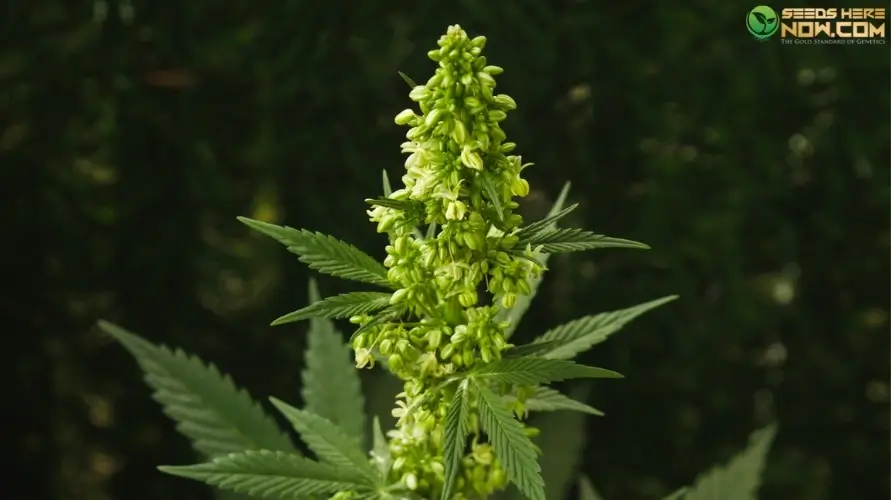
Male vs. Female Cannabis Plants: Identifying Pre-Flowers
Learning to find cannabis pre-flowers early is very important for growers. It is a vital step in efficient plant care. We will review the timeline, key considerations, and common mistakes to avoid when verifying plant genders.
Timeline for Pre-Flower Development
After about 3-6 weeks from planting, cannabis plants start showing their sex. Males show their pre-flowers first, usually between weeks 3 and 4. Females follow a bit later, typically between weeks 4 and 6.
Visual Cues for Gender Identification
Finding cannabis pre-flowers needs a careful eye. Here’s how you can tell them apart:
- Look for small, round pollen sacs on male plants. They often look like tiny bananas.
- Check for calyxes with two white hairs on female plants. These hairs are stigmas and are longer and narrower than male stigmas.
Now, let’s compare the main differences between male and female pre-flowers:
| Characteristic | Male Plants | Female Plants |
|---|---|---|
| Pre-flower Shape | Round, ball-like | Teardrop, with protruding hairs |
| Stem Thickness | Thicker | Thinner |
| Growth Pattern | Taller, fewer branches | Bushier, more branches |
Common Mistakes in Early Sexing
Identifying plant genders can be hard, especially for beginners. Here are common mistakes:
- Misidentifying underdeveloped pre-flowers
- Thinking that plant stress signs are gender hints
- Not waiting enough – patience helps in good identification
Practice and patience are the keys to getting better at spotting pre-flowers. If you’re unsure, wait a bit longer before making a decision. Time and effort will make you a pro at recognizing cannabis pre-flowers.
The Role of Male Plants in Cannabis Breeding
Male cannabis plants are vital in creating new strains. They add essential genetic traits. Despite their low THC content, they are crucial for creating hybrids and maintaining the plant’s gene pool diversity.
For breeding new cannabis strains, males are needed to make pollen. This pollen fertilizes female plants. It leads to seeds with fresh genetics. Breeders pick males with the best traits to pass on.
Males start making pollen 2 to 3 weeks into flowering. This period is crucial for planning breeding. By week 3 to 5, separating males allows for efficient pollen gathering.
Benefits of Male Cannabis Plants
- Genetic diversity: Males contribute to creating new hybrid strains
- Pest resistance: Terpenes in males can repel insects
- Soil improvement: Taproots enhance nutrient absorption and prevent erosion
- Textile production: Males produce softer fibers ideal for clothing
- Concentrate production: Leaves and stems can be used for cannabis-infused products
While female plants are known for their buds, males offer exceptional benefits. Their pollen is crucial for making seeds. It helps enhance plant traits like mold resistance or resin production.
“Male cannabis plants are the unsung heroes of breeding programs, providing half the genetic material for creating diverse and resilient strains.”
Breeding cannabis demands carefully choosing and collecting pollen from males. Breeders must keep males apart to control the use of pollen. This way, they can develop specific genetic mixes for new cannabis types.
Importance of Female Plants in Cannabis Production
Female plants are crucial for top-quality cannabis. They create buds full of THC and valuable compounds. It’s vital to know how to care for them to grow great cannabis.
Bud Development and THC Content
Females are special for their THC-rich buds. Their buds shine with cannabinoids, terpenes, and flavonoids. Because of this, female plants are most important for strong cannabis products.
- Female plants start showing “pre-flowers” around four weeks
- Buds develop in various colors, including green, blue, and purple
- Trichomes on female plants release protective resin
Sinsemilla Cultivation Techniques
Sinsemilla is a special way to grow cannabis with high potency and quality. It prevents female plants from producing seeds by preventing them from being pollinated. This way, they make more of what we love: resin and cannabinoids.
To grow sinsemilla successfully, follow these steps:
- Remove male plants to stop pollination
- Grow from feminized seeds or clones for all females
- Watch over your plants to avoid stress problems
Harvesting and Processing Female Plants
Harvesting correctly is crucial for achieving the highest THC levels and optimal flavors. Knowing when to pick relies on the colors of the trichomes and pistils. Caring for your plants at this time is crucial.
The drying and curing steps improve the flavor and quality of the buds. Controlling moisture and temperature carefully is a must. This way, you get the best outcomes.
“Female marijuana plants are valued for their high THC buds.”
By focusing on females and using the proper methods, growers can raise their cannabis game. They can get top-quality, potent stuff.
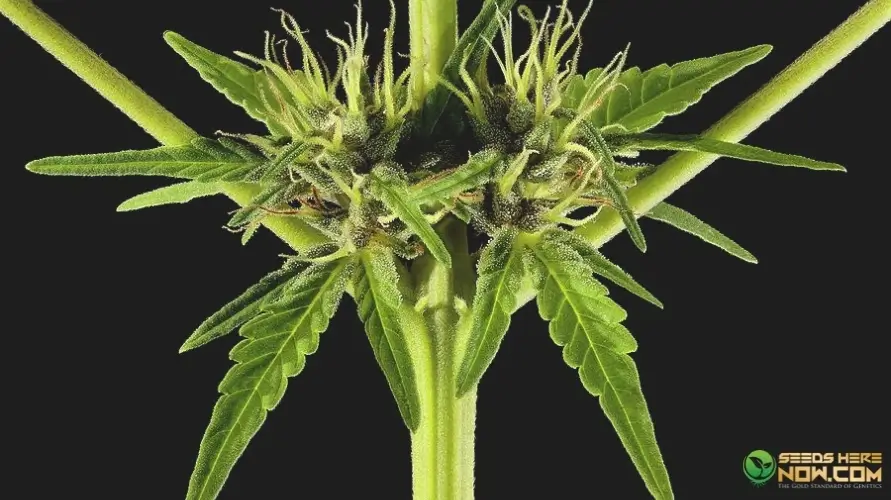
Hermaphroditic Cannabis Plants: Causes and Management
Hermaphrodite cannabis plants pose a special challenge for growers. They exhibit both male and female characteristics, often due to stress or genetic issues. Knowing how to handle these plants is key to a good harvest.
Genes also affect whether a plant becomes hermaphroditic. Some plant types are more likely to do this. Seeds from these plants often produce more hermaphroditic plants, which is undesirable for future crops.
Many things in the environment can push a plant to become hermaphroditic. These include:
- Changes in light periods
- High heat
- Bad weather
- Being touched a lot
- Light getting through during dark times
- Lack of nutrients
- Use of strong chemicals or pesticides
Spotting the issue early is essential. Look for pollen sacs with female buds. If you see this, experts suggest removing the male part or picking the plant before it produces pollen.
For hermaphroditism, prevention works best. To avoid it, do the following:
- Choose seeds from good seed banks
- Keep the growing conditions perfect
- Try not to stress the plants when they flower
- Watch your plants closely as they grow
- Get better at watering them properly
It’s essential to note that hermaphrodite plants produce less pure and less potent flowers. They can also pollinate themselves or other nearby plants, which can ruin their quality.
“Prevention is better than cure when it comes to hermaphroditic cannabis. Careful strain selection and stress management are your best tools.”
By understanding the reasons behind these plants and applying the proper management techniques, growers can address the issues and maintain healthy, top-quality crops.
Optimizing Cultivation Based on Plant Gender
To grow cannabis well, you must understand the differences between male and female plants. It’s essential to keep male and female plants separate to prevent the production of unwanted seeds. Early spotting of plant gender, within the first 1-3 weeks, is key. This early check can make things easier and cheaper for growers.
Separating Male and Female Plants
Female cannabis plants stand out because they produce big, strong flowers. However, they need to be kept away from male plants to prevent pollination. Some large growers test plants early to determine their gender. This special test can be performed in-house for less than $5 per plant. It costs a bit more, $10 to $15 per plant, if you send it to a lab.
Nutrient Requirements for Each Gender
Nutrition is essential for growing cannabis. Female plants need more phosphorus and potassium as they flower. This helps their buds grow big and strong. Males need less food overall. By giving each the proper nutrients, their health and yield can be improved.
Pruning and Training Techniques
Training techniques are used to get more yield and control the plant’s shape. For females, growers employ methods such as topping and LST. SCROG is also favored. These help spread the light evenly and ensure buds grow well. Using these techniques increases yield without requiring additional space.
FAQs
What is the difference between male vs. female cannabis plants?
Male cannabis plants make pollen sacs. Female plants produce resinous buds rich in cannabinoids. For growing, females are chosen because they offer higher THC and more buds.
Why is it important to distinguish between male and female cannabis plants?
It is key to know the sex of plants for good growth. This prevents unwanted pollination, maintains high bud quality, and impacts how you feed and care for the plants.
How can I identify male cannabis plants?
Male plants are typically taller and have fewer leaves than female plants. They make green and white pollen sacs. They have larger spaces between their joints and grow more rapidly.
What are the key characteristics of female cannabis plants?
Females have slender stalks with plentiful leaves. They bear resinous buds and have pistils. They are bushier and shorter, especially in the early stages of growth.
When can I identify the sex of cannabis plants?
Sex becomes visible three to six weeks after planting. Males typically show their sex earlier, while females show theirs a bit later. Look for pollen sacs and white hairs.
What is the role of male plants in cannabis breeding?
Males are vital for making new strains. They contribute half of their genes to the offspring. They help breed for traits such as mold resistance and increased resin content.
Why are female plants so crucial for cannabis production?
Female plants are crucial for growing plants for sale. They don’t scare pollination away, helping them produce potent buds. This leads to better quality products.
What are hermaphroditic cannabis plants, and how are they managed?
Hermaphrodites possess both male and female reproductive organs. Stress or genetic problems can cause this. They should be removed quickly to prevent seeds from spreading.
Keep the growing area just right and choose strong seeds to prevent this from happening.
How do nutrient requirements differ between male and female cannabis plants?
Females need more phosphorus and potassium as they bloom. Males don’t need as many nutrients. Feeding them differently helps both grow well.
Suggested Articles
 16 Jan 2026
  7 min read

;)
;)
;)
 December 02, 2025


RESPONSES (0)
No responses yet. Be the first to respond!