


How to Store Weed: Best Methods to Keep Cannabis Fresh [2026]
You spent real money on those seeds. You researched the genetics, picked your strains carefully, and now you have beans sitting in a pack. The last thing you want to do is store them wrong and find out at germination time that you’re planting dead seeds.
Here’s how to store weed seeds — and cannabis flower — the right way. This covers everything from short-term storage between grows to long-term seed banking for collectors holding genetics for years. No filler, no generic advice you’ve heard before. Just what actually works.
Why Cannabis Storage Matters More Than Most People Think
Cannabis degrades when exposed to the wrong conditions. THC converts to CBN over time — less potency, more sedating, fundamentally different experience. Terpenes — the compounds responsible for flavor, aroma, and entourage effects — evaporate. Seeds lose viability. Mold finds moisture and destroys everything you’ve worked for.
The enemies are four: heat, light, humidity, and oxygen. Control those four things and your cannabis — whether flower, seeds, or concentrates — stays in optimal condition for months or years. Miss any of them and the clock speeds up dramatically.
How to Store Cannabis Flower the Right Way
1. Use Airtight Glass Jars — Not Plastic
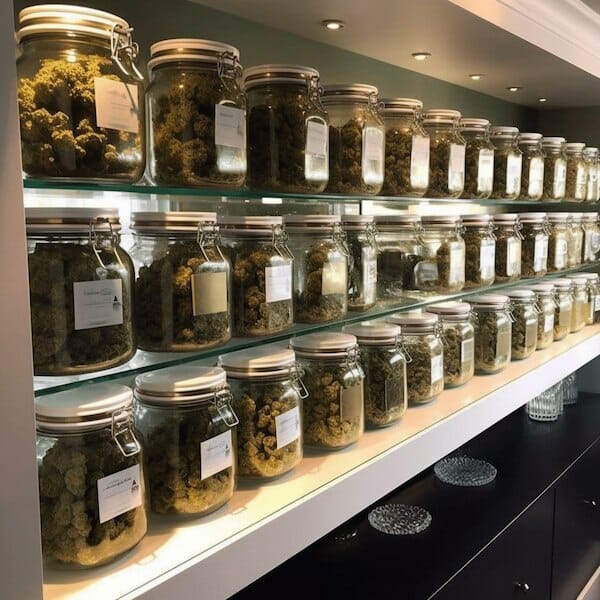
Glass is the gold standard for cannabis storage. Airtight glass jars (mason jars work perfectly) don’t interact chemically with your cannabis, don’t produce the static charge that plastic bags create — which pulls trichomes off your buds and destroys potency — and maintain a stable internal environment that plastic simply can’t match.
The size of the jar matters. You want a container that’s roughly the right size for the amount you’re storing. Too much air space above the flower means excess oxygen accelerating degradation. Fill your jars appropriately, or use multiple smaller jars if needed.
2. Keep It Cool and Dark
Heat is potency’s enemy. Temperatures above 77°F (25°C) begin to accelerate THC degradation. Temperatures above 85°F (29°C) can also facilitate mold growth, particularly in any flower that wasn’t perfectly dried before storage.
Light — specifically UV light — breaks down cannabinoids and terpenes at the molecular level. Dark storage isn’t optional. A drawer, cabinet, or dedicated cannabis storage box keeps light out. Avoid windowsills, countertops near windows, and anywhere that gets direct sun exposure.
The ideal storage temperature for cannabis flower is between 59–63°F (15–17°C). A cool basement, a dark cabinet in a climate-controlled room, or a dedicated wine fridge set appropriately all work. Don’t store in a regular fridge — the humidity fluctuations as you open and close the door are damaging.
3. Control Humidity with Humidity Packs
The sweet spot for cannabis flower storage is 58–62% relative humidity (RH). Below 55% and your buds start to dry out — terpenes evaporate, the smoke becomes harsh, and potency drops faster than it should. Above 65% and you’re inviting mold.
Boveda and Integra Boost packs are the practical solution. Drop one in your jar, sealed with your cannabis, and it maintains the RH at the target level automatically — absorbing moisture when it’s too high, releasing it when it’s too low. This is not a luxury. For any flower you’re storing longer than a few weeks, humidity packs are essential.
4. Keep Strains Separate
Each cannabis strain has a distinct terpene profile — the compounds that give it its characteristic aroma and flavor. Storing different strains together in the same container lets those terpene profiles intermix. The result is a muddled, less interesting product that loses the individual character of each strain.
Label your jars. Date them when you seal them. Separate strains completely. If you’re holding multiple cultivars, the marginal cost of an extra mason jar is nothing compared to preserving the integrity of genetics you paid good money for.
How to Store Cannabis Seeds Long-Term
Seeds are more vulnerable than cured flower in some ways and more durable in others. They can survive in proper conditions for years — some seed banks maintain viable genetics for decades. But improper storage kills viability within months.
Keep Them Cool, Dark, and Dry
Seeds don’t need humidity packs — in fact, excess humidity is the enemy of seed viability. The moisture content of a cannabis seed at storage should be around 3–7%. Too much moisture triggers premature germination or fungal growth. Too little and the seed desiccates.
The ideal seed storage conditions: 40–50% RH, 32–41°F (0–5°C). A dedicated seed fridge — separate from your food fridge, with a stable temperature — is the best long-term option. For shorter-term storage (under a year), a cool, dark drawer or cabinet at room temperature works if your climate isn’t extreme.
Leave Them in the Sealed Breeder Pack
If you bought your seeds from a reputable USA seed bank like Seeds Here Now, they came in sealed breeder packs. Those packs are designed for protection. Don’t open them until you’re ready to germinate. Once the seal is broken, your seeds are exposed to ambient humidity and light.
If you’ve already opened a pack and have leftover seeds, store them in a small, labeled, airtight container (a small glass vial or dedicated seed storage container works well) with a silica gel pack to control moisture. Date and label everything.
The Fridge vs. The Freezer Question
The fridge is fine for short-to-medium term storage (up to a year). The freezer is a legitimate long-term option, but requires more discipline. Frozen seeds must be fully thawed before any exposure to moisture — pulling a seed out of the freezer and immediately exposing it to room humidity causes condensation damage. Let frozen seeds come to room temperature in their sealed container before opening.
For most home growers and collectors, a dedicated seed fridge at 36–41°F is the safest and most practical solution. Saves you from freezer-thaw errors and keeps your seeds in a single, organized location.
What Destroys Cannabis Storage: The Worst Mistakes
Plastic bags and zip bags: Static electricity pulls trichomes directly off buds and damages seed coatings. No exceptions. Use glass.
Storing near electronics or appliances: Heat sources — televisions, routers, refrigerator compressors — raise ambient temperature and fluctuate. Keep your stash away from all heat-generating equipment.
Storing in the bathroom: Temperature and humidity in bathrooms fluctuate dramatically with shower use. One of the worst possible environments for cannabis storage.
Tobacco tins and aluminum containers: Metal alters the flavor of cannabis over time and doesn’t provide a reliable humidity seal. Avoid.
Vacuum sealing without care: Vacuum sealing works for long-term storage but crushes buds if done carelessly and can damage trichomes. If you vacuum seal, use a gentle setting and make sure flower is fully cured before sealing.
Mixing weed with tobacco or other herbs: The terpene profiles transfer. You’ll end up with cannabis that smells and tastes like whatever you stored it with.
Building a Proper Cannabis Storage System
For most home growers, a practical cannabis storage system looks like this:
- Multiple appropriately sized airtight glass jars, labeled by strain and date
- Boveda 62% packs in each jar with flower
- A cool, dark cabinet or drawer (59–65°F)
- A dedicated small fridge or cool drawer for seed storage
- Silica gel packs or desiccant in seed storage containers
That’s it. The expensive part is the flower and seeds. The storage system costs almost nothing and pays for itself the first time it prevents a crop loss or a bad germination.
If you want to level up your grow operation from seed selection through harvest and storage, read our complete cannabis grow guide. And if you’re building your seed collection, our free seeds program and weekly deals at Seeds Here Now are the most efficient way to build inventory without overspending. Every pack ships sealed in breeder packaging, protected for your storage system the moment it arrives.
Your seeds are only as good as the conditions you keep them in. Treat them like the genetics they are.
Frequently Asked Questions About Cannabis Storage
How long can you store cannabis seeds?
With proper storage — cool temperatures (35–41°F), stable low humidity (40–50% RH), and dark conditions — cannabis seeds can remain viable for 5+ years. Some collectors report successful germination from seeds stored properly for 10 years or more. The keys are stable temperature, controlled humidity, and protection from light and oxygen.
Can you store weed in a plastic bag?
You shouldn’t. Plastic bags generate static electricity that pulls trichomes off buds and damages the resin glands responsible for potency and flavor. They also don’t maintain humidity properly. Use airtight glass jars instead — they’re inexpensive, easy to find, and significantly better for cannabis in every measurable way.
Should cannabis be stored in the fridge or freezer?
A cool, consistent fridge temperature works well for both flower and seeds. The freezer is a legitimate option for long-term seed storage but requires careful thawing protocol — never expose frozen seeds to humidity before they’ve returned to room temperature. For flower, the fridge is better than the freezer because humidity fluctuations during freezing and thawing can cause trichome brittleness and moisture damage.
What humidity is best for storing cannabis flower?
58–62% relative humidity is the target range for cured cannabis flower. Below 55% and you lose terpenes to evaporation and dry out the buds. Above 65% and you risk mold. Boveda and Integra Boost humidity packs maintain this range automatically when used in sealed containers.
How do you know if stored cannabis has gone bad?
Signs of improperly stored cannabis include: visible mold (white, grey, or black fuzzy growth), musty or unpleasant smell, dry and crumbly texture with no trichome integrity, harsh and unpleasant taste when smoked or vaped, and severely diminished effects. If you see mold, don’t consume the product. If it smells off or tastes wrong, trust those indicators — degraded cannabis isn’t dangerous, but it’s also not worth your time.
Suggested Articles
 10 Apr 2026
  12 min read

;)
;)
;)
 May 23, 2023


RESPONSES (0)
No responses yet. Be the first to respond!