


How to Grow Autoflower Seeds Without Screwing It Up: The No-BS Guide from Seeds Here Now
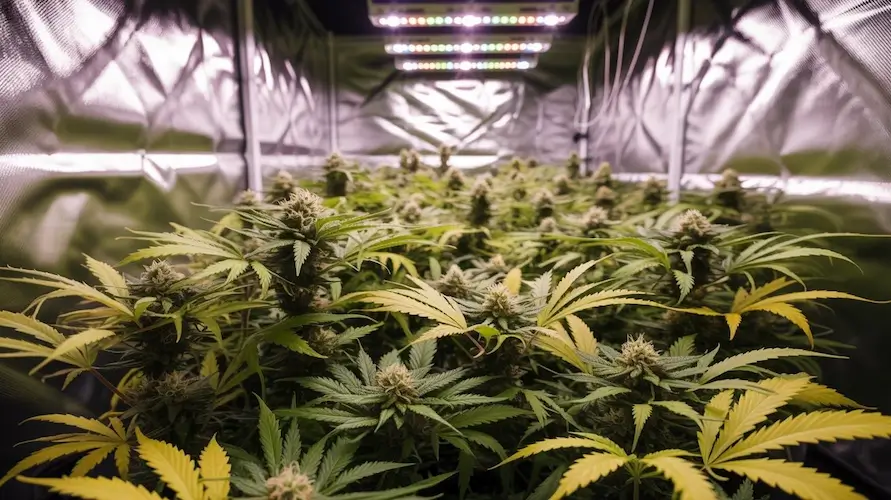
Autoflower cannabis seeds have revolutionized the way home growers and commercial cultivators produce high-quality cannabis in record time. Unlike traditional photoperiod plants, autoflowers transition from the vegetative to flowering stage automatically, making them perfect for beginners and pros alike.
If you’re wondering how to grow autoflower seeds successfully—from germination to harvest—this comprehensive guide covers everything you need to know.
What Are Autoflower Seeds?
Autoflowering seeds are bred with genetics from cannabis ruderalis, a hardy subspecies native to Central and Eastern Europe. Unlike photoperiod plants, which rely on changes in light cycles to trigger flowering, autoflowers begin flowering based on age, typically around three to four weeks after germination.
This means they can grow under a consistent 18 to 24 hours of light, regardless of season, and usually finish in eight to 12 weeks total. Autoflower seeds are ideal for fast harvests, stealth grows, or regions with short outdoor growing seasons.
Benefits of Growing Autoflower Seeds
-
Faster Harvests: Many autoflowers are ready to harvest in as little as 70 days from seed to bud.
-
Simplified Light Management: No need to change light schedules; just keep lights on and let the plants do their thing.
-
Compact Size: Perfect for small spaces or discreet growing setups.
-
Resilient Genetics: Autoflowers are naturally resistant to pests, mold, and cold weather.
-
Multiple Harvests Per Season: Outdoors, you can grow several rounds per year in the right climate.
These traits make autoflowers a great entry point for new growers learning how to grow autoflower seeds efficiently and successfully.
How To Germinate Autoflower Seeds
Germination is the first critical step. Autoflower seeds sprout quickly when given the right conditions.
Step 1: Soak the Seeds
Place your seeds in a cup of distilled or spring water for 12 to 24 hours. This softens the shell and activates growth.
Step 2: Paper Towel Method
Transfer soaked seeds to a damp paper towel, cover them, and store in a dark, warm area (70–85°F). Check daily and ensure the towel stays moist, not soaked.
Step 3: Transplant Carefully
Once you see a small taproot—about one-fourth inch long—plant the seed root-down directly into its final pot. Autoflowers don’t like transplanting stress, so starting them in their final container helps prevent shock.
Best Growing Medium for Autoflower Cannabis Seeds
Autoflowers thrive in light, well-aerated soil. Avoid dense, nutrient-heavy soils that can stunt growth.
Recommended mix:
-
40% coco coir
-
30% perlite
-
30% organic soil
For hydroponic or coco-based systems, use a mild nutrient solution formulated for autoflowers. The key is providing oxygen to the roots and maintaining proper drainage.
Best Lighting for Autoflowers
Lighting is one of the most important factors in learning how to grow autoflower seeds successfully.
Indoor Light Schedule
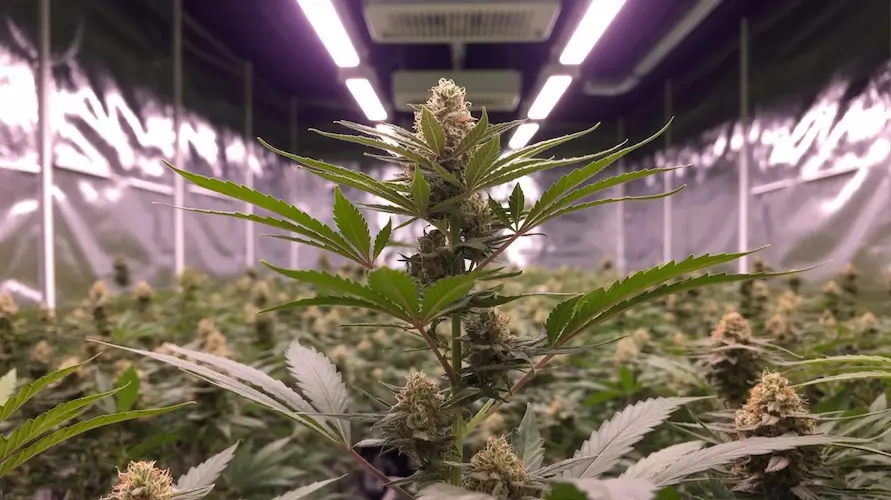
Autoflowers perform best with 18 to 20 hours of light daily and four to six hours of darkness. This balance encourages photosynthesis while allowing the plant to rest.
Light Intensity
LED grow lights are preferred for their efficiency and spectrum control. Aim for a PPFD (Photosynthetic Photon Flux Density) of 400 to 600 µmol/m²/s during the vegetative phase and 600 to 900 µmol/m²/s during flowering.
Outdoor Lighting
If growing outdoors, choose a location with at least six hours of direct sunlight daily. Autoflowers can handle partial shade but yield best in full sun.
Feeding and Nutrients
Autoflowers require fewer nutrients than photoperiod plants due to their compact size and rapid lifecycle. Overfeeding can easily cause nutrient burn.
Nutrient Guidelines:
-
Vegetative phase: Use a light nitrogen-rich formula.
-
Flowering phase: Transition to higher phosphorus and potassium levels.
-
pH levels: Maintain between 6.0 and 6.5 in soil, or 5.8 to 6.2 in hydro setups.
Always start with one-fourth strength nutrients and increase gradually. Autoflowers respond best to gentle feeding and consistent watering.
Watering Techniques
Because autoflowers grow quickly, proper watering is essential.
-
Avoid overwatering: Allow the top inch of soil to dry before watering again.
-
Use clean water: Filtered or pH-balanced water ensures healthy root development.
-
Drainage is key: Pots with proper drainage holes prevent root rot.
A simple rule: It’s better to underwater slightly than to drown your plants.
Training Autoflowers for Maximum Yield
Unlike photoperiods, autoflowers don’t have time to recover from major stress. Use low-stress training (LST) techniques only.
-
Gently bend and tie branches to expose more bud sites to light.
-
Avoid topping or heavy defoliation; both can reduce yields.
-
Focus on optimizing light penetration and airflow.
With careful LST, you can increase yield by up to 30% without extending the grow time.
Flowering and Harvesting Autoflower Plants
Most autoflowering cannabis plants begin flowering by week three or four and are ready for harvest around week eight to 12.
Signs of Flowering:
-
Pistils (white hairs) appear at the nodes.
-
Growth slows as energy shifts to bud production.
-
Aromas intensify and resin begins to form.
When To Harvest:
-
Check trichomes under a magnifier.
-
Clear trichomes: Not ready.
-
Milky trichomes: Peak potency.
-
Amber trichomes: More sedative effects.
-
Harvest when about 70–80% of trichomes are cloudy for the perfect balance of potency and flavor.
Drying and Curing
Proper drying and curing preserve terpenes, potency, and smoothness.
-
Dry: Hang trimmed buds in a dark room at 60 to 65°F and 50% to 60% humidity for seven to 10 days.
-
Cure: Place dried buds in glass jars and open daily for air exchange. Continue for two to four weeks.
Patience during this stage ensures your autoflower cannabis delivers the best possible aroma and experience.
Common Mistakes To Avoid When Growing Autoflowers
-
Overfeeding or overwatering.
-
Transplanting multiple times. Autoflowers hate root disturbance.
-
Using incorrect light schedules. Avoid 12/12 lighting—it limits growth.
-
Neglecting pH balance. Incorrect pH locks out vital nutrients.
-
Harvesting too early. Wait until trichomes fully mature for optimal potency.
Avoiding these mistakes ensures healthy plants and generous yields.
Frequently Asked Questions About Growing Autoflower Seeds
How long does it take to grow autoflower seeds?
Most autoflower strains complete their lifecycle in eight to 12 weeks from germination to harvest. Some fast strains can finish in as little as 65 days, while larger varieties may take up to 13 weeks.
Do autoflower cannabis seeds need 12/12 light to flower?
No. Autoflowers do not require a 12/12 light cycle. They flower automatically based on age, not the light schedule. For optimal growth, keep them under 18 to 20 hours of light per day.
Can autoflowers be grown outdoors?
Yes. Autoflowers perform exceptionally well outdoors due to their resilience and short growing cycle. Just ensure they receive at least six hours of direct sunlight daily and are protected from extreme weather.
How much do autoflower cannabis plants yield?
Yields vary depending on genetics, light intensity, and grower skill. Indoors, expect one and a half to two and a half ounces per plant, while outdoor plants can produce three to six ounces or more in ideal conditions.
Should I use nutrients for autoflowers?
Yes, but in moderation. Autoflowers require lighter feeding than photoperiod strains. Use nutrient solutions at half or one-fourth strength and adjust based on the plant’s response.
Can I clone autoflower plants?
Technically, yes, but it’s not recommended. Autoflowers have a predetermined life cycle, so clones will be the same age as the mother plant, reducing yield and growth time.
Do autoflowers need darkness?
While autoflowers can grow under 24 hours of light, providing four to six hours of darkness daily helps the plant rest and conserve energy, often resulting in better yields and terpene production.
What is the best pot size for autoflowers?
Use pots between three and five gallons. This size allows healthy root development without excessive space, helping the plant maintain compact growth and strong structure.
How do I increase autoflower yields?
Maximize yields by maintaining consistent light exposure, proper feeding, low-stress training, and correct environmental conditions (70–85°F and 45–55% humidity).
Final Thoughts: Mastering How To Grow Autoflower Seeds
Learning how to grow autoflower seeds doesn’t require years of experience—just the right information, patience, and attention to detail. Autoflowers offer an exciting way to produce high-quality cannabis quickly, efficiently, and with minimal hassle.
By following this guide, you can confidently germinate, grow, and harvest your autoflowering plants, whether indoors or outdoors. Keep your environment stable, your soil light, and your lights bright—and your harvest will reward you with fast, potent, and aromatic buds.
Now that you know how to grow autoflower seeds, shop our complete collection of autoflower cannabis seeds at Seeds Here Now.
Seeds Here Now — Est. 2009
4,500+ Strains. 110 Breeders. Ships Discreet.
We grow them, test them, and stand behind every pack we sell. Shop the full collection at Seeds Here Now:
Suggested Articles

 11 Apr 2026
  15 min read
;)
;)
;)
 November 10, 2025


RESPONSES (0)
No responses yet. Be the first to respond!