


Unleash the Grape Gas Strain (OG Chem X Granddaddy Purple) X The Truth)

Look no further than the Grape Gas strain, the unique hybrid of OG Chem, Granddaddy Purple, and The Truth.
Crossed into: Gastro Pop, Glitter Bomb
Key Takeaways:
- It is a cross of OG Chem, Granddaddy Purple, and The Truth
- Grape Gas is known for its grape-like aroma and fuel-inspired flavor
Introduction to Grape Gas Strain
Not to be confused with the Grape Gasoline strain from Compound Genetics, Grape Gas is a result of crossing OG Chem, Granddaddy Purple, and The Truth. The resulting cultivar provides a distinct flavor that is unmatched by any other hybrid strains.
So let’s take a closer look at Grape Gas to discover what makes this strain so special.
Flavor and Aroma of the Grape Gas Strain
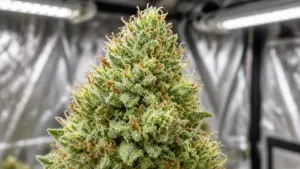
One of the most remarkable attributes of Grape Gas is its alluring aroma and rich terpene profile. This hybrid strain boasts a grape-like scent with a fuel-like undertone, creating an intriguing and complex aroma that is sure to tantalize the senses.
The flavor of Grape Gas is just as distinct and enjoyable. The grape flavor is noticeable throughout, accompanied by hints of diesel and spice.
The smell of the strain reminded me of a grape candy and fuel mixture that was truly a unique experience in itself. The flavor was an interesting combination of sour and fruity that was hard to describe but left me wanting more.
The aroma and flavor of Grape Gas are some of the most appealing qualities of this strain, making it a popular choice among cannabis enthusiasts who crave a unique sensory experience.
When it comes to THC content, Grape Gas is a powerhouse strain, often testing at around 20 to 25%.
This hybrid strain offers a well-rounded experience, making it a favorite among cannabis enthusiasts.
Summary
Its unique hybrid blend of OG Chem, Granddaddy Purple, and The Truth creates a well-rounded experience beloved by cannabis enthusiasts around the USA.
Growing the Grape Gas Strain
If you’re interested in cultivating the Grape Gas strain, we’ve got you covered. Growing this hybrid strain is not particularly difficult, but there are some key things you must know to ensure you get a bountiful harvest.
The first step in growing Grape Gas is to obtain high-quality seeds from a reputable seed bank. Read plenty of reviews before placing an order to ensure you get authentic genetics from a reliable source.
Once you have your seeds, it’s time to prepare the growing space. Grape Gas can be grown both indoors and outdoors, but it prefers warmer climates. If you’re growing indoors, be sure to use proper lighting and ventilation, as well as a high-quality soil mix.
If you’re growing outdoors, ensure that the plants get enough sunlight, water, and nutrients, and protect them from pests and harsh weather conditions.
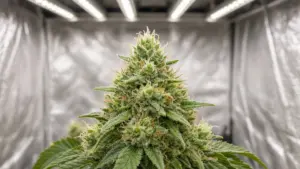
During the flowering stage, Grape Gas plants require about eight to nine weeks to mature. The buds will develop a rich purple hue and become resinous and sticky.
If you’re new to cannabis cultivation, we highly recommend researching and following a detailed growing guide to ensure the best results.
Tips for Growing Grape Gas
- Provide adequate lighting and ventilation for indoor growth
- Use a high-quality soil mix
- Ensure that outdoor plants get enough sunlight, water, and nutrients
- Protect plants from pests and harsh weather conditions
- Research and follow a detailed grow guide for the best results
History of the Grape Gas Strain
Have you ever wondered about the origins of Grape Gas? The story begins with the breeders at True Canna Genetics, who sought to create a strain that combined the best qualities of OG Chem and Granddaddy Purple. They achieved this by crossing the two strains and then breeding the resulting hybrid with The Truth, a indica strain.
The name “Grape Gas” is derived from the strain’s distinct aroma and flavor. The grape notes are prominent, but they are balanced by fuel-like undertones, creating a unique and intriguing taste.

Where to Find Grape Gas Seeds
Here is how Grape Gas and closely related lines appear in the Seeds Here Now catalog. Each listing names the breeder, so you know exactly whose genetics you are buying.
| Listing | Breeder | Type |
|---|---|---|
| Grape Gas #10 x White Runtz (Feminized) | Way2heady Selections | Feminized |
| Purple Valley Cooks (Regular) | True Canna Genetics | Regular |
| Chemonchello (Regular) | True Canna Genetics | Regular |
| Terp Zookie (Regular) | True Canna Genetics | Regular |
| Britney (Regular) | True Canna Genetics | Regular |
| Exodus Valley (Regular) | True Canna Genetics | Regular |
Pack sizes and releases change as breeders drop new batches, so open each listing for the current details.
Reading a Grape Gas Seed Pack Label
A breeder label usually shows the strain name, the breeder, the seed type and the seed count. Feminized packs are labelled as such, regular packs contain a natural mix of male and female seeds, and autoflower packs are marked “auto”. Many breeders also print the cross, for example “Parent A x Parent B”, plus a filial marker such as F1, F2, S1 or BX.
F1 means a first-generation cross of two distinct parents, S1 means seeds made from a single parent, and BX means a cross back to one of the original parents. When you compare Grape Gas packs, these markers tell you how close each release is to the original line.
Feminized, Regular or Auto: Choosing a Grape Gas Pack
Our catalog lists Grape Gas as feminized stock. Feminized seeds are bred to produce female plants, which keeps things simple when space is limited. Regular seeds produce males and females and remain the choice for anyone who wants to make their own crosses or keep a line going from seed. Autoflower versions flower on their own timeline regardless of light hours, which suits short outdoor seasons and quick indoor runs.
Match the seed type to your space, your season and how much time you have, then check the breeder’s notes on flowering time and plant size before you choose a Grape Gas pack.
How to Spot a Genuine Grape Gas Pack
Popular names get copied, and two packs called Grape Gas can come from completely different parents. Genuine breeder packs have consistent printing, a clear breeder name or logo and a sealed closure, and many carry a batch code or security sticker. Blurry artwork, misspelled names or loose seeds in a plain bag are warning signs.
The simplest protection is buying sealed packs from a seed bank that names the breeder on every listing, like the ones linked above.

Storing Grape Gas Seeds Until You Plant
Seeds stay viable longest when they are kept cool, dark and dry. Leave Grape Gas seeds in their sealed pack, place the pack in an airtight container with a food-safe desiccant packet, and store it somewhere with a steady temperature, such as a refrigerator shelf that is not opened constantly.
Label the container with the strain, breeder and the date you bought it. When you are ready to plant, let the container warm to room temperature before opening it so moisture does not condense on the seeds.
Comparing Grape Gas Releases From Different Breeders
When more than one breeder offers Grape Gas, compare the published cross, the filial marker, the seed type and the breeder’s notes on structure and flowering time. One breeder may work from an original cut while another builds a new cross that shares only part of the family tree.
Reading those details side by side helps you pick the release that best fits your space and goals instead of choosing on the name alone.

Germinating Grape Gas Seeds: A Simple Method
Most growers start Grape Gas seeds with the paper towel method. Place the seeds between two damp (not dripping) paper towels, set them on a plate under an upturned bowl, and keep them somewhere warm, around 70°F to 80°F. Check once a day and keep the towels moist.
Once a taproot appears, plant the seed about a quarter to half an inch deep in a light, airy starter medium with the root pointing down, and handle it as little as possible. Give the seedling gentle light as soon as it breaks the surface so it does not stretch.
Planning a Grape Gas Grow
Before you start, check the breeder’s notes for the version of Grape Gas you bought: seed type, expected flowering time and how large the plant tends to get. A feminized photoperiod plant flowers when you switch to 12 hours of darkness, while an autoflower follows its own timeline.
Match those details to your space, your light and your season. Keep a simple journal with the start date, medium, feeding and photos, so you can repeat what works the next time you run Grape Gas.
Grape Gas Strain Review: Conclusion
If you are interested in growing Grape Gas yourself, make sure to obtain high-quality seeds from the best USA seed banks. With the right growing conditions and cultivation methods, you can achieve a successful harvest.
Overall, Grape Gas is a strain worth trying for those who are looking for a powerful and unique cannabis experience. Unleash the power of Grape Gas and discover its potential for an elevated experience.
FAQ
What is the Grape Gas strain?
Grape Gas is a hybrid cannabis strain that is a cross between OG Chem, Granddaddy Purple, and The Truth.
How do I grow the Grape Gas strain?
To grow Grape Gas, you can obtain high-quality seeds from reputable USA seed banks. It requires specific growing conditions and cultivation methods. Tips for a successful harvest are also available.
Who created Grape Gas?
Grape Gas was developed by True Canna Genetics, who crossed OG Chem, Granddaddy Purple, and The Truth. The name and popularity of the strain have been embraced by the cannabis community.
Grow it yourself: Buy Grape Gas seeds at Seeds Here Now
Related strain reviews: Grape Stomper, Grape Pie, Grape Grenade
Related reading: Get to Know the Gas Face Strain, Discover the Pink Certz Strain, Sour Hebrew National Strain Insights & Review
Suggested Articles
 10 Nov 2026
 12 min read

;)
;)
;)
 November 19, 2023


RESPONSES (0)
No responses yet. Be the first to respond!