


Cannabis Ruderalis: The Wild Ancestor Transforming Modern Cannabis Breeding
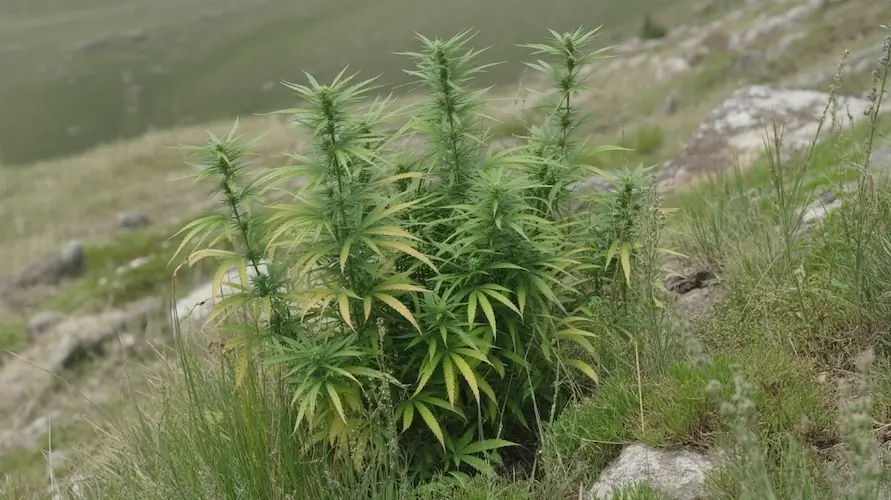
Cannabis ruderalis is the lesser-known third member of the cannabis family, standing alongside its more famous relatives, Cannabis sativa and Cannabis indica. While sativa and indica strains dominate dispensary shelves, ruderalis remains the unsung hero behind one of modern cannabis cultivation’s most significant innovations: autoflowering genetics.
This hardy plant has reshaped how growers cultivate cannabis worldwide, especially those seeking fast, resilient, and easy-to-grow plants. This comprehensive guide explores the origins, characteristics, and uses of Cannabis ruderalis, why it matters in breeding, and how it has revolutionized the cannabis industry.
What Is Cannabis ruderalis?
Cannabis ruderalis is a wild, low-THC subspecies of cannabis native to Central and Eastern Europe, Russia, and parts of Asia. The term “ruderalis” comes from the Latin word rudera, meaning “rubble” or “waste land,” referring to the plant’s ability to thrive in disturbed environments such as roadsides, fields, and rocky soils.
Unlike Cannabis sativa and Cannabis indica, ruderalis evolved in harsh northern climates with short growing seasons and limited sunlight. To adapt, it developed a unique ability: autoflowering. This means the plant flowers based on age rather than changes in light cycles, making it a game-changer for growers worldwide.
The Origins of Cannabis ruderalis
Early Discovery and Classification
Cannabis ruderalis was first classified by Russian botanist D. E. Janischewsky in 1924 after he observed distinct differences between wild Russian cannabis and cultivated hemp or marijuana. These plants were short, sturdy, and had a rapid life cycle. Though originally dismissed as “feral hemp,” later research confirmed that ruderalis was genetically distinct from both indica and sativa.
Evolution in Harsh Environments
Ruderalis’ origins trace back thousands of years, likely evolving from early cannabis varieties that adapted to extreme conditions in regions like Siberia and Kazakhstan. Its survival traits—cold tolerance, short stature, and rapid flowering—helped it persist where other varieties couldn’t.
Appearance and Growth Characteristics
Physical Traits
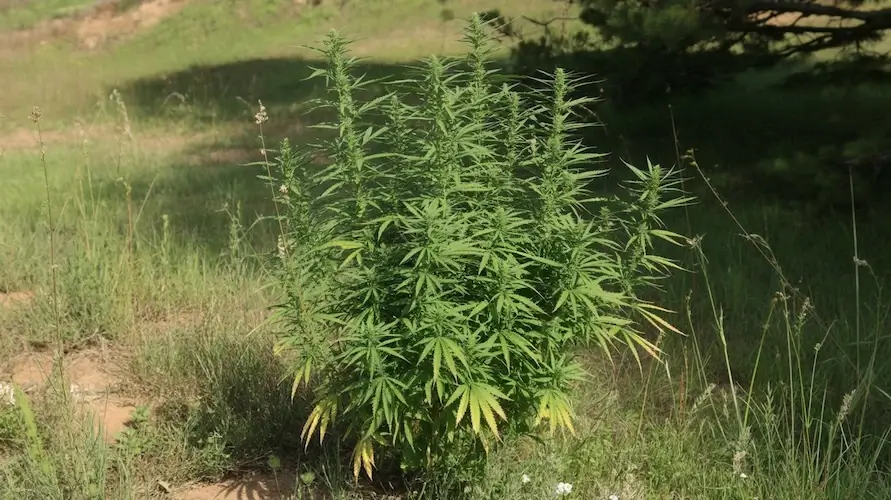
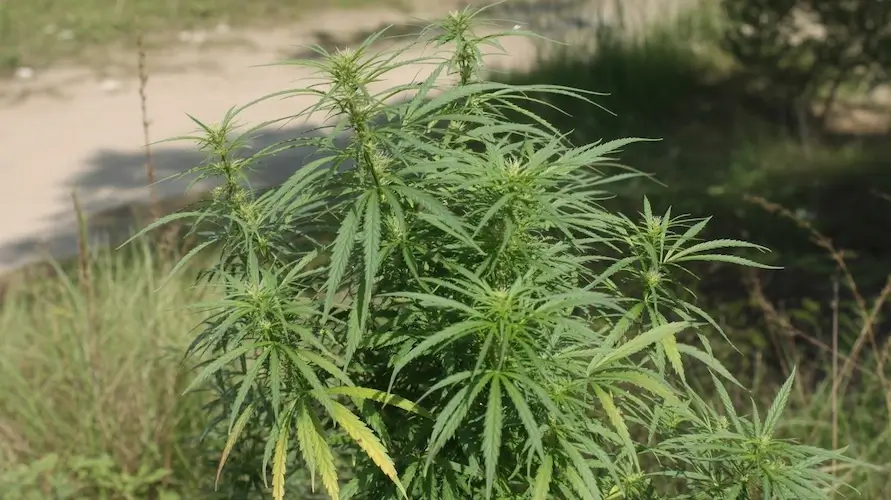
Ruderalis plants are small and stocky, typically reaching heights of only one to two feet. Their leaves are narrow but fewer in number compared with sativas, and their buds are compact yet resinous.
Key traits include:
-
Size: 12 to 24 inches tall on average
-
Life Cycle: 8 to 10 weeks from seed to harvest
-
Light Requirements: None for flowering; blooms automatically
-
THC Levels: Usually below 3%
-
CBD Potential: Often higher than THC, making it valuable for medicinal use
Because of its fast growth and resilience, Cannabis ruderalis has become a cornerstone of modern autoflowering hybrids.
Autoflowering: The Ruderalis Superpower
The most remarkable feature of Cannabis ruderalis is its ability to flower automatically. Traditional photoperiod strains rely on light cycles—usually 12 hours of light and 12 hours of darkness—to trigger flowering. Ruderalis, however, flowers after a set number of weeks, regardless of light exposure.
Benefits for Growers
This adaptation allows growers to cultivate cannabis in regions with inconsistent daylight or short growing seasons. It also enables multiple harvests per year and simplifies the growing process for beginners.
Autoflowering plants derived from ruderalis are compact, fast-growing, and perfect for indoor, outdoor, or balcony cultivation.
Cannabis ruderalis in Modern Breeding
Creating Autoflower Hybrids
Breeders quickly recognized ruderalis’ potential in the 1990s and began crossing it with high-THC indica and sativa strains to combine the best traits of all three subspecies. The result was the birth of autoflowering cannabis strains—plants that retain the potency and flavor of sativa or indica but with the fast-flowering, resilient nature of ruderalis.
Famous Ruderalis Hybrids
Some of the most popular autoflowering hybrids include:
-
Lowryder: The first commercial autoflower, bred from ruderalis and Northern Lights.
-
Auto AK-47: A potent and fast hybrid combining ruderalis with a classic sativa-dominant strain.
-
Girl Scout Cookies Auto: A high-THC autoflowering version of the legendary GSC strain.
These innovations have democratized cannabis cultivation, making it easier for anyone to produce quality buds with minimal space or equipment.
Ruderalis vs. Indica vs. Sativa
Each subspecies of cannabis offers distinct characteristics. Here’s how ruderalis compares:
| Feature | Cannabis sativa | Cannabis indica | Cannabis ruderalis |
|---|---|---|---|
| Origin | Equatorial regions | Mountainous regions (India, Afghanistan) | Northern Europe, Russia, Asia |
| Height | 5–20 feet | 2–6 feet | 1–2 feet |
| Flowering Trigger | Photoperiod | Photoperiod | Autoflowering |
| THC | High | Moderate to high | Low |
| CBD | Low | Moderate | High |
| Yield | High | High | Moderate |
| Growth Time | Long | Medium | Short |
Why Grow Ruderalis-Based Strains?
Ruderalis’ short stature and rapid flowering make it ideal for stealth grows, small spaces, and outdoor gardens in cooler climates.
Medicinal Uses of Cannabis ruderalis
While ruderalis lacks the psychoactive punch of THC-heavy strains, its naturally higher CBD content makes it valuable for medicinal purposes.
Therapeutic Benefits
CBD (cannabidiol) is known for its potential to:
-
Reduce inflammation and pain
-
Ease anxiety and depression
-
Control seizures and spasms
-
Support recovery and sleep
Because of these properties, ruderalis genetics have been incorporated into many medical cannabis strains, especially those designed for patients seeking symptom relief without intoxication.
How To Grow Cannabis ruderalis
Ruderalis and autoflowering hybrids are ideal for both beginners and experienced growers seeking efficiency.
Ideal Growing Conditions
-
Light: 18 to 24 hours of light daily during the entire growth cycle
-
Temperature: 68 to 77°F (20 to 25°C)
-
Soil: Light, well-draining medium rich in organic matter
-
Watering: Consistent moisture, avoiding waterlogging
-
Nutrients: Lower nitrogen needs compared with photoperiod plants
Training Tips
Since autoflowers cannot recover from topping or excessive pruning, low-stress training (LST) is recommended for better yields.
The Genetic Future of Cannabis ruderalis
Breeding and Biotechnology
Cannabis ruderalis continues to play an essential role in modern cannabis genetics. As researchers and seed companies explore genetic mapping and trait stabilization, ruderalis remains a critical component in creating faster, more adaptive, and disease-resistant strains.
Expanding Industrial and Medical Uses
With global legalization expanding, ruderalis genetics are being used to engineer hemp varieties for industrial and therapeutic purposes, emphasizing CBD production and climate resilience.
The Legacy of a Wild Survivor
Cannabis ruderalis may not offer the intense euphoria of sativa or the relaxing body buzz of indica, but its genetic contribution is invaluable. Its toughness, fast growth, and autoflowering ability have reshaped cannabis cultivation for small-scale growers and commercial producers alike.
In many ways, ruderalis embodies the future of cannabis—sustainable, adaptable, and accessible to everyone.
FAQs About Cannabis ruderalis
What Is Cannabis ruderalis Used For?
Cannabis ruderalis is primarily used in breeding autoflowering and CBD-rich strains. Its resilience and automatic flowering make it ideal for growers in harsh climates or those seeking fast harvests.
Does Cannabis ruderalis Get You High?
Pure ruderalis plants contain very low THC levels (usually below 3%), so they are not typically psychoactive. However, hybrids that include ruderalis genetics can be quite potent.
How Long Does Cannabis ruderalis Take To Grow?
Ruderalis completes its entire life cycle—from seed to harvest—in about 8 to 10 weeks, making it one of the fastest-growing cannabis types.
Can You Grow Cannabis ruderalis Indoors?
Yes. In fact, autoflowering strains derived from ruderalis are popular for indoor setups because they do not require light cycle changes to flower.
Is Cannabis ruderalis Legal?
Legality depends on your region. In places where hemp or low-THC cannabis is legal, ruderalis-based strains often fall within permissible limits. Always check local regulations before growing.
Why Is Ruderalis Important To Breeders?
Its autoflowering and hardy traits allow breeders to develop strains that grow quickly, resist pests, and thrive in various environments—making it vital for genetic diversity and innovation.
In Summary
Cannabis ruderalis may be the smallest member of the cannabis family, but its impact is immense. By lending its rugged, adaptive genetics to modern hybrids, ruderalis has revolutionized cultivation, making it possible for anyone—from beginners to professionals—to grow quality cannabis anywhere on Earth.
Now that you know all about cannabis ruderalis, shop the collection of premium cannabis seeds at Seeds Here Now.
Suggested Articles
 23 Mar 2026
  7 min read

;)
;)
;)
 November 13, 2025


RESPONSES (0)
No responses yet. Be the first to respond!