


Best Purple Autoflower Strains in 2026: A Buyer’s Guide
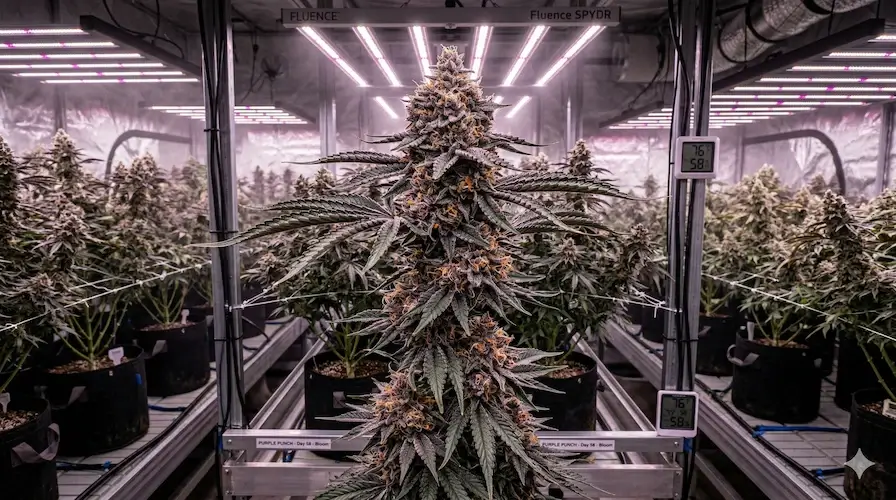

The best purple autoflower strains include Purple Haze Auto and Purple Lemonade Auto from Fast Buds, Granddaddy Purple Auto from Automatically Delicious and Alaskan Purple Auto from Seedsman. Their violet color comes from anthocyanin pigments set mostly by genetics, and color alone says nothing about strength.
I’m James Bean, founder of Seeds Here Now since 2010. This guide explains where purple color comes from and lists the 10 purple autoflower strains I’d put in a collection from our catalog in 2026.
Seeds Here Now sells authentic breeder packs to adults 21+. We do not provide growing instructions, and nothing here is a medical claim.
Why Purple Autoflower Strains Are So Popular
Purple cannabis is visually striking in a way that never gets old, and breeders have now paired classic purple genetics with modern autoflower lines. Read our guide to judging autoflower seeds and our photoperiod vs. autoflowering explainer.
For a buyer, purple autoflower strains combine three things: famous parent lines, strong color genetics and the ruderalis heritage that defines an auto.
Where Purple Color Comes From
Purple color comes from anthocyanins, the same pigments that color blueberries and red cabbage. Whether a line can turn purple is largely genetic: some lines carry strong anthocyanin potential and others never color at all.
That is why lineage matters most. Purple autoflower strains usually trace back to classic purple lines such as Granddaddy Purple, Purple Kush or Purple Punch. Researchers have studied anthocyanins in plants for decades; see the source below.
A Short History of Purple Cannabis
Purple cannabis has been prized for decades. Jimi Hendrix’s 1967 song Purple Haze helped make purple part of cannabis culture long before most people had seen a purple bud, and the Purple Haze strain later took the name. In the 1980s, DJ Short’s Blueberry brought blue and violet tones into the Dutch seed scene.
The modern purple wave took off in the San Francisco Bay Area in the 2000s. Granddaddy Purple, widely linked to Ken Estes, and Purple Kush, often linked to Oakland, became two of the most recognizable purple lines in California, and Purple Urkle became a common purple parent. Later lines like Purple Punch carried that color into the dessert era.
Purple autoflower strains are the newest chapter of that story. They take the color families that made purple famous and carry them into the auto format, which is why so many of them share names with the photoperiod classics.
The Science of Anthocyanins in Brief
Anthocyanins are water-soluble pigments in the flavonoid family. They are what make blueberries blue, red cabbage purple and many autumn leaves red. In cannabis, they can show up in leaves, sugar leaves and buds, and they range from pink and red through violet to almost black.
Whether a plant can produce them is mostly written in its genes. Some lines carry strong anthocyanin potential and color reliably, while others stay green no matter what. That is why the lineage on a pack tells you more about color than any photo does. The research article linked in our sources covers how anthocyanins work across the plant world.
Color is a visual trait, not a sign of strength or quality on its own. A deep purple bud and a bright green bud from related lines can be equally interesting to a buyer, so treat color as one part of a line’s identity rather than a score.

What Makes an Autoflower an Autoflower
Every autoflower carries genetics from Cannabis ruderalis, a hardy type of cannabis from northern regions with short seasons. Ruderalis brings the autoflowering trait, which is why autos are sold as a separate format from photoperiod seeds.
Breeders make purple autoflower strains by crossing a purple photoperiod line with ruderalis stock and then working the offspring over several generations. The goal is a line that keeps the color and aroma of the famous parent while carrying the auto trait. Older autos were often criticized for losing the character of their parents, but modern breeding has narrowed that gap.
The Lowryder line from the Joint Doctor in the early 2000s is widely credited as one of the first commercially successful autoflowers, and much of today’s auto catalog builds on work that started around then.
Why Breeders Pair Purple Genetics With Ruderalis
Purple lines are among the most requested in any catalog, and autos are one of the most popular formats. Combining the two was a natural step for auto breeders. The challenge is keeping the color, because anthocyanin potential is a genetic trait that can be diluted when a line is crossed with ruderalis stock.
That is why the best purple autoflower seeds usually come from breeders who worked the cross over several generations, selecting for color each time. When a purple auto keeps strong color, it is a sign of that extra breeding work, and it is one reason buyers pay attention to which breeder made a pack.
Top 10 Purple Autoflower Strains in 2026
| Strain | Breeder | Color and aroma notes |
|---|---|---|
| Purple Haze Auto | Fast Buds | Violet buds; sweet berry and spice |
| Granddaddy Purple Auto | Automatically Delicious | Deep purple; grape candy |
| Alaskan Purple Auto | Seedsman | Northern Lights x purple; earthy berry |
| Purple Lemonade Auto | Fast Buds | Purple-pink; lemon and grape |
| Banana Purple Punch Auto | Various | Purple Punch x Banana Kush; banana and grape |
| Critical Purple Auto | Automatically Delicious | Critical Mass x purple; sweet fruit |
| CBD Purple Auto 1:20 | Automatically Delicious | High-CBD purple line |
| Purple Tesla | Photoperiod reference | Gassy, sweet, deep purple |
| Granddaddy Black Auto | Various | Near-black; dark berry |
| Blackberry Kush Auto | Dutch Passion | Blackberry and earthy kush |
1. Purple Haze Auto (Fast Buds)
Named after the Jimi Hendrix classic, Purple Haze Auto by Fast Buds brings the legendary Purple Haze line into autoflower form, with violet buds, a sweet berry-spice aroma and reported THC around 20%.
2. Granddaddy Purple Auto
Granddaddy Purple Auto puts one of California’s most famous purple indicas into an auto package, with deep purple color, grape candy aroma and reported THC of 20% to 23%.
3. Alaskan Purple Auto (Seedsman)
Alaskan Purple Auto by Seedsman combines Northern Lights with purple genetics for strong color and a sweet, earthy-berry, old-school profile. Reported THC is around 19% to 21%.
4. Purple Lemonade Auto (Fast Buds)
Purple Lemonade Auto pairs lemon genetics with purple heritage: bright citrus over sweet grape, with purple and pink tones under heavy frost. Reported THC is around 22%. See the Fast Buds catalog.
5. Banana Purple Punch Auto
Banana Purple Punch Auto adds Banana Kush sweetness to Purple Punch, for a dessert profile of banana, grape and candy on dense purple buds. Reported THC is 20% to 24%.
6. Critical Purple Auto (Automatically Delicious)
Critical Purple Auto crosses the famous Critical Mass line with purple genetics, adding color and a sweet, fruity aroma. Reported THC is around 18% to 20%.
7. CBD Purple Auto 1:20 (Automatically Delicious)
CBD Purple Auto 1:20 is a high-CBD, low-THC purple line with a reported 1:20 THC to CBD ratio. We list cannabinoid ratios as reported by the breeder and make no health claims.
8. Purple Tesla
Purple Tesla is a photoperiod line, but it is a reference point for where purple genetics have gone: dense, frosty, gassy and sweet. Read our Purple Tesla strain review.
9. Granddaddy Black Auto
Granddaddy Black genetics push anthocyanin expression to the extreme, with buds that can look almost black and a dark berry and grape aroma.
10. Blackberry Kush Auto (Dutch Passion)
Blackberry Kush Auto by Dutch Passion brings decades of breeding experience to a purple, berry-forward auto with strong kush character.
The Purple Families Behind These Autos
Most purple autoflower strains trace back to a handful of famous purple photoperiod families. Knowing them makes the list above easier to read.
| Family | Background | Autos on this list |
|---|---|---|
| Granddaddy Purple | A Bay Area classic usually listed as Purple Urkle x Big Bud and widely linked to Ken Estes | Granddaddy Purple Auto, Granddaddy Black Auto |
| Purple Punch | Larry OG x Granddaddy Purple, known for grape and berry sweetness | Banana Purple Punch Auto |
| Purple Haze | A Haze-family line named after the Jimi Hendrix song | Purple Haze Auto |
| Northern Lights | An Afghan-heavy classic that shaped modern indica breeding | Alaskan Purple Auto |
| Critical Mass | Mr. Nice Seedbank’s Afghani x Skunk #1 | Critical Purple Auto |
| Kush | Afghan and Hindu Kush mountain lines | Blackberry Kush Auto |
Lineages for some of these families vary between sources, so treat the table as a guide. Our Granddaddy Purple review, Purple Punch review and Northern Lights #10 review cover three of the parent families.

Notes on the Breeders
The breeders behind these purple autoflower strains bring very different histories to their packs.
- Fast Buds: an autoflower specialist with a large catalog of auto versions of famous names, including Purple Haze Auto and Purple Lemonade Auto. See the Fast Buds catalog.
- Automatically Delicious: a breeder focused on autoflower genetics, behind Granddaddy Purple Auto, Critical Purple Auto and CBD Purple Auto 1:20. Our Gummy Bearz Auto review covers another of its lines.
- Dutch Passion: an Amsterdam breeder founded in 1987 and widely credited with helping introduce feminized seeds in the 1990s, behind Blackberry Kush Auto.
- Seedsman: a long-running seed company with a broad catalog, behind Alaskan Purple Auto.
For buyers, the breeder name is the most important detail on any auto pack. Two packs called Granddaddy Purple Auto from different breeders are different lines, even though they share a famous parent.
How to Compare Purple Autoflower Seeds
When two purple autoflower seeds listings look alike, a few details separate them.
- The photoperiod parent: which purple family the auto comes from.
- The breeder: who made the auto version.
- The format: most purple autos are sold as autoflowering feminized seeds, but check the pack.
- The cannabinoid profile: lines like CBD Purple Auto 1:20 are bred for a different ratio, which we list as reported by the breeder without health claims.
- The packaging: sealed original breeder packaging is the simplest sign that a pack is genuine.
Record those details with every pack, and a purple auto collection stays easy to read as it grows.
Purple Color in Photos: What to Keep in Mind
Photos are the main way most people judge purple autoflower strains, but they can mislead. Lighting, camera settings and editing all change how purple a bud looks. A warm light can wash purple toward brown, while a cool light can push green toward blue.
The same line can also look very different from one photo to the next, because color expression varies between individual plants. If a breeder shows a range of photos, that is usually a more honest picture of the line than one perfect shot. For buyers, it is worth saving the breeder’s own release photos with your notes on each pack.
Do Purple Autoflower Strains Smell Different?
The pigment itself does not create flavor. Anthocyanins have no meaningful smell. But many purple autoflower strains do lean toward berry, grape and sweet fruit, because they come from families like Blueberry, Granddaddy Purple and Purple Punch that carry those aromas alongside their color.
So the link between purple and fruit is real, but it runs through the lineage, not the color. A purple auto from a kush or Haze family can smell earthy, spicy or herbal instead. Our guide on what terpenes are explains where cannabis aromas come from. We describe aroma only and make no claims about effects.

Where to Find Purple Autoflower Seeds
Buy purple autoflower seeds in sealed, original breeder packaging. Browse our autoflower cannabis seeds and breeder catalogs from Automatically Delicious, Dutch Passion and Seedsman.
Building a Purple Autoflower Collection
Purple autoflower strains make one of the most visual themed collections you can build. A simple plan is to hold one auto from each major purple family, then add a photoperiod reference line like Purple Tesla to show where purple breeding has gone in the photoperiod world.
| Role in the set | Pick | Why it belongs |
|---|---|---|
| Grape classic | Granddaddy Purple Auto | The best-known purple family in auto form |
| Haze line | Purple Haze Auto | A famous name from the Haze family |
| Northern classic | Alaskan Purple Auto | Northern Lights heritage with strong color |
| Kush line | Blackberry Kush Auto | Berry over kush from Dutch Passion |
| Critical line | Critical Purple Auto | Critical Mass with purple color |
| CBD line | CBD Purple Auto 1:20 | A high-CBD purple line |
We sell seeds only to adults 21+.
Quick Facts About Purple Autoflower Strains
- Purple autoflower strains get their color from anthocyanins, the same pigments found in blueberries and red cabbage.
- Every auto carries Cannabis ruderalis genetics, which bring the autoflowering trait.
- Most purple autos come from a few famous families, including Granddaddy Purple, Purple Punch, Purple Haze, Northern Lights and Kush lines.
- Color depends mostly on genetics, so the lineage on a pack matters more than any single photo.
- Purple autoflower seeds are usually sold as autoflowering feminized seeds, but the format varies by breeder.
- Color says nothing about strength. It is a visual trait and one part of a line’s identity.
Purple Autoflower Strains by Aroma Group
Another way to sort the list is by the aroma each line is known for, as described by its breeder.
| Aroma group | Purple autoflower strains | Typical notes |
|---|---|---|
| Grape and candy | Granddaddy Purple Auto, Granddaddy Black Auto | Grape candy and dark berry |
| Dessert fruit | Banana Purple Punch Auto | Banana, grape and candy |
| Citrus | Purple Lemonade Auto | Lemon over sweet grape |
| Berry and spice | Purple Haze Auto | Sweet berry and spice |
| Earthy berry | Alaskan Purple Auto, Blackberry Kush Auto | Berry over earth and kush |
| Sweet fruit | Critical Purple Auto | Sweet fruit |
Grouping a collection this way makes it easy to spot gaps, such as a citrus or spice line to balance the grape-heavy classics.
Seeds, the Law and Our Rules
Cannabis laws differ by state, and federal hemp and seed rules are changing under Section 781. Check the law where you live before you buy anything. Our cannabis seeds by state guide links every state and its official sources, and our explainer on what Section 781 is covers the federal side.
Every buyer must be 21 or older. We sell seeds only to adults 21+.
Why Grow Purple Autoflower Strains?
Beyond the obvious visual appeal, there are practical and experiential reasons why purple autoflower strains deserve a place in your garden:
Speed Without Compromise
Autoflowering genetics flower based on age rather than light cycle changes. Most autoflowers go from seed to harvest in 60 to 80 days, total, not just flowering time. That means a purple auto you pop in early spring could be hanging and drying before a photoperiod plant even gets into flower. For growers who want multiple harvests per year or who operate under short outdoor seasons, purple autos are an obvious win.
Compact Size, Discreet Growing
Purple autoflowers tend to stay compact—typically under 1 meter tall, and often in the 40-70cm range. That makes them ideal for low-clearance indoor setups, balcony grows, and any situation where discretion or space constraints are a factor. Despite their size, modern purple autos can produce surprisingly generous yields.
Visual Reward
The color development in purple cannabis is driven by anthocyanins—pigments produced by some cannabis varieties in response to cooler temperatures, genetics, pH changes, or simply as the plant matures. There’s nothing quite like watching a plant shift from green to deep purple during the final weeks of flower. It makes the growing experience more engaging and the harvest more visually rewarding.
Many purple strains—particularly those with Blueberry, Grape, or Purps heritage—carry terpene profiles that lean sweet, fruity, and floral. Purple cannabis tends to taste as interesting as it looks.
Growing Tips for Purple Autoflower Strains
Purple autoflower strains share most of their cultivation requirements with other autoflowers, but there are a few considerations worth highlighting:
- Don’t overdo nutrients: Autoflowers are smaller plants with smaller root systems. They’re generally more sensitive to nutrient excess than photoperiod strains. Start at 50% to 70% of recommended nutrient levels and increase only if plants show deficiency signs.
- Light schedule flexibility: Most growers run autos at 18/6 or 20/4 light schedules throughout the entire grow. Because they’re not light-cycle dependent, there’s no need to switch to 12/12 to initiate flowering.
- Minimal stress training: LST (low-stress training)—gently bending and tying branches to open up the canopy—is the best training technique for autoflowers. Avoid high-stress techniques like topping or heavy defoliation; autos don’t have time to recover.
- Pot size: Most autoflowers perform well in 5 to 7 gallon containers. Going smaller restricts root development and limits yield; going significantly larger wastes medium and nutrients.
- Germinate directly in final container: Because autos start their clock from germination, transplanting can stress them and cost you time. Germinate seeds directly in their final container when possible.
For a more detailed walkthrough of autoflower cultivation, check out the How to Grow Autoflower Seeds guide on the SHN blog, and compare photoperiod vs autoflowering strains to decide which type is right for your setup.
Frequently Asked Questions
What are the best purple autoflower strains?
Why are some autoflower strains purple?
Anthocyanin pigments, which are largely controlled by genetics.
Do purple strains smell different from green strains?
Many purple lines lean toward berry and grape notes, but aroma depends on the full lineage, not the color.
Do you give growing advice for purple autoflower strains?
No.
What is Cannabis ruderalis?
A hardy type of cannabis from northern regions with short seasons. It carries the autoflowering trait found in every auto line.
Which purple family is behind most purple autos?
Granddaddy Purple is one of the most common, along with Purple Punch, Purple Haze, Northern Lights and Kush lines.
Are purple autoflower seeds feminized?
Most are sold as autoflowering feminized seeds, but check the format on each pack.
Does purple color mean a stronger strain?
No. Color comes from anthocyanin pigments and says nothing about strength on its own.
Who makes the best purple autoflower seeds?
Fast Buds, Automatically Delicious, Dutch Passion and Seedsman all offer well-known purple autos. The best pick depends on which purple family you want to collect.
Why do some purple autos look almost black?
Some lines, like Granddaddy Black Auto, carry very strong anthocyanin expression, which can push violet tones toward near-black.
Do purple strains taste different from green strains?
The color itself—caused by anthocyanins—doesn’t directly affect flavor. However, many purple strains do taste distinctly different because they carry genetics from Blueberry, Grape, or other berry-forward lineages that naturally produce sweet, fruity terpene profiles. The correlation between purple color and sweet-fruity flavor is strong, but it’s the genetics (not the pigment) driving the taste.
Are purple autoflowers harder to grow?
No—purple autoflowers grow with the same ease as other autoflowers. The color expression is a natural genetic trait that doesn’t require special knowledge to achieve, though you can enhance it with nighttime temperature drops. Most purple autoflower strains are considered beginner-friendly, particularly strains from Fast Buds, Dutch Passion, and Automatically Delicious.
How do I get more purple color in my autoflowers?
Combined with genetics that have strong purple potential (like the strains in this guide), this will produce the most vivid color expression. Good lighting that includes some far-red spectrum can help as a secondary factor.
How long do purple autoflowers take to grow?
Most purple autoflowers complete their life cycle in 60 to 80 days from seed to harvest, depending on the specific strain. Purple Haze Auto (Fast Buds) takes about 9 to 10 weeks, while faster strains like Critical Purple Auto finish closer to 65 days. Check individual strain descriptions for specific timing.
Bottom Line
Purple autoflower strains bring together famous lineages and striking color. For adults 21+, they make one of the most eye-catching themes in any seed collection.
Sources
Key Facts About Purple Autoflower Strains
| Top picks | Purple Haze Auto (Fast Buds), Granddaddy Purple Auto (Automatically Delicious), Alaskan Purple Auto (Seedsman), Purple Lemonade Auto (Fast Buds) |
|---|---|
| Where purple comes from | Anthocyanin pigments, largely controlled by genetics |
| Common purple families | Granddaddy Purple, Purple Punch, Purple Haze, Northern Lights, Kush |
| Autoflower trait from | Cannabis ruderalis |
| Seed type | Most are autoflowering feminized; check each pack |
| Does purple mean stronger? | No |
| Where to buy | Seeds Here Now, authentic breeder packs for adults 21+ |
Last updated October 7, 2026 by James Bean, founder of Seeds Here Now. Nothing here is legal advice. See our disclaimer, terms of use and shipping policy.
Suggested Articles
 12 Nov 2026
 11 min read
;)
;)
;)
 April 02, 2026


RESPONSES (0)
No responses yet. Be the first to respond!