


Best Autoflower Seeds: How to Judge an Auto Line Like a Seedsman

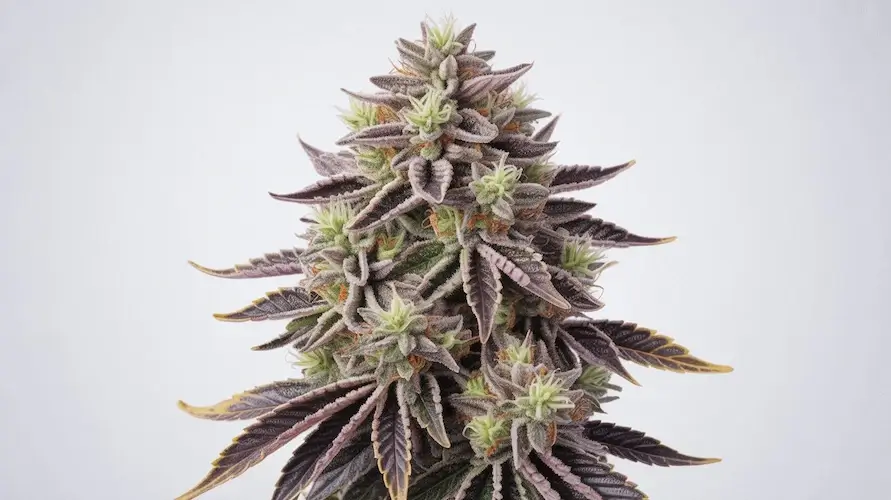
I’ve watched autoflower seeds go from a running joke to some of the most impressive genetics in my catalog. Years ago an “auto” meant a small, weak, low-THC line you bought for convenience, not quality. That trade-off is gone.
I’m James Bean, founder of Seeds Here Now since 2010. Instead of a leaderboard of names that will be out of stock next month, this guide shows how I judge autoflower genetics, so you can pick the best autoflower seeds for your collection every time.
Seeds Here Now sells authentic breeder packs to adults 21+. We do not provide growing instructions, and nothing here is a medical claim.
What Makes Autoflower Seeds Different
Most cannabis responds to day length. Autoflower genetics do not: the life cycle runs on its own clock. That trait comes from Cannabis ruderalis, a hardy, low-THC type from short northern seasons. Read our ruderalis guide.
Ruderalis on its own is small and barely psychoactive. The whole craft of modern autoflower breeding is to keep the auto trait and the hardiness, then stack in the potency and terpenes of elite photoperiod lines. It takes years, which is why so few breeders do it well. Our photoperiod vs. autoflowering explainer covers the basics.
A Short History of Autoflower Seeds
Autoflower seeds have a surprisingly short history. For decades, the auto trait lived mostly in wild ruderalis populations and in a few obscure breeding projects. The turning point came in the early 2000s, when The Joint Doctor released Lowryder, widely regarded as the first commercially successful autoflower. It is usually described as a mix of Northern Lights #2, William’s Wonder and a ruderalis line known as Mexican Rudy.
Lowryder was small and modest by today’s standards, but it proved the auto trait could be bred into recognizable cannabis. Over the next two decades, breeders refined the approach generation by generation, crossing autos with famous photoperiod lines and selecting hard for aroma, resin and potency.
Today the best autoflower seeds carry the names of classic and modern strains alike, and the old reputation for weak, hempy plants belongs to an earlier era. That progress is the reason autos now fill whole sections of a serious collection.
5 Signs of the Best Autoflower Seeds
1. Proper Ruderalis Backcrossing
One cross between an auto and a photoperiod plant is not a finished line. Real autoflower breeding means backcrossing over several generations to lock the trait in. Good breeders say how many generations they ran.
2. A Stabilized Line, Not a Fresh Cross
The best autoflower seeds come from lines that have been selected and stabilized, so a pack is consistent from seed to seed. A fresh, unworked cross sold under a famous name is the most common shortcut in the market.
3. A Named Photoperiod Parent
A good listing names the photoperiod side of the cross. If the aroma and look of that parent come through, the breeding was done right.
4. Breeder Transparency
Look for lineage, generation and the breeder’s name on every pack. Vague listings usually hide lazy work.
5. A Track Record
Breeders who have specialized in autoflower genetics for years, such as Mephisto Genetics, Fast Buds and Dutch Passion, have reputations to protect.
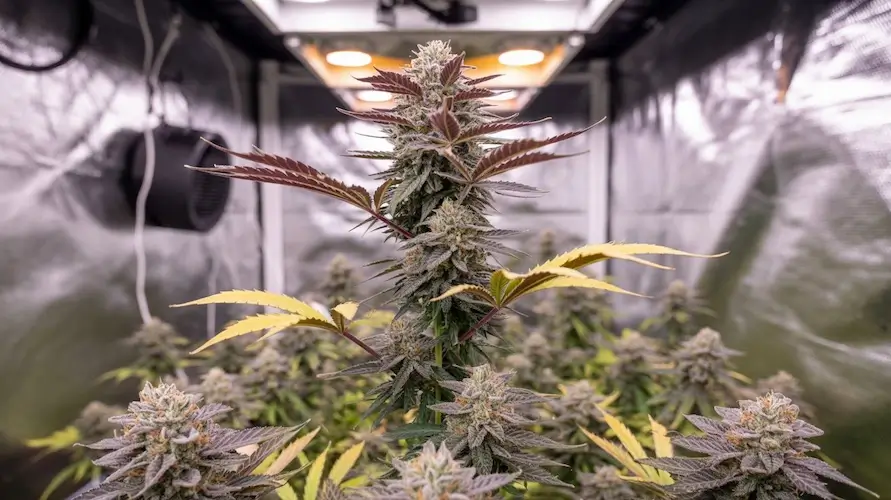
How to Judge Autoflower Seeds Before You Buy
- Read the lineage: which photoperiod line, and how many backcross generations?
- Check the breeder: do they specialize in autoflower genetics?
- Compare reported THC and terpene notes to the photoperiod parent.
- Buy sealed, original breeder packaging from an authorized seller.
- Store packs cool, dark and dry, away from children and pets.
Choosing Autoflower Seeds by Theme
Buyers often build around a theme. Pick by flavor family (fruit, gas, dessert), by heritage (classic lines such as Northern Lights or Blueberry in auto form), or by breeder. See our purple autoflower strains list for one colorful theme.
| Theme | What to look for | Example |
|---|---|---|
| Classic lines | Famous photoperiod parent | Northern Lights or Blueberry autos |
| Color | Anthocyanin-rich parents | Purple autos |
| Breeder focus | Auto specialists | Mephisto, Fast Buds, Dutch Passion |
Why the Source Matters for Autoflower Seeds
Autos are easy to fake because the word “auto” sells. Counterfeit and repackaged seeds are common online. Buy from a seller who carries original breeder packs and can tell you where they came from.
Browse our autoflower cannabis seeds or the autoflower seeds for sale page for authentic breeder packs.
Where Ruderalis Comes From
Cannabis ruderalis was first described in 1924 by the Russian botanist D. E. Janischewsky, who found wild plants in the Volga region. It grows wild across parts of Central and Eastern Europe, Russia and Central Asia, often along roadsides and disturbed ground.
Botanists still debate whether ruderalis is a separate species, a subspecies or a feral form of cannabis that adapted to short northern summers. What matters for buyers is the one trait it carries that almost every other cannabis line lacks: a life cycle that does not wait for shorter days. Our ruderalis guide covers its background in more depth.
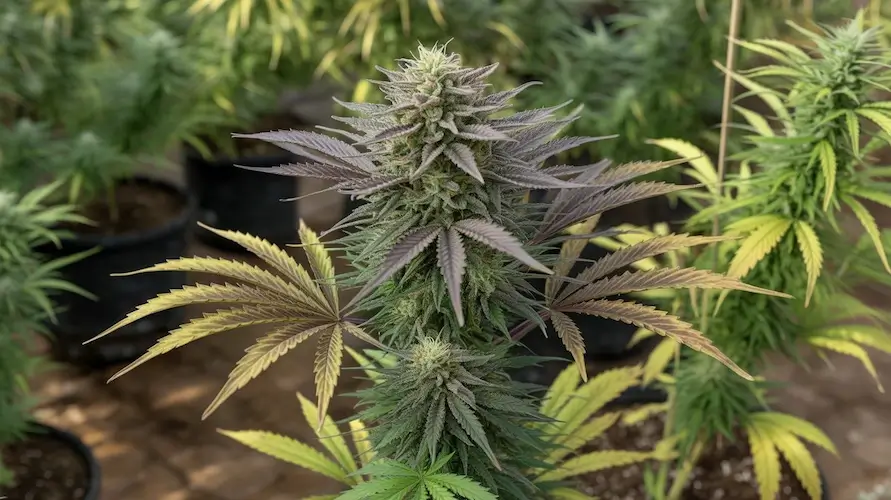
Autoflower Seed Terms, Explained
Autoflower listings use their own vocabulary. Knowing it makes it much easier to judge a pack.
- Auto: short for autoflowering, meaning the plant’s life cycle is set by age rather than day length.
- Feminized auto: an autoflower line bred to produce female seeds. Most autoflower seeds sold today are feminized.
- Regular auto: an autoflower line with both male and female seeds, mostly used by breeders and buyers who value breeding potential.
- Backcross: crossing offspring back to a parent to lock in a trait, the core technique behind stable autos.
- F-number: the filial generation of a line, such as F1 or F5. Higher numbers usually mean more selection work.
- IBL: an inbred line, bred within itself for uniformity.
- Fast version: a photoperiod line crossed with an auto, sold by some breeders as a separate category. These are not true autos.
Our explainers on S1, F1 and F2 seeds and feminized vs. regular seeds go deeper on these labels.
Autoflower vs. Photoperiod Seeds at a Glance
| Trait | Autoflower seeds | Photoperiod seeds |
|---|---|---|
| What sets the life cycle | Age (ruderalis trait) | Day length |
| Typical size | Usually compact | Varies widely |
| Common seed types | Mostly feminized | Feminized and regular |
| Breeding history | Mostly the last 20 years | Decades to centuries |
| Modern versions of famous lines | Original classic and modern lines |
Neither type is better for a collection. Many buyers keep both, pairing an autoflower version of a classic like Northern Lights or Blueberry with the original photoperiod line.
Breeders Known for Autoflower Seeds
A small group of breeders built their names on autoflower work. A few that buyers watch closely:
- Mephisto Genetics: a craft autoflower breeder known for small-batch lines built from sought-after photoperiod cuts.
- Fast Buds: one of the largest autoflower specialists, with a wide catalog of auto versions of popular strains.
- Dutch Passion: a long-running Dutch seed company with a deep history in feminized and autoflower genetics.
- The Joint Doctor: the breeder behind Lowryder, the line that started the modern auto category.
Breeder names are a starting point, not a guarantee. Judge each line on its lineage, its stability and how openly the breeder explains the work.
Autoflower Seed Myths
- Autos are basically hemp. Early autos leaned on low-THC ruderalis, but modern lines have been bred far past that.
- Every autoflower is tiny. Size varies by line; some modern autos are much larger than early versions.
- Autos cannot be bred further. Regular autoflower seeds exist precisely so breeders and buyers can keep working the lines.
- Any pack labeled auto is a real auto. A fast version or a rushed cross may be sold under the auto label, which is why lineage matters.

Storing Autoflower Seeds in a Collection
Autoflower seeds store the same way as any other cannabis seed: cool, dark and dry, in their original sealed packaging, away from children and pets.
Our seed storage guide covers containers and conditions in detail.
Auto Versions of Famous Strains
One of the most interesting parts of modern auto breeding is how many famous names now exist in auto form. Classics such as Northern Lights, Blueberry, Skunk and White Widow have all been converted by different breeders, and so have modern favorites from the cookie, gelato and gas families.
A well-made conversion should carry the aroma and look of its namesake. A poorly made one will share the name and little else, which is another reason to check the breeder and the stated lineage.
Some buyers build side-by-side sets: the original photoperiod pack next to two or three auto versions from different breeders. It is a clear, visual way to see how much craft goes into a conversion.
Five Questions to Ask Before You Buy
- Which photoperiod line is the auto built from, and is that parent named on the pack?
- How many generations of backcrossing and selection did the breeder run?
- Is the pack feminized or regular, and is that clearly labeled?
- Is it a true auto or a fast version sold under the auto label?
- Is it sealed original breeder packaging from a seller who can explain where it came from?
A good seller should be able to answer every one of these. If the answers are vague, the line probably is too.
Why Buyers Keep Coming Back to Autos
Part of the appeal is the story. Autoflowers went from a niche curiosity to a major category in about twenty years, and each generation of breeding is visible in the lines on the shelf today.
Seeds, the Law and Our Rules
Cannabis laws differ by state, and federal hemp and seed rules are changing under Section 781. Check the law where you live before you buy anything. Our cannabis seeds by state guide links every state and its official sources, and our explainer on what Section 781 is covers the federal side.
Every buyer must be 21 or older. We sell seeds only to adults 21+.
Frequently Asked Questions
What are the best autoflower seeds in 2026?
The best autoflower seeds come from stabilized, well-backcrossed lines with a named photoperiod parent and a breeder with a track record.
Where does the autoflower trait come from?
From Cannabis ruderalis, a hardy type from short northern seasons.
Are autoflower seeds weaker than photoperiod seeds?
Not anymore. Modern autoflower genetics can match photoperiod lines on reported THC and terpenes.
Do you give growing advice for autos?
No.
What was the first autoflower strain?
Lowryder, released by The Joint Doctor in the early 2000s, is widely regarded as the first commercially successful autoflower.
Are most autoflower seeds feminized?
Yes. Most autoflower seeds sold today are feminized, though regular autoflower lines exist for breeders and buyers.
What is a fast version seed?
A photoperiod line crossed with an autoflower. Some breeders sell these as their own category, and they are not true autos.
How should I store autoflower seeds?
Cool, dark and dry, in sealed original packaging, away from children and pets.
Bottom Line
The best autoflower seeds are the product of patient breeding. Judge the lineage, the breeder and the source, and you will build a collection of autoflower genetics worth keeping.
Sources
Last updated October 7, 2026 by James Bean, founder of Seeds Here Now. Nothing here is legal advice. See our disclaimer, terms of use and shipping policy.
Suggested Articles

 06 Oct 2026
 16 min read


;)
;)
;)
 June 01, 2026


RESPONSES (0)
No responses yet. Be the first to respond!