


Northern Lights Strain Review: Uncovering a Classic
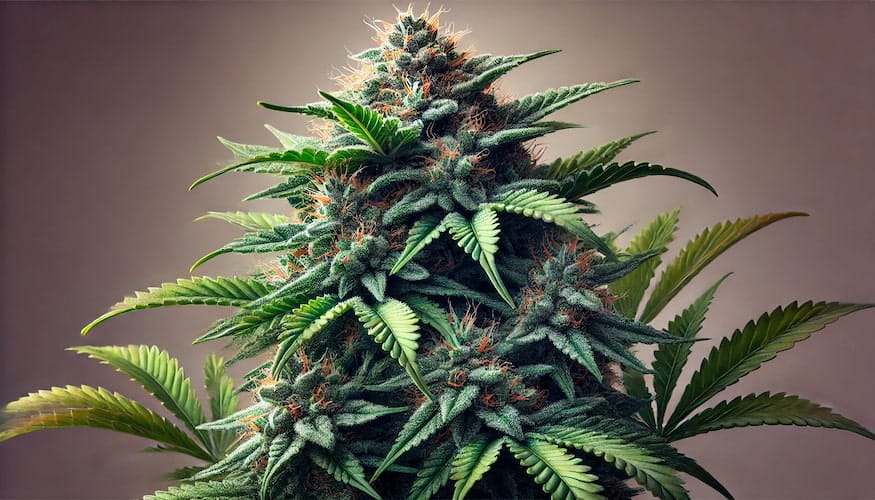
When discussing iconic cannabis strains, Northern Lights stands as a cornerstone of cannabis history, revered for its potent effects, rich lineage, and influence on modern hybrids. Few indica strains have left a mark on the cannabis world quite like Northern Lights, save for perhaps the legendary G-13. A celebrated favorite among both growers and consumers, this strain’s backstory is as compelling as the high it offers. Let’s dive into what makes the Northern Lights strain so legendary and why it continues to be a go-to for cannabis enthusiasts.
Origins of the Northern Lights Strain
Northern Lights traces its roots to the Pacific Northwest, with some claiming it was first cultivated on an island near Seattle by a man known only as “The Indian.” Others suggest its origins may lie in California before this mysterious figure got his hands on it. Regardless of the exact location, by the mid-1980s, these seeds had made their way to Nevil Schoenmakers, founder of Holland’s first cannabis seed company, The Seed Bank (now known as Sensi Seeds).
Schoenmakers played a crucial role in the development of Northern Lights as we know it today, blending the original Afghani genetics with Thai sativa influences. The result was a series of hybrids that have since become synonymous with high-quality cannabis. The most famous of these early plants were Northern Lights #1 and Northern Lights #5, with the latter being regarded as the best of the bunch.
Genetics: A Powerhouse of Indica-Dominant Traits
Northern Lights began as a pure indica strain, a classic Afghani landrace known for its heavy, relaxing effects. Over time, however, a hint of Thai sativa was introduced, bringing a slightly uplifting, euphoric edge to the otherwise deeply calming indica profile. This infusion of sativa genetics is likely responsible for the strain’s more fruity, psychedelic qualities.
Even though most modern versions of Northern Lights lean heavily toward indica dominance, some rare phenotypes still showcase subtle sativa characteristics. These variations remind us of the plant’s complex genetic makeup, which contributes to its versatility and widespread appeal.
Appearance and Flavor: Pine, Spice, and Fruity Notes
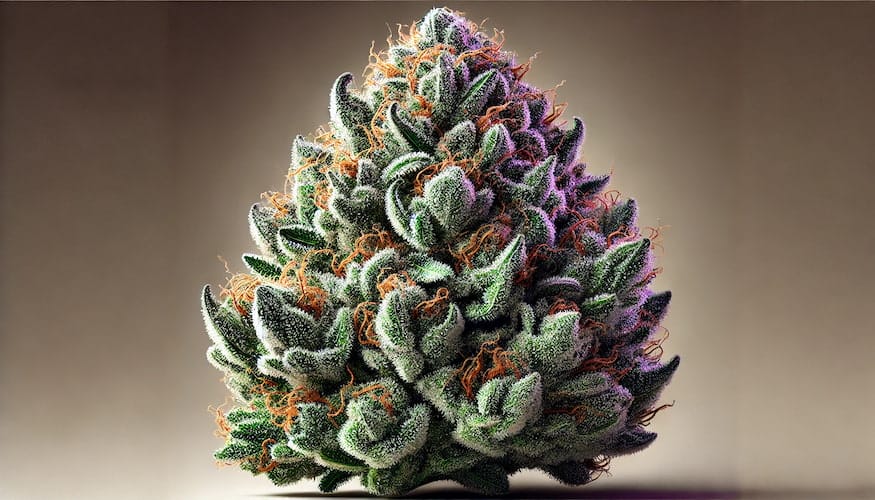
One of the most appealing aspects of Northern Lights is its classic look. With dense, resinous buds often exhibiting dark green and purple hues during flowering, it’s as visually striking as it is potent. The strain’s high flower-to-leaf ratio makes it a dream for growers, producing chunky, trichome-rich buds that are ideal for hash production.
The flavor profile of Northern Lights is equally impressive, with a rich, earthy base complemented by hints of pine and spice. Many phenotypes also offer subtle fruity undertones, a result of the Thai sativa influence. This combination of flavors makes it a satisfying smoke or vape, whether enjoyed by seasoned connoisseurs or novice users.
Effects: Relaxation Meets Euphoria
The Northern Lights high is best described as deeply calming, with a strong body high that melts away stress and tension. It’s no wonder the strain is beloved by those seeking relief from pain, insomnia, and anxiety. The indica dominance delivers a powerful sense of relaxation, but thanks to the sativa influence, it also induces a gentle euphoria that keeps the mind engaged without overwhelming the body.
For many, Northern Lights is a perfect evening strain—great for unwinding after a long day or preparing for a restful night’s sleep. Despite its potency, the high is often smooth and manageable, with fewer reports of the couch-lock or sedation that can accompany other indica-heavy strains.
How To Grow the Northern Lights Strain
Growing Northern Lights is relatively easy, making it an excellent choice for both novice and experienced growers. This strain is known for its resilience and adaptability, thriving in both indoor and outdoor environments. Indoors, Northern Lights performs best in a controlled setup like hydroponics or soil, with a flowering time of six to eight weeks. Its compact size, rarely exceeding four feet, makes it ideal for smaller grow spaces. Outdoors, it prefers a sunny, warm climate, but its natural resistance to pests, mold, and disease ensures a successful harvest even in less-than-perfect conditions.
Northern Lights produces dense, resin-rich buds with a high flower-to-leaf ratio, which minimizes maintenance like trimming. Regular feeding and maintaining a steady temperature of around 70 to 85 degrees Fahrenheit will help optimize yields, which can be quite generous for this strain. Overall, Northern Lights is a low-maintenance plant that rewards growers with potent, aromatic buds and a high yield.
A Lasting Impact on Cannabis Breeding
Northern Lights has not only earned its place as a beloved strain but also as a foundational genetic influence on many modern hybrids. Crosses involving Northern Lights have given rise to legendary strains like Shiva Skunk, Jack Herer, and Super Silver Haze, to name just a few. These offspring carry forward the potency and resilience of the Northern Lights strain while adding unique flavors and effects to the mix.
Some versions of Northern Lights are still available today, with Sensi Seeds offering a blend of the original Northern Lights variants they’ve preserved over the years. Other seed companies, including British Columbia Seed Company and Dr. Atomic, offer their own well-regarded Northern Lights hybrids, ensuring that this legendary strain remains a fixture in the cannabis world.
Final Thoughts: A Timeless Classic
Northern Lights is more than just a strain—it’s a legacy. Its unmistakable indica-dominant effects, rich flavor profile, and deep-rooted history make it a true icon of the cannabis world. Whether you’re a longtime fan or a curious newcomer, Northern Lights offers a reliable, powerful high that has stood the test of time. With its blend of relaxation, euphoria, and subtle fruitiness, it’s no wonder this strain remains a favorite for many.
If you’re looking for a strain that offers relaxation without sacrificing mental clarity, Northern Lights is a must-try. Its unparalleled history and enduring popularity ensure that it will continue to shine brightly in the world of cannabis for years to come.
Buy Northern Lights seeds today and shop the complete collection of regular, feminized, and autoflower cannabis seeds at Seeds Here Now.
Looking for more in-depth strain reviews? Check out our article on the luxurious Swiss Watch strain.
Suggested Articles

 24 Jun 2025
  5 min read


;)
;)
;)
 September 04, 2024


RESPONSES (0)
No responses yet. Be the first to respond!