


Photoperiod vs. Autoflowering Strains: Understanding Cannabis Genetics
Cannabis cultivation is a fascinating journey shaped by genetics, particularly when it comes to understanding photoperiod and autoflowering strains. The growing process involves mastering both indoor and outdoor growing techniques to achieve a high-quality harvest.
Each type offers unique characteristics that affect flowering time, yield, and cannabinoid content. Whether you’re a seasoned grower or a beginner grower just starting out, knowing the differences can help you choose the right strain for your indoor garden. Techniques like nutrient management and light schedules play a pivotal role in successful cultivation.
This article delves into the complexities of cannabis genetics, breeding techniques, and how to choose the ideal strain for your specific needs, taking into account plant types such as sativa and indica strains.
Key Takeaways:
- Cannabis genetics refer to the traits and characteristics of the plant that are passed down through breeding and cultivation techniques.
- Photoperiod strains require specific light cycles for flowering, while autoflowering strains flower automatically regardless of light cycle.
- When choosing between photoperiod and autoflowering strains, consider factors such as flowering time, yield, and THC/CBD content, as well as personal preference and growing environment.
What Are Cannabis Genetics?
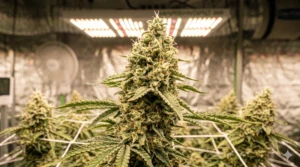
.jpg_00.jpeg "–") Cannabis genetics refers to the study of the hereditary characteristics of cannabis plants, including their genetic makeup, THC content, CBD strains, and growth cycles, which are crucial for marijuana cultivation. Understanding these genetics allows growers to select appropriate seed varieties for their cultivation goals and optimize yield and resin production. The genetics of cannabis can be complex, as they encompass various plant types such as sativa, indica, and cannabis ruderalis, each possessing unique characteristics that affect flowering time, nutrient management, and more.
Cannabis genetics refers to the study of the hereditary characteristics of cannabis plants, including their genetic makeup, THC content, CBD strains, and growth cycles, which are crucial for marijuana cultivation. Understanding these genetics allows growers to select appropriate seed varieties for their cultivation goals and optimize yield and resin production. The genetics of cannabis can be complex, as they encompass various plant types such as sativa, indica, and cannabis ruderalis, each possessing unique characteristics that affect flowering time, nutrient management, and more.
What Are Photoperiod Strains?
Photoperiod strains of cannabis are those that rely on specific light schedules to trigger their flowering stage, distinguishing them from autoflowering strains, which flower based on age. Growers must carefully manage environmental conditions and light cycles to ensure the plant’s transition from the vegetative to the flowering stage, thereby optimizing yield and resin production. These strains exhibit various characteristics and are often favored by seasoned growers for their ability to produce high-quality buds with varying THC and CBD content.
How Are Photoperiod Strains Bred?
Breeding photoperiod strains involves meticulous selection of parent plants based on their genetic characteristics, such as THC content and growth traits, to produce offspring that exhibit desired qualities. This process can include various breeding techniques, including crossbreeding and stabilization, to enhance traits like yield optimization and flowering time. Experienced growers utilize their knowledge of cannabis genetics to create unique strains that thrive under specific environmental conditions.
To achieve these goals, breeders often employ various genetic selection strategies, carefully selecting plants with favorable traits to produce hybrids that promise improved performance. For instance,
- Blue Dream is a popular strain known for its high yield and balanced effects, resulting from its unique breeding lineage.
- White Widow has been celebrated for its resilience and relatively short flowering time, making it a preferable choice for novice growers.
With each generation, adjustments in genetic selection can lead to innovations in cannabis cultivation, such as increasing resistance to pests or enhancing cannabinoid profiles.
By understanding how these breeding techniques interact with environmental factors, growers can better predict the results of their efforts, tailoring their cultivars to meet both market demands and personal preferences. Advanced techniques, including light deprivation and specialized training methods, enable yield optimization and resin production.
What Are the Characteristics of Photoperiod Strains?
The characteristics of photoperiod strains can vary widely, but they typically include longer vegetative periods, greater control over flowering times, and the potential for higher yields compared to autoflowering varieties. These cannabis plants often showcase robust growth and substantial bud development, influenced by environmental conditions and nutrient management. Their THC content can be optimized through careful cultivation techniques, making them popular choices for both recreational and medicinal users.
When considering photoperiod strains, one can observe how the length of the day affects their growth patterns. These cannabis plants thrive in environments where growers can effectively manipulate light schedules, typically requiring 18 hours of light during the vegetative stage and 12 hours once flowering is initiated. Optimal conditions include:
- Stable temperatures between 70°F to 85°F (20°C to 30°C)
- Humidity levels ranging from 40% to 60%
- A nutrient regimen tailored to their growth stage
In contrast to autoflowering strains, which can be more straightforward but often yield less, photoperiod varieties allow for extensive experimentation and control. Growers can use techniques such as topping and low-stress training to maximize yield and resin production, resulting in higher-quality buds with greater control over flowering cycles. This versatility and potential for customization often make photoperiod strains a favored option among enthusiasts.
What Are Autoflowering Strains?
Autoflowering strains of cannabis are unique in that they flower automatically based on age rather than light conditions, making them ideal for beginner growers and those seeking a rapid growth cycle. These strains often derive from cannabis ruderalis genetics, allowing them to thrive in various environmental conditions and produce a high-quality harvest with minimal maintenance. The convenience of autoflowering strains appeals to a wide range of growers, from beginners to seasoned professionals, as they enable stealthy grows and adaptability in various climates.
How Are Autoflowering Strains Bred?
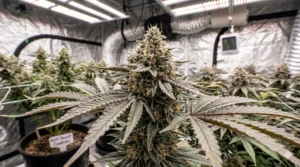
.jpg_01.jpeg "–")
Breeding autoflowering strains typically involves crossbreeding traditional cannabis varieties with cannabis ruderalis to introduce the autoflowering trait while maintaining desirable characteristics such as THC content and flavor profiles.
By utilizing advanced selection techniques, breeders can stabilize the autoflowering trait and improve key attributes such as yield and growth rates.
This meticulous process yields various autoflowering strains, each tailored to specific environments.
For instance, strains like Lowryder are known for their compact size and rapid cultivation cycles, making them ideal for indoor or limited-space setups.
Meanwhile, Northern Lights Auto combines potency with a robust flavor, catering to connoisseurs and casual growers.
As they experiment with different genetic pairings, breeders continue to unlock exceptional traits that appeal to a wide array of preferences, ensuring that every grower can find the perfect match for their specific needs.
What Are the Characteristics of Autoflowering Strains?
Autoflowering strains are characterized by their rapid growth cycles, shorter flowering times, and the ability to flower under any light schedule, making them incredibly versatile for growers. Their genetic makeup contributes to a unique visual appearance and plant characteristics such as compact size and lower yields compared to photoperiod strains.
These cannabis plants often have a compact size, making them ideal for small indoor gardens or discreet outdoor cultivation. Their yield can vary, but with proper nutrient management and cloning capability, autoflowering strains can produce high yields of potent buds within just a few weeks.
These strains typically start their flowering stage automatically after a specific period, regardless of the light conditions, thus allowing for greater flexibility in cultivation. Their environmental adaptability enables them to thrive in a wide range of climates, from cooler regions to warmer locales, making them a favorite among both novice and seasoned growers. Their robust nature tends to make them less susceptible to pests and diseases compared to traditional photoperiod strains, enhancing their genetic diversity.
- Growth Patterns: Rapidly transitions from seedling to flowering stage.
- Strengths: Shorter life cycles, high resilience, and versatility in planting.
- Weaknesses: Generally smaller yields and less potency compared to photoperiod strains.
In comparison, photoperiod strains require specific light schedules to initiate flowering, which can complicate their cultivation and management. While they often offer larger yields and higher potency, growers must invest more time and effort into managing light exposure. Ultimately, the choice between these two types depends on the grower’s specific needs and conditions.
What Are the Differences Between Photoperiod and Autoflowering Strains?
The primary differences between photoperiod and autoflowering strains lie in their flowering mechanisms, growth cycles, and overall cultivation requirements. While photoperiod strains rely on specific light schedules to initiate the flowering stage, autoflowering strains automatically transition to flowering based on age, allowing for rapid growth cycles and flexibility in growing conditions. This fundamental distinction significantly impacts yield optimization, THC content, and the cultivation experience required for successful cultivation.
Flowering Time
Flowering time is one of the most significant differences between photoperiod and autoflowering strains, with photoperiod strains, often used in horticulture, typically requiring longer periods of light management to trigger flowering. In contrast, autoflowering strains, partly derived from cannabis ruderalis, can flower within 8 to 10 weeks regardless of light exposure. This ability enables autoflowering strains to be harvested much sooner, making them an attractive option for growers looking for quick results.
The implications of flowering time extend beyond just the quick turnaround offered by autoflowering strains. For growers using photoperiod varieties, understanding and managing flowering times is crucial for optimizing harvest cycles, including harvest times and overall yield.
- Effective planning becomes essential, as knowing when plants will transition to flowering allows for better resource allocation and scheduling.
- Harvest cycles can be synchronized more efficiently, allowing for the staggered production of various crops, even in environments with unpredictable sunlight.
- Developing strategies, such as adjusting light schedules, can help manipulate flowering times in photoperiod strains, thereby improving outcomes.
By employing techniques such as light deprivation or supplemental lighting, growers can influence the timing of their photoperiodic crops, especially in indoor growing setups. These adjustments not only maximize the utilization of growing space but also enhance the overall efficiency in the cultivation process.
Yield
When comparing yield between photoperiod and autoflowering strains, photoperiod strains often have the potential for higher yields due to their longer vegetative periods, which allow plants to grow larger and produce more buds. Conversely, autoflowering strains may yield lower amounts per plant, but they can be grown in multiple cycles within the same timeframe, allowing for overall yield optimization across seasons or different growing environments.
To maximize yields, it’s essential to consider various factors, including environmental conditions, nutrient management, and plant size. For instance, environmental conditions play a crucial role; optimal light, temperature, and humidity levels, key environmental factors, can dramatically enhance growth rates.
- Nutrient management: Regularly testing soil and adjusting nutrient inputs can help in meeting the specific requirements of each strain type.
- Plant size: Training techniques such as topping or low-stress training can increase light penetration and airflow, promoting better bud formation, which is crucial for both sativa strains and others.
By focusing on these areas, growers can optimize yields for both photoperiod and autoflowering strains, ensuring a successful and fruitful harvest.
THC and CBD Content
.jpg_10.jpeg "–")
THC and CBD content can vary significantly between photoperiod and autoflowering strains, often influenced by the genetics of the parent plants, including the influence of cannabis ruderalis in autoflowering varieties. Typically, photoperiod strains are bred for higher THC content and a range of CBD strains, while autoflowering strains may have a more limited cannabinoid profile due to their accelerated growth cycles and genetic background, mainly from cannabis ruderalis.
Understanding how THC and CBD levels are determined is crucial for both growers and consumers navigating the cannabis landscape. THC content is a significant factor in assessing the potency of cannabis products. The variation in cannabinoid profiles can lead to profound differences in the effects, medicinal benefits, and overall user experience. Growers often select specific genetics to enhance desired traits, resulting in popular strains like:
- High THC Strains: Examples include ‘Girl Scout Cookies’ and ‘White Widow,’ both known for their potent effects.
- High CBD Strains: Strains such as ‘Charlotte’s Web’ and ‘ACDC’ are praised for their therapeutic benefits without the psychoactive high.
By choosing the right strain based on cannabinoid content, consumers can better tailor their experience to meet their individual needs.
Which Strain Is Best for Indoor Cultivation?
Choosing the best strain for indoor cultivation depends on various factors, including space, desired yield, and the grower’s experience. Feminized seeds are often a top choice for maximizing yield in controlled environments, where factors such as nutrients and environmental conditions can be closely monitored. High-yielding strains, whether photoperiodic or autoflowering, can significantly enhance production efficiency in an indoor garden, enabling growers to optimize conditions for optimal growth cycles.
Feminized Seeds
Feminized seeds are specifically bred to ensure that all plants are female, which is crucial for cannabis cultivation, as only female plants produce the buds desired by growers. By eliminating the risk of male plants and hermaphrodites, feminized seeds simplify the growing process and significantly increase the efficiency of crop production. Many seed banks now offer a diverse range of feminized seeds from various cannabis strains.
The cultivation of feminized seeds offers a range of advantages, primarily enhancing yield and resource management in a positive manner. First, by providing a higher percentage of female plants, growers can maximize their harvest, securing both quantity and quality of the buds.
- The elimination of male plants means reduced competition for nutrients and space.
- This leads to healthier plants and improved overall yields.
When selecting quality feminized seeds from reputable seed banks, it’s essential to look for well-reviewed strains that promise stability and vigorous growth. Ensuring seeds are sourced from trusted suppliers not only guarantees a higher success rate in growing female plants but also enhances the sustainability of cultivation practices, as these seeds often come with valuable growing insights and support.
High-Yielding Strains
High-yielding strains of cannabis are sought after by growers aiming to maximize their output, often characterized by robust growth and substantial bud production. These strains can be photoperiod or autoflowering and are carefully bred using advanced cultivation techniques to ensure optimal performance under specific environmental conditions. Understanding the characteristics that contribute to high yields is crucial for growers seeking to enhance their crop production.
When considering which strains to cultivate, it’s vital to evaluate several key factors that impact overall yield. These include growth habits, nutrient requirements, and ideal growing conditions.
High-yielding strains typically exhibit:
- Fast Vegetative Growth: These strains escalate quickly from seedling to flowering phase.
- Resilience to Pests and Diseases: Hardiness can significantly increase productivity.
- Optimal Light Exposure: Many thrive in environments that mimic their natural light cycles.
Some popular choices for indoor cultivation include strains such as ‘Blue Dream’ and ‘Critical Mass’, which are renowned for their prolific yields and manageable growth traits. By incorporating these elements, cultivators can enhance their harvests while minimizing potential setbacks.
Photoperiod vs. Autoflowering Strains
When considering photoperiod versus autoflowering strains for indoor cultivation, growers must weigh the benefits of each type against their specific growing conditions and objectives. While photoperiod strains offer greater control over flowering time and potentially higher yields, autoflowering strains provide ease of use and rapid growth cycles, which can be advantageous for novice growers.
In the realm of indoor gardening, the choice between these two types isn’t just about preference; it involves understanding one’s specific requirements. For those aiming for maximum yield, photoperiod strains typically outperform due to their ability to be manipulated for more extended vegetative periods, which can lead to larger plants and more robust harvests. Conversely, autoflowering strains are ideal for quick turnovers and are much easier to manage for individuals with less experience.
- Pros of Photoperiod Strains:
- Greater yield potential
- Control over flowering
- Ability to clone
- Pros of Autoflowering Strains:
- Short growth cycle
- Less light control needed
- Ideal for small spaces
Ultimately, the best option relies on evaluating personal goals, space allocation, and the desired pace of cultivation.
How To Choose the Right Strain for Your Needs
.jpg_11.jpeg "–") Choosing the right cannabis strain for your needs involves assessing various factors such as personal preference, growing environment, and desired effects, ensuring that the selected strain aligns with your cultivation goals and lifestyle. Factors such as THC content, CBD levels, and the strain’s growth characteristics can significantly impact your experience, whether you’re a beginner grower or a seasoned pro. Understanding the nuances of different cannabis strains allows for a more tailored selection process.
Choosing the right cannabis strain for your needs involves assessing various factors such as personal preference, growing environment, and desired effects, ensuring that the selected strain aligns with your cultivation goals and lifestyle. Factors such as THC content, CBD levels, and the strain’s growth characteristics can significantly impact your experience, whether you’re a beginner grower or a seasoned pro. Understanding the nuances of different cannabis strains allows for a more tailored selection process.
Personal Preference
Personal preference plays a crucial role in selecting cannabis strains, as different strains can produce various effects based on their THC and CBD content, as well as their unique flavor profiles. Growers should consider what effects they hope to achieve, whether for recreational enjoyment or medicinal purposes, and tailor their selection to match these goals.
Understanding individual preferences is essential, as cannabis selection can significantly impact the overall experience. Each strain possesses a unique cannabinoid profile that influences not only the effects but also the duration, intensity, and THC content of those effects.
- For instance, some users may seek strains that promote relaxation, while others prefer those that provide an energizing lift.
- The terpene content also contributes by adding flavors and aromas, enhancing the user’s enjoyment.
By taking the time to learn about personal reactions to various strains, individuals can make informed choices that better align with their specific needs and expectations, considering critical environmental factors.
Growing Environment
The growing environment is a critical factor in determining the best cannabis strain for cultivation, as different strains thrive under varying conditions. Indoor gardening allows for more controlled conditions, while outdoor growing is influenced by natural environmental factors such as sunlight and climate, which can significantly impact plant growth and yield. This makes understanding horticulture practices essential for successful cultivation.
When selecting a strain, it’s essential to consider how these contrasting environments can affect the overall health and productivity of the plant. For instance, indoor strains often benefit from regulated light cycles and precise nutrient delivery, making them well-suited for growers looking to maximize their yields regardless of seasonal changes. Conversely, understanding horticulture techniques can aid in optimizing these conditions further,
- Outdoor strains
- are typically more resilient
- to pests and diseases
adapting to the unpredictability of weather and soil types.
Thus, understanding the unique attributes of each strain in relation to environmental factors not only enhances growth but also plays a vital role in producing quality cannabis. Selecting the right strain based on these insights can significantly impact the success of any cultivation journey.
Desired Effects
Desired effects play a pivotal role in the choice of cannabis strains, with different strains offering varying levels of THC and CBD that cater to specific user needs, whether for relaxation, pain relief, or stimulation. Understanding these desired effects helps growers select the right strains for their personal requirements and expectations.
Choosing the right cannabis strain is not just about picking something at random; it requires a thoughtful consideration of the specific effects one desires. For instance, a strain high in THC content, such as Girl Scout Cookies, is often favored for its euphoric high, ideal for social gatherings or creative endeavors. Conversely, for those seeking pain relief or anxiety reduction, strains with higher CBD content like Charlotte’s Web can be more beneficial.
This understanding of the interplay between THC and CBD levels allows users to tailor their selection, ensuring they achieve the desired outcomes consistently. Exploring a range of strains can provide valuable insights into their varying effects, thereby enhancing the overall experience.
Seed Bank Reputation
The reputation of a seed bank is vital in ensuring the quality and reliability of cannabis seeds, including feminized seeds and various strain offerings.
A reputable seed bank will provide detailed information about their strains, including genetics, growing conditions, and expected outcomes, allowing growers to make informed decisions.
When evaluating a seed bank’s reputation, consider several key factors, including customer reviews, third-party testing results, and the establishment’s industry history.
High-quality cannabis seeds are essential for successful cultivation, making it crucial to research how previous buyers have fared with their purchases.
Effective customer service and transparent return policies also reflect a seed bank’s integrity and commitment to quality, which can significantly enhance your cultivation experience.
Frequently Asked Questions
What is the difference between photoperiod and autoflowering strains?
Photoperiod strains require a specific light cycle to flower, while autoflowering strains, often derived from cannabis ruderalis, automatically start flowering after a certain amount of time regardless of light cycle.
How do genetics play a role in cannabis strains?
Genetics determines various traits of a cannabis strain, such as potency, yield, and growth patterns.
Can photoperiod strains be grown outdoors?
Yes, photoperiod strains can be grown outdoors, but they require specific light cycles to flower and may not be suitable for all climates.
What are the benefits of using autoflowering strains?
Autoflowering strains have a shorter flowering time and can be grown in any light cycle, making them ideal for those with limited space or time.
Can photoperiod and autoflowering strains be bred together?
Yes, there are breeding techniques that can combine the traits of both photoperiod and autoflowering strains to create a new hybrid strain.
What is the advantage of using feminized seeds in cannabis cultivation?
Feminized seeds produce only female plants, which are preferred for their high yield and potency. This eliminates the risk of male plants pollinating the females and reduces the chances of hermaphrodites in the crop.
Seeds Here Now — Est. 2009
4,500+ Strains. 110 Breeders. Ships Discreet.
We grow them, test them, and stand behind every pack we sell. Shop the full collection at Seeds Here Now:
Suggested Articles
 10 Apr 2026
  8 min read

;)
;)
;)
 October 09, 2025


RESPONSES (0)
No responses yet. Be the first to respond!