


Beneficial Microbes for Cannabis: A Complete Guide to Healthier Plants and Bigger Harvests

Beneficial microbes for cannabis play a critical role in plant health, nutrient uptake, and soil vitality, yet they are often misunderstood or overlooked by growers. Whether you cultivate cannabis in soil, coco, or hydroponics, understanding how beneficial microorganisms work can dramatically improve root development, growth rate, stress resistance, and final flower quality.
This in-depth guide explains what beneficial microbes for cannabis are, how they function, why they matter, the different types available, how to use them correctly, and how they fit into organic and mineral-based feeding programs. If you want stronger plants and more resilient grows, mastering beneficial microbes is a major step forward.
What Are Beneficial Microbes for Cannabis?
Beneficial microbes are living microorganisms that form symbiotic relationships with cannabis plants. These microbes colonize the root zone, known as the rhizosphere, where they help plants access nutrients, defend against pathogens, and tolerate environmental stress.
Unlike harmful microbes that cause disease, beneficial microbes actively improve growing conditions by breaking down organic matter, converting nutrients into plant-available forms, and enhancing root health.
Common categories of beneficial microbes for cannabis include:
-
Mycorrhizal fungi
-
Beneficial bacteria
-
Trichoderma fungi
-
Enzymatic microbes
Each type serves a specific purpose, and many products combine multiple species to create a diverse microbial ecosystem.
Why Beneficial Microbes Matter for Cannabis
Cannabis did not evolve in sterile environments. In nature, roots coexist with billions of microorganisms that help plants survive and thrive. When growing cannabis in containers or amended soils, microbial populations are often limited or disrupted.
Adding beneficial microbes helps restore that natural balance and offers several key advantages.
Improved Nutrient Uptake
Microbes break down nutrients into forms that cannabis roots can absorb. This is especially important for phosphorus, calcium, magnesium, and micronutrients that often become locked out in poor soil conditions.
Stronger Root Systems
Beneficial microbes stimulate root branching and root hair development, increasing the surface area available for water and nutrient absorption.
Disease Suppression
Many beneficial microbes outcompete or inhibit harmful pathogens such as Pythium and Fusarium, reducing the risk of root rot and other soil-borne diseases.
Increased Stress Tolerance
Microbial activity helps cannabis plants tolerate heat, drought, overwatering, and nutrient stress more effectively.
Enhanced Yield and Quality
Healthier roots and better nutrient uptake often result in faster growth, denser flowers, and improved terpene expression.
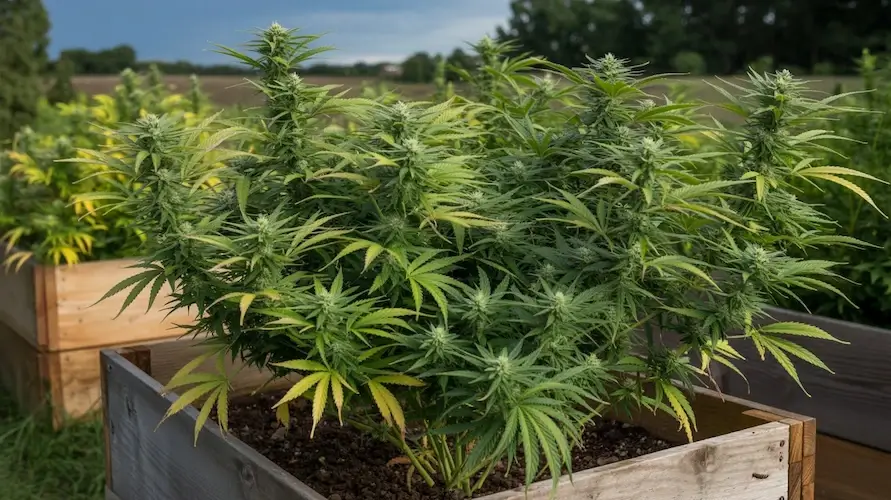
Mycorrhizal Fungi: The Foundation of Microbial Symbiosis
Mycorrhizal fungi are among the most important beneficial microbes for cannabis. These fungi form direct relationships with plant roots, extending far beyond the root zone into the surrounding soil.
How Mycorrhizae Work
Mycorrhizal fungi attach to cannabis roots and create microscopic filaments called hyphae. These hyphae act as extensions of the root system, dramatically increasing the plant’s ability to access water and nutrients.
In exchange for carbohydrates produced through photosynthesis, the fungi deliver nutrients to the plant.
Benefits of Mycorrhizal Fungi
-
Increased phosphorus uptake
-
Improved drought resistance
-
Enhanced root mass
-
Better transplant success
-
Increased overall vigor
Mycorrhizae are especially beneficial in soil and coco grows. They are less effective in sterile hydroponic systems unless specifically designed for that environment.
Beneficial Bacteria for Cannabis
Beneficial bacteria are another essential component of microbial life in the root zone. These bacteria perform a wide range of functions that support cannabis growth.
Common Types of Beneficial Bacteria
-
Bacillus species: Improve nutrient availability and suppress pathogens
-
Pseudomonas species: Enhance root growth and disease resistance
-
Azotobacter species: Assist with nitrogen fixation in organic systems
What Beneficial Bacteria Do
-
Convert organic nutrients into plant-available forms
-
Solubilize phosphorus and micronutrients
-
Produce enzymes and growth-promoting compounds
-
Protect roots from harmful microbes
Beneficial bacteria are useful in soil, coco, and hydroponic systems when properly applied.
Trichoderma: Protection and Performance
Trichoderma is a genus of beneficial fungi widely used in cannabis cultivation for its protective and growth-enhancing properties.
How Trichoderma Helps Cannabis
-
Attacks and suppresses pathogenic fungi
-
Stimulates root growth
-
Improves nutrient efficiency
-
Enhances stress resistance
Trichoderma is particularly valuable for preventing root diseases in warm or humid environments. It is often included in microbial inoculants and root health products.
Enzymes and Microbial Activity
While enzymes are not living organisms, they are closely tied to microbial systems and often included alongside beneficial microbes for cannabis.
Role of Enzymes
Enzymes break down dead root matter, organic residues, and nutrient salts in the growing medium. This cleanup process prevents buildup and creates additional food sources for beneficial microbes.
Enzyme activity helps maintain a clean, efficient root zone, especially in long vegetative cycles or reused soil.
Beneficial Microbes in Soil Grows
Soil is the most microbe-friendly growing medium for cannabis. Organic matter provides food, and soil structure supports microbial diversity.
Best Practices for Soil Microbes
-
Use compost, worm castings, or living soil blends
-
Avoid overwatering, which suffocates microbes
-
Maintain soil pH between 6.0 and 6.5
-
Avoid unnecessary chemical sterilants
In soil, beneficial microbes often thrive naturally when conditions are favorable, but inoculation can speed up establishment and improve consistency.

Beneficial Microbes in Coco Coir
Coco coir is inert and does not naturally contain microbial life, making inoculation especially important.
Why Coco Needs Microbes
Coco binds calcium and magnesium and lacks organic matter. Beneficial microbes help buffer nutrient availability and improve root health.
Growers using coco often rely heavily on:
-
Mycorrhizal fungi
-
Bacillus bacteria
-
Regular microbial reapplications
Maintaining consistent moisture is critical, as coco dries quickly and can stress microbial populations.
Beneficial Microbes in Hydroponics
Hydroponic systems present unique challenges for beneficial microbes due to constant water flow and limited organic matter.
Microbes in Hydro Systems
Certain beneficial bacteria and fungi are formulated specifically for hydroponic use. These microbes:
-
Compete with pathogens
-
Improve root health
-
Reduce biofilm and slime
Water temperature, oxygen levels, and cleanliness are critical for microbial success in hydroponics.
When To Apply Beneficial Microbes
Timing matters when using beneficial microbes for cannabis.
Best Application Times
-
At planting or transplant
-
During early vegetative growth
-
After stress events such as pruning or transplant shock
-
Periodically throughout the grow cycle
Early application allows microbes to colonize roots before harmful organisms take hold.
How To Apply Beneficial Microbes
Beneficial microbes can be applied in several ways.
Common Application Methods
-
Soil or coco drench
-
Root dip during transplant
-
Mixed into growing media
-
Added to irrigation systems
-
Applied as seed inoculants
Follow product-specific instructions carefully, as overuse does not necessarily increase effectiveness.
Common Mistakes With Beneficial Microbes
Many growers fail to see results due to avoidable mistakes.
Mistakes To Avoid
-
Using chlorinated or chloramine-treated water without neutralization
-
Overapplying chemical fungicides or sterilants
-
Allowing soil to dry completely
-
Expecting instant results
Beneficial microbes take time to establish and work best as part of a long-term strategy.
Organic vs. Synthetic Feeding and Microbes
Beneficial microbes are especially effective in organic and hybrid feeding systems.
Organic Systems
Microbes are essential for breaking down organic inputs into usable nutrients. Without microbes, organic fertilizers cannot function properly.
Synthetic Systems
Microbes can still improve root health and nutrient efficiency but must be managed carefully to avoid salt buildup and microbial stress.
Many modern growers use a hybrid approach, combining mineral nutrients with microbial support.
Do Beneficial Microbes Increase Yield?
While microbes are not magic additives, healthier root systems and improved nutrient uptake often lead to:
-
Faster growth
-
Stronger plants
-
Improved flower density
-
Enhanced terpene profiles
The biggest gains often come from consistency and long-term soil health rather than short-term boosts.
Final Thoughts on Beneficial Microbes for Cannabis
Beneficial microbes for cannabis are one of the most powerful yet underutilized tools available to growers. By supporting nutrient availability, root health, and disease resistance, microbes help cannabis plants perform closer to their genetic potential.
Whether you grow in soil, coco, or hydroponics, incorporating beneficial microbes into your cultivation strategy can lead to healthier plants, fewer problems, and more rewarding harvests. When paired with proper watering, nutrition, and environmental control, beneficial microbes become a cornerstone of successful cannabis cultivation.
Suggested Articles

 27 Mar 2026
  20 min read

;)
;)
;)
 January 05, 2026


RESPONSES (0)
No responses yet. Be the first to respond!