


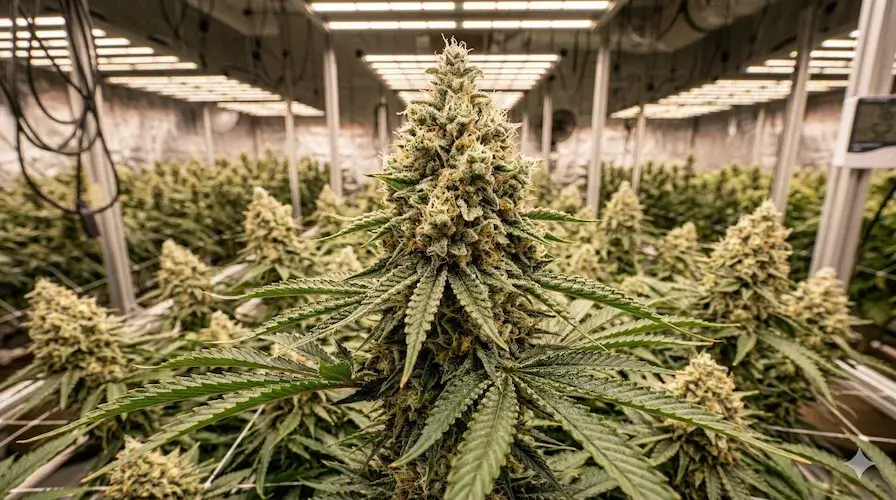
The CBD market has been buried in hype for a decade. Miracle cure-alls, overpromised dosing, and enough snake oil to fill a dispensary. None of that is what this guide is about. What this guide is about: what high-CBD cannabis actually is, what it does and doesn’t do, how to grow it, and which CBD strains at Seeds Here Now are worth your time and money.
CBD is not a scam. It’s a real cannabinoid with real documented properties. The scam is the exaggeration—the breathless claims that CBD fixes everything from cancer to credit card debt. The truth is more interesting and more useful than the marketing.
What Are High-CBD Cannabis Seeds?
High-CBD cannabis seeds are specifically bred to produce plants with elevated cannabidiol (CBD) content and reduced or negligible tetrahydrocannabinol (THC) content. The ratio between these two cannabinoids is what defines the seed type and determines the plant’s effect profile.
CBD seeds fall into a few distinct categories based on their cannabinoid ratio:
High-CBD, low-THC (20:1 or higher). Produces plants with CBD concentrations typically between 15% and 20% and THC below 1%. Essentially, no psychoactive effect. Used primarily for medical and wellness applications where intoxication is undesirable. Legal in most US states under hemp regulations when THC stays below 0.3%.
Balanced CBD:THC (1:1 or 2:1). Produces plants with roughly equal amounts of both cannabinoids, or CBD at a slight advantage. The combined effect is different from either cannabinoid alone—typically a mild, manageable psychoactive effect softened by CBD’s moderating influence on THC. Many medical users prefer this ratio for pain, anxiety, and sleep.
CBD-enriched (moderate CBD with present THC). Strains with meaningful CBD content (5% to 15%) alongside present THC (10% to 20%). Not primarily medical; instead, these strains offer a more rounded, nuanced effect than THC-only varieties. The CBD takes the edge off high THC and reduces anxiety risk.
Understanding which category you need before you buy seeds is not optional. A 20:1 CBD strain and a 1:1 balanced strain are genuinely different products with different applications. For a detailed breakdown of CBD and other cannabinoids, see our ultimate guide to CBD, CBG, CBN, and THC-A.
CBD vs. THC: What Each Cannabinoid Actually Does
THC binds directly to CB1 receptors in the brain and central nervous system, producing the intoxicating effect associated with cannabis. It also has genuine therapeutic properties—pain relief, appetite stimulation, nausea reduction—but those come packaged with psychoactivity, which some users want, and others don’t.
CBD does not bind directly to CB1 receptors. It modulates them. Research indicates CBD can reduce the intensity of THC’s psychoactive effects by competing for receptor binding sites, which is why 1:1 strains tend to produce a milder, less anxious high than THC-dominant strains of equal potency.
CBD independently has demonstrated activity in studies covering inflammation, anxiety, and seizure disorders. The FDA-approved pharmaceutical Epidiolex—a pharmaceutical CBD formulation—is used for specific severe epilepsy syndromes. The evidence base for anxiety and inflammation is more mixed but credible enough to take seriously. For a direct comparison of how these cannabinoids differ, see our CBD vs. THC breakdown.
What CBD cannot do: reverse serious diseases, replace pharmaceutical treatments without medical supervision, or work identically for every person. Individual response varies significantly. Anyone using CBD for medical purposes should do so with the awareness of their physician.
CBD vs. CBG vs. CBN: The Minor Cannabinoid Landscape
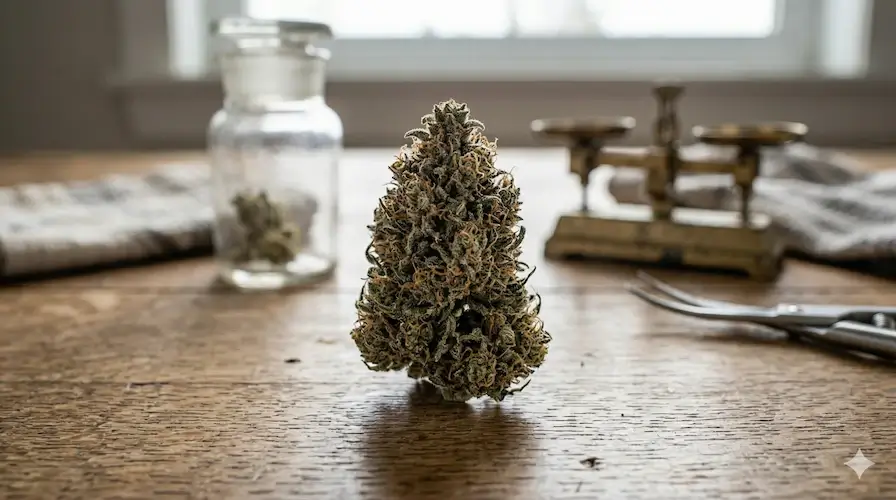
The cannabis plant produces over 100 cannabinoids. CBD gets the most attention, but it’s not the only one worth knowing.
CBG (Cannabigerol) is sometimes called the “mother cannabinoid” because CBGa is the precursor from which other cannabinoids, including CBD and THC, are synthesized. High-CBG strains are a newer category with growing interest from medical users. Research on CBG includes antibacterial properties, potential anti-inflammatory effects, and a possible role in intraocular pressure regulation. CBG-dominant plants are typically low in THC and CBD, with CBG concentrations reaching 15% or higher in purpose-bred lines. We carry a selection of high-CBG strains for growers interested in this emerging category.
CBN (Cannabinol) is a degradation product of THC—it forms as THC ages and oxidizes. Fresh cannabis contains minimal CBN; properly cured, older cannabis contains more. CBN is mildly psychoactive at high concentrations and is often associated with sedative effects, though the evidence base here is less robust than marketing suggests. CBN seeds are rare; more commonly, growers manage harvest timing and curing to allow natural CBN development. For more on the minor cannabinoid landscape, see our grower interviews on CBD, CBG, and CBN seeds.
Growing High-CBD Cannabis Seeds: What’s Different
CBD cannabis grows under the same conditions as any other cannabis plant. Same temperature, humidity, light, and feeding requirements apply. But there are a few things worth knowing before your first CBD grow.
CBD strains tend to have longer flowering times in photoperiod versions. Many high-CBD strains carry hemp genetics or older sativa-dominant CBD lines that were bred for cannabinoid profile rather than speed. Plan for 9 to 12 weeks in many cases. Autoflower CBD genetics have compressed this somewhat, but photoperiod CBD strains often run long.
Bud density varies more widely in CBD lines than in THC-optimized cannabis. Some high-CBD varieties produce airy, loose buds similar to hemp flower. Others produce dense, resinous buds comparable to any commercial THC strain. Breeder selection matters here—look for CBD varieties that specify bud structure in the product description if density matters to your application.
Testing is essential if you’re growing for a specific ratio. Cannabinoid ratios in high-CBD strains can vary by phenotype even within a single seed pack. Growing from feminized CBD seeds reduces this variance, but it doesn’t eliminate it. If you’re growing for a medical application where a specific CBD:THC ratio matters, test your finished product before relying on it.
Outdoor growing is often ideal for high-CBD strains. Many CBD genetics carry hemp or landrace ancestry that performs well under natural light and open-air conditions. The larger root zone available outdoors often leads to higher cannabinoid concentrations in CBD strains. See our guide on the best CBD and CBG seeds for indoor growing if space is a constraint.
Autoflower CBD varieties have improved significantly in recent years. Earlier autoflower CBD strains sacrificed too much in cannabinoid concentration for the speed advantage. Current generation autoflower CBD lines from reputable breeders hit respectable CBD concentrations in 70 to 80 days. See our breakdown of autoflower CBD, CBG, and THC-A seeds for the current landscape.
Who Should Grow High-CBD Cannabis Seeds?
CBD cannabis seeds serve a more specific market than THC-dominant varieties, which means knowing whether you’re actually in that market before you order matters. Four groups make up most CBD seed buyers.
Medical users who need CBD without intoxication. Growing for personal use, treating specific conditions—anxiety, chronic pain, inflammation, certain epilepsy syndromes—and requiring reliable cannabinoid ratios across grows. Feminized high-CBD cannabis seeds from tested, stable lines are the right product. Consistency matters more than novelty here.
Medical users who want CBD combined with THC. For conditions where the combination is more effective than either cannabinoid alone, such as certain pain syndromes, cancer-related symptoms, and PTSD. Balanced 1:1 or 2:1 CBD:THC strains serve this group. The “entourage effect“—the idea that cannabinoids work better together than in isolation—has research support and significant anecdotal backing from medical users who’ve run both protocols.
Recreational users who want lower-anxiety cannabis. Not everyone wants to be pinned to the couch by a 30% THC cultivar. CBD-enriched strains with present but moderated THC offer a more functional, less edge-of-panic experience. A growing segment of the recreational market—particularly older users returning to cannabis after a long break—is specifically seeking these varieties.
Breeders and growers interested in cannabinoid diversity. The CBD and CBG breeding space is genuinely frontier territory. Breeders are creating new ratios, new terpene combinations alongside high-CBD profiles, and cultivar types that didn’t exist five years ago. If you’re interested in working with genetics that most growers ignore, this is a wide-open field. For market context, see our piece on the rising demand for high-CBD and CBG seeds.
The Best High-CBD Strains at Seeds Here Now
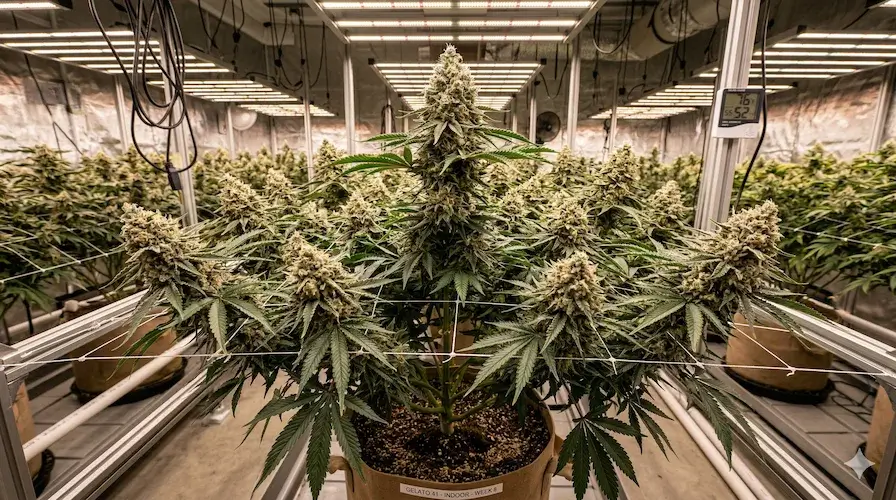
These are the CBD lines worth growing—selected for cannabinoid profile reliability, growing performance, and real-world user results.
Charlotte’s Angel CBD (Dutch Passion)
One of the most recognized high-CBD strains in the European and American markets. Charlotte’s Angel delivers CBD concentrations in the 15% to 18% range with THC typically below 1%—a clean 20:1 or higher ratio depending on phenotype. Sativa-dominant structure, good outdoor performance, and a flavor profile that runs to mild citrus and earth. Dutch Passion has been working this line long enough that the genetics are stable and consistent across grows. No psychoactive effect at normal doses. Pure CBD delivery.
Indicators CBD (Best Coast Genetics)
A standout among American CBD selections. Indicators CBD delivers a CBD-forward cannabinoid profile with complex terpenes that make it more interesting than most hemp-derived CBD strains. Earthy and slightly floral, with effects that users describe as clarifying and focused rather than sedating. The name fits—it’s a strain that shows you what CBD can actually do when grown well. Full Indicators CBD strain review here.
Sweet Pure CBD (Sweet Seeds)
Exceptionally high CBD concentrations—reports consistently come in above 15%, with THC below 0.5%. Sativa-dominant genetics from Sweet Seeds, a Spanish breeder with a serious track record in cannabinoid-specific development. Fast flowering for a high-CBD strain (around 8 weeks). The flavor is mild and pleasant without the grassy hemp quality that turns some users off of CBD flower. A reliable production strain for CBD-focused growers.
Doctor Seedsman CBD 30:1 (Seedsman)
A 30:1 CBD:THC ratio makes this one of the most THC-restricted CBD strains available anywhere. Asian CBD genetics crossed and stabilized for maximum CBD, minimum THC. If you need CBD flower that stays completely within legal THC limits and delivers a high cannabinoid concentration, this is your strain. Compact growth, reasonable yield for the CBD sector, 8 to 9-week flower time.
Jazz the Glass CBD (Best Coast Genetics)
A more novel CBD offering—this strain brings interesting terpene diversity to a CBD-focused cannabinoid profile. Best Coast Genetics has been doing thoughtful work in the CBD space, developing strains that don’t sacrifice flavor for cannabinoid ratios. Jazz the Glass delivers both. Worth growing for users who find standard CBD flower uninspiring from a sensory standpoint.
Very Cherry Berry CBD (Best Coast Genetics)
Sativa-dominant hybrid with sweet cherry and berry terpenes, low THC (0.3% to 0.5%), and a CBD-forward profile that skews creative and energetic rather than relaxing. Rare in the CBD sector, which tends toward sedating indica-dominant genetics. If you’re looking for a daytime CBD strain that doesn’t make you want to lie down, this is the one to grow.
Frequently Asked Questions About High-CBD Cannabis Seeds
Will growing high-CBD cannabis get me high?
Depends entirely on the ratio. A 20:1 CBD:THC strain with 0.3% THC will produce no meaningful psychoactive effect. A 1:1 balanced strain will produce a mild, manageable effect. A CBD-enriched strain with 15% THC and 8% CBD will get you high, just with less anxiety than a THC-only version. Know your ratio before you buy.
Is growing high-CBD cannabis legal?
If the plant stays below 0.3% THC at harvest, it qualifies as industrial hemp under the 2018 Farm Bill and is legal to grow in most US states. State laws vary, and some states have stricter hemp regulations. Cannabis plants with CBD concentrations above 0.3% THC are subject to state cannabis regulations, not federal hemp law. Know your jurisdiction before growing.
Does feminized CBD mean the cannabinoid ratio is guaranteed?
Feminized means all female plants—it does not guarantee a specific cannabinoid ratio. Reputable breeders test their CBD lines and publish expected ratios based on phenotypic averages. Individual plants can vary, particularly in strains that haven’t been fully stabilized. Third-party testing is the only way to confirm what you grew.
What’s the difference between hemp seeds and CBD cannabis seeds?
Legally, little. Both must stay below 0.3% THC to qualify as hemp. Practically, purpose-bred high-CBD cannabis seeds from seed banks tend to produce plants with higher CBD concentrations, better terpene profiles, and more appealing flower structure than commodity hemp seeds. You’re paying for selection and breeding, not just CBD production.
Can CBD strains be grown alongside THC-dominant plants?
Yes, with one critical caveat: if you’re growing CBD and THC plants in the same space and either has regular seeds with males present, cross-pollination can shift the cannabinoid ratios of both. To maintain stable CBD ratios in your CBD strains, grow feminized plants or keep males strictly separated.
How long do CBD cannabis plants take to flower?
Photoperiod CBD strains typically flower in 8 to 12 weeks, with many high-CBD lines running longer than THC-dominant strains due to hemp or sativa landrace genetics. Autoflower CBD varieties finish in 70 to 90 days from seed. Check specific strain data, as there’s significant variation in this category.
Do CBD strains yield less than THC-dominant strains?
In many cases, yes. CBD-specific breeding has historically prioritized cannabinoid profile over yield optimization. That gap has closed significantly in recent years as breeders have worked yield improvement into CBD lines. Current-generation CBD strains from focused breeders produce respectable yields—just evaluate expectations against actual strain data rather than assuming equivalency to top THC producers.
Shop High-CBD Cannabis Seeds
Seeds Here Now carries an extensive collection of high-CBD, balanced CBD:THC, and CBD-enriched genetics from vetted breeders. Whether you’re growing for medical application, lower-anxiety recreational use, or cannabinoid exploration, the full catalog is available.
Browse High-CBD Cannabis Seeds