


Calcium Deficiency in Cannabis: Signs and Solutions
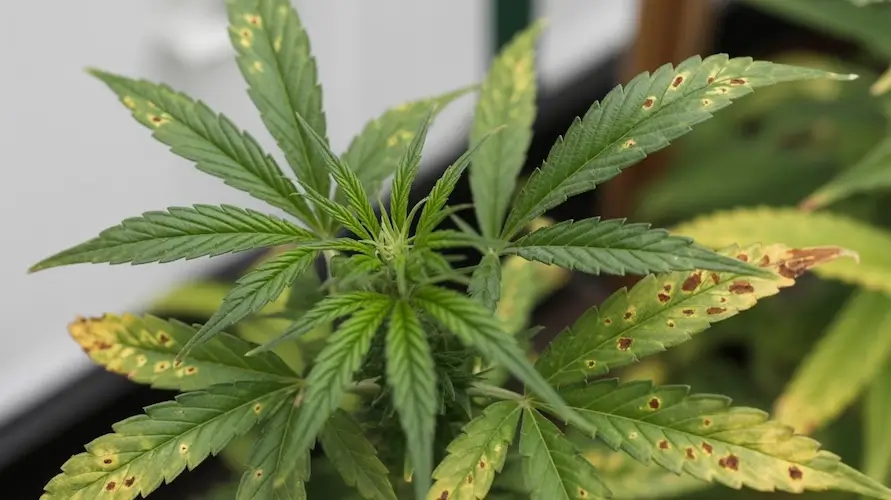
Up to 70% of growers will deal with calcium deficiency in cannabis, making it one of the most common nutrient problems in the garden. When calcium runs low, plants can lose structural strength, struggle with stress, and ultimately produce smaller, lower-quality buds.
What makes calcium issues tricky is how quietly they develop. Even experienced growers often don’t notice the problem until flowering, when symptoms—brown or bronze spots, yellowing leaves, and curling edges—finally become obvious. Since calcium moves slowly through the plant, early signs can be easily missed.
In many cases, the real cause isn’t the nutrient itself but what’s happening at the roots. Low pH, soft water, and coco coir can all block calcium uptake, potentially triggering a deficiency. That’s why knowing your water source and growing medium is essential.
In this guide, we’ll break down how to identify calcium issues quickly, what causes them, and how to fix the problem before it impacts your harvest.
Key Takeaways
- Calcium deficiency affects up to 70% of cannabis crops
- Symptoms often appear during the flowering stage
- Look for brown spots and yellowing on newer leaves
- Low pH at the roots is a common cause of calcium deficiency
- Understanding your growing medium and water source is crucial
- Early detection and intervention are key to healthy plants
Understanding the Role of Calcium in Cannabis Plants
Calcium is essential for the nutrition of cannabis plants. It helps with key growth processes. Knowing its importance leads to healthier, more vigorous plants.
Importance of Calcium for Plant Structure
Calcium builds strong cell walls in cannabis. It’s like the plant’s skeleton, making the formation of stems and branches a challenging process. Plants lacking sufficient calcium are weak and prone to breaking easily.
- Supports root development
- Strengthens stems and branches
- Aids in protein synthesis
Calcium’s Function in Nutrient Uptake
Plants must absorb calcium for their nutritional needs. It allows roots to grow more to absorb water and obtain nutrients. This is vital for a plant’s overall health.
How Calcium Affects Plant Stress Tolerance
Enough calcium helps plants handle stress. They can better withstand heat and bugs. Strong calcium levels lead to better growth and healthier buds during tough times.
“Calcium is the unsung hero of cannabis plant nutrition, silently working to build strong plants that can weather any storm.”
Watch calcium levels closely; excessive or insufficient levels harm plants. Test the soil regularly and use a balanced fertilizer to ensure optimal growth. Good calcium care means healthier and more productive crops.
Common Causes of Calcium Deficiency in Cannabis
Cannabis growers often face numerous challenges, including maintaining the health of their plants. A significant issue is calcium deficiency, which negatively impacts plant growth and yield. It’s key to understand why this happens to keep your cannabis plants healthy.
- Low pH at the roots
- Use of filtered or reverse osmosis water
- Lack of calcium supplementation in hydroponic systems
- Acidic soil (pH below 6.2)
- Overwatering
- Genetic predisposition of certain strains
- Intense lighting during flowering
The pH of the soil affects how well plants absorb nutrients. Aim for a soil pH between 5.8 and 6.2 to ensure optimal calcium intake. In hydroponics, the ideal pH is 5.5 to 6.5. Test the soil pH regularly to prevent nutrient deficiencies.
Water quality matters too. Filtered or reverse osmosis water lacks sufficient minerals, such as calcium. Add calcium supplements to this water. Alternatively, use tap water with the optimal amount of calcium (150-200 ppm).
Overwatering can block nutrient absorption, including calcium. Make sure your plants’ roots have good drainage. Don’t let the soil stay too wet. Doing this helps keep your plants healthy and maintains the proper calcium levels.
Different cannabis strains may need more calcium. Look up what your strain needs and feed it the right amount. This approach maintains the health of plants throughout their entire growth cycle.
Plants require more calcium when exposed to intense light, such as during the flowering stage. Oversee your plants, then. Adjust the nutrients if you see they need more to grow strong flowers.
“Prevention is better than cure. Regular monitoring and proactive nutrient management are key to avoiding calcium deficiencies in cannabis cultivation.”
Focusing on these key causes can help prevent calcium problems in your cannabis plants. Proactive steps lead to healthier plants and better growth. With the proper care, your growing experience will be more successful.
Identifying Calcium Deficiency Symptoms
It’s key to watch out for calcium deficiency signs in cannabis plants to keep them healthy. Spotting these symptoms early is vital. It helps prevent significant damage to the crop.
Visual Cues on Leaves and Stems
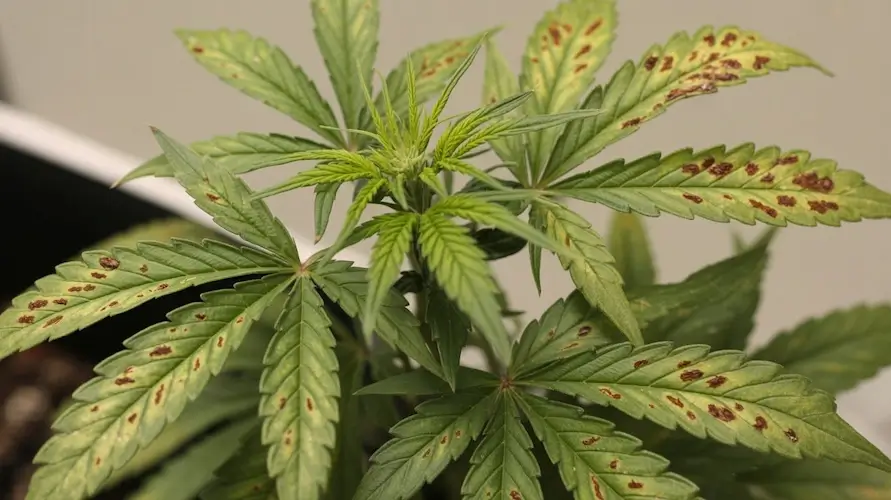
Signs of calcium deficiency often show up first on the leaves and stems. Watch for these key indicators:
- Brown spots on leaves, about 1-5mm wide
- Yellow leaves with green veins
- Curled leaf edges
- Weak and brittle stems
- Stunted growth in new shoots
These hints often start on the plant’s new top leaves and can worsen if ignored. In severe cases, leaf tissue may begin to die.
Root System Indicators
Calcium deficiency severely impacts a plant’s roots, even though we can’t see it at once. Signs of trouble include:
- Weak roots
- Brown roots
- Less nutrient absorption
These root problems prevent the plant from absorbing nutrients properly. This exacerbates the effects of calcium deficiency.
Effects on Overall Plant Growth
Lack of calcium harms the plant’s health and growth everywhere. Keep an eye out for general symptoms like:
- Pale growth
- Leaves wilting
- Branches that break easily
- Buds are not developing well
- Little tolerance to high heat
If you see these signs, act fast. Good cannabis plant nutrition, with sufficient calcium, is crucial for a vigorous and productive plant. Remember, hydroponic setups are more likely to face calcium deficiency than soil-based growing.
The Relationship Between pH and Calcium Absorption
pH is crucial for cannabis plants to absorb calcium. This connection is essential for maintaining optimal growing conditions. It also stops nutrient shortages. We’ll examine how pH affects calcium intake. We’ll learn what to do so your plants get enough calcium.
In soil, cannabis plants absorb calcium most effectively at a pH level between 6.2 and 7.0. In hydroponics or coco coir, the ideal range is 6.2-6.5. It’s key to remember this. Even if your soil contains calcium, the wrong pH level can prevent plants from utilizing it.
pH Monitoring and Adjustment
Monitoring pH levels is essential to prevent calcium-related issues. Here’s what to do regularly:
- Check your soil’s pH at least once a week
- If it’s off, use pH solutions to fix it
- Recheck it to make sure it’s right
Always make changes gradually to avoid stressing your plants. Quick changes can shock your cannabis.
Impact of Water Quality
The type of water also affects pH and calcium levels. Reverse osmosis water is very pure but needs extra calcium. Hard water may contain excessive calcium. This can disrupt your plant’s nutrient balance.
| Water Type | pH Impact | Calcium Content | Recommended Action |
|---|---|---|---|
| Tap Water | Variable | Moderate | Test and adjust pH as needed |
| Reverse Osmosis | Neutral | Low | Add Cal-Mag supplement |
| Hard Water | High | High | Watch out for too much calcium |
Getting the pH right helps your plants use more than just calcium. It allows all nutrients to be available. This supports strong cannabis growth. Keeping pH in check is vital for good growing results.
Calcium Deficiency in Cannabis: Signs and Solutions
It’s key to know and fix calcium deficiencies early in cannabis. This early step can prevent significant harm to your plants. We will talk about how to see, handle, and stop calcium problems in your cannabis garden.
Early Detection Methods
Seeing calcium deficiency early is essential for your plants. Look for these signs:
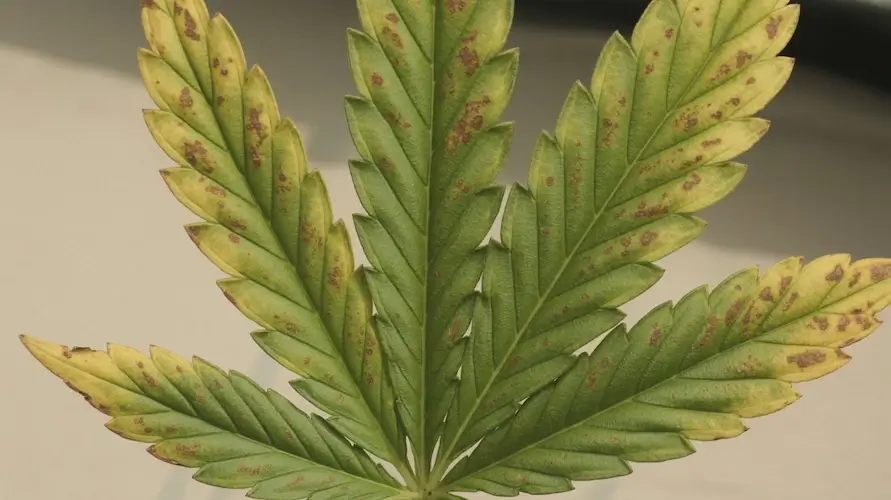
- Edges of young leaves are turning yellow or brown
- Plants are not growing well
- Stems are weak
- Leaves have spots
Check your plants often, especially new leaves and those getting more light. It can take five weeks for signs to show, so watching closely is crucial.
Immediate Actions To Take
Act quickly if you see calcium deficiency signs:
- Check the pH of your soil or water
- Clean the system with water at the proper pH
- Add a fertilizer high in calcium
- Use sprays on leaves to fix it fast
For soil, maintain a pH level between 6.2 and 7.0. In hydroponics, 6.2 to 6.5 is best for calcium. With proper care, your plants should begin to show improvement within about five days.
Long-Term Prevention Strategies
To avoid future calcium problems and keep your plants healthy:
- Give them calcium and magnesium supplements often
- Keep the pH levels correct
- Adjust the food you give them as they grow
- Watch the environment closely
- Follow a good fertilizing plan
Remember, your plants require more calcium as they begin to bloom. Test your soil every few months to make sure it has what your plants need. With these steps, you can stop nutrient issues and care for your cannabis plants well.
Calcium Supplements and Nutrient Solutions for Cannabis
Calcium is a key player in cannabis plant nutrition. To fix any shortages, many growers use supplements and nutrient solutions. These tools keep marijuana plants healthy through their growth phase.
Within the cannabis world, Cal-Mag supplements stand out for fixing calcium problems. They mix calcium and magnesium. Both are vital for strong, healthy plant growth. Cal-Mag products adapt well to any growing setup, which is their significant advantage.
If you prefer organic growing, there are plenty of earth-friendly options:
- Dolomite lime (calcium and magnesium source)
- Fish bones
- Seashells
- Crushed eggshells
These choices not only boost calcium but also support the environment. They release their nutrients slowly, promoting the plant’s well-being over time.
Knowing the right amount of calcium supplement to use is crucial. Too much of it can throw off the plant’s nutrient balance. Always follow the instructions on the product and monitor your plant’s reaction.
| Supplement Type | Application Method | Nutrient Release |
|---|---|---|
| Cal-Mag | Mixed with water | Quick release |
| Dolomite Lime | Mixed into the soil | Slow release |
| Crushed Eggshells | Mixed into the soil | Very slow release |
For those growing hydroponically, go for liquid calcium supplements. They blend into water fast. Nutrients in soil can benefit from either liquid forms or granules.
If you treat a calcium shortage, you should see improvements in five days. If things don’t improve, reconsider your strategy. Sometimes other factors can slow nutrient absorption.
Balancing Calcium With Other Nutrients
Growing cannabis right means keeping a careful eye on nutrients. To achieve the best results, it is essential to understand how these elements interact. This includes understanding calcium and its connection with other key nutrients.
The Cal-Mag Connection
In the world of cannabis, not getting enough calcium and magnesium is a big deal. They’re key to a plant’s overall health. Here’s why they matter:
- Calcium strengthens cell walls and supports new growth
- Magnesium is vital for photosynthesis and metabolic processes
When there’s a shortfall, many growers turn to Cal-Mag supplements. This is especially true for hydroponic setups, where inert media can lead to deficiencies.
Avoiding Nutrient Lockout
But you can have too much of a good thing. Too much calcium can lock out other essential nutrients from being absorbed. This can stop the plant from getting:
- Potassium
- Magnesium
- Manganese
- Iron
Even if these nutrients are there, your plant might miss out. Regular checks are vital to stop this from happening.
Optimizing Nutrient Ratios
Getting the proper nutrient balance keeps your plants healthy. Here’s a brief guide to help you find the correct ratios:
| Growth Stage | Calcium (ppm) | Magnesium (ppm) | Potassium (ppm) |
|---|---|---|---|
| Seedling | 100-150 | 40-60 | 80-120 |
| Vegetative | 150-250 | 50-100 | 150-200 |
| Flowering | 200-300 | 75-125 | 200-300 |
But these are just starting points. Your strain and setup might need different amounts. Watching your plants closely and adjusting as needed is crucial for success.
“The key to successful cannabis cultivation lies in understanding and maintaining the delicate balance of nutrients throughout the plant’s life cycle.”
Achieving the proper balance of nutrients is essential. With practice, you can create the best conditions for your cannabis. This minimizes the risk of nutrient problems.
Environmental Factors Affecting Calcium Uptake
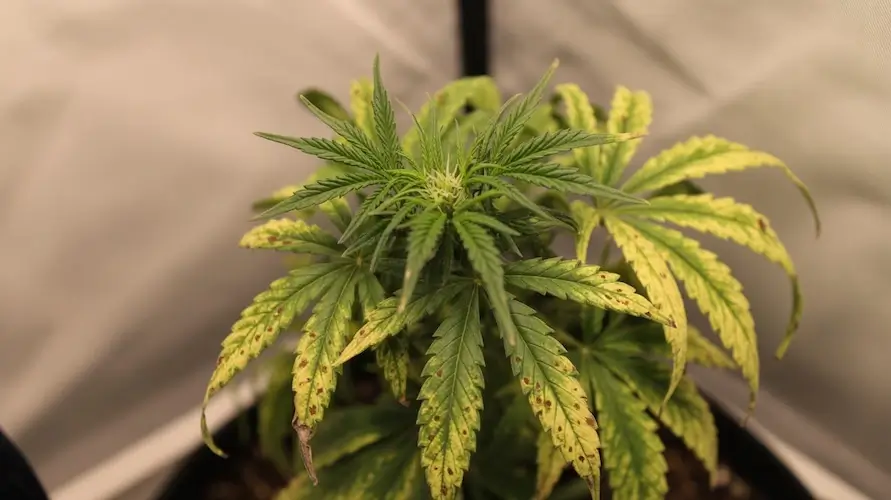
The environment in a cannabis grow room is crucial for absorbing calcium. It’s key to understand and control these factors. This ensures the plants get the nutrients they need for healthy growth.
The root zone temperature is crucial for how plants absorb nutrients. If it’s too hot or too cold, they may not absorb enough calcium. The best temperature range for absorbing calcium is between 65°F and 75°F (18°C to 24°C).
The humidity in the grow room also affects how well plants can transport calcium. Excessive moisture can slow down this process, potentially causing issues. Keeping the humidity between 40% and 60% is beneficial for plants to absorb calcium effectively and remain healthy.
- Light intensity impacts how much calcium cannabis plants need
- Strong lights make plants need more calcium
- Good air flow is essential for the best uptake conditions
It’s also vital to monitor pH levels, as they significantly impact nutrient availability. For cannabis plants, the best pH range is between 6.0 and 7.0. This ensures they can efficiently take in not just calcium but also other vital nutrients.
A balanced grow room is the basis for healthy cannabis and good nutrient absorption.
Always check the environmental factors to avoid calcium issues and help the plants grow strong. By managing temperature, humidity, light, and air, growers can establish the perfect cannabis grow room. This room will fulfill the plants’ nutrient needs and help them flourish.
Organic vs. Synthetic Calcium Sources for Cannabis
For cannabis plant nutrition, growers must pick between organic and synthetic calcium sources. Things like dolomite lime, bone meal, and crushed eggshells are organic. They release calcium slowly, improving the soil over time. They also help the soil’s tiny life, improving the taste and smell of the cannabis buds.
But, synthetic sources like calcium nitrate work fast. They’re great for setups like hydroponics. These options provide quick fixes for calcium needs, but can disrupt the soil’s acidity if not used properly.
Choosing between organic and synthetic options depends on how you grow and your goals. Organic choices are better for the earth and improve soil quality. Synthetic decisions are quick and good for very controlled setups. Some farmers use a mix of both to get the best of each, aiming for top-notch cannabis growth.
FAQs
What is the importance of calcium for cannabis plants?
Calcium is vital for a cannabis plant’s structure and its ability to handle stress. It builds cell walls and boosts the root system. Calcium helps plants absorb nutrients, grow root hairs, and cope with stress, such as high temperatures. It is key to photosynthesis and the plant’s overall growth.
What are the common causes of calcium deficiency in cannabis?
Low root pH, certain water types (such as filtered or reverse osmosis), a lack of calcium supplements in hydroponics or coco coir, and acidic soil are common deficiencies that can occur. Overwatering can also lead to calcium lockout. Some strains require more calcium, which is influenced by intense light, particularly during the flowering stage.
How can I identify calcium deficiency symptoms in my cannabis plants?
Look out for brown spots, yellowing, slow growth, and curved leaf edges. The plant may have weak stems, and new growth could be purple or yellow. The roots become weak, too. The plant will appear stressed and may struggle to produce buds.
How does pH affect calcium absorption in cannabis plants?
Maintaining the correct pH level is vital for optimal calcium absorption. In soil, aim for a pH range of 6.2 to 7.0. In hydroponics or coco coir, maintain a pH level between 6.2 and 6.5. An incorrect pH level can prevent plants from utilizing available calcium. It’s essential to regularly check and adjust the pH to avoid deficiencies.
What immediate actions should I take to address calcium deficiency in my cannabis plants?
Spot the signs early by checking the new growth and exposed leaves often. If you see symptoms, flush the system with balanced water and nutrients. For lasting health, use Cal-Mag and maintain the proper pH level, adjusting as needed. Within a week, the new leaves should look better.
What calcium supplements and nutrient solutions are recommended for cannabis?
Many growers prefer Cal-Mag supplements, such as CaliMagic, for those transitioning to organic practices. Alternatives include dolomite lime, fish bones, and crushed eggshells. It’s crucial to use the right amount to avoid overloading the plant with excessive nutrients.
How do I balance calcium with other nutrients in my cannabis plants?
Balancing calcium and magnesium is essential to prevent other nutrient lockouts. An excess of calcium might block potassium, magnesium, and other needed nutrients. Carefully choosing a complete nutrient solution made for cannabis helps keep nutrients in check. It’s necessary to monitor and adjust regularly throughout the growth process.
What environmental factors affect calcium uptake in cannabis plants?
The temperature in the root zone can impact nutrient absorption, as can high humidity. Light intensity affects calcium needs. Good air circulation and the right temperature keep calcium uptake conditions optimal.
Should I use organic or synthetic calcium sources for my cannabis plants?
Organic sources, such as dolomite lime, help the soil release calcium slowly and sustainably. Despite being quick, synthetic sources might disturb soil pH. Synthetic cal-mag is favored in hydroponics for its precise nutrient control. Choose based on your preference for speed and cultivation goals.
Suggested Articles

 09 Jan 2026
  10 min read


;)
;)
;)
 November 28, 2025


RESPONSES (0)
No responses yet. Be the first to respond!