


Black Truffle Strain Review: Effects, Flavor, and Grow Tips

If you’re passionate about the marijuana world and enjoy trying new cultivars, then you’ve surely heard of the Black Truffle strain.
Let’s dive right in!
Key Takeaways:
- The origins of Black Truffle can be traced back to Gelato 33 and another unknown strain
| Type: | Indica-dominant hybrid |
| Aroma: | Earthy, Woody, Spicy, Sweet |
Origins of the Black Truffle Strain
Black Truffle is a fascinating strain that results from a unique combination of Gelato 33 and another strain of unknown origin. While Gelato 33 is a well-known strain that traces its roots back to the Bay Area of California, the unknown parent of Black Truffle brings an exotic mystery to this marijuana hybrid.
Its status as an exotic marijuana strain only adds to its allure, making it a must-try for cannabis enthusiasts.
Black Truffle’s Terpene Profile
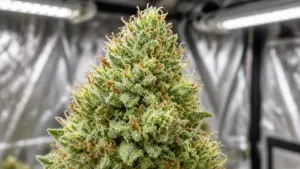
Black Truffle is renowned for its unique terpene profile, which offers a tantalizing aroma and flavor experience. The strain’s aroma features a combination of earthy, woody, and spicy notes, with hints of sweet fruit and chocolate. Its incredibly distinct scent has made it one of the most sought-after strains on the market.
Black Truffle is the ideal strain for those who appreciate unique and flavorful cannabis experiences.
The flavorful truffle strain has become increasingly popular in recent years, with many users seeking out its exotic and premium cannabis experience. Whether you’re a connoisseur looking to explore unique flavor profiles or a casual user seeking a pleasurable cannabis experience, Black Truffle is the perfect strain for you.
Cultivating the Black Truffle Strain: Tips and Tricks
Cultivating premium cannabis strains like Black Truffle (Gelato 33 x Unknown) requires careful attention and dedication. Let me share some tips and tricks to help ensure your Black Truffle cultivation is an optimal success!
1. High-Quality Genetics
Starting your cultivation with premium genetics is key to producing top-tier cannabis. Make sure to read customer reviews and choose a seed or clone vendor that offers authentic Black Truffle genetics.
Starting your cultivation with high-quality genetics is key to producing top-tier cannabis.
2. Indoor vs. Outdoor
Indoor cultivation can be accomplished with grow tents, while outdoor cultivation requires a warm, dry climate with adequate sunlight.
3. Nutrients and Watering
The Black Truffle strain thrives when provided with a nutrient-rich soil mix and regular watering. During vegetative growth, the plant requires higher levels of nitrogen, while during flowering it needs more phosphorus and potassium. Overfeeding or underwatering can lead to stunted growth and inferior-quality buds.
Black Truffle thrives on a nutrient-rich soil with regular watering.
4. Training and Pruning
Techniques like topping, low-stress training, and defoliation can help shape and strengthen the plant, promoting even canopy growth and better light penetration. Pruning can remove weaker branches and leaves to focus plant energy on producing larger, denser buds.
5. Harvest and Curing
Harvest when the trichomes turn cloudy and amber, and carefully dry the buds in a cool, dark area with good ventilation. Curing involves storing dried buds in a sealed jar for two to four weeks, periodically burping to release excess moisture.
By following these tips and tricks, you can cultivate premium Black Truffle cannabis with confidence. Remember, Black Truffle is an exotic marijuana strain that requires expert care, but with dedication and attention to detail, you can produce a top-shelf product that’s truly worth savoring.
Black Truffle in the Cannabis Community
Black Truffle (Gelato 33 x Unknown) has quickly gained popularity within the cannabis community due to its exotic and flavorful qualities. As a truffle strain, it offers a unique and distinctive terpene profile that stands out among other strains.
Overall, it is clear that Black Truffle has earned its place within the cannabis community, and its unique qualities continue to attract new fans every day.
Comparing Black Truffle With Related Lines
Before you choose a Black Truffle pack, check the lineage printed by the breeder, because different releases of the same name can be built from different parents. Knowing the parents helps you predict structure, aroma and flowering behaviour, and it makes it easier to compare Black Truffle with its relatives.
These related listings in our catalog are worth comparing:
Breeders often work from different cuts or selections of the same parent, so read each label and note the exact cross as printed.

Strain Reviews Related to Black Truffle
If you are researching Black Truffle, these Seeds Here Now reviews cover related lines:
Reading a Black Truffle Seed Pack Label
A breeder label usually shows the strain name, the breeder, the seed type and the seed count. Feminized packs are labelled as such, regular packs contain a natural mix of male and female seeds, and autoflower packs are marked “auto”. Many breeders also print the cross, for example “Parent A x Parent B”, plus a filial marker such as F1, F2, S1 or BX.
F1 means a first-generation cross of two distinct parents, S1 means seeds made from a single parent, and BX means a cross back to one of the original parents. When you compare Black Truffle packs, these markers tell you how close each release is to the original line.
Feminized, Regular or Auto: Choosing a Black Truffle Pack
Feminized seeds are bred to produce female plants, which keeps things simple when space is limited. Regular seeds produce males and females and remain the choice for anyone who wants to make their own crosses or keep a line going from seed. Autoflower versions flower on their own timeline regardless of light hours, which suits short outdoor seasons and quick indoor runs.
Match the seed type to your space, your season and how much time you have, then check the breeder’s notes on flowering time and plant size before you choose a Black Truffle pack.
How to Spot a Genuine Black Truffle Pack
Popular names get copied, and two packs called Black Truffle can come from completely different parents. Genuine breeder packs have consistent printing, a clear breeder name or logo and a sealed closure, and many carry a batch code or security sticker. Blurry artwork, misspelled names or loose seeds in a plain bag are warning signs.
The simplest protection is buying sealed packs from a seed bank that names the breeder on every listing, like the ones linked above.
Storing Black Truffle Seeds Until You Plant
Seeds stay viable longest when they are kept cool, dark and dry. Leave Black Truffle seeds in their sealed pack, place the pack in an airtight container with a food-safe desiccant packet, and store it somewhere with a steady temperature, such as a refrigerator shelf that is not opened constantly.
Label the container with the strain, breeder and the date you bought it. When you are ready to plant, let the container warm to room temperature before opening it so moisture does not condense on the seeds.

Comparing Black Truffle Releases From Different Breeders
When more than one breeder offers Black Truffle, compare the published cross, the filial marker, the seed type and the breeder’s notes on structure and flowering time. One breeder may work from an original cut while another builds a new cross that shares only part of the family tree.
Reading those details side by side helps you pick the release that best fits your space and goals instead of choosing on the name alone.
Germinating Black Truffle Seeds: A Simple Method
Most growers start Black Truffle seeds with the paper towel method. Place the seeds between two damp (not dripping) paper towels, set them on a plate under an upturned bowl, and keep them somewhere warm, around 70°F to 80°F. Check once a day and keep the towels moist.
Once a taproot appears, plant the seed about a quarter to half an inch deep in a light, airy starter medium with the root pointing down, and handle it as little as possible. Give the seedling gentle light as soon as it breaks the surface so it does not stretch.
Planning a Black Truffle Grow
Before you start, check the breeder’s notes for the version of Black Truffle you bought: seed type, expected flowering time and how large the plant tends to get. A feminized photoperiod plant flowers when you switch to 12 hours of darkness, while an autoflower follows its own timeline.
Match those details to your space, your light and your season. Keep a simple journal with the start date, medium, feeding and photos, so you can repeat what works the next time you run Black Truffle.

Indoor or Outdoor: Where Black Truffle Fits
Indoors you control light, temperature and humidity, which makes it easier to keep dense flowers clean and to time the harvest. Outdoors you trade that control for free sunlight and bigger plants, but you need a season long enough for the variety to finish before cold, wet weather arrives.
Check the breeder’s flowering time for Black Truffle seeds against your first expected autumn rain or frost. If the numbers are tight, an indoor run, a greenhouse or an autoflower version is usually the safer choice.
Seedling Care for Black Truffle: The First Three Weeks
Seedlings need gentle light, mild warmth and a medium that is moist but never soggy. Water in small amounts around the stem, let the top of the medium dry slightly between waterings and keep a light breeze moving so stems thicken.
Hold off on strong nutrients until the plant has several sets of true leaves; most starter mixes carry enough food for the first couple of weeks. Pale, stretched seedlings usually want more light or a closer lamp, while drooping, dark leaves often mean too much water.
Black Truffle Strain Review: Conclusion
We hope this article has provided you with insightful information on Black Truffle, a truly unique cannabis strain.
Its exotic nature and premium status make it a standout among other strains, and its unique terpene profile is sure to leave you delightfully satisfied. So go ahead and indulge in this coveted strain, and experience for yourself the magic of Black Truffle.
Now that you know all about this legendary strain, check out the wide selection of regular, feminized, and autoflower cannabis seeds at Seeds Here Now.
What is the Black Truffle strain?
Black Truffle is an indica-dominant hybrid cannabis strain made from Gelato 33 and an unknown parent strain.
How strong is the Black Truffle strain?
What does Black Truffle taste and smell like?
Black Truffle has a unique terpene profile featuring earthy, woody, and spicy aromas with hints of sweet fruit and chocolate. Its flavor is rich and complex, making it stand out among premium cannabis strains.
Is Black Truffle easy to grow?
Black Truffle can be grown both indoors and outdoors but requires attention to nutrients, environment, and training techniques for best results.
Related strain reviews: Vietnamese Black, Truffle Cake, Black Widow
Frequently Asked Questions
What is the genetic background of Black Truffle?
Black Truffle is an Indica-dominant hybrid created by crossing Gelato 33 with another strain of unknown origin, giving it an exotic and mysterious pedigree.
What does Black Truffle smell and taste like?
Black Truffle features a unique terpene profile with earthy, woody, and spicy notes complemented by hints of sweet fruit and chocolate.
Is Black Truffle difficult to grow?
The article provides cultivation tips including proper genetics, indoor/outdoor options, nutrients, training, and curing techniques, suggesting it requires standard grower attention and skill.
Further reading: Wikipedia: Cannabis strain.
Suggested Articles
 12 Nov 2026
 12 min read
;)
;)
;)
 December 27, 2023


RESPONSES (0)
No responses yet. Be the first to respond!