


Gumbo Strain: The Complete Guide to Every Gumbo Phenotype

The Gumbo strain went from an East Coast underground favorite to one of the most searched names in cannabis. Its thick, funky, candy-and-fuel aroma lives up to the name, and it has grown into a whole family of named phenotypes.
I’m James Bean, founder of Seeds Here Now. This guide covers the Gumbo strain’s history, its debated lineage, its aroma and each major Gumbo phenotype buyers ask us about.
Seeds Here Now sells authentic breeder packs to adults 21+. We do not provide growing instructions, and nothing here is a medical claim.
Gumbo Strain at a Glance
| Trait | Gumbo |
|---|---|
| Type | Indica-leaning hybrid |
| Reported THC | About 22% to 28% |
| Aroma | Sweet candy, bubblegum, fuel, savory funk |
| Most cited lineage | Triangle Kush x a Bubblegum cut (debated) |
| Origin | East Coast underground, especially the tri-state area |
Lab results vary by sample, so treat THC figures as reported ranges.
Where the Gumbo Strain Came From
Gumbo first gained traction in the underground market on the East Coast before spreading nationwide by word of mouth. It became one of those strains people would track down at premium prices because nothing else smelled quite like it.
The name points to its layered, complex aroma: like a good bowl of gumbo, there is a lot going on.
Part of the appeal was scarcity. For years Gumbo was something you heard about before you ever saw it, and that reputation helped turn a regional cut into a national name. Today the Gumbo strain is known well beyond its home region, but buyers still talk about its East Coast roots.
Gumbo Strain Genetics and Lineage
Gumbo’s exact origins are debated, which is common for strains refined underground before going mainstream. The most widely cited lineage is Triangle Kush crossed with a select Bubblegum cut, though some versions trace through other OG or Kush lines.
The indica-leaning structure and resin come from the Kush side; the candy-forward aroma points to the Bubblegum side. Breeders have since built a family of named phenotypes and crosses from that base.
Triangle Kush: The Florida Side of Gumbo
If the most cited lineage is right, half of the Gumbo strain comes from Triangle Kush. Triangle Kush is a Florida legend, named after the triangle formed by Miami, Tampa and Jacksonville, and it is usually described as part of the OG Kush family that spread across Florida in the 1990s.
Buyers know Triangle Kush for a sharp, earthy, fuel-heavy aroma, dense structure and heavy resin. Those are exactly the traits that show up in Gumbo’s frosty, compact buds and its gassy undertone.
Triangle Kush has become a popular parent in its own right. You can see it in lines like Lemon Royale and Triangle Mints, which make good comparison pieces for a Gumbo collection.
Gumbo Aroma and Appearance
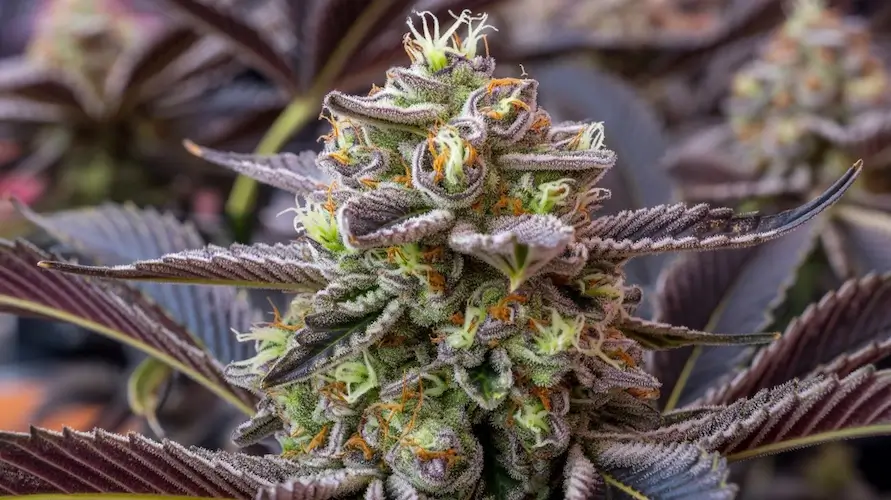
Instead of the usual musty kush profile, the Gumbo strain leans into candy and bubblegum sweetness backed by fuel and a savory undertone. Buds are typically dense and heavily frosted.
That mix of sweet and funky is what makes Gumbo stand out in a jar lineup and why it became such a sought-after name.
What surprises most people is how well the two sides hold together. Plenty of strains are sweet, and plenty are funky, but few manage both without one drowning out the other. In the Gumbo strain, the candy arrives first and the savory depth follows, so the aroma seems to change the longer you spend with it. That shifting quality is a big reason buyers keep coming back to the family and comparing one phenotype against another.

Every Major Gumbo Phenotype
The Gumbo family has grown as breeders worked with the genetics. Each named variation puts its own spin on the original while keeping the core Gumbo character: dense, frosty buds and a sweet-meets-funky nose.
Purple Gumbo
The most visually striking member of the family. Purple Gumbo shows deep purple and violet hues through the buds, and its aroma tends to lean sweeter and more grape-forward than the original.
The color comes from anthocyanins, the same pigments that color blueberries and red cabbage. Buyers prize it for bag appeal: dark buds under a white coat of resin are hard to beat in a photo. Read our Purple Gumbo review.
Cherry Gumbo
Cherry Gumbo shifts the aroma toward the bright fruit end of the spectrum. The cherry and berry notes are much more pronounced, giving it a lighter, more refreshing nose than the heavier, funkier original.
The Gumbo sweetness and depth are still there underneath, but the fruit makes it feel more like dessert. It is a good pick for buyers who like fruit-forward lines but want the Gumbo backbone. See our Cherry Gumbo review.
Pink Gumbo
Pink Gumbo sits between the deep sweetness of Purple Gumbo and the bright fruit of Cherry Gumbo. Its aroma leans toward light, floral candy, often compared to pink lemonade, strawberry and cream, with the signature funk underneath.
It is the most delicate-smelling member of the family, which makes it an interesting contrast in a side-by-side collection. Read our Pink Gumbo review.
Blue Gumbo
Blue Gumbo draws on Blueberry genetics for a fresh blueberry aroma over earthy Gumbo sweetness. It often shows blue-tinted leaves and buds that are as photogenic as any in the family.
It appeals to buyers who grew up with classic Blueberry and want to see that profile meet a modern line. See our Blue Gumbo review and our Blueberry strain review for the parent side.
Gumbo Phenotypes Compared
| Phenotype | Aroma lean | Look |
|---|---|---|
| Gumbo (original) | Candy, fuel, savory funk | Dense, frosted |
| Purple Gumbo | Grape, sweet | Deep purple hues |
| Cherry Gumbo | Cherry, berry | Bright, frosty |
| Pink Gumbo | Floral candy, strawberry cream | Light, frosty |
| Blue Gumbo | Blueberry, earthy sweet | Often blue-purple tones |
Why the Gumbo Strain Is Still Trending
Gumbo hit the market as savory and candy aromas were both surging, and it delivered both at once. New phenotypes and crosses keep the name in front of buyers, and its underground origin story only adds to the appeal.
Browse our feminized cannabis seeds for Gumbo-family packs when available, and check our flavor of the month and breeder of the month features.
Buyers also like that the family is still growing. Each new phenotype or cross gives people a reason to revisit the original and compare, which keeps the Gumbo strain in conversation long after many hype names have faded. Underground roots, a distinctive nose and a family that keeps expanding are a rare combination.
Bubblegum: The Candy Side of Gumbo
The other half of the most cited lineage is a Bubblegum cut. Bubblegum is one of the classic American strains, with roots usually traced to the Midwest, and it went on to win awards in Europe in the 1990s. Its name says it all: a sweet, pink-candy aroma unlike anything else from that era.
In the Gumbo strain, Bubblegum is the likely source of the candy and bubblegum notes that make Gumbo so different from a typical kush. It is also why Gumbo appeals to buyers who remember older sweet strains. Read our complete Bubblegum strain guide for the full history.
Gumbo Terpene Profile
Terpenes are the aroma compounds behind every strain’s scent. Reports on Gumbo-family samples point to a fairly consistent mix, though it shifts from phenotype to phenotype.
| Terpene | Role in the Gumbo strain | Aroma it is known for |
|---|---|---|
| Myrcene | Often the leading terpene | Herbal, earthy base |
| Beta-caryophyllene | Strong secondary | Warm spice, pepper |
| Limonene | Supporting | Bright citrus lift |
| Ocimene or terpinolene | Secondary in some phenotypes | Herbal, woody, throwback candy |
The candy top notes ride on an earthy base, and the spice keeps the sweetness from getting simple. That balance is why Gumbo is often described as a modern take on old-school candy genetics rather than a pure dessert or pure gas strain.
Tasting Notes on Gumbo
Gumbo is a strain that rewards slowing down. Here is how its aroma usually unfolds, based on my time with jars and what buyers tell us.
- First open: sweet bubblegum candy hits right away, almost sugary.
- Broken up: the savory, funky undertone comes forward, with light fuel and an earthy depth that keeps the candy in check.
- Lingering: a soft cream or vanilla note and a little spice stay behind, especially in the Purple and Pink phenotypes.
Some cuts also show tropical fruit hints, especially Cherry and Pink Gumbo, and a few have a floral edge.
What Gumbo Buds Look Like
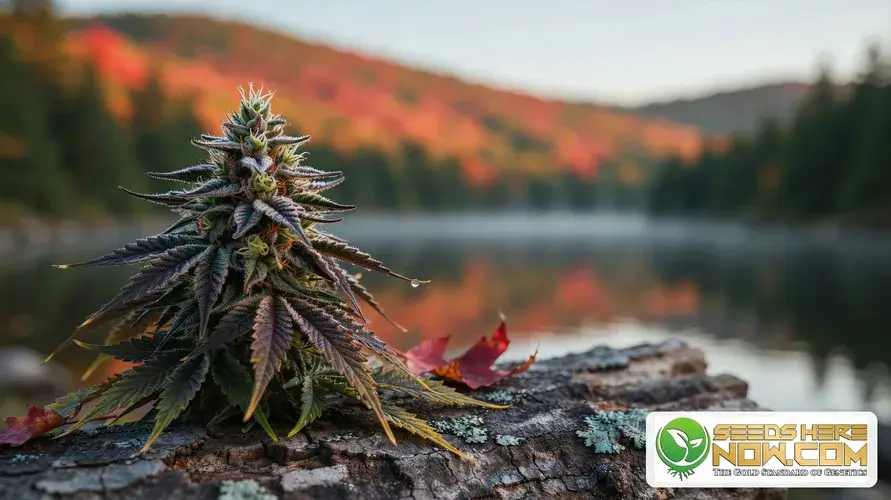
Gumbo is known for dense, marble-like buds that are packed tight and coated in frost. The compact, kush-style structure comes from the Triangle Kush side, and the resin coverage is heavy even by modern standards.
Colors range from lime and forest green in the original to deep violet in Purple Gumbo and blue-tinted tones in Blue Gumbo. Orange pistils run through all of them. Under a loupe, the trichome heads sit close together, which is where the frosted look comes from.
The Rise of Savory Strains
Gumbo arrived as buyers were getting interested in savory aromas. Strains like GMO made garlic and funk fashionable, while candy and dessert strains still ruled the shelves.
The Gumbo strain sits right between those trends. It has the candy sweetness people already loved and a savory, funky depth that felt new. That is a big part of why it caught on so fast and why the name keeps spreading through new phenotypes and crosses.
Common Myths About the Gumbo Strain
Myth: Gumbo has one confirmed lineage
The lineage is debated. Triangle Kush x Bubblegum is the most cited, but some versions trace through other OG or Kush lines. Be skeptical of anyone who claims certainty.
Myth: Purple Gumbo is a different strain entirely
Purple Gumbo is a named variation within the Gumbo family, with stronger purple color and a sweeter, grape-forward lean. It shares the same core character.
Myth: purple color means higher potency
Color comes from anthocyanin pigments and says nothing reliable about strength. Buyers value it for looks, not potency.
Myth: any pack called Gumbo is the real thing
Popular names attract imitations. Look for a named breeder, a clear lineage and sealed packaging.
Buying the Gumbo Strain Family
Because the Gumbo family has several clearly different phenotypes, it makes one of the best themed collections around. A full set of original, Purple, Cherry, Pink and Blue Gumbo shows how one base can move toward grape, cherry, floral candy and blueberry.
Add a Triangle Kush descendant and a Bubblegum line to show where the family came from, and you have a collection that tells the whole story. Keep each pack sealed, store it somewhere cool, dark and dry, and label it with the breeder and lineage. Our free seeds page lists current promotions.
How an Underground Strain Goes National
The Gumbo strain is a good case study in how cannabis reputations are built. It did not start with a marketing launch. It started as a cut passed between people in the East Coast underground, especially around New York, New Jersey and Connecticut, where it earned a name for smelling unlike anything else on offer.
Word of mouth did the rest. As people talked about it, posted photos and asked for it by name, demand spread far beyond the tri-state area. By the time Gumbo began appearing on dispensary menus in legal states, it already had a following, and breeders were working the genetics into new phenotypes.
That path, from local legend to national name, is shared by many classic strains, from Chemdog to Sour Diesel. It is also why Gumbo’s exact origins are hard to pin down. Underground cuts were rarely documented, so the lineage we have is the best account the community can give.

Gumbo vs. Similar Strains
Comparing the Gumbo strain to its likely parents and to other savory or candy strains helps place it in the bigger picture.
| Strain | Relationship to Gumbo | Aroma profile |
|---|---|---|
| Gumbo | The original | Candy, bubblegum, fuel, savory funk |
| Triangle Kush | Most cited parent | Earthy fuel, sharp kush |
| Bubblegum | Most cited parent | Sweet pink candy |
| GMO | Fellow savory strain, no shared lineage claimed | Garlic, funk, fuel |
| Blueberry | Parent of Blue Gumbo | Sweet berry, herbal |
What you notice side by side is that Gumbo takes something from each world. It is sweeter than Triangle Kush, funkier than Bubblegum and far less garlicky than GMO.
Reading Gumbo Names on a Menu
The Gumbo name now appears in many places, and not every listing means the same thing. A plain Gumbo listing should refer to the original cut or a close selection. Color names like Purple, Cherry, Pink and Blue Gumbo point to the named phenotypes or crosses described above.
You will also see crosses that list Gumbo as one parent, written as Gumbo x another strain. These can move a long way from the original, depending on the partner. When a listing does not name a breeder or explain the cross, treat the Gumbo name as a flavor description rather than a guarantee of lineage.
Why Hash Buyers Watch the Gumbo Family
Heavy resin coverage makes the Gumbo strain interesting to hash buyers in places where that is legal. Dense, frosted buds with a strong, distinctive aroma are what solventless makers look for, and Gumbo’s candy-and-funk nose tends to carry through into finished hash.
For seed buyers, that crossover appeal is a good sign. Strains valued by both flower and hash communities usually keep their popularity longer than one-season hype names.
Before You Buy Gumbo Seeds
A few checks will help you get a genuine Gumbo-family pack for your collection:
- Look for the breeder’s name and the exact phenotype or cross on the listing.
- Make sure the pack is sealed in original breeder packaging.
- Check whether it is feminized or regular so it fits how you catalog your collection.
- Confirm the law where you live. Every buyer must be 21 or older.
We list Gumbo-family packs in our feminized cannabis seeds section when they are in stock, and our blog covers many of the strains that share its family tree.
Gumbo and the Candy Strain Revival
The last decade brought candy aromas back in a big way. Zkittlez and the Runtz family made fruit-candy noses fashionable again, and buyers who had spent years on cookies and cakes started looking for sweeter, brighter lines.
The Gumbo strain fits that revival with a twist. Its candy note is closer to old-school bubblegum than to fruit candy, and it comes wrapped in funk and fuel. If you enjoy comparing candy lines, our Runtz family tree guide makes a good companion to this one.
A Short Glossary for Gumbo Buyers
- Cut: a specific plant kept alive and shared as clones, like the original Gumbo cut that circulated on the East Coast.
- Phenotype: the way a particular plant expresses its genetics. Purple Gumbo is named for a phenotype with strong purple color.
- Cross: seed made from two different parents, written as Parent A x Parent B.
- S1: seed made by selfing one plant, so the pack centers on that single plant’s genetics.
- Anthocyanins: natural pigments that create purple and blue tones.
- Terpenes: aroma compounds that shape how a strain smells.
Knowing these terms makes it much easier to read listings and to understand how the Gumbo family fits together. Our S1, F1 and F2 seeds explainer goes deeper.
Seeds, the Law and Our Rules
Cannabis laws differ by state, and federal hemp and seed rules are changing under Section 781. Check the law where you live before you buy anything. Our cannabis seeds by state guide links every state and its official sources, and our explainer on what Section 781 is covers the federal side.
Every buyer must be 21 or older. We sell seeds only to adults 21+.
How To Grow Gumbo Seeds
If you’re considering running Gumbo genetics yourself, here’s what to expect in the garden. Whether you’re growing indoors or outdoors, these strains are relatively forgiving and reward growers who pay attention to a few key factors.
Indoor Growing Tips
Indoor growers have excellent control over the variables that matter most for Gumbo genetics: temperature, humidity, and light spectrum. A few things to keep in mind:
- Flowering time: Most Gumbo phenotypes finish in 8 to 9 weeks of 12/12 light cycle. Some faster expressions wrap up closer to 56 days.
- Height management: Gumbo grows compact and bushy. Topping early and using LST to open up the canopy will significantly improve light penetration and boost yields.
- Temperature at night: For Purple and Blue Gumbo specifically, dropping nighttime temperatures to around 60 to 65°F in the last two weeks of flower will intensify the purple and blue color expression.
- Humidity during flower: Keep relative humidity below 50% during late flower to protect those dense, resinous buds from mold and botrytis.
- Yield: Indoor growers can expect 400 to 550g per square meter under optimized conditions with 600W+ lighting or comparable LED output.
Outdoor Growing Tips
Outdoors, Gumbo genetics thrive in warm, Mediterranean-style climates but are reasonably adaptable across a range of environments thanks to their indica-dominant resilience.
- Pest and mold resistance: Good but not exceptional. Dense bud structure means airflow matters. Defoliation during stretch helps.
- Yield: Outdoor Gumbo plants can reach 500 to 700g per plant with full-season growth and adequate space.
- Training: Gumbo responds well to mainlining or manifolding techniques when started early, which helps distribute yield more evenly across the canopy.
Nutrients and Feeding
Gumbo genetics tend to be moderate feeders—they appreciate a solid base nutrient program but don’t require pushing heavy levels of nitrogen, phosphorus, or potassium to perform. Follow your nutrient manufacturer’s recommendations at 70% to 80% strength and let the plants tell you if they need more. Terpene expression tends to improve when plants are flushed for the final 10 to 14 days before harvest.
Gumbo Strain: Yield, Flowering Time, and Grow Guide
Gumbo’s indica-dominant structure makes it a natural fit for indoor cultivation — compact, bushy growth patterns mean it’s manageable in smaller tents while still producing commercially viable yields when grown correctly.
- Flowering Time: Gumbo typically finishes in 8–9 weeks (56–63 days) indoors. The indica-leaning phenotype tends to be efficient rather than a long-finisher.
- Indoor Yield: In optimized environments, expect 400–550 g/m². The naturally compact structure means it rewards training — LST, topping, or SCROG techniques can push canopy coverage and increase light-to-bud exposure significantly.
- Outdoor Yield: In favorable climates (warm, Mediterranean-style), 500–700 g per plant is achievable with adequate root volume and nutrition. The compact internodal spacing means plants won’t stretch excessively even outdoors.
- Grow Difficulty: Intermediate. Gumbo’s dense bud structure — the signature marble-like, frost-covered nugs it’s known for — requires humidity management in late flower. Keep RH below 45–50% in weeks 6–9 and ensure strong directional airflow.
- Training Recommendations: Topping at the 4th or 5th node followed by LST is highly recommended. Gumbo doesn’t stretch dramatically, making it well-suited for multi-plant SOG (Sea of Green) setups.
Its signature bubblegum-candy terpene profile is volatile — a slow dry at 60–62°F with 55–60% RH for 10–14 days preserves the sweet, nostalgic aromatics that define the strain’s identity. Rush the cure and you lose the nose.
Frequently Asked Questions
What is the Gumbo strain?
An indica-leaning hybrid known for dense, frosted buds and a candy, bubblegum and fuel aroma with a savory edge.
What is Gumbo’s lineage?
The most cited lineage is Triangle Kush x a Bubblegum cut, but the exact origin is debated.
Where did the Gumbo strain come from?
It first gained a following in the East Coast underground market, especially around the tri-state area.
What are the main Gumbo phenotypes?
Purple Gumbo, Cherry Gumbo, Pink Gumbo and Blue Gumbo are the best-known named variations.
How strong is Gumbo?
Reported THC usually falls around 22% to 28%, varying by sample.
Do you give growing advice for Gumbo?
No.
What is Triangle Kush?
A Florida strain named after the triangle of Miami, Tampa and Jacksonville. It is part of the OG Kush family and is the most cited parent on the kush side of the Gumbo strain.
Why is it called Gumbo?
The name refers to its layered, complex aroma. Like a good bowl of gumbo, there is a lot going on: candy, fuel, spice and a savory funk.
What terpenes are in the Gumbo strain?
Myrcene, caryophyllene and limonene are most often reported, with ocimene or terpinolene showing up in some phenotypes.
Which Gumbo phenotype is the most colorful?
Purple Gumbo, with deep purple and violet hues. Blue Gumbo can also show blue-tinted tones.
Is Blue Gumbo related to Blueberry?
Yes. Blue Gumbo draws on Blueberry genetics, which gives it a fresh blueberry aroma over the Gumbo base.
Is the Gumbo strain indica or sativa?
It is usually described as an indica-leaning hybrid, with compact, dense buds that reflect its kush side.
Where is the Gumbo strain from?
It first built its following in the East Coast underground, especially in the New York, New Jersey and Connecticut area, before spreading nationwide.
What does the Gumbo strain smell like?
Sweet bubblegum candy up front, with fuel, earthy spice and a savory funk underneath. Some phenotypes add cream, fruit or floral notes.
Are Gumbo phenotypes good for a themed collection?
Yes. Original, Purple, Cherry, Pink and Blue Gumbo each show a different side of the same base, which makes the Gumbo strain family a natural theme.
Is the Gumbo strain related to Runtz?
No shared lineage is claimed. Both are known for candy aromas, but the Gumbo strain is usually traced to Triangle Kush and Bubblegum, while Runtz is Zkittlez x Gelato.
How strong is the Gumbo strain compared to other modern hybrids?
Reported THC for the Gumbo strain usually falls around 22% to 28%, which is in line with many modern hybrids. Lab numbers vary by sample, so buyers tend to judge Gumbo on aroma and appearance rather than potency figures.
Which Gumbo phenotype should a new buyer start with?
Many start with the original Gumbo or Purple Gumbo, then add Cherry, Pink and Blue Gumbo to see how each one changes the aroma.
What is the Gumbo strain?
It originated in the East Coast underground market before gaining widespread popularity, and has since spawned a full family of named phenotypes, including Purple, Cherry, Pink, and Blue Gumbo.
Is the Gumbo strain indica or sativa?
The Gumbo strain is primarily indica-dominant, with genetics rooted in indica-heavy Kush and Bubblegum lineages.
What does the Gumbo strain smell like?
Gumbo has a uniquely sweet, candy-like aroma with funky, savory undertones—often described as bubblegum and fuel. Specific phenotypes add their own twist: Purple Gumbo leans grape and sweet, Cherry Gumbo adds bright fruit notes, and Blue Gumbo brings in blueberry tones. The aroma is generally considered one of the most distinctive and recognizable in the current market.
How long does Gumbo take to flower?
Most Gumbo genetics flower in 8 to 9 weeks indoors (56 to 63 days), making them a relatively efficient option for indoor cultivators. Outdoor plants typically finish by late September to mid-October in the Northern Hemisphere.
Bottom Line
The Gumbo strain earned its place with a one-of-a-kind candy-and-funk aroma and an underground backstory, and its phenotype family gives buyers plenty to explore.
Sources
Last updated October 7, 2026 by James Bean, founder of Seeds Here Now. Nothing here is legal advice. See our disclaimer, terms of use and shipping policy.
Suggested Articles

 12 Nov 2026
 11 min read

;)
;)
;)
 April 01, 2026


RESPONSES (0)
No responses yet. Be the first to respond!