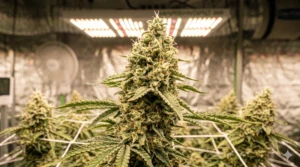
Zangria Strain Review (2026): Genetics, Effects & Grow Guide

Rainbow Zangria isn’t your average fruit-forward hybrid—it’s a technicolor cocktail that tastes like somebody spiked a sangria pitcher with Skittles and good intentions. This review breaks down what makes this cultivar a home-grower favorite: the flavor, the frost, and that euphoric kick that lingers like a perfect playlist on loop.

Quick Facts for Rainbow Zangria

  • Type: Hybrid (Sativa-leaning)
  • THC: 25% to 28%
  • CBD: <1 %
  • Lineage: Rainbow Belts × Zangria (Sangria cut)
  • Flowering Time: 8 to 9 weeks
  • Yield: Medium-High
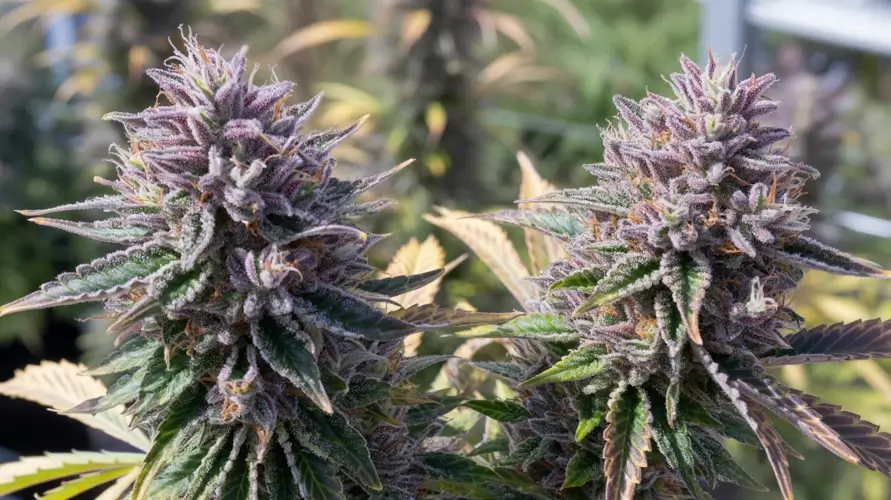
  • Best For: Indoor LED runs or sun-kissed greenhousesPurple cannabis plants in sunlight

Why Rainbow Zangria Deserves a Spot in Your Grow Tent

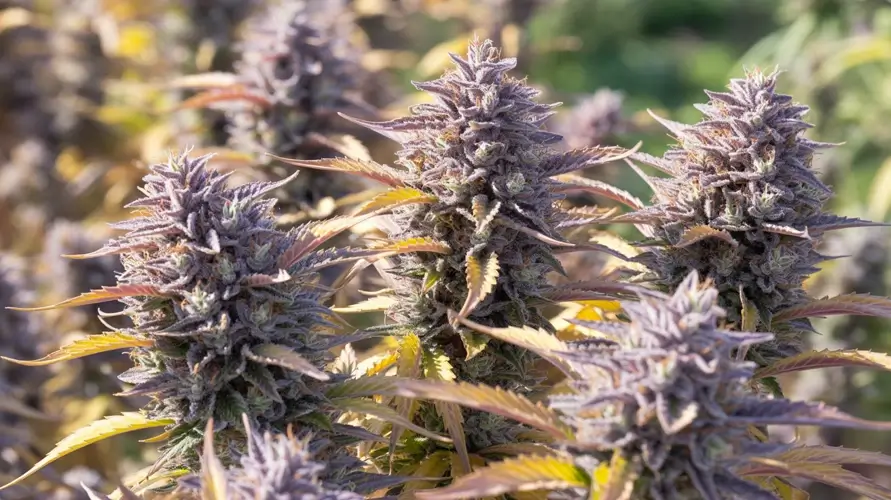
Every once in a while, a strain shows up that looks like it was designed by a painter on edibles. Rainbow Zangria stacks neon-green nugs dusted with pink and purple sugar frosting, and the terpene profile is straight fruit-punch sorcery. For growers who love flavor as much as potency, this one’s a can’t-miss.

Flavor and Aroma Profile

Open a jar and you’re hit with a rush of grape soda, cherry peel, and tropical candy. It’s that unmistakable “Z” family scent—loud, sweet, and borderline illegal-smelling in the best way. The smoke rolls in smooth, leaving hints of citrus peel and wine tannin on the tongue. Even seasoned heads pause mid-inhale just to say, “Damn.”

Effects and Experience

The high starts fast—think happy head-rush, music suddenly sounds better, and your couch turns into a cloud. As the buzz deepens, body relaxation takes over without full sedation. It’s the ideal evening hybrid: clear enough to keep a conversation, heavy enough to shut down stress. Expect long-lasting effects with the THC clocking well north of 25 percent.
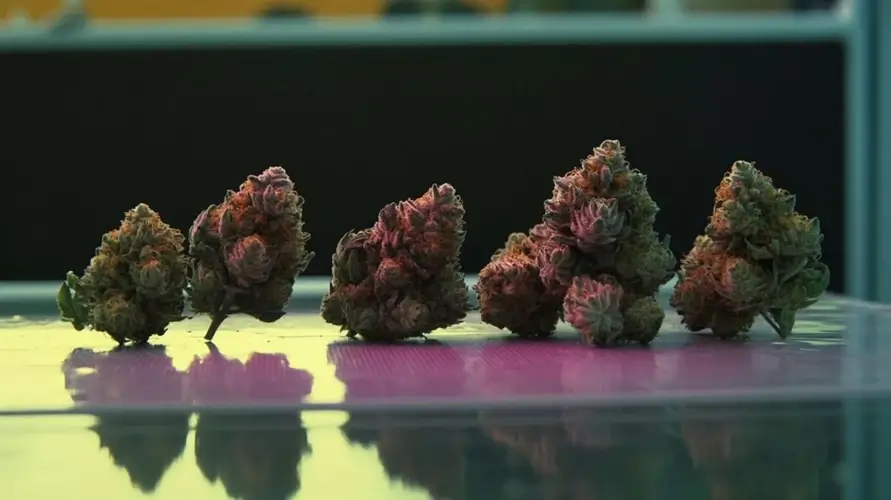
Five cannabis buds on display.

Growing Rainbow Zangria at Home

This strain was built for feminized seed lovers who want consistency and color. Rainbow Zangria thrives under controlled conditions—she prefers stable temps and moderate humidity. Branch structure is manageable but benefits from light training to open up those candy-colored colas. By week 8, trichomes stack like frost on a cocktail glass.

If you’re new to germination or just need a quick refresher, hit up our Seed Buying Guide for pro-level tips before you start your next run.

Breeder and Genetic Background

Rainbow Zangria traces back to a collaboration between elite breeders chasing that perfect fruit-wine hybrid. The Zangria cut adds its syrupy grape and citrus backbone, while Rainbow Belts brings the candy terps and vivid bag appeal. The result is a balanced cross that’s both photogenic and potent—a breeder’s flex that lives up to the hype.

Want to see who else is behind heat like this? Browse the full breeders index for more genetics from the same crew and their extended network.

Bag Appeal and Smoke Report

The buds are dense and sticky, shaped like little meteorites dipped in sherbet. Under light, the trichomes pop with an iridescent shimmer worthy of the name. On combustion, it burns slowly, leaving a creamy, sweet-berry exhale that fills the room. Great for joints, even better in a clean glass rig where you can chase every last terp molecule.

Who This Strain Is For

Home growers who crave color and character without having to babysit a finicky plant will love Rainbow Zangria. It’s forgiving, resilient, and photogenic enough to make your grow diary look pro. Consumers chasing a mood-lifting hybrid with flavor that outpaces its price tag will find this strain earns a permanent place on the top shelf.

Person trimming Rainbow Zangria buds

Final Verdict

Rainbow Zangria is one of those hybrids that proves candy terps and serious potency can coexist. It’s flavorful, fast-finishing, and genuinely fun to grow. Whether you’re trimming for the first time or running a perpetual tent, this strain brings enough payoff to justify the jar space.

Now that you know all about this exotic strain, shop the collection of cannabis seeds and clones at Seeds Here Now.

Seeds Here Now—Est. 2009

more than 4,500 Strains. 110 Breeders. Ships Discreet.

We grow them, test them, and stand behind every pack we sell. Shop the full collection at Seeds Here Now:

Frequently Asked Questions

What is the genetic lineage of Rainbow Zangria?

Rainbow Zangria is a cross between Rainbow Belts and Zangria (Sangria cut), combining the candy terps and vivid bag appeal of Rainbow Belts with the syrupy grape and citrus backbone of the Zangria cut.

What is the THC content and potency of Rainbow Zangria?

Rainbow Zangria has a THC level ranging from 25% to 28% with less than 1% CBD, delivering a potent high with long-lasting effects.

What does Rainbow Zangria taste and smell like?

This strain offers a complex flavor profile featuring grape soda, cherry peel, tropical candy, and citrus peel on the smoke, with a signature loud, sweet aroma reminiscent of the Z family of genetics.

What effects can I expect from Rainbow Zangria?

Expect a fast-acting high that starts with euphoria and improved sensory perception, followed by body relaxation without full sedation—making it an ideal evening hybrid that maintains clarity while reducing stress.

How long does Rainbow Zangria take to flower and what are the growing conditions?

Rainbow Zangria has a flowering time of 8 to 9 weeks and thrives under controlled conditions with stable temperatures and moderate humidity, making it well-suited for indoor LED grows or greenhouses.

Zangria Terpene Profile

The aromatic depth of Rainbow Zangria traces back to a terpene stack that bridges sweet fruit and earthy cookie. While exact percentages vary by grower and phenotype, the profile consistently highlights a few dominant compounds that explain why this strain smells and hits the way it does.

  • Beta-Caryophyllene: Often the dominant terpene in Zangria expressions, contributing the slightly spicy, peppery backbone beneath all that fruit sweetness. Caryophyllene is also the only terpene known to act as a cannabinoid, binding to CB2 receptors and contributing to the strain’s body-relaxing qualities.
  • Myrcene: Inherited from the Zkittlez side of the lineage, myrcene deepens the earthy, herbal base and is associated with the heavy, relaxed body sensation this strain delivers. High myrcene content can also potentiate THC onset speed.
  • Limonene: The bright, citrusy top note — think sour grapefruit peel and fruity wine — comes largely from limonene. This terpene is associated with mood elevation and stress relief, which aligns with user reports citing Zangria’s calming euphoria.
  • Ocimene or Terpinolene (secondary): Some phenotypes show floral, slightly sweet secondary terpenes that round out the candy-fruit character and contribute to the smooth, clean exhale the strain is known for.

Total terpene content in well-grown Zangria typically falls between 1.5% and 2.5% by dry weight, with caryophyllene often leading the panel. The entourage effect of this specific terpene combination — heavy myrcene plus caryophyllene — helps explain why the high feels so physically grounding despite Zangria’s fairly balanced sativa-indica ratio.

Zangria Yield and Harvest Expectations

Rainbow Zangria is bred from Thin Mint Girl Scout Cookies and Zkittlez — the same Zkittlez line behind Berry Zkittlez — two strains with solid indoor yield potential when dialed in. Home growers running Zangria indoors can expect moderate to above-average returns, depending on training methodology and grow environment.

  • Indoor Yield: Typically in the range of 400–500 g/m² under optimized conditions (18+ mol/day DLI, proper VPD management). Lower-tech setups will land closer to 300–400 g/m².
  • Outdoor Yield: In warm, sunny climates with a long growing season, well-trained plants can yield 500–800 g per plant.
  • Flowering Time: Zangria generally finishes in 8–9 weeks (56–63 days) from flip to chop. Watch for the characteristic purple coloration to deepen in the final 10–14 days — this signals peak terpene development.
  • Harvest Window: Outdoor harvest typically falls in late September to early October, depending on latitude.

Because Zangria tends to produce dense, resin-heavy buds, growers should maintain good airflow in the final weeks of bloom to prevent botrytis. The Zkittlez genetics contribute a slightly more open bud structure than a pure Cookies phenotype, which helps — but humid late-season environments still require attention. Training techniques like LST or SCROG work well to maximize canopy light penetration and boost final weight.

RESPONSES (0)

No responses yet. Be the first to respond!

More About Us On Instagram

Join our instagram community NOW.

OPEN INSTAGRAM
hash hash2
reels