


Get to Know the Gas Face Strain: Your Guide to Enjoyment | SeedsHereNow.com

Welcome, fellow green thumbs!
Discover the Exclusive Gas Face Strain
If you’re looking for a cannabis strain that offers a unique experience, look no further than Gas Face from Seed Junky Genetics.
What sets Gas Face apart from other strains on the market is its genetics.
The genetics of Gas Face also contribute to its unique flavor and aroma. This strain boasts a terpene profile that includes notes of citrus, pine, and fuel, giving it a distinct and memorable taste and scent.
Whether you’re a seasoned cannabis user or new to the world of marijuana, Gas Face is definitely a strain worth trying.
Exploring the Aroma and Flavor of Gas Face
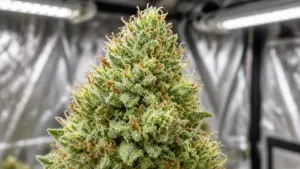
The Gas Face strain is renowned for its unique terpene profile, which contributes to its distinct aroma and flavor. This strain’s terpene profile is dominated by limonene and caryophyllene, giving it a citrusy, peppery scent with a hint of sweetness.
The caryophyllene terpene contributes to the strain’s spicy, peppery taste, while limonene provides a refreshing citrus twist.
Its unique aroma and flavor profile is a testament to the strain’s quality and the care taken during its cultivation.
Growing Gas Face: Tips and Tricks
Are you looking to grow the Gas Face strain? Here are some tips and tricks to help you successfully cultivate the Gas Face strain:
1. Start with high-quality seeds: Investing in high-quality Gas Face seeds is the first step to ensuring a successful grow. Purchasing seeds from a trusted source like SeedsHereNow.com guarantees certified genetics and reliable germination.
2. Provide proper lighting and nutrient levels: Gas Face thrives in an environment with high-intensity lighting and balanced nutrient levels. Keep your grow space well-lit and monitor nutrient levels regularly to ensure healthy growth.
3. Monitor temperature and humidity: Gas Face prefers a warm, humid environment with temperatures ranging from 70 to 80°F. Keeping your grow space at a consistent temperature and humidity level can contribute to successful growth.
4. Prune and train your plants: As Gas Face grows, it can develop dense foliage that blocks light from reaching lower branches. Pruning and training your plants can help promote healthy growth and maximize yields.
5.
Happy cultivating!
Gas Face Strain Reviews: What Others Are Saying
Don’t just take my word for it, let’s hear from others who have experienced the Gas Face strain.
“I’ve tried a lot of different strains, but Gas Face is by far my favorite.
| Customer | Location | Review |
|---|---|---|
| Emily L. | Oregon | It gives me a burst of energy and inspiration that lasts for hours.” |
| Michael S. | California |
As we can see from these reviews, Gas Face is a versatile strain that can cater to a wide range of needs and preferences.
Related Seeds From the Same Breeders
We do not list a pack named Gas Face right now, but these listings come from breeders connected to it. Each one names the breeder and the cross.
| Listing | Breeder | Type |
|---|---|---|
| Ego Checker | Seed Junky Genetics | Seed |
| Orange Cookies x Sherb Crasher | Seed Junky Genetics | Seed |
| Nepal Jam (Feminized) | Ace Seeds | Feminized |
| Ripped Off Runtz (Feminized) | Seed Junky | Feminized |
Pack sizes and releases change as breeders drop new batches, so open each listing for the current details.
Reading a Gas Face Seed Pack Label
A breeder label usually shows the strain name, the breeder, the seed type and the seed count. Feminized packs are labelled as such, regular packs contain a natural mix of male and female seeds, and autoflower packs are marked “auto”. Many breeders also print the cross, for example “Parent A x Parent B”, plus a filial marker such as F1, F2, S1 or BX.
F1 means a first-generation cross of two distinct parents, S1 means seeds made from a single parent, and BX means a cross back to one of the original parents. When you compare Gas Face packs, these markers tell you how close each release is to the original line.

Feminized, Regular or Auto: Choosing a Gas Face Pack
Feminized seeds are bred to produce female plants, which keeps things simple when space is limited. Regular seeds produce males and females and remain the choice for anyone who wants to make their own crosses or keep a line going from seed. Autoflower versions flower on their own timeline regardless of light hours, which suits short outdoor seasons and quick indoor runs.
Match the seed type to your space, your season and how much time you have, then check the breeder’s notes on flowering time and plant size before you choose a Gas Face pack.
How to Spot a Genuine Gas Face Pack
Popular names get copied, and two packs called Gas Face can come from completely different parents. Genuine breeder packs have consistent printing, a clear breeder name or logo and a sealed closure, and many carry a batch code or security sticker. Blurry artwork, misspelled names or loose seeds in a plain bag are warning signs.
The simplest protection is buying sealed packs from a seed bank that names the breeder on every listing, like the ones linked above.
Storing Gas Face Seeds Until You Plant
Seeds stay viable longest when they are kept cool, dark and dry. Leave Gas Face seeds in their sealed pack, place the pack in an airtight container with a food-safe desiccant packet, and store it somewhere with a steady temperature, such as a refrigerator shelf that is not opened constantly.
Label the container with the strain, breeder and the date you bought it. When you are ready to plant, let the container warm to room temperature before opening it so moisture does not condense on the seeds.
Comparing Gas Face Releases From Different Breeders
When more than one breeder offers Gas Face, compare the published cross, the filial marker, the seed type and the breeder’s notes on structure and flowering time. One breeder may work from an original cut while another builds a new cross that shares only part of the family tree.
Reading those details side by side helps you pick the release that best fits your space and goals instead of choosing on the name alone.

Germinating Gas Face Seeds: A Simple Method
Most growers start Gas Face seeds with the paper towel method. Place the seeds between two damp (not dripping) paper towels, set them on a plate under an upturned bowl, and keep them somewhere warm, around 70°F to 80°F. Check once a day and keep the towels moist.
Once a taproot appears, plant the seed about a quarter to half an inch deep in a light, airy starter medium with the root pointing down, and handle it as little as possible. Give the seedling gentle light as soon as it breaks the surface so it does not stretch.
Planning a Gas Face Grow
Before you start, check the breeder’s notes for the version of Gas Face you bought: seed type, expected flowering time and how large the plant tends to get. A feminized photoperiod plant flowers when you switch to 12 hours of darkness, while an autoflower follows its own timeline.
Match those details to your space, your light and your season. Keep a simple journal with the start date, medium, feeding and photos, so you can repeat what works the next time you run Gas Face.
Indoor or Outdoor: Where Gas Face Fits
Indoors you control light, temperature and humidity, which makes it easier to keep dense flowers clean and to time the harvest. Outdoors you trade that control for free sunlight and bigger plants, but you need a season long enough for the variety to finish before cold, wet weather arrives.
Check the breeder’s flowering time for Gas Face seeds against your first expected autumn rain or frost. If the numbers are tight, an indoor run, a greenhouse or an autoflower version is usually the safer choice.
Seedling Care for Gas Face: The First Three Weeks
Seedlings need gentle light, mild warmth and a medium that is moist but never soggy. Water in small amounts around the stem, let the top of the medium dry slightly between waterings and keep a light breeze moving so stems thicken.
Hold off on strong nutrients until the plant has several sets of true leaves; most starter mixes carry enough food for the first couple of weeks. Pale, stretched seedlings usually want more light or a closer lamp, while drooping, dark leaves often mean too much water.

Feeding and Watering Gas Face Plants
Start feeding at a quarter to half of the label strength and increase slowly while watching the leaf tips. Burnt, crispy tips point to too much food; yellowing lower leaves in vegetative growth often point to too little nitrogen.
Water when the pot feels noticeably lighter rather than on a fixed schedule, and make sure excess water drains away. Consistent pH, roughly 6.0 to 7.0 in soil and 5.5 to 6.5 in hydro or coco, keeps nutrients available to the roots.
Training Options for Gas Face Plants
Low-stress training (bending and tying branches outward) and topping (removing the main tip so two colas form) both create a flatter, more even canopy. An even canopy shares light more fairly and usually improves the size of lower flowers.
Train during vegetative growth and stop major changes a week or so into flowering. Autoflowers have a short vegetative window, so stick to gentle bending rather than topping if you are unsure.
Knowing When Gas Face Is Ready to Harvest
The breeder’s flowering time is a starting estimate, not a deadline. Look at the trichomes with a jeweller’s loupe or a clip-on phone lens: clear heads mean the plant needs more time, cloudy heads mean it is close, and a share of amber heads shows it is fully mature.
Pistils darkening and curling in is another sign. Check several flowers from the top and the middle of the plant, because the top colas often mature a few days earlier.
Conclusion
The Gas Face strain offers a unique and enjoyable cannabis experience for enthusiasts of all levels.
Don’t miss out on the chance to experience the Gas Face strain for yourself!
Now that you know all about the Gas Face strain, shop our complete collection of regular, feminized, and autoflower cannabis seeds.
FAQ
Q: What is the Gas Face strain?
It is a popular choice among cannabis enthusiasts looking for a powerful and enjoyable experience.
Q: How do I grow the Gas Face strain?
A: Growing the Gas Face strain requires some knowledge and experience in cannabis cultivation. It is recommended to follow proper growing techniques, such as providing adequate lighting, nutrients, and maintaining the ideal environmental conditions for optimal plant growth. Seek guidance from experienced growers or refer to comprehensive cultivation guides for the best results.
Q: What is the terpene profile of Gas Face?
A: The terpene profile of Gas Face is known for its pungent and gas-like aroma. It often contains a combination of terpenes such as myrcene, limonene, and caryophyllene, contributing to its unique scent and flavor.
Q: What are others saying about the Gas Face strain?
A: Many individuals who have experienced Gas Face have reported positive experiences and satisfaction with this strain. Check out reviews and testimonials from satisfied customers to get a better understanding of the Gas Face strain.
Further reading: Wikipedia: Cannabis strain.
Suggested Articles
 10 Nov 2026
 12 min read

;)
;)
;)
 September 28, 2023


RESPONSES (0)
No responses yet. Be the first to respond!