


Best Months To Plant Cannabis Seeds: Complete Growing Calendar Guide
Cannabis cultivation success depends largely on timing. Understanding the best months to plant cannabis seeds can mean the difference between a successful harvest and crop failure. This guide examines optimal planting schedules for various growing conditions. For adult growers 21+.
Understanding Growing Seasons
Cannabis plants respond to changes in daylight. In nature, seeds germinate in spring as temperatures rise. Plants grow through summer and flower when autumn brings shorter days. Modern techniques have expanded traditional planting windows. The best months to plant cannabis seeds are determined by:
-
Geographic location
-
Indoor vs. outdoor growing
-
Strain selection
-
Desired harvest date
Indoor growing and autoflowering varieties now allow year-round cultivation in many situations.
Outdoor Planting Calendar
Northern Hemisphere
The traditional outdoor growing season runs from April through June. The specific timing depends on the local climate and frost dates.
Mediterranean and Warm Climates
-
Start: Late March to early April
-
Benefits: Extended growing season, minimal frost risk
-
Regions: California, Southern Europe
-
Method: Germinate indoors in March, transplant in early April
Temperate Climates
-
Ideal month: May
-
Reasoning: Frost risk has passed, soil is warm
-
Result: Strong root development before summer growth
-
Growing period: Full vegetation through June, July, and August
Cold Northern Regions
-
Planting: June may be necessary
-
Challenge: Compressed growing season
-
Solution: Fast-flowering or autoflowering strains
-
Alternative: Start indoors, April–May; transplant when warm
Southern Hemisphere
October through December are the best months to plant cannabis seeds in the Southern Hemisphere. Growers in Australia, South Africa, and South America typically begin in October or November. Plants vegetate through December, January, and February.
Indoor Growing Flexibility
Indoor cultivation allows year-round planting. However, some months offer advantages.
Winter Months (December–February)
Cooler temperatures make climate control easier. Benefits include:
-
Reduced cooling costs
-
Lower heat stress risk
-
Fewer pest problems
-
More efficient temperature management
Spring Months (March–May)
Moderate temperatures create ideal conditions. Advantages include:
-
Manageable climate control
-
Energy efficiency
-
Option to move plants outdoors later
-
Balanced temperature and humidity
Summer Months (June–August)
Heat management becomes critical. Considerations include:
-
Additional cooling equipment is needed
-
Higher electricity costs
-
Increased pest pressure
-
Careful monitoring required
Fall Months (September–November)
Similar benefits to spring growing. Features include:
-
Moderate ambient temperatures
-
Lower cooling requirements
-
Harvest before winter heating costs
-
Good economic efficiency
Autoflowering Cannabis Options
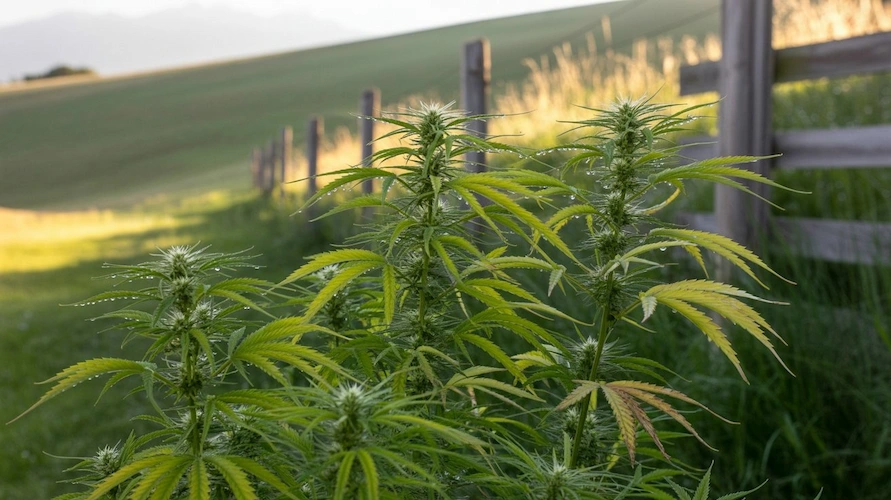
Autoflowering strains flower by age, not light changes, allowing for more flexible planting schedules.
Outdoor Autoflower Schedule
-
Plant anytime: April through August (Northern Hemisphere)
-
Harvest time: 10 to 12 weeks after planting
-
Multiple harvests: Stagger plantings every 2 to 3 weeks
-
Warm climates: Year-round outdoor growing is possible
Indoor Autoflower Growing
-
Plant any month
-
Consistent results regardless of season
-
Energy efficiency still favors cooler months
-
Continuous harvest is possible with staggered plantings
Best Months To Plant Cannabis Seeds: Climate-Specific Guidelines
Tropical and Subtropical Regions
Year-round planting is possible, but seasonal factors matter.
-
Best timing: Start of dry season
-
Avoid: Planting before heavy rains
-
Risk: Fungal issues during humid flowering
-
Strategy: Time harvest for driest months
Desert Climates
Extreme heat requires careful planning.
Fall Planting (September–October)
-
Plants mature during cooler winter
-
Avoids summer heat stress
-
Better water efficiency
-
Reduced cooling needs
Early Spring Option (February–March)
-
Harvest before peak summer heat
-
Requires heat-tolerant strains
-
Needs careful water management
-
Morning shade is beneficial
Coastal Regions
Ocean influence creates unique conditions.
-
Optimal planting: May–June
-
Challenge: High humidity, salt spray
-
Wait for: Reduced morning fog
-
Protection: Windbreaks often necessary
Mountain Regions
Elevation creates shorter seasons.
-
Plant late: June or early July
-
Select: Fast-flowering varieties
-
Consider: Greenhouse protection
-
Watch for: Early autumn freezes
Strain Selection Impact
Genetics determine planting flexibility.
Sativa-Dominant Strains
-
Require: Longer flowering period
-
Plant: March–April (start indoors)
-
Origin: Equatorial regions
-
Need: Full-season growth
Indica-Dominant Strains
-
Feature: Faster flowering
-
Plant: May–early June
-
Origin: Mountain regions
-
Advantage: Cold weather tolerance
Hybrid Strains
-
Offer: Balanced characteristics
-
Timing: Varies by genetics
-
Selection: Match to local climate
-
Flexibility: Widest planting window
When To Plant Cannabis Seeds: Harvest Planning Strategy
Work backward from your desired harvest date.
Calculation Method
-
Determine the target harvest date
-
Subtract flowering time (8 to 10 weeks)
-
Subtract vegetative period (4 to 6 weeks)
-
Add germination time (1 week)
-
Result = planting date
Example Timeline
-
Target harvest: Early October
-
Flowering needs: 8 weeks (start early August)
-
Vegetative growth: 6 weeks
-
Germination: 1 week
-
Plant date: Mid-May
Success Factors
Indoor Seed Starting
Even outdoor growers benefit from indoor germination.
-
Control: Better early growth conditions
-
Result: Stronger, healthier plants
-
Timing: Start 2 to 3 weeks before outdoor transplant
-
Protection: Avoid weather uncertainties
Soil Temperature
Critical for germination success.
-
Optimal range: 65°F to 70°F (18°C to 21°C)
-
Cold soil: Delays germination
-
Solutions: Raised beds, black mulch
-
Timing: Wait for proper warmth
Light Deprivation
Extends planting options for outdoor growers.
-
Method: Cover plants to trigger flowering
-
Benefit: Multiple harvests possible
-
Timing: Force flowers in mid-summer
-
Result: Earlier harvest completion
Security Considerations
Planting timing affects visibility.
-
Later planting: Smaller, less obvious plants
-
Early planting with training: Bushier growth
-
Consideration: Neighbor visibility
-
Balance: Security vs. yield
Best Months To Plant Cannabis Seeds: Regional Recommendations
United States
Pacific Northwest
-
Plant: Late May–June
-
Challenge: Rain during flowering
-
Solution: Mold-resistant strains
Southwest
-
Plant: April or September–October
-
Issue: Extreme summer heat
-
Approach: Season avoidance
Northeast
-
Plant: Late May–early June
-
Concern: Short season
-
Strategy: Fast-flowering varieties
Southeast
-
Plant: April–May
-
Watch: Humidity levels
-
Select: Mold-resistant genetics
Canada
Short seasons require careful planning.
-
Southern regions: May–June planting
-
Northern areas: Greenhouse recommended
-
Autoflowers: Extend possibilities
-
Indoor: Year-round option
Europe
Diverse climates need different approaches.
-
Mediterranean: April–May is ideal
-
Northern Europe: June planting
-
Indoor growing: Increasingly popular
-
Greenhouses: Extend seasons
Commercial vs. Personal Growing
Scale affects timing decisions.
Commercial Operations
-
Perpetual harvest systems
-
Staggered planting schedules
-
Climate-controlled environments
-
Year-round production
Personal Gardens
-
Single seasonal harvest
-
May planting is most common
-
Simple planning is adequate
-
Weather dependent
Common Timing Mistakes
Avoid these planning errors:
-
Planting too early: Frost damage risk
-
Planting too late: Incomplete flowering
-
Ignoring soil temperature: Poor germination
-
Wrong strain selection: Climate mismatch
-
Inadequate planning: Rushed decisions
Future Considerations
Cannabis cultivation continues to evolve.
Emerging Trends
-
Climate-adapted varieties
-
Extended autoflower options
-
Improved indoor technology
-
Year-round outdoor strains
Climate Change Impact
-
Shifting optimal dates
-
Extended growing seasons
-
New regional possibilities
-
Adapted techniques needed
Step by Step: Picking Your Exact Planting Date
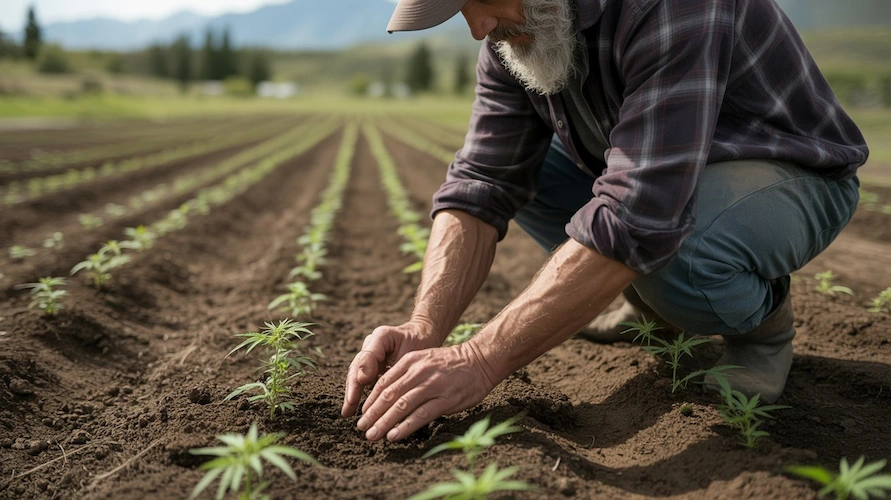
- Find your average last spring frost date. Your local extension service or a frost-date lookup by ZIP code will give you an average date; treat it as a minimum, not a target.
- Check soil temperature. Push a soil thermometer about 4 inches deep in the morning. Wait until it reads at least 60°F (16°C) for several days in a row.
- Check night temperatures. Plan to plant out once nights are reliably above about 50°F (10°C). Cold nights slow root growth and can stunt young plants.
- Count back for indoor starts. Germinate seeds indoors 2 to 4 weeks before your planned transplant date so plants go outside with a healthy root ball.
- Work back from your first fall frost. Make sure the strain’s flowering time ends at least 1 to 2 weeks before your average first fall frost, and earlier if your autumns are rainy.
Month-by-Month Planting Calendar (Northern Hemisphere, Temperate Zone)
| Month | Photoperiod seeds | Autoflower seeds |
|---|---|---|
| March | Plan the garden, prepare soil, order seeds; long-season sativas can be started indoors in warm regions. | Indoor runs only. |
| April | Germinate indoors under 18 hours of light. | Indoor runs; outdoors only in warm regions. |
| May | Harden off and transplant after the last frost. | Sow the first outdoor run directly in final pots. |
| June | Last practical month for planting in most areas; expect smaller plants. | Sow a second run. |
| July | Too late for a full-sized plant in most temperate regions. | A final run is possible in warmer regions with a long autumn. |
| August to October | Flowering and harvest. | Harvest runs as they finish. |
Germinating and Hardening Off Before Transplant
Seeds germinate best at about 70 to 80°F (21 to 27°C) in a moist, not soggy, medium. Most sprout within 24 to 72 hours. Keep seedlings under 18 or more hours of light indoors so they stay in vegetative growth.
About 7 to 10 days before transplanting, start hardening off. Day one, set plants outside in shade for two to three hours. Each day, add an hour or two and a bit more direct sun. By the end of the week, plants should be able to handle a full day outside. This prevents sunscald, wind damage and transplant shock.
What Happens If You Plant Too Early or Too Late
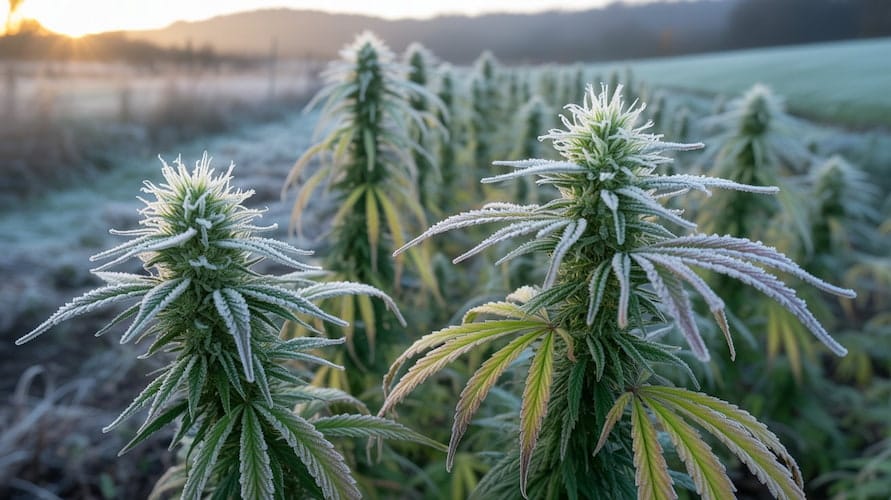
- Too early: frost can kill seedlings outright, and cold soil stunts roots. Photoperiod plants placed outside in early spring, when nights are still long, may start to flower and then switch back to vegetative growth, which costs weeks and can cause odd, twisted growth.
- Too late: plants have less time to grow before days shorten, so they flower small and yield less. If you are planting in late June or July, choose autoflowers or fast-finishing indicas and give them larger containers and full sun to make the most of the remaining season.
- Late harvest risk: long-flowering sativas planted in a short-season region can still be in flower when cold rains and frost arrive, which raises the risk of bud rot.
Protecting Young Plants After Planting Out
Even after the last frost date, a surprise cold night can occur. Keep frost cloth, buckets or a small cold frame on hand for the first few weeks. Mulch around the base to keep soil moisture even, water in thoroughly on transplant day, and protect seedlings from slugs, cutworms and rabbits with collars or fencing. Feed lightly for the first two weeks while roots settle into the new soil.
Conclusion
Optimal cannabis planting months vary by location, method, and goals. May remains ideal for most outdoor temperate-climate growers. Indoor growers enjoy flexibility but find winter and spring most efficient. Success requires understanding local conditions and matching techniques appropriately. As legalization expands, sharing cultivation knowledge helps growers achieve better results.
Key Takeaways
-
Outdoor: May for temperate climates
-
Indoor: Any month, winter preferred
-
Autoflowers: Multiple plantings possible
-
Climate: Determines specific timing
-
Planning: Work backward from harvest
Careful consideration of all factors ensures optimal planting decisions and successful harvests.
Best months to plant cannabis: Further Reading
New to best months to plant cannabis? The sections above work from start to finish, and experienced growers can jump to the parts they need. For more on best months to plant cannabis, these related Seeds Here Now guides go deeper: cannabis plant care tips, how to plant weed seeds, cannabis plant propagation techniques. For background reading, see Cannabis cultivation (Wikipedia).
To put this into practice, browse our feminized cannabis seeds, autoflower seeds, cannabis clones. Every listing names the breeder and lineage so you can match the genetics to your space and your goals.
Suggested Articles

 12 Nov 2026
 11 min read

;)
;)
;)
 June 02, 2025


RESPONSES (0)
No responses yet. Be the first to respond!