


Living Soil for Cannabis: How To Build It and Why It Works
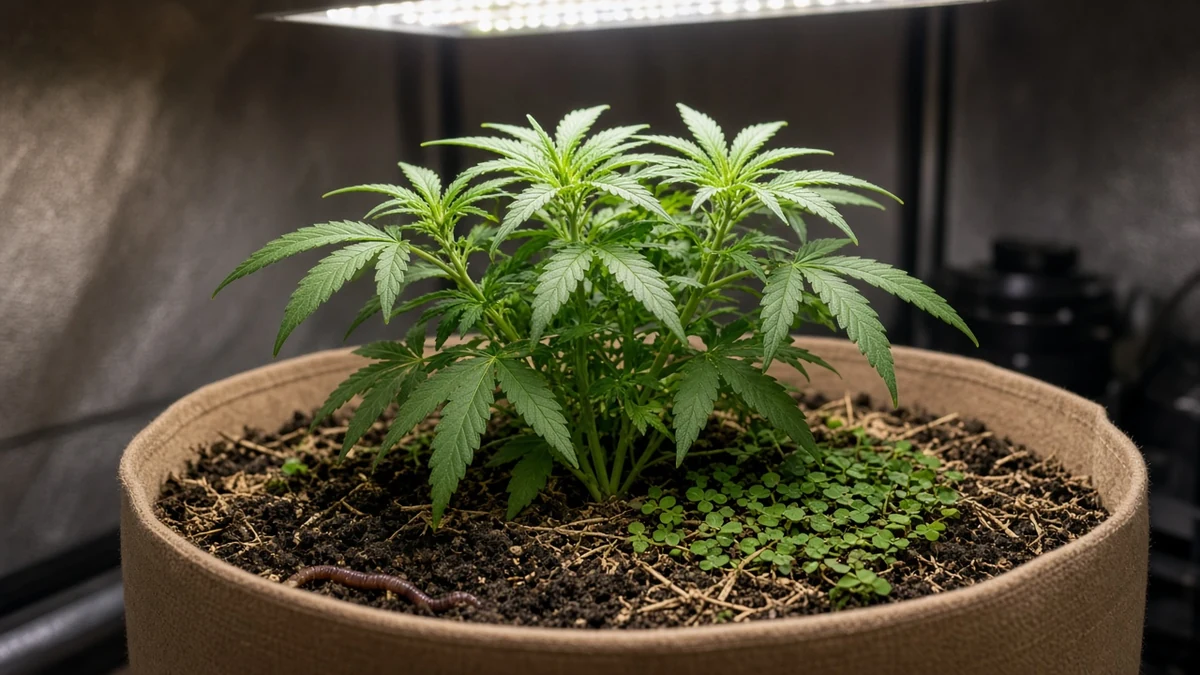
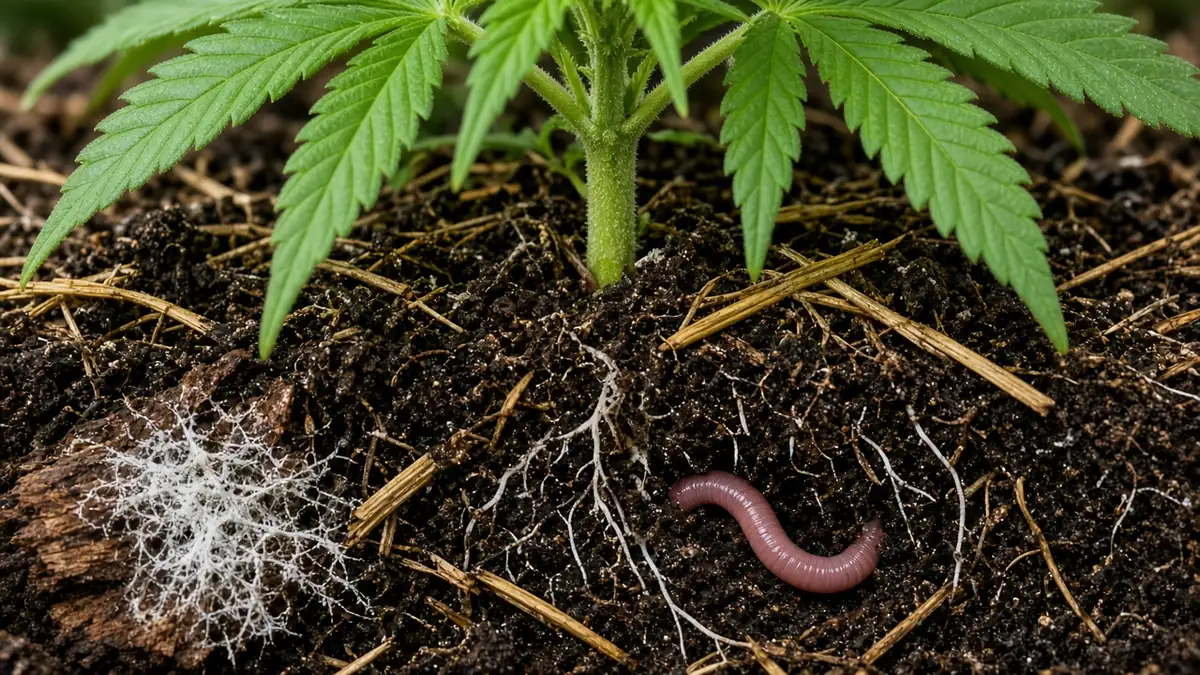
Living soil is a growing medium packed with active biology, including bacteria, fungi, worms, and other organisms, that breaks down organic matter and feeds your cannabis plants over time. Instead of mixing bottled nutrients into every watering, you build a rich soil once, keep it alive, and let the soil food web do most of the feeding.
This guide explains what living soil is, how it differs from super soil, how to build a basic mix, and how to keep it healthy from one grow to the next. If you’re still deciding on a medium, our guide to the best soil for cannabis cultivation compares the main options.
What Is Living Soil?
Living soil is soil managed as an ecosystem rather than as an inert container for roots. The idea draws on soil science. The USDA’s Soil Biology Primer describes how soil organisms drive decomposition and nutrient cycling, shape soil structure, and affect how much water is available to plants.
In a living soil grow, that biology does a job most indoor growers hand to a nutrient schedule:
- Microbes break down organic inputs. Compost, meals, and minerals aren’t instantly available to roots. Bacteria and fungi convert them into forms plants can take up.
- Roots and microbes trade. Plants release sugars and other compounds from their roots, and the organisms around them respond. This exchange in the root zone is a big part of why growers talk about “feeding the soil, not the plant.”
- Organisms build structure. Fungal threads, worm activity, and decaying organic matter help create a crumbly soil that holds moisture while still letting air reach the roots.
For a deeper look at the organisms themselves, see our guide to beneficial microbes for cannabis.
Living Soil vs. Super Soil
Living soil and super soil get used interchangeably, but they usually describe two different approaches.
Super soil is a heavily amended organic mix built to carry a plant through its life with little or no added feeding. Growers usually let the hot, nutrient-rich layer sit and “cook” before use, then place it in the lower part of the container under a milder soil so young roots don’t hit it right away. After harvest, many growers recharge it with fresh amendments or mix a new batch before the next run.
Living soil puts the focus on the biology and on keeping the soil going. The mix is usually less aggressive at the start, and the grower adds organic inputs gradually through top-dressing, mulch, and cover crops. Many living soil growers reuse the same soil for several cycles in large containers or raised beds, often without tilling it.
| Super soil | Living soil | |
|---|---|---|
| Main goal | Front-load nutrients for one grow | Build a self-sustaining soil ecosystem |
| Feeding | Mostly built into the mix | Mix plus regular top-dressing |
| Reuse | Often recharged or rebuilt | Reused and improved over time |
| Container style | Standard pots with a layered setup | Larger pots, fabric beds, or raised beds |
Both are organic approaches built to cut out bottled nutrients. The difference is mostly about how you manage the soil after the first grow.
Why Growers Use Living Soil
Living soil isn’t the fastest or simplest way to grow cannabis, but it has real appeal:
- Less day-to-day feeding. Once the soil is established, many growers water with plain water and top-dress a few times per cycle instead of mixing nutrients every time.
- A buffer against mistakes. Organic nutrients release slowly, so living soil is generally more forgiving than salt-based feeding. That lowers the risk of the swings that cause nutrient burn in bottled-nutrient grows.
- Reusable soil. Instead of buying and hauling new soil every grow, you keep improving what you have.
- Flavor and aroma. Many growers believe organic, living soil helps bring out terpene expression. That’s a widely held grower view, not a settled finding, and genetics, drying, and curing also play a big role.
There’s also growing research on soil biology in cannabis crops. A two-year field study of floral hemp in North Carolina found that compost improved soil health measures, including microbial activity, and raised cannabidiol yield in some cultivars and years. The authors also noted that results varied by cultivar and year, so it isn’t a guarantee for every plant or every grow room.
What Goes Into a Living Soil Mix
Most living soil recipes share the same three building blocks. A common starting point, popularized in organic grow communities, is roughly equal parts by volume of each:
- A base for water retention. Sphagnum peat moss or coco coir holds moisture and gives the mix body.
- Aeration. Perlite, pumice, rice hulls, or lava rock keep the soil loose so roots get oxygen and excess water drains.
- Compost or worm castings. This is the biological heart of the mix. Good compost and worm castings bring organic matter and a diverse population of organisms.
On top of that base, growers add organic amendments. Typical choices include:
- Nitrogen sources such as alfalfa meal, neem seed meal, or crab meal
- Phosphorus sources such as bone meal or fish bone meal
- Potassium sources such as kelp meal
- Minerals such as basalt rock dust, gypsum, and oyster shell flour or other calcium sources
- Biology boosters such as mycorrhizal fungi inoculants
Amendment rates vary a lot from recipe to recipe and depend on your base materials, so follow the guidance on the products you use or a tested recipe from a reputable soil supplier. Our guide to organic soil amendments covers what each common input does.
How To Build Living Soil Step by Step
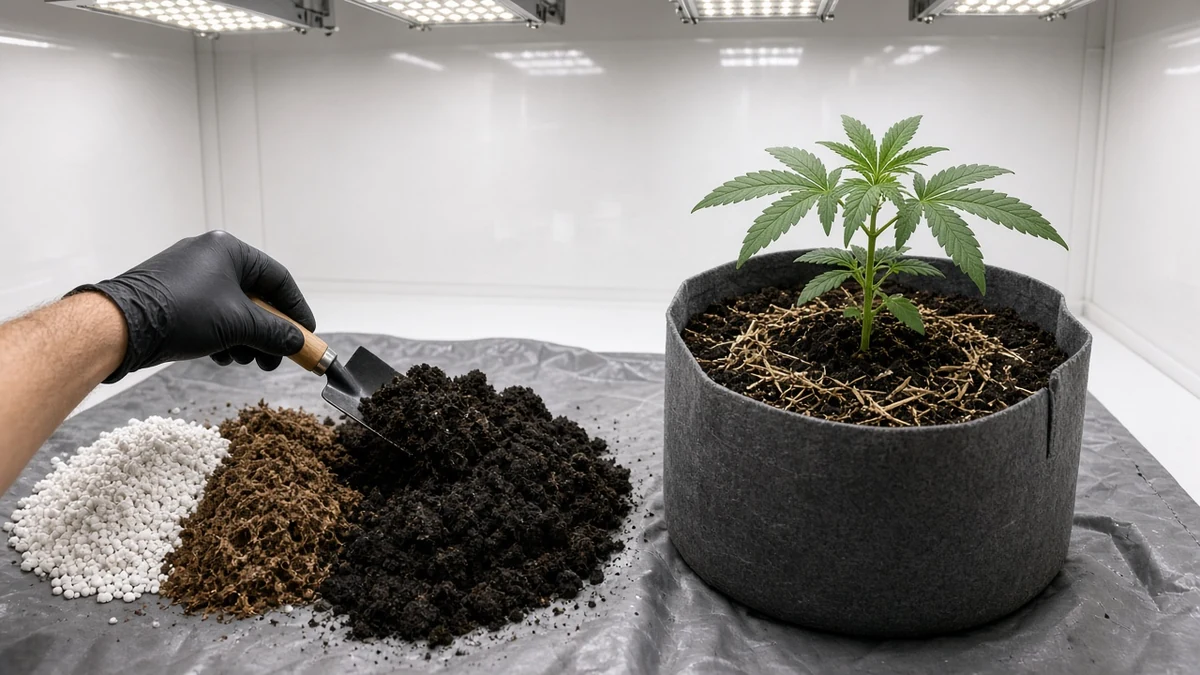
You don’t need a farm to build living soil. A tarp, a few bags of material, and some patience are enough for a tent grow.
1. Pick Your Container Size
Living soil works best with plenty of volume. More soil means more room for biology, steadier moisture, and fewer swings. Many indoor living soil growers use large fabric pots or fabric raised beds rather than small containers. If you only have room for small pots, a living soil approach can still work, but expect to top-dress and water more carefully.
2. Mix the Base
Combine your water-retention base, aeration, and compost on a tarp or in a large tub. Break up clumps so everything is evenly blended. Lightly moisten the mix as you go so it feels like a wrung-out sponge, not soggy.
3. Add Amendments
Spread your amendments over the base and mix again until they’re evenly distributed. Uneven pockets of strong amendments are a common cause of trouble in young plants.
4. Let It Rest
Freshly amended soil needs time for the organisms to start breaking down the inputs. Many growers cover the moist mix and let it sit for a few weeks before planting, checking that it stays damp but not waterlogged. Heavily amended mixes usually need longer. A finished mix should smell earthy, not sour or like ammonia.
5. Plant and Mulch
Fill your containers, plant seedlings or clones, and add a layer of mulch to protect the surface. Mulch keeps the top of the soil from drying out and gives worms and fungi a place to work. Our guide to the best mulch for cannabis covers good options, and some growers use a living mulch such as clover. See companion plants for cannabis for ideas.
How To Maintain Living Soil
Building the soil is only half the job. Keeping it alive is what makes the system work.
Water With Care
Living soil needs consistent moisture. Letting it dry out completely stresses the organisms, while constant saturation starves roots of oxygen and invites pests like fungus gnats. Many growers water smaller amounts more often and keep the surface covered with mulch. If you’re on city water, our guide to whether tap water is bad for cannabis explains what to check.
Top-Dress Through the Grow
Instead of feeding liquid nutrients, living soil growers sprinkle amendments, compost, or worm castings on the surface and let watering and soil life carry them down. Plan ahead, since organic inputs take time to break down. Our top-dressing guide walks through timing and what to use.
Avoid Harsh Inputs
Strong synthetic salts and some sterilizing products can harm soil organisms. If you need to adjust something, choose gentle organic options. When plants look hungry even though the soil is rich, check pH before adding more. Soil pH problems and nutrient lockout are common causes.
Reuse Between Grows
After harvest, many growers cut plants at the base and leave the root ball to break down in the soil. They then top-dress with fresh compost and amendments, re-mulch, and let the soil rest before the next planting. This no-till approach limits disturbance to fungal networks and soil structure. A soil test every so often helps you see what needs replacing.
Common Living Soil Mistakes
- Planting too soon. Hot, freshly amended soil can burn seedlings. Give the mix time to rest.
- Using too little soil. Small containers dry out fast and leave little room for biology.
- Overdoing amendments. More isn’t better. Too much of a strong input can create imbalances that are hard to fix.
- Letting the soil dry out. Bone-dry soil sets back the organisms that feed your plants.
- Treating it like bottled nutrients. Organic inputs work slowly. Top-dress ahead of need instead of reacting at the last minute.
- Flushing like a salt-based grow. Heavy flushing doesn’t fit living soil the way it does with bottled nutrients. See our guide on how to flush cannabis plants for how growers approach this in organic soil.
Is Living Soil Right for Your Grow?
Living soil suits growers who enjoy the process, want to cut back on nutrient schedules, and plan to grow in the same space for several cycles. It takes more upfront planning, space, and patience than a bag of potting soil and a bottle of nutrients, and results depend on the quality of your inputs.
It also pairs well with pheno hunting and long-term projects, since you can run the same soil while you compare plants. Whether you’re starting with feminized seeds, regular seeds, or autoflowers, a healthy soil gives your genetics a solid foundation.
Cannabis laws differ by state and country, and home cultivation is legal in some places and not in others. Check the law where you live before you buy seeds or grow anything. Seeds Here Now sells seeds only to adults 21 and older, and nothing here is legal advice.
Frequently Asked Questions
What Is Living Soil for Cannabis?
Living soil is an organic growing medium managed as an ecosystem. Bacteria, fungi, worms, and other organisms break down compost and amendments and make nutrients available to the plant, so growers mostly water and top-dress instead of feeding bottled nutrients.
What’s the Difference Between Living Soil and Super Soil?
Super soil is a heavily amended mix built to feed a plant through one grow, often layered under milder soil and recharged or rebuilt afterward. Living soil focuses on keeping soil biology active and is usually reused and improved over several grows with top-dressing and mulch.
What Is a Basic Living Soil Recipe?
A common starting point is roughly equal parts peat moss or coco coir, an aeration material such as perlite or pumice, and quality compost or worm castings, plus organic amendments and minerals. Exact amendment rates vary by recipe and product.
How Long Should Living Soil Rest Before Planting?
Many growers let freshly amended soil rest, moist and covered, for a few weeks so the organisms can start breaking down the amendments. Heavily amended mixes usually need longer, and lightly amended mixes may need less time.
Can You Reuse Living Soil?
Yes. Reuse is one of the main reasons growers choose living soil. After harvest, they typically leave the roots in place, top-dress with fresh compost and amendments, re-mulch, and let the soil rest before the next planting.
Do You Need Nutrients With Living Soil?
Usually not in the bottled sense. Living soil growers feed with top-dressed organic amendments, compost, and worm castings, and water with plain water most of the time.
Suggested Articles
 27 Nov 2026
 10 min read

;)
;)
;)
 November 27, 2026


RESPONSES (0)
No responses yet. Be the first to respond!