


Inside the Indian Landrace Exchange: Hunting Rare Cannabis Genetics in the Wild
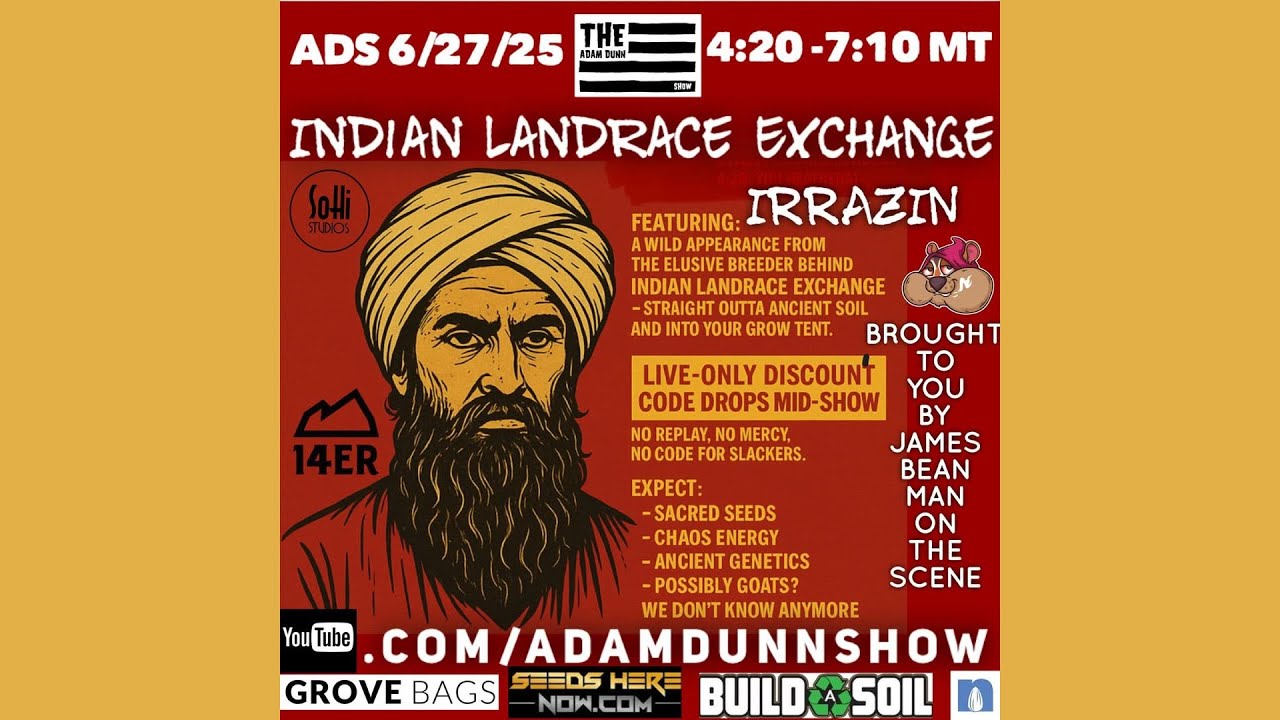
The Indian Landrace Exchange is one of the most remarkable preservation projects in cannabis: a small team that travels to remote valleys to document and save traditional genetics before they disappear.
I’m James Bean, founder of Seeds Here Now since 2010. I co-hosted a breeder takeover with the team, and this article covers who they are, how their farmer-first model works, and the lines from their 2025 collection.
Seeds Here Now sells authentic breeder packs to adults 21+. We do not provide growing instructions, and nothing here is a medical claim.
What Is a Landrace, and Why Does It Matter?
A landrace is a traditional variety adapted to one region over many generations, shaped by local climate and by the farmers who kept it. As modern hybrids spread, many of these lines are being diluted or lost. Read our guide to heirloom and landrace strains.
Landraces as Living Archives
A landrace is a domesticated, locally adapted population rather than a single uniform variety. It is shaped by the land and by the people who kept it: climate, altitude, soil, pests and generations of local selection all leave their mark. That is very different from the uniform cultivars bred for commercial menus.
Because of that history, a landrace carries a wide range of traits within one population. Some plants in the same collection may smell fruity, others earthy or pungent, and their shapes can vary widely. For buyers and breeders, that diversity is the point. It is a record of a place, and a source of building blocks that the modern hybrid pool no longer has.
Wikipedia’s landrace article covers the concept across crops and livestock, and our landrace and heritage strains guide goes deeper on cannabis specifically.
The Indian Landrace Exchange Mission
Irrazin, a field botanist, ethnographer and landrace preservationist, co-founded the Indian Landrace Exchange in 2015. Working from Chiang Mai, Thailand, the team travels through high-altitude passes and difficult regions to find and preserve traditional lines.
Their model is farmer-first: they document the culture, history and environment of each region, reproduce seed with minimal interference to keep lines true, and return a significant share of proceeds to the farming communities that kept the genetics alive.
Meet Irrazin on The Adam Dunn Show
The original version of this page was written for a Seeds Here Now breeder takeover, and I co-hosted the conversation with Irrazin on The Adam Dunn Show. The full episode is embedded below. It is one of the best first-hand accounts I know of what landrace preservation looks like in the field.
Irrazin describes himself as a field botanist, ethnographer and landrace preservationist. The ethnographer part matters. The Indian Landrace Exchange does not treat seeds as a product pulled from the ground. It treats each line as part of a culture, with a history and a community attached.
If you only have time for part of it, the sections on field collection and on how the project pays farmers are the ones I would start with.
The Collection Journey
In the interview, Irrazin described trips through Kashmir where crossing de facto borders carried real danger. Access to many areas depends on local relationships and trust built over years, not on money. As he put it, human connections are the currency that opens doors.
The team works region by region. The interview named Chitral Valley in Pakistan, Nawa Ghazni and Maru Kandahar in Afghanistan, and the Kumra Valley among the areas it collects from. That regional focus allows detailed documentation, and the project has turned some of that work into coffee table books that record the culture and genetics of each area. They are not just seed catalogs. They are archives of cannabis heritage.
A Farmer-First Model
What sets the Indian Landrace Exchange apart is how it treats the farmers who kept these lines alive. A significant share of proceeds goes back to the farming communities, which means people in remote valleys can benefit from the plants their families have kept for generations.
That model also protects the genetics. When local farmers have a reason to keep their traditional lines, those lines are less likely to be replaced by imported hybrids. Preservation and fair payment work together.
The original version of this page summed up the difference simply: Indian Landrace Exchange seeds are documented genetics sourced directly from traditional farming communities in South and Central Asia, then reproduced with as little interference as possible so each population stays true to its home region. That documentation is what turns a pack of seeds into a record a buyer can trust, because the region, the community and the history all travel with it.
Landrace Lines vs. Modern Hybrids
Modern hybrids are often built from a small pool of famous parents. Indian Landrace Exchange seeds come from outside that pool, which makes them valuable to buyers and to breeders looking for new building blocks. Most are offered as regular seeds to preserve the full genetic range.

Four Ways Landraces Differ From Modern Hybrids
The interview spent a long time on what makes landrace populations different from the hybrids on most menus. The main points are worth restating:
- Genetic diversity: landrace populations hold a broad gene pool, while many modern hybrids come from a narrow set of famous parents.
- Fit to place: each population reflects the climate and conditions of its home region.
- Variation within a pack: plants from the same landrace collection can differ noticeably in aroma and form.
- Complexity: landrace aromas tend to be layered and regional, where many modern lines chase one dominant note.
For breeders, that makes landraces the blank page where new work starts. For buyers, it makes each pack a piece of regional history that cannot be recreated from the modern pool.
Landraces Behind Famous Modern Lines
Many of the best-known modern strains trace back to landrace stock from this part of the world. Afghan populations helped shape lines like Northern Lights and LA Confidential, and DJ Short’s Blueberry is usually described as built from Afghan and Thai landrace stock. Without those regional populations, much of today’s catalog would not exist.
That history is one reason preservation work matters. Once a regional population is lost or diluted, the source material behind those famous lines is gone with it. Projects like the Indian Landrace Exchange keep that source material on record.
Spotlight on the 2025 Indian Landrace Exchange Collection
The 2025 drop featured 10 lines from four regions.
| Region | Lines | Aroma notes |
|---|---|---|
| Chitral Valley | String of Pearls, Purple Apricot, Wild Black, Yarkhun Valley | Berry, apricot, blackberry, pine, incense |
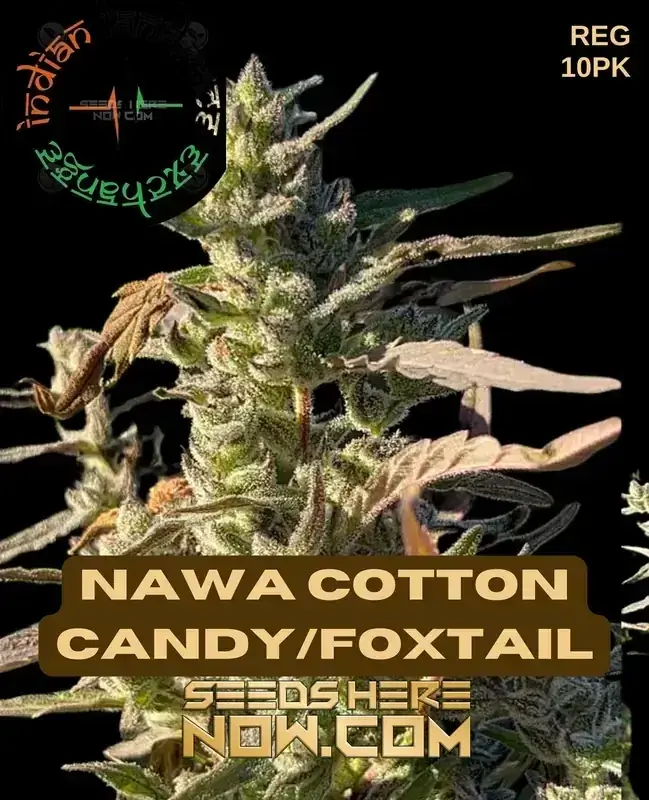
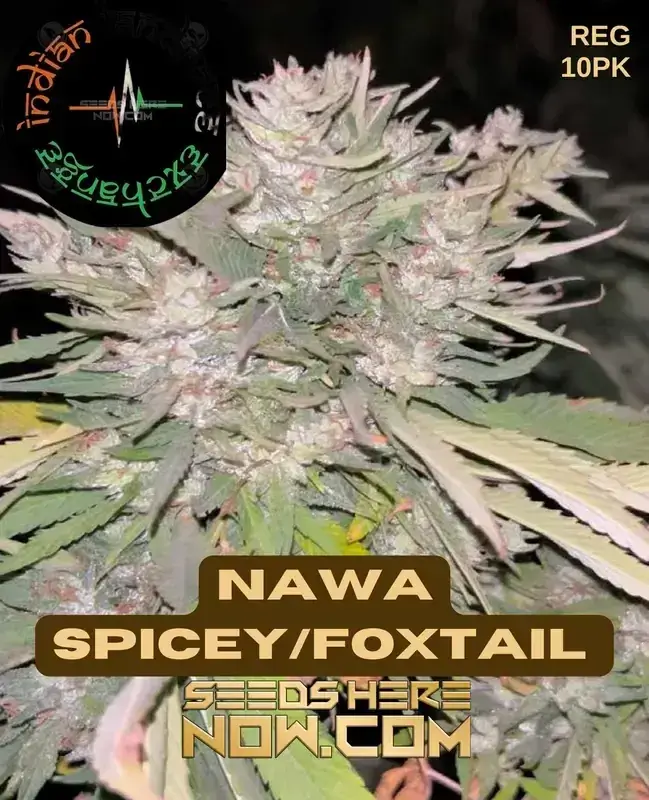
| Nawa Valley | Nawa Cotton Candy/Foxtail, Nawa Spicy/Foxtail, Nawa Elite Selections | Pine, gasoline, melon, cotton candy |
| Maru Kandahar | Maruf Red Selection, Maruf Black Selection | Funk, diesel, mothball |
| Balochistan | Quetta XXL Purple-23 | Diesel, classic Afghan hash |
Chitral Valley
String of Pearls carries sweet berry and woody citrus; Purple Apricot brings berry-apricot; Wild Black, from the Kalash Valley, is close to wild cannabis with blackberry and floral notes; Yarkhun Valley is a rare pine and incense chemotype.
Nawa Valley
Foxtail-shaped, resin-heavy lines: Nawa Cotton Candy/Foxtail (pine and cotton candy), Nawa Spicy/Foxtail (spicy gasoline over melon) and Nawa Elite Selections, a curated top-5% selection.
Maru Kandahar
Heirloom selections with greasy, colored flowers: Maruf Red with a sulfur funk, and Maruf Black with diesel and mothball notes.
Balochistan
Quetta XXL Purple-23 is a tree-form heirloom with purple-tinged flowers and a diesel and classic Afghan hash aroma.

Collection Notes by Line
The original page described each line in the 2025 drop in more detail. Here are those notes, limited to aroma, form and origin:
- String of Pearls (Chitral Valley): the most compact line in the drop, from a high-altitude area with heavy snowfall, with sweet berry and woody citrus notes.
- Purple Apricot (Chitral Valley): a tall, Christmas-tree-shaped form with a sweet berry and apricot aroma.
- Wild Black (Kalash Valley, Chitral): a tall, lanky form close to wild cannabis, with sweet blackberry and floral notes.
- Yarkhun Valley (Chitral Valley): a rare chemotype with pine and incense notes.
- Nawa Cotton Candy/Foxtail: resin-heavy foxtail flowers with pine, solvent and cotton candy sweetness.
- Nawa Spicy/Foxtail: chunky foxtails with spicy gasoline over melon.
- Nawa Elite Selections: a curated top-5% selection with pine-diesel resin and melon notes.
- Maruf Red Selection (Maru Kandahar): an heirloom with greasy, red-tinted flowers and a sulfur funk.
- Maruf Black Selection (Maru Kandahar): an heirloom with diesel and mothball notes.
- Quetta XXL Purple-23 (Balochistan): a tree-form heirloom with purple-tinged flowers and a diesel and classic Afghan hash aroma.
These lines are offered in limited preservation runs, so record the line name, region and release year with every pack you add.
Why Regional Names Matter
Every line in the collection carries the name of its region, and that is deliberate. In landrace work, the place is part of the identity. A Chitral line and a Kandahar line are not just different strains. They come from different climates, different farming traditions and different histories.
For buyers, the regional name is the most useful label on the pack. It lets you organize a landrace set by geography, and it keeps the link between the seed and the community that preserved it.
Building an Indian Landrace Exchange Collection by Region
Organizing Indian Landrace Exchange seeds by region is the simplest way to keep a landrace set readable. This plan uses the four regions in the 2025 drop.
| Region | Country | Lines in the 2025 drop | Character |
|---|---|---|---|
| Chitral Valley | Pakistan | String of Pearls, Purple Apricot, Wild Black, Yarkhun Valley | Berry, fruit, floral and incense |
| Nawa Valley | Afghanistan | Nawa Cotton Candy/Foxtail, Nawa Spicy/Foxtail, Nawa Elite Selections | Foxtail resin, pine, gas and melon |
| Maru Kandahar | Afghanistan | Maruf Red Selection, Maruf Black Selection | Heirloom funk and diesel |
| Balochistan | Pakistan | Quetta XXL Purple-23 | Diesel and classic Afghan hash |
Add the release year and pack format to each record. Over time, a regional set like this becomes a small map of cannabis heritage. We sell seeds only to adults 21+.
Watch the Breeder Takeover
Browse the full Indian Landrace Exchange catalog at Seeds Here Now.
Seeds, the Law and Our Rules
Cannabis laws differ by state, and federal hemp and seed rules are changing under Section 781. Check the law where you live before you buy anything. Our cannabis seeds by state guide links every state and its official sources, and our explainer on what Section 781 is covers the federal side.
Every buyer must be 21 or older.
🎯 How To Choose and Grow Indian Landrace Exchange Seeds
Growing landrace genetics can be a rewarding yet challenging experience. These plants have evolved in specific environments and may require different care than your typical dispensary strain. Here are some tips to get started:
- Know Your Terroir: Landraces are adapted to specific climates and altitudes. For example, Chitral varieties thrive in cooler mountain air, while Maru Kandahar strains are built for desert heat.
- Flower Time Patience: Many landrace strains have longer flowering times—some up to 13 weeks.
- Soil and Nutrients: Mimic natural growing conditions by using well-aerated soil and balanced nutrients. Many landraces thrive with moderate feeding and plenty of airflow.
- Genetic Diversity: Grow seeds rather than clones to maintain genetic diversity and resilience. This also gives you the thrill of phenotype hunting!
If you’re new to seeds or looking for a broader selection, you might want to explore the regular cannabis seeds section at SeedsHereNow. They offer a great variety that can complement your landrace adventures.
🌟 Final Thoughts: Why Indian Landrace Exchange Seeds Deserve a Spot in Your Grow
As a breeder and cannabis enthusiast, I can’t stress enough how important it is to preserve and explore landrace genetics. The Indian Landrace Exchange is doing incredible work not just in seed preservation but in cultural conservation, economic empowerment, and scientific documentation. Their seeds are living proof of cannabis’ rich history and potential future.
Check out the full breeder lineup at Seeds Here Now and get ready to add some ancient magic to your garden.
For more on landrace genetics and their incredible diversity, you can also explore the rich world of landrace varieties worldwide.
Thanks for joining me on this journey through the Indian Landrace Exchange. Stay tuned for more deep dives and giveaways from the SeedsHereNow family. Happy growing!
Frequently Asked Questions
What is the Indian Landrace Exchange?
A preservation project co-founded in 2015 by field botanist Irrazin that collects and preserves traditional cannabis lines.
What makes Indian Landrace Exchange seeds different?
They come from traditional farming regions, are reproduced with minimal interference, and a share of proceeds supports the farmers.
Which regions are in the 2025 collection?
Chitral Valley, Nawa Valley, Maru Kandahar and Balochistan.
Do you give growing advice for landrace seeds?
No.
Who is Irrazin?
A field botanist, ethnographer and landrace preservationist who co-founded the Indian Landrace Exchange in 2015 and works from Chiang Mai, Thailand.
Where does the Indian Landrace Exchange collect seeds?
The interview named Chitral Valley in Pakistan, Nawa Ghazni and Maru Kandahar in Afghanistan, and the Kumra Valley, among others.
Why are most landrace packs regular seeds?
Regular seeds keep the full genetic range of a population, which is the heart of landrace preservation.
Where can I watch the Indian Landrace Exchange interview?
The full Adam Dunn Show episode with Irrazin is embedded on this page.
How should I organize Indian Landrace Exchange seeds?
By region. Recording the region, line name, release year and format keeps a landrace set easy to read.
Q: Are these seeds suitable for beginners?
A: Some strains, like the Nawa Elite Selections, are more forgiving and have shorter flowering times. However, many landraces require patience and experience due to their unique growth patterns and environmental needs.
Q: How long do Indian Landrace Exchange strains take to flower?
Flowering times vary but typically range from 8 to 13 weeks, depending on the strain and region. For example, String of Pearls finishes in 8 to 9 weeks, while Quetta XXL Purple-23 takes 11 to 13 weeks.
Q: Can I grow these strains outdoors?
Yes, many landrace strains are naturally adapted to outdoor conditions in their native regions. However, you’ll want to consider your local climate and altitude. For instance, strains from Kandahar are heat tolerant, while those from Chitral prefer cooler mountain conditions.
Q: How do I maintain genetic diversity when growing landrace seeds?
Grow seeds rather than clones, and avoid over-selecting a single phenotype unless you’re breeding. This helps preserve the natural diversity that makes landraces so valuable.
Bottom Line
Indian Landrace Exchange seeds are living history from places most of us will never visit. For adults 21+, they are some of the most meaningful packs you can own.
Sources
Key Facts About the Indian Landrace Exchange
| What it is | A landrace preservation project |
|---|---|
| Co-founded | 2015 by field botanist Irrazin |
| 2025 regions | Chitral Valley, Nawa Valley, Maru Kandahar, Balochistan |
| Model | Farmer-first; a share of proceeds supports farmers |
| Seed type | Mostly regular seeds |
| Where to buy | Seeds Here Now, authentic breeder packs for adults 21+ |
Last updated October 7, 2026 by James Bean, founder of Seeds Here Now. Nothing here is legal advice. See our disclaimer, terms of use and shipping policy.
Suggested Articles
 09 Nov 2026
 7 min read
;)
;)
;)
 July 03, 2025


RESPONSES (0)
No responses yet. Be the first to respond!