


Best Cannabis Clones for Indoor Growing

This guide covers best cannabis clones for indoor growing step by step, with practical tips from James Bean and the Seeds Here Now team for adult growers 21+.
A Note from James Bean
As the founder of Seeds Here Now, I’ve spent years working with the world’s top breeders and growers. Today, I’m sharing my firsthand experience with the best cannabis clones for indoor cultivation. After helping countless growers find their perfect genetics, I’ve developed deep insights into what works best in controlled environments.
Why Trust My Recommendations?
Running Seeds Here Now has given me a unique perspective on cannabis genetics. I’ve personally vetted thousands of strains and worked directly with the industry’s most respected breeders. My recommendations come from both hands-on experience and continuous feedback from our community of dedicated growers.
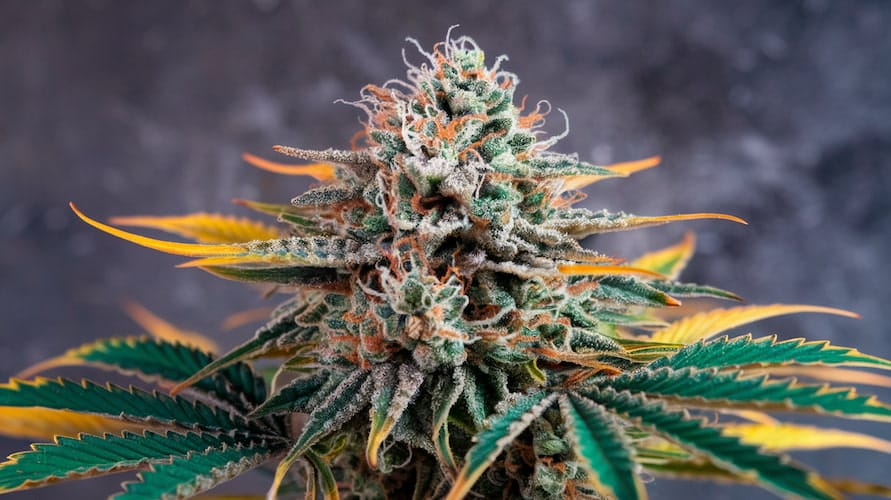
Top Clone Selections for Indoor Success
1. Bruce Banner
I’ve seen this strain consistently perform for both novice and experienced growers. What makes Bruce Banner particularly special for indoor growing:
- Exceptional resistance to common indoor pests
- Manageable height for limited spaces
- Reliable yields, even in less-than-perfect conditions
2. Cake Crasher
This is one of our most requested genetics at Seeds Here Now, and for good reason:
- Exceptional trichome production
- Strong branching that supports heavy buds
- Outstanding response to indoor environmental controls
3. High MAC
A personal favorite I often recommend to our serious cultivators:
- Exceptional bag appeal
- Strong resistance to powdery mildew
- Excellent response to training techniques
4. Gelato #41
This strain has become a staple for many of our commercial customers:
- Consistent phenotype expression
- Excellent yields in SOG setups
- Strong market demand
5. GMO Cookies
I’ve seen this strain excel in various indoor setups:
- Exceptional potency
- Strong resistance to temperature fluctuations
- Outstanding terpene production
My Indoor Growing Tips
After years of working with top cultivators, here’s what I’ve learned:
Environment Control
In my experience, successful clone growing comes down to:
- Temperature: Maintain 72°F to 78°F (22°C to 26°C)
- Humidity: 60% to 70% for rooting, 40% to 50% for flowering
- Air Movement: Constant but gentle circulation
Lighting Recommendations
Based on feedback from our most successful customers:
- Vegetative: 400 to 600 PPFD
- Flowering: 800 to 1000 PPFD
- Light Distance: 18 to 24″ for LED fixtures

Common Questions I Receive
Q: What’s the best medium for rooting clones?
From what I’ve seen at Seeds Here Now, rockwool cubes provide the most consistent results. However, I always recommend smart pots with coco coir for transplanting established clones.
Q: How long should growers veg clones?
In my experience, 3 to 4 weeks of vegetation produces the best results for most indoor setups. This gives plants time to develop strong root systems while maintaining manageable size.
Q: What’s the most common mistake you see with clone growing?
Poor environmental control during the first week is the biggest issue I see. Maintaining high humidity (90%+) and stable temperatures during rooting is crucial for success.

Advanced Cultivation Insights
Training Methods I Recommend
Based on our most successful growers:
- Early topping at 3rd node
- LST during early veg
- Selective defoliation weeks 1 and 3 of flower
- ScrOG for larger indoor operations
Nutrition Schedule
My recommended feeding approach:
- Rooting: Light nutrients (EC 0.5 to 0.8)
- Veg: Gradual increase to EC 1.8 to 2.0
- Flower: Peak at EC 2.2 to 2.4
- Late Flower: Gradual decrease to EC 1.5
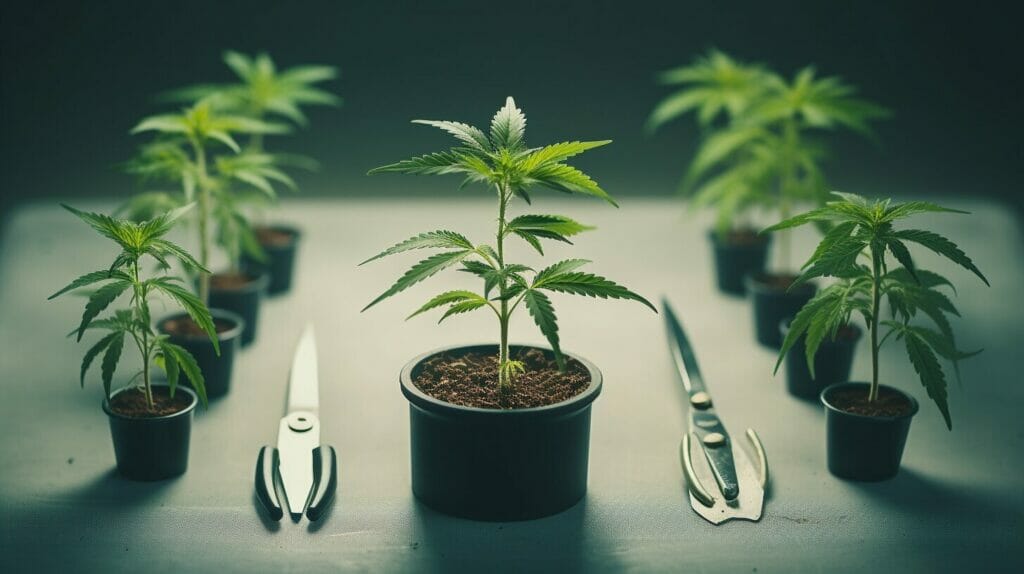
Step by Step: Taking the Best Cannabis Clones for Indoor Growing From Arrival to Flower
- Unpack immediately. Open the box as soon as it arrives, check that the plugs are moist and the leaves are green and upright.
- Quarantine. Keep new clones in a separate space away from your main grow for 7 to 14 days, even if they come from a trusted source.
- Inspect closely. Use a loupe to check the undersides of leaves for spider mites, thrips, aphids and their eggs, and look for white powdery spots that could be powdery mildew.
- Acclimate to light. Start under gentle light, roughly 150 to 300 PPFD, for the first few days, then increase gradually toward full veg intensity over about a week.
- Keep humidity up at first. A humidity dome or a humid corner of the tent (around 70 to 80%) helps clones settle in; open the vents a little more each day.
- Transplant when roots show. When white roots poke out of the plug, move the clone into a 1-gallon pot, then into the final container (3 to 5 gallons is common indoors) once roots fill that pot.
- Veg and train. Top or train as described above, and flip to 12/12 when plants reach about half of your available height, since most will roughly double during the stretch.
Checking Incoming Clones for Pests
Pests that arrive on a clone are far easier to stop during quarantine than once they spread through a room. Many growers dip new clones before introducing them: they turn the clone upside down, holding the plug, and swish the foliage in a mild solution of an insecticidal soap or a product labeled for use on young plants, then rinse and let it dry in shade. Repeat inspections every few days during quarantine. Sticky traps placed near the clones help reveal fungus gnats, thrips and whiteflies.
Pot Sizes and Veg Timeline
| Approach | Final pot | Typical veg time | Best for |
|---|---|---|---|
| Sea of green (many small plants) | 1 to 2 gallons | 1 to 2 weeks | Fast turnaround, uniform canopy |
| Standard tent grow | 3 to 5 gallons | 3 to 4 weeks | Most home growers |
| Fewer, larger plants (SCROG) | 5 to 7 gallons | 5 to 8 weeks | Filling a screen with few plants |
Troubleshooting New Clones
- Drooping on day one: usually stress from shipping or too much light. Lower light intensity, raise humidity and avoid feeding for a day or two.
- Yellowing lower leaves: common as the clone uses stored nutrients. Start a light feed (EC around 0.6 to 0.8) once new roots appear.
- Wilting after transplant: keep the new pot evenly moist but not soaked, and keep light slightly lower for a couple of days while roots grow into the new medium.
- Slow growth: check root-zone temperature (about 70 to 75°F is ideal), pH (around 5.8 to 6.2 in coco, 6.2 to 6.8 in soil) and whether the pot is staying too wet.
- Stretchy, pale clones: light is too weak or too far away. Increase intensity gradually.
Keeping a Mother Plant From Your Best Clone
If one clone performs especially well, you can keep it as a mother plant and take your own cuttings. Keep the mother in veg under 18 hours of light, feed it moderately, prune it regularly to encourage many even branches, and take cuttings of about 4 to 6 inches from healthy lower branches. Replace a mother every year or so with a fresh cutting of itself to keep vigor high.
Ready to buy a cut? Our guide to ordering cannabis clones walks through how clone orders and delivery work.
Best Cannabis Clones for Indoor Growing: Conclusion
After years in the industry and countless conversations with growers, I’ve learned that success with indoor clones comes down to starting with proven genetics and maintaining strict environmental control. At Seeds Here Now, we’re committed to helping growers succeed by providing access to the best genetics and sharing our accumulated knowledge.
Now that you know all about the best cannabis clones for indoor growing, shop our wide selection of premium cannabis clones today.
🌱 New to this? Start with our complete guide: What Are Cannabis Clones (Complete Guide).
Best cannabis clones for indoor growing: Further Reading
New to best cannabis clones for indoor growing? The sections above work from start to finish, and experienced growers can jump to the parts they need. For more on best cannabis clones for indoor growing, these related Seeds Here Now guides go deeper: easiest cannabis clones to grow, growing autoflowering cannabis seeds, fast-growing cannabis strains. For background reading, see Plant propagation (Wikipedia).
To put this into practice, browse our feminized cannabis seeds, autoflower seeds, cannabis clones. Every listing names the breeder and lineage so you can match the genetics to your space and your goals.
Suggested Articles

 12 Nov 2026
 11 min read

;)
;)
;)
 October 25, 2024


RESPONSES (0)
No responses yet. Be the first to respond!