


Cannabis Micropropagation: A Straight-Talk Guide to Tissue Culture
Tissue culture is the most over-hyped and under-understood technique in cannabis right now. Every few months a new company pitches it as the future of cloning, the thing that’s going to make your dresser-drawer setup obsolete. I’ve been in the seed business 16 years, and I’m going to give you the version without the marketing gloss: what cannabis micropropagation actually is, the one thing it does that nothing else can, why the big operations pour money into it — and why it’s almost certainly not a shortcut for your home grow. For adult growers 21+.
What Cannabis Micropropagation Actually Is
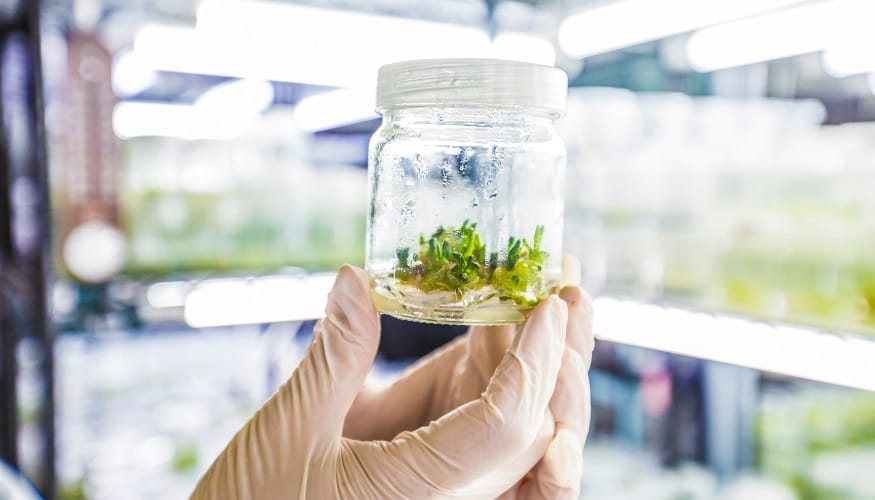
Micropropagation is cloning at a microscopic scale, done in a lab, in sterile glass. Instead of cutting a branch and rooting it in a cube, you take a tiny piece of plant tissue — a shoot tip, a node, or even a sliver of the growing point — and grow it on a nutrient gel under fully sterile conditions. That’s tissue culture. “Micropropagation” and “tissue culture” are the same thing in practice.
The tissue you start with is called the explant. You surface-sterilize it — bleach or ethanol dips, rinsed clean — to kill every microbe on it, because in a nutrient-rich gel, a single bacterial or fungal spore explodes into a colony overnight and destroys the culture. The sterilized explant goes onto media: usually a Murashige & Skoog (MS) salt base loaded with sugars, vitamins, and — this is the part that does the work — plant growth regulators.
Cytokinins push the tissue to throw new shoots; auxins push it to throw roots. Dial the hormone ratio one way and one explant multiplies into a cluster of shoots; dial it the other way and those shoots grow roots.
The cycle runs like this: initiate the clean explant, multiply it into many shoots through repeated subculturing, root those shoots, then acclimatize — the slow, delicate process of moving a plant that’s never seen a microbe or a dry breeze out of sterile glass and into real growing conditions without shocking it to death. Done at scale, one elite plant becomes hundreds or thousands of genetically identical copies.
The One Thing Tissue Culture Does That Nothing Else Can: HpLVd Cleanup
If you take one thing from this article, take this. The killer application for cannabis tissue culture is cleaning viroid infection out of your genetics — specifically Hop Latent Viroid (HpLVd, sometimes written HLVd).
HpLVd is the quiet epidemic of commercial cannabis. It’s a tiny infectious RNA that spreads through cutting tools, root contact, and clones — and it’s endemic across the industry. The reason it’s so dangerous is right there in the name: latent. A plant can carry it for a long time showing nothing, then express what growers call “dudding” — stunted growth, brittle stems, reduced trichomes, washed-out terpenes, and cannabinoid losses that studies have put around 30% or more.
You don’t lose the plant. You lose what made the plant worth growing. And if your mother is infected, every clone off her carries it, and every clone off those. Whole gardens get quietly gutted.
You cannot wash HpLVd out with a foliar spray. You cannot clone your way clean — regular cuttings carry the infection with them. The one proven way to recover a clean copy of an infected elite cut is meristem culture, and this is where tissue culture earns its keep.
The meristem is the microscopic dome of dividing cells at the very tip of a growing shoot — a fraction of a millimeter. Here’s the biology that matters: that meristematic dome grows and divides faster than the plant’s vascular tissue can extend into it, and viroids move through vascular tissue. So the newest meristem cells are effectively “ahead” of the infection — they haven’t been colonized yet.
Under a microscope, a skilled technician excises that tiny clean tip and grows it out in culture. The plant you get back is a genetic copy of your elite cut, minus the viroid. Then you test it with PCR to confirm it’s clean. That recovered, verified-clean plant becomes your new mother.
Nothing else does this. That’s the real headline of cannabis micropropagation. Not “test-tube weed” — genetic rescue.

Why Big Operations Use Tissue Culture
Beyond HpLVd cleanup, large commercial and breeding operations run tissue culture for reasons that only make sense at scale:
- Clean, uniform stock at volume. A licensed producer flipping thousands of plants a month needs disease-free, genetically identical starts. Tissue culture delivers a firehose of clean, uniform plantlets from a single verified-clean mother.
- Germplasm storage. Cultures can be held in slow-growth “cold storage” — a genetic library in glass, taking up a shelf instead of a grow room, with no bugs, no spider mites, no daily watering. For a breeder sitting on decades of elite cuts, that’s a preservation vault.
- Space and sanitation. A few thousand cultures live in the footprint of a small mother room, with none of the pest and pathogen pressure a mother room carries.
Notice the theme: every one of those advantages is about scale, preservation, and pathogen control — the problems of an operation running thousands of plants and protecting valuable genetics. None of them are problems a home grower with a tent and four plants actually has.
Is Tissue Culture Realistic for Home Growers? Let’s Be Honest
No. Not as a replacement for cloning, and I want to be blunt about it because the hype says otherwise.
To run tissue culture properly you need a laminar flow hood (a filtered sterile-air workstation — cannot skip it, this is where sterility lives), an autoclave or pressure cooker to sterilize media and tools, precision scales and pH meters to mix media, the growth regulators themselves, sterile vessels, a clean climate-controlled culture space, and — the part no equipment fixes — the trained hands and sterile technique to do meristem excision under a scope without contaminating everything. And even with all of it, you’re looking at weeks to months to take one explant through initiation, multiplication, rooting, and acclimatization.
Compare that to cloning: cut a branch, dip it, stick it in a cube, roots in ten days, no lab, near-zero cost. For simply making more copies of a plant, cloning wins for the home grower on every axis — cost, time, simplicity, and reliability. Tissue culture makes zero sense as a “better clone” at home.
Here’s the honest exception. A dedicated hobbyist can build a countertop tissue-culture setup — people do it, it’s a real and rewarding skill, and a still-air box plus a pressure cooker can get you surprisingly far. If you want to learn the craft, go for it. But do it because the science fascinates you, not because you think it’s a shortcut. It’s the opposite of a shortcut. Anyone marketing home tissue culture as the easy new way to clone is selling you the hype, not the reality.

Hype vs. Reality: The Short Version
- Hype: “Tissue culture is the future of cloning and will replace your clone dome.” Reality: For volume copying, traditional cloning is cheaper, faster, and easier. Tissue culture is a specialist tool, not a clone-dome upgrade.
- Hype: “Micropropagation makes plants more potent.” Reality: It doesn’t change genetics or add potency. What it can do is restore lost potency by removing a viroid that was suppressing it — that’s recovery, not enhancement.
- Hype: “Anyone can do it at home with a cheap kit.” Reality: You can learn it at home as a hobby, but doing it reliably takes real equipment, sterile technique, and patience. It is not a beginner’s cloning method.
- Reality that lives up to the billing: Meristem culture is the only proven way to recover a clean copy of an HpLVd-infected elite cut. That’s the genuine, non-hyped superpower.

Keeping Clean Tools and a Clean Space: Cannabis micropropagation
Propagation success depends heavily on hygiene. Sterilize blades or scissors with isopropyl alcohol between plants, wipe down trays and domes before each round, and use fresh, clean water. Pests and pathogens spread easily through cuttings, so only take material from healthy, vigorous mother plants that show no signs of mites, mildew or nutrient problems.
Work quickly once a cutting is taken, because air entering the cut stem can slow rooting. Keep humidity high under a dome for the first days, then gradually vent it as roots form. Label every tray with the mother plant and date, so you know which genetics you are working with and how long each batch took to root.
FAQ
What’s the difference between micropropagation and regular cloning?
Cloning roots a whole cutting in soil or a cube in open air. Micropropagation grows a tiny piece of tissue on sterile nutrient gel in a lab. Cloning is faster and cheaper for making copies; micropropagation’s edge is sterility, mass scale, long-term storage, and cleaning out viroids.
By culturing the microscopic meristem tip — which the viroid hasn’t reached yet — and then PCR-testing to confirm it’s clean, you get a genetically identical plant free of the viroid. It’s the only reliable method that does this.
Do I need tissue culture to grow good weed at home?
No. For a home grower, quality seeds and simple cloning cover everything you need. Tissue culture solves scale, storage, and pathogen problems that belong to large commercial operations, not home tents.
Can I set up tissue culture in my house?
As a hobby, yes — a still-air or flow box, a pressure cooker to sterilize media, and patience will get you started. As a practical replacement for cloning, no. It costs more, takes far longer, and demands sterile technique most people won’t want to maintain.
Start With Genetics Worth Preserving
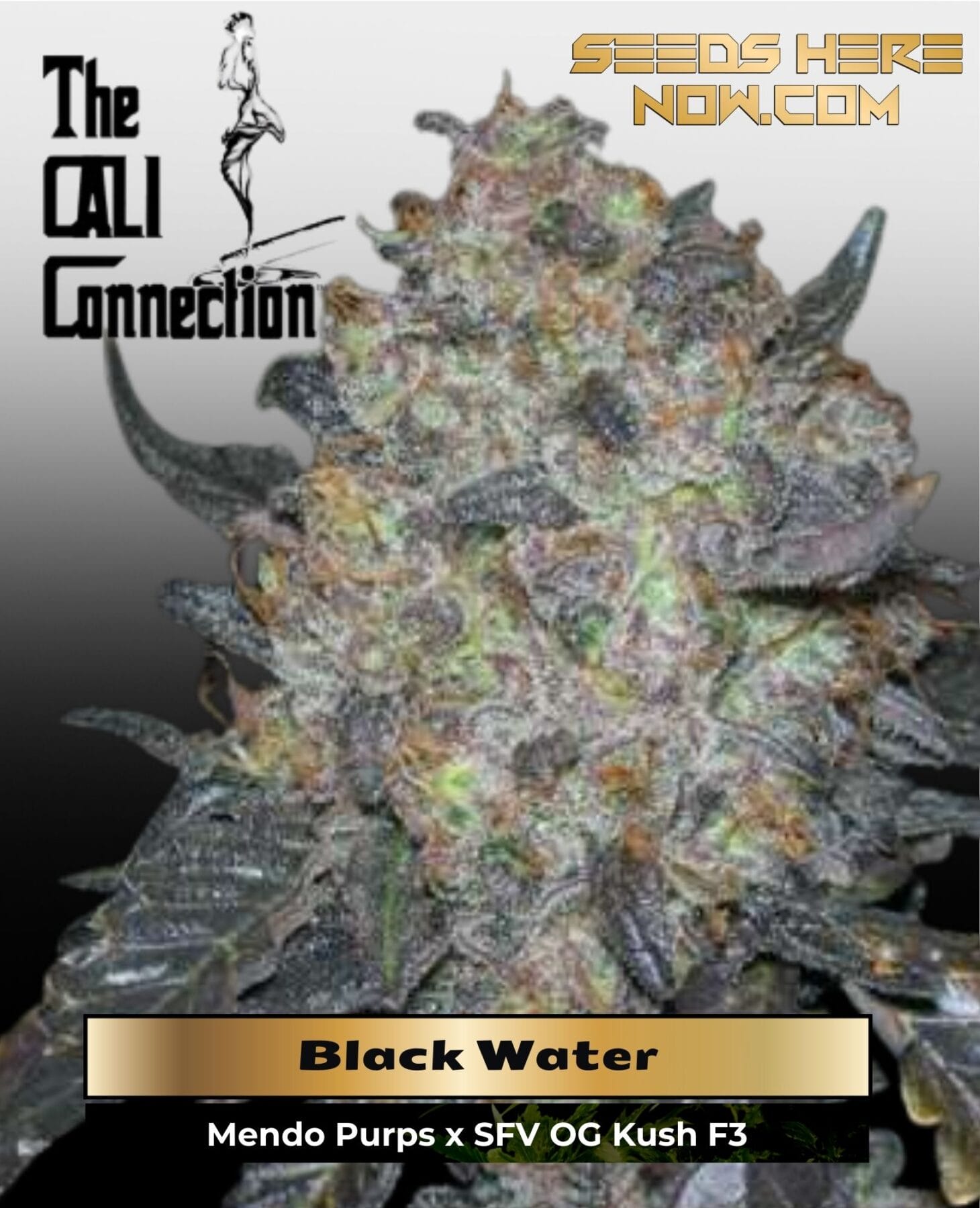
Tissue culture, cloning, grafting — none of it matters if the genetics underneath are junk. Everything downstream is just a copy of what you started with. For 16 years I’ve built Seeds Here Now around verified, elite genetics from breeders I trust. Start clean and start right: browse the feminized seed collection, grab clones of proven cuts, or explore the breeders I stand behind. Your mother plant is only as good as the seed she came from.
Related reading: Grafting Cannabis
Further reading: Plant propagation (Wikipedia).
Suggested Articles

 12 Nov 2026
 12 min read

;)
;)
;)
 September 20, 2024


RESPONSES (0)
No responses yet. Be the first to respond!