


Optimizing Temperature Control During Germination

Quick answer: Good temperature control during germination means holding the medium, not just the air, at about 70 to 80°F (21 to 27°C); cannabis seeds usually sprout fastest around 75 to 78°F. Below about 65°F germination slows sharply, and above about 85 to 90°F seeds can rot or fail, so use a heat mat with a thermostat probe placed in the medium. For adult growers 21+.
Have you ever wondered why some seeds germinate flawlessly while others never sprout? One of the most critical yet overlooked factors is temperature control during germination. For adult growers 21+.
In this post, we’ll explore how temperature affects germination, the optimal ranges for various seeds, and expert techniques to maintain perfect conditions. Whether you’re starting vegetables, flowers, or cannabis seeds, this guide will help you grow with confidence.
🔑 Key Takeaways
-
Temperature control is essential for successful seed germination.
-
Each seed type has a specific temperature range for sprouting.
-
Tools like heating mats and thermometers help maintain consistency.
-
Monitoring and adjusting temperature boosts germination success.
🌡️ Why Germination Temperature Matters
Seeds need the right conditions to wake up from dormancy and begin growing. Temperature triggers enzymatic activity, water uptake, and root emergence. Without the right heat level, seeds may delay sprouting—or never germinate at all.
What Is the Best Germination Temperature?
Here are the optimal germination temperature ranges for common seeds:
| Seed Type | Ideal Temperature (°F / °C) |
|---|---|
| Lettuce | 55°F to 75°F (13°C to 24°C) |
| Tomato | 70°F to 85°F (21°C to 29°C) |
| Carrot | 50°F to 85°F (10°C to 29°C) |
| Pepper | 70°F to 90°F (21°C to 32°C) |
Matching your seed’s natural preferences gives you faster, healthier seedlings.

🧰 How To Control Temperature During Germination
Maintaining consistent heat is key to avoiding uneven or failed germination. Here’s how you can achieve that:
Recommended Tools and Techniques
-
Heating Mats – Provide steady bottom warmth
-
Soil Thermometers – Help track actual soil temperature near seeds
-
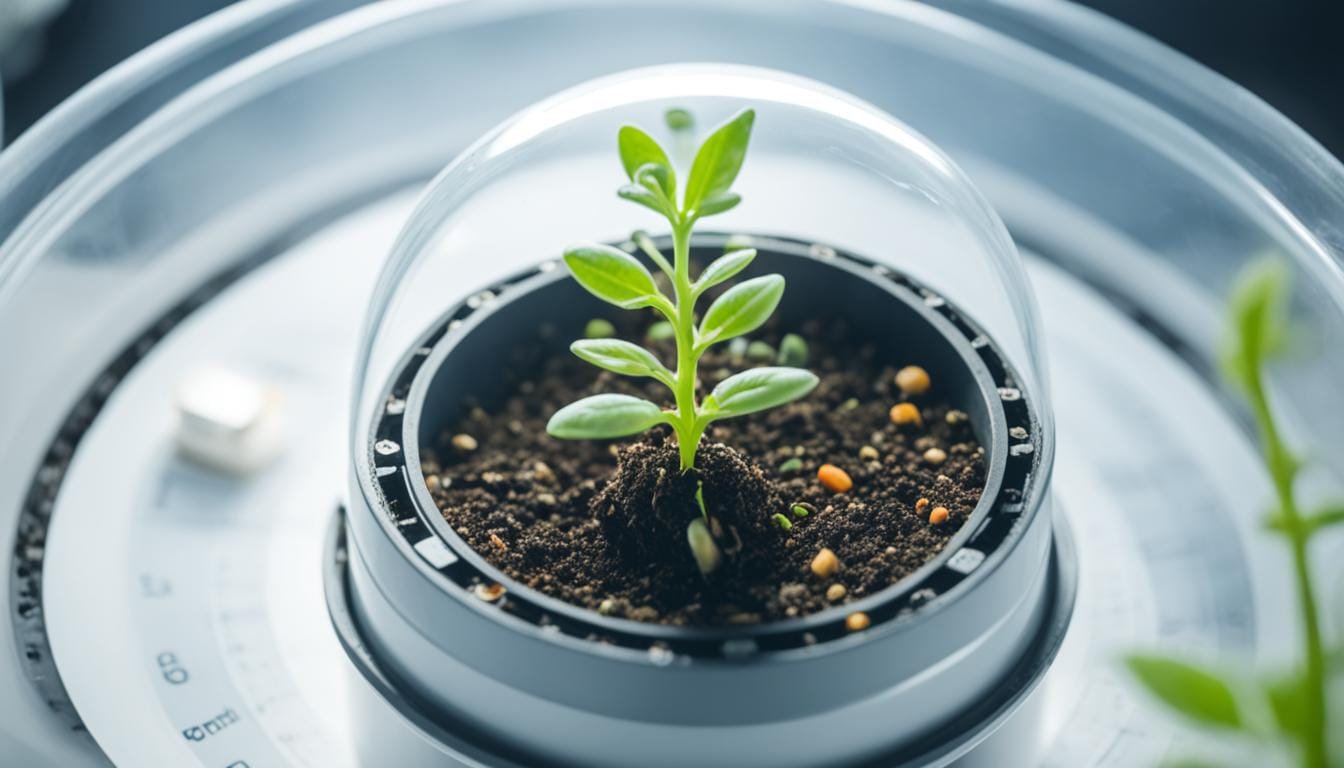
Germination Domes – Trap heat and humidity for a mini greenhouse effect
-
Temperature Controllers – Automatically turn mats on/off to prevent overheating
💡 Pro Tip: Combine tools for greater precision, especially for heat-sensitive seeds.
🌍 Environmental Factors That Affect Germination: Heat
Several conditions can impact how well your seeds respond to heat:
Seed Variety Heat Tolerance
-
Heat-Loving Seeds: Tomatoes, peppers, melons
-
Cool-Loving Seeds: Lettuce, spinach, brassicas
External Conditions
-
Drafty rooms can lower temperatures
-
Humidity levels affect temperature stability
-
Direct sunlight may overheat closed trays
🛠️ Adjust your grow setup accordingly based on season and location.
✔️ Tips for Maintaining the Ideal Germination Temperature
Follow these actionable tips to keep your seeds warm, but not too warm:
1. Use Heating Mats
Place trays on top of seedling heat mats, especially in cool indoor conditions.
2. Monitor Soil Temperature
Use a soil probe thermometer to measure temperature 1 to 2 inches deep.
3. Adjust Room Temperature
Use a space heater or AC unit to regulate ambient air in your germination area.
4. Provide Proper Ventilation
Good airflow prevents excessive heat and mold. Oscillating fans work well.
5. Follow Seed-Specific Guidelines
Always check seed packets or supplier instructions for precise ranges.
| Control Tip | Benefit |
|---|---|
| Heating mats | Boost sprouting speed |
| Room adjustments | Create ideal growing conditions |
| Thermometers | Keep soil within safe limits |
| Ventilation | Reduce mold and overheating |
| Seed-specific range | Maximizes success rate |
⚠️ How To Overcome Temperature Challenges
Even with the right tools, unexpected issues can arise. Here’s how to handle them:
Fluctuating Temperatures
-
Use thermostat-controlled heat mats
-
Avoid placing trays near cold drafts or heaters
Extreme Outdoor Weather
-
During hot spells, shade trays or bring them inside
-
In winter, insulate trays or use grow tents
Poor Ventilation
-
Use fans or crack windows to improve air exchange
-
Space trays to allow for airflow between them

🌱 Germination Temperature and Seed Viability
Viability refers to a seed’s ability to sprout under the right conditions. Heat plays a big part.
-
Too Cold = Slow or no germination
-
Too Hot = Can kill the embryo inside
Stay within these general ranges to support strong starts:
| Seed Type | Ideal Germination Temp (°F) |
|---|---|
| Tomato | 70–85 |
| Lettuce | 60–70 |
| Carrot | 55–75 |
| Beans | 65–85 |
Check your thermometer daily and make small adjustments as needed.

📊 Monitoring and Adjusting Temperature in Real Time
Use These Monitoring Tools:
-
Digital Soil Thermometers
-
Wi-Fi Temperature Sensors
-
Automatic Controllers with Timers
Make Quick Adjustments:
-
Add a heat mat or remove it if it’s too hot
-
Change tray location based on indoor temps
-
Use reflective insulation to retain warmth
📍 Create a germination log to track temperature readings and sprouting progress.
Cannabis Germination Temperature: The Numbers That Matter
| Medium temperature | What usually happens |
|---|---|
| Below 60°F (16°C) | Very slow or no germination; higher risk of rot |
| 60 to 68°F (16 to 20°C) | Germination possible but slow and uneven |
| 70 to 80°F (21 to 27°C) | Ideal range; most viable seeds crack in 24 to 72 hours |
| 80 to 85°F (27 to 29°C) | Still works, but the medium dries faster and mold risk rises |
| Above 85 to 90°F (29 to 32°C) | Increasing risk of failed or damaged seeds |
Air temperature and medium temperature are often different. A seedling heat mat can warm a tray several degrees above room temperature, and a cold windowsill can keep a tray well below it. Always measure where the seed actually is: good temperature control during germination starts with an accurate reading at seed depth.
Temperature Control During Germination: Heat Mat and Thermostat Setup in 7 Steps
- Place the heat mat on a flat, dry, heat-safe surface, away from curtains or paper.
- Set the seed tray or plugs directly on the mat.
- Push the thermostat probe into the medium of one cell, at seed depth, near the middle of the tray.
- Set the thermostat to about 76 to 78°F (24 to 26°C) for cannabis.
- Cover with a humidity dome, leaving the vents slightly open to prevent dripping condensation.
- Check the temperature and moisture morning and evening. A cheap probe thermometer in a second cell confirms the controller is reading correctly.
- Once most seeds have broken the surface, lower the setting a few degrees or remove the mat so seedlings do not dry out or stretch.
Never run a heat mat without a thermostat for long periods. Mats can push the medium well above the ideal range, especially under a closed dome.
Germination Temperature for Each Method
- Paper towel method: place the plate or sealed container in a warm, dark spot at 72 to 80°F, such as on top of a heat mat with a towel between, or on a shelf near (not on) a warm appliance. Check moisture twice a day.
- Soaking in water: use room-temperature water at about 70 to 75°F and soak for 12 to 24 hours at most. Move seeds to a moist medium once they sink or crack.
- Direct to plugs or soil: warm the medium before planting so seeds are not placed into cold, wet mix. Keep plugs moist, not soaked, and hold them in the ideal range on a heat mat.
- Outdoors: wait until the soil at seed depth is at least 60 to 65°F and nights are frost-free, or start indoors and transplant later.
After Sprouting: Moving Beyond Germination Temperature
Once the seedling is up, it needs slightly different conditions. Keep air temperature at about 72 to 80°F during the light period and a few degrees cooler at night, with humidity around 65 to 70%. Continued high bottom heat after sprouting tends to dry the root zone quickly and can encourage stretching, so most growers reduce or remove the heat mat once seedlings are established, unless the room itself is cold.
Troubleshooting Germination Temperature Problems
- No cracks after 5 days: check that the medium is truly 70 to 80°F and not just the room. Cold, damp seeds can stall. Older seeds can take up to 7 to 10 days.
- Mold or a sour smell in the paper towel: too warm and too wet with no air exchange. Use fresh towels, keep them damp not dripping, and open the container briefly each day.
- Seedlings collapse at the soil line (damping off): often cool, wet medium with poor airflow. Water less, increase air movement and keep temperatures in the ideal range.
- Medium dries out within a day: the heat mat is set too high or the dome is fully open. Lower the setting and close vents part way.
- Heavy dripping condensation inside the dome: the tray is much warmer than the room. Open the vents a little and keep the room warmer.
- Temperature swings between day and night: a thermostat-controlled mat and moving the tray away from windows and doors will steady it.
Keeping a Germination Log
A simple log is the easiest way to improve temperature control during germination over time. Write down the date, method, medium temperature morning and evening, and when each seed cracks and breaks the surface. After a few rounds, you will know exactly which settings work in your space and season, and problems become much easier to diagnose.
🧾 Conclusion: Master Germination by Mastering Temperature
Temperature is one of the most important elements in seed germination. Whether you’re growing vegetables, herbs, or cannabis, maintaining the right germination temperature ensures fast, strong, and uniform seedling growth.
Combine heat control with good moisture, proper lighting, and ventilation, and you’ll set your garden or grow operation up for success.
❓Frequently Asked Questions (FAQs)
What is the best temperature to germinate cannabis seeds?
About 75 to 78°F (24 to 26°C) in the medium works best for most cannabis seeds, within a wider workable range of about 70 to 80°F.
Should I use a heat mat under a humidity dome?
Yes, if the room is cool, but always with a thermostat probe in the medium and the dome vents slightly open. Without a thermostat, the medium under a closed dome can overheat.
What temperature do most seeds need to germinate?
Most seeds germinate well between 65°F and 85°F (18°C to 29°C), though it depends on the variety.
Can seeds germinate if it’s too cold?
Cold temperatures slow down or prevent germination. Use heating mats to help maintain ideal warmth.
What happens if it’s too hot?
Excess heat can kill the seed embryo or cause poor sprouting. Use thermometers and controllers to avoid this.
Do different seeds need different temperatures?
Yes. Always check the ideal range for your specific seed type.
Should I monitor soil or air temperature?
Soil temperature is more important for germination—use a soil thermometer for accurate readings.
Want more seed-starting tips?
Check out our guide on how to germinate seeds successfully indoors. While you’re here, don’t forget to shop our collection of cannabis seeds and clones.
Seeds Here Now—Est. 2009
4,500+ Strains. 110 Breeders.
We grow them, test them, and stand behind every pack we sell. Shop the full collection at Seeds Here Now:
Temperature control during germination: Further Reading
New to temperature control during germination? The sections above work from start to finish, and experienced growers can jump to the parts they need. For more on temperature control during germination, these related Seeds Here Now guides go deeper: optimal temperature and humidity for germination, moisture's role in seed germination, pest control for marijuana plants. For background reading, see Germination (Wikipedia).
Ready to put temperature control during germination into practice? Browse our feminized cannabis seeds, autoflower seeds, cannabis clones. Every listing names the breeder and lineage so you can match the genetics to your space and your goals.
Germination Temperature Quick Facts
| Ideal medium temperature | About 70 to 80°F (21 to 27°C) |
|---|---|
| Cannabis sweet spot | About 75 to 78°F (24 to 26°C) |
| Slow germination | Below about 65 to 68°F (18 to 20°C) |
| Risk zone | Above about 85 to 90°F (29 to 32°C) |
| Typical time to crack | 24 to 72 hours for fresh, viable seeds |
| Where to measure | In the medium at seed depth |
| After sprouting | 72 to 80°F air, 65 to 70% humidity |
Suggested Articles

 09 Nov 2026
 7 min read
;)
;)
;)
 July 14, 2025


RESPONSES (0)
No responses yet. Be the first to respond!