


Explore Heritage/Landrace Strains: Heritage Cannabis Strains


Heritage strains are the old-school foundations of cannabis: traditional lines kept by farmers in one region for generations. Many modern hybrids trace back to a handful of them.
I’m James Bean, founder of Seeds Here Now since 2010.
Seeds Here Now sells authentic breeder packs to adults 21+. We do not provide growing instructions, and nothing here is a medical claim.
What Are Heritage Strains?
A landrace is a traditional variety that adapted to one region over many generations, shaped by local climate and by the farmers who kept it.
Because they were not crossed with outside genetics for generations, heritage strains tend to be distinctive and true to their region. Read our history of cannabis for the bigger picture.
Landrace, Heirloom, Heritage: A Quick Glossary
Buyers use several overlapping words for old cannabis lines. They are worth keeping straight:
- Landrace: a traditional variety still adapted to its home region, shaped by local climate and by the farmers who saved its seed.
- Heirloom: a landrace carried out of its homeland and preserved elsewhere, often for decades.
- Hybrid: a cross of two or more distinct lines. Most modern named strains are hybrids built on heritage stock.
When you see these words on a pack, they tell you how close the seeds are to a traditional line and where that line has been kept.
Where Cannabis Began
Scientists generally place the early domestication of cannabis in Asia. A widely reported 2021 genetic study pointed to East Asia as the likely starting point, with the plant spreading outward over thousands of years along with the people who used it for fiber, seed and resin.
As cannabis traveled, local populations adapted to very different places: cold mountain valleys, dry plateaus, humid lowlands and tropical coasts. Those regional populations are the ancestors of today’s landrace strains. Our history of cannabis covers the bigger picture.
How Landraces Spread Along Trade Routes
Many heritage strains owe their homes to trade. Seed moved along caravan routes through Central and South Asia, across the Indian Ocean to East Africa, and later across the Atlantic to the Caribbean and the Americas.
Each time seed settled in a new region and was kept there for generations, it adapted and became a local line of its own. That is why some of the best-known landrace strains come from places far from where cannabis first grew, such as South Africa, Jamaica, Mexico and Colombia.
Terroir: How Place Shapes Landrace Strains
Like wine grapes, landrace strains reflect their terroir: altitude, latitude, soil and climate. Mountain lines from the Hindu Kush developed heavy resin, while equatorial lines from Thailand and Africa developed a tall, airy structure.
That diversity is why preservation matters. Our article on maintaining genetic diversity explains why breeders keep these lines alive.
Mountain Lines and the Hash Tradition
The high valleys of the Hindu Kush, which stretch across Afghanistan and Pakistan, produced some of the most influential heritage strains of all. Farmers there grew cannabis for hashish for generations, and they kept plants with heavy resin, compact structure and earthy, spicy aromas.
Those traits made mountain lines the backbone of modern indica-leaning breeding. Lines such as Hindu Kush, Afghan Kush and Afghan Hash Plant carry that tradition forward.
The Hindu Kush Range
The Hindu Kush is a long mountain range running from central Afghanistan into northern Pakistan, with high passes and isolated valleys. That isolation is a big reason the region produced such distinctive landrace strains: lines in one valley could be kept apart from lines in the next for generations.
Cold nights, strong sun at altitude and a short season favored compact, resin-heavy plants. Over centuries, farmers selected the plants that suited both the climate and the local hash tradition, which is how the region’s heritage strains came to be defined by resin.
Two Old Resin Traditions
Historically, two broad resin traditions grew up in South and Central Asia. In parts of Afghanistan and Pakistan, dried plants were sifted to collect resin, which was pressed into hashish. In the Himalayan foothills of India and Nepal, resin was traditionally gathered by hand from living plants, a product known as charas.
We mention these traditions for their history only. They explain why mountain heritage strains were selected for resin above all, and why so many modern hybrids built on that stock are famous for their frost.
Equatorial Lines: Tall, Airy and Spicy
Closer to the equator, landrace strains took a different shape. Lines from Thailand, India’s southern coast, Central Africa and parts of Latin America are usually described as tall and airy, with bright, spicy, citrus or incense-like aromas.
These equatorial lines are the ancestors of the classic Haze family and many other sativa-leaning hybrids. Their aromas are often more complex and less sweet than modern dessert strains, which is a big part of their appeal to buyers.
India’s Landrace Regions
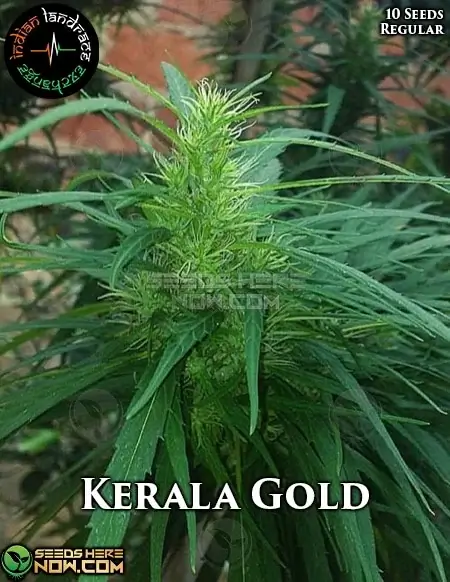
India holds an unusual range of landrace strains, from the Himalayan foothills in the north to the tropical coast in the south. Northern lines are tied to the charas tradition, while southern lines such as those from Kerala are usually described as tall, spicy and aromatic.
Preservation breeders have documented lines from specific valleys and districts, such as Urgam Valley in the Himalayan state of Uttarakhand and Kerala Gold in the south. That level of detail, valley by valley, is what makes Indian heritage strains such rewarding packs to collect.
Africa’s Heritage Strains
Cannabis is thought to have reached Africa through Indian Ocean trade, and over time it settled into many local lines. In South Africa, cannabis is traditionally known as dagga, and lines such as Durban Poison became famous far beyond the country.
Further north and east, lines from Eswatini, Malawi, the Congo and Angola each developed their own character. African landrace strains are often described with bright, sweet, spicy or tropical aromas, and several have been used in classic hybrids. Read our Durban Poison strain review.

Latin America and the Caribbean
Cannabis arrived in the Americas through Atlantic trade and settled into local lines in Mexico, Central America, Colombia and the Caribbean. By the mid-twentieth century, names like Acapulco Gold, Panama Red, Colombian Gold and Lamb’s Bread were famous in the United States.
These heritage strains shaped the American market of the 1960s and 1970s and, later, the first wave of American breeding, when growers began crossing them with Afghan stock.
Southeast Asia: Thailand and Beyond
Thailand’s landrace strains are among the most influential equatorial lines. They are usually described as tall, airy sativas with citrus, spice and incense aromas, and they became famous in the United States as Thai Stick.
Neighboring regions in Southeast Asia have their own traditional lines as well, though fewer are preserved and documented. Thai stock remains the best known, largely because of its role in the Haze family.
Why Terroir Matters
For buyers, terroir is what makes heritage strains feel like places rather than products. A line from the Hindu Kush and a line from Kerala are not just different flavors; they are records of very different climates, farming traditions and histories.
Holding a few authentic landrace strains from different regions is one of the most direct ways to see how much the plant has adapted as it traveled.
6 Famous Heritage Strains
| Landrace | Region | Known for |
|---|---|---|
| Hindu Kush | Hindu Kush mountains (Afghanistan, Pakistan) | Resin, hash heritage |
| Afghani | Afghanistan | Broad leaves, dense resin |
| Thai | Thailand | Tall sativa structure, citrus |
| Durban Poison | South Africa | Sweet anise and pine |
| Swazi Gold | Eswatini | Citrus, gold hues |
| Red Congolese | Congo | Spicy, earthy |
1. Hindu Kush
Named for the mountain range on the Afghanistan-Pakistan border, Hindu Kush is famous for resin and a long hash-making tradition. Read our Hindu Kush review.
2. Afghani
Afghani lines are the backbone of many indica hybrids, including Northern Lights, known for broad leaves and dense resin.
3. Thai
Thai landraces are classic equatorial sativas with citrus and spice aromas, and a parent of many famous haze lines.
4. Durban Poison
A South African landrace from the port city of Durban, known for sweet anise and pine. Read our Durban Poison review.
5. Swazi Gold
From Eswatini (formerly Swaziland), named for its golden hues and citrus aroma.
6. Red Congolese
A Central African line with a spicy, earthy profile, used in several classic hybrids.
More Heritage Strains Worth Knowing
Beyond the six above, buyers often mention a second group of famous heritage strains, many of them tied to the culture of the 1960s and 1970s:
| Line | Region | Known for |
|---|---|---|
| Acapulco Gold | Mexico | Golden hues, sweet and earthy aroma |
| Colombian Gold | Colombia | Sweet, citrusy aroma; 1960s and 1970s fame |
| Panama Red | Panama | Red hairs, earthy and woody aroma |
| Lamb’s Bread | Jamaica | Spicy, tropical aroma |
| Malawi Gold | Malawi | Sweet, tropical aroma |
| Angola Red | Angola | Spicy and sweet aroma |
| Thai Stick | Thailand | Named for its traditional presentation |
We describe these lines by region and aroma only. Many names from this era were used loosely, so the same name can describe quite different plants today.
Acapulco Gold
Acapulco Gold is one of the most famous names in cannabis history. It is tied to Mexico’s Pacific coast and to the golden color of its flowers, and it became a legend in the United States in the 1960s and 1970s.
Today the name is applied to a range of preserved and reworked lines, so buyers should look closely at who kept the line and where it came from. Read our Acapulco Gold strain review.
Colombian Gold and Panama Red
Colombian Gold and Panama Red were among the best-known imports to the United States in the 1960s and 1970s. Colombian Gold is usually described with a sweet, citrusy aroma, and Panama Red with vivid red hairs and an earthy, woody character.
Both names became part of the culture of that era, and Colombian Gold in particular is often listed in the background of early American breeding work, including the Skunk family. Like other famous names of the time, they were used loosely, and true preserved examples are uncommon.
Lamb’s Bread
Lamb’s Bread, also called Lamb’s Breath, comes from Jamaica and is usually described as a sativa-leaning line with a spicy, tropical aroma and dense, frosty buds.
It is closely tied to Jamaican culture and is often mentioned in connection with reggae history. As with other island lines, it reflects a long period of local keeping after seed arrived through trade.
Malawi Gold and Angola Red
Malawi Gold comes from the southeast African country of Malawi and is usually described with a sweet, tropical aroma. Angola Red comes from Angola in southwest Africa and is usually described with a blend of spicy and sweet notes.
Together with Durban Poison, Swazi Gold and Red Congolese, they show how many distinct heritage strains Africa has produced, each shaped by its own climate and farming tradition.
Thai Stick
Thai Stick is less a single strain than a name from history. It refers to Thai flower that was traditionally tied onto thin sticks for transport and sale, a presentation that became famous in the United States in the 1970s.
The Thai landrace strains behind that name are the ancestors of much of the Haze family, which makes Thai Stick an important chapter in the story of modern sativa breeding.
Afghani: The Indica Backbone
Afghani lines are usually described with broad leaves, compact structure, dense resin and an earthy, hashy aroma. When Afghan seed reached Western breeders in the 1970s and 1980s, it quickly became the foundation of indica-leaning breeding.
Northern Lights, Skunk #1 and many later hybrids rest partly on Afghan stock, which makes Afghani one of the most important heritage strains in the story of modern cannabis.
Swazi Gold and Red Congolese
Swazi Gold, from Eswatini, is usually described with golden hues and a bright citrus aroma. Red Congolese, from Central Africa, is usually described with a spicy, earthy character and is listed in the background of several classic hybrids.
Both show how African heritage strains differ from mountain lines: brighter, spicier and more sativa-leaning, shaped by warm climates and long growing seasons.
Durban Poison’s Wide Influence
Durban Poison takes its name from the South African port city of Durban and is usually described with a sweet anise and pine aroma. It became one of the best-known African landrace strains outside Africa.
Its influence runs further than many buyers realize. Durban Poison is usually listed as one of the parents of Girl Scout Cookies, which means a South African heritage line sits in the background of hundreds of modern Cookies crosses.
Heritage Strains vs. Heirloom Strains
An heirloom strain is a landrace that has been taken out of its homeland and preserved elsewhere, sometimes for decades. It keeps much of its original character but can shift slowly in a new place. Our companion guide to heirloom and landrace strains covers the difference in depth.
Northern Lights: Heirloom or Hybrid?
Northern Lights is sometimes listed among heirloom strains. It is better described as an early hybrid built mainly on Afghan stock, usually traced to the Pacific Northwest and later stabilized as a seed line in the Netherlands.
It is a good example of how heritage strains feed into modern lines. Northern Lights is not a landrace, but it is one of the clearest bridges between Afghan landrace strains and the hybrids that followed. Read our Northern Lights strain review.
How Heritage Strains Shaped Modern Hybrids
A surprising number of famous modern strains rest on just a handful of heritage strains:
| Modern line | Heritage roots usually listed | What the roots added |
|---|---|---|
| Skunk #1 | Afghani, Colombian Gold, Acapulco Gold | Afghan structure with Latin American aroma |
| Haze | Thai, Colombian, Mexican and South Indian lines | Spicy, incense-like sativa character |
| Northern Lights | Mainly Afghan stock | Resin and compact structure |
| Girl Scout Cookies | Through Durban Poison | Sweet anise and pine |
Seen this way, heritage strains are not museum pieces. They are the raw material behind most of what buyers buy today.
Heritage Strains in the Dutch Seed Era
In the late 1970s and 1980s, American growers and Dutch seed companies began stabilizing landrace strains and early hybrids into seed lines that anyone could buy. Afghan, Thai, Mexican and Colombian stock all fed into that work.
Lines such as Skunk #1, Haze and Northern Lights came out of this period and went on to shape decades of breeding. Many heritage strains survive in collections today because of seed preserved during those years.
Aroma Families of Heritage Strains
| Region | Typical aroma family | Example lines |
|---|---|---|
| Hindu Kush and Afghanistan | Earthy, hashy, spicy | Hindu Kush, Afghani |
| India | Spicy, herbal, incense | Kerala Gold, Urgam Valley |
| Southeast Asia | Citrus, spice, incense | Thai |
| Africa | Sweet, citrus, anise, spice | Durban Poison, Swazi Gold, Malawi Gold |
| Latin America and the Caribbean | Sweet, earthy, woody, tropical | Acapulco Gold, Colombian Gold, Lamb’s Bread |
These are broad patterns, not rules, and individual lines vary. They are a useful starting point for building a heritage collection around aroma as well as geography.
The Role of Heritage Strains in Breeding
Breeders value landrace strains because they are distinctive and relatively uniform within their region. A line that has been kept in one place for generations tends to pass its character on clearly, which makes it a useful building block.
Breeders also return to heritage stock to restore traits that heavily crossed hybrids have lost, such as unusual aromas or a different structure. Our guides to maintaining genetic diversity and cannabis breeding explain why that diversity matters.
Farming and Indigenous Communities as Keepers
The people who kept landrace strains alive for generations were farmers and, in many regions, indigenous communities with deep knowledge of the plant and its environment. They decided which plants to save, which traits to value and how the line fit into local life.
Preservation breeders who document where seed came from, and who credit the regions and communities behind it, help make sure that knowledge is not lost.
Heritage Strains and Cannabis Culture
Many heritage strains are woven into music, language and social history. Lamb’s Bread is linked with Jamaican culture, Acapulco Gold and Panama Red with the American counterculture of the 1960s, and Thai Stick with the 1970s.
For buyers, that cultural side is part of the appeal. A heritage pack connects a collection not only to a place but to the people and moments that made the name famous. Our piece on the history of 420 covers more of that culture.
Preservation as a Shared Effort
Keeping landrace strains alive depends on many people: the farmers who kept them, the preservation breeders who document and maintain them, and the buyers who value documented packs over vague ones.
Choosing packs with clear regional records and named keepers is a small way to support that work. It rewards the breeders who do the slow, careful job of preservation and helps keep heritage strains available as a record for the future.
Why Pure Lines Are Getting Harder to Find
As modern hybrids have spread around the world, many traditional regions have mixed outside genetics into their local lines. A region known for a particular landrace may now grow mostly imported hybrids.
That makes documented, preserved packs more valuable every year. It also means a famous regional name on a pack is not proof of a pure line; the keeper and the collection record matter more.
What True to Type Means
Buyers often describe a good landrace pack as true to type. That means the plants from it closely resemble the traditional line of its region, rather than showing traits from outside crosses.
A line stays true to type when it is kept apart from other genetics and saved from many plants over generations. That is exactly the work preservation breeders do, and it is why their collection records matter so much.
Why Regular Seeds Preserve Diversity
Regular seeds produce both male and female plants, the way traditional farmers’ seed always did. Keeping a line as regular seed, and saving from many plants, preserves the full range of genetic variety within it.
That variety is part of what makes landrace strains valuable. A line kept from a narrow selection loses diversity quickly, while a line kept from a broad population stays closer to its traditional character.
Heritage Strains Today
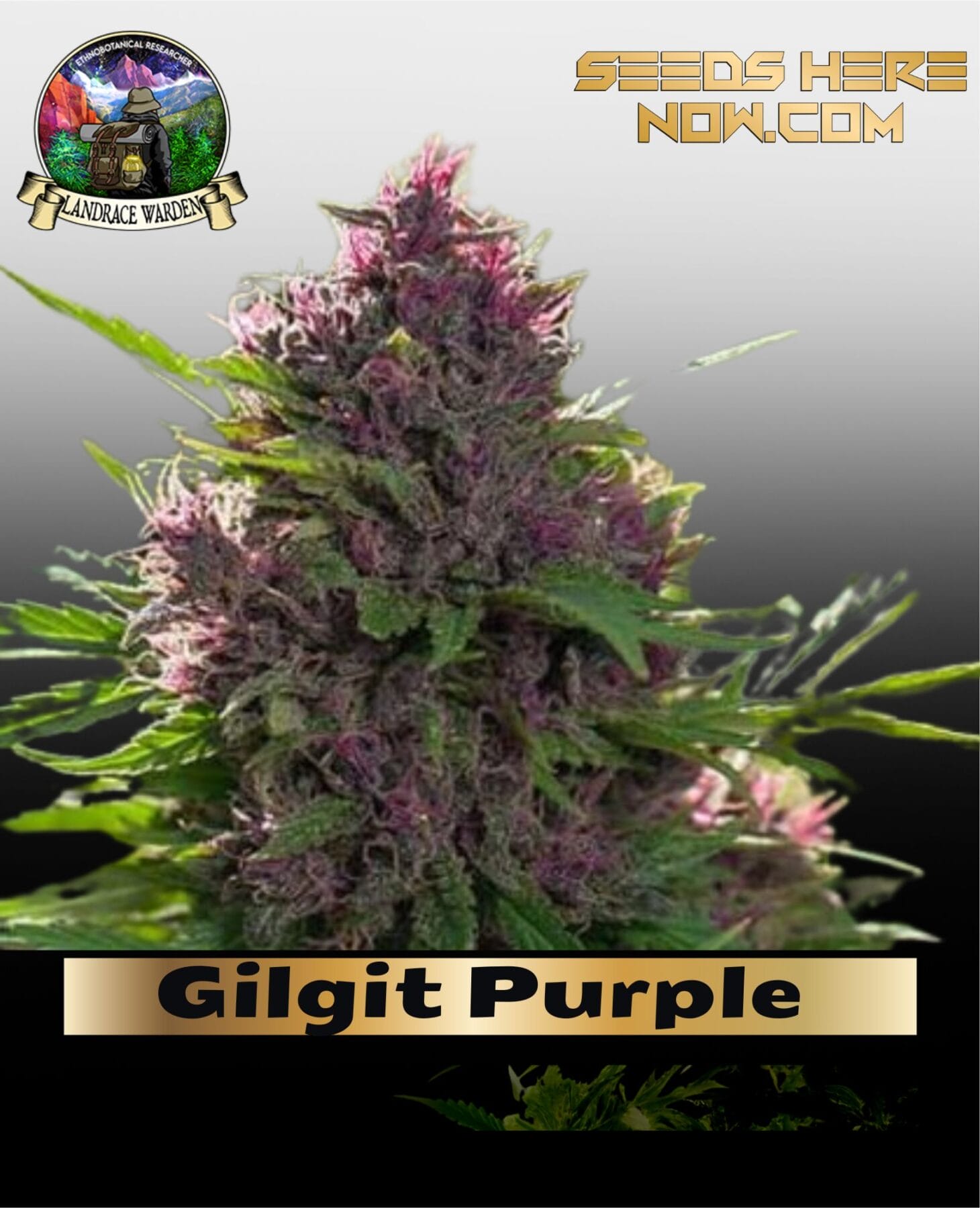
Specialist preservation breeders now collect seed from traditional farming regions. Browse Landrace Warden for Afghan and Pakistani lines such as Quetta City and Gilgit Purple, and Indian Landrace Exchange for Indian lines such as Kerala Gold and Urgam Valley. Read inside the Indian Landrace Exchange.
Most heritage strains are sold as regular seeds, which is how preservationists keep the full genetic range.
Landrace Warden and Indian Landrace Exchange
Two preservation-focused breeders we carry show what careful landrace work looks like. Landrace Warden works with Afghan and Pakistani lines such as Quetta City and Gilgit Purple, named for the places they come from.
Indian Landrace Exchange works with Indian lines such as Kerala Gold and Urgam Valley, along with Nawa selections like Nawa Cotton Candy Foxtail and Nawa Spicey Foxtail. Our piece inside the Indian Landrace Exchange covers its work in depth.
What Preservation Breeders Document
Good preservation breeders record far more than a name. Their notes often include the region or valley, the approximate collection date, how many plants the line was kept from and how it has been maintained since.
That documentation turns a pack of landrace strains into a verifiable piece of heritage. When you compare packs, the one with the fuller record is usually the better buyer’s choice.
How to Spot Authentic Landrace Seeds
- Look for a named preservation breeder, not just a famous regional name.
- Check that the pack names a specific region or valley, not just a country.
- Expect regular seeds; most preserved landrace strains are sold that way.
- Buy sealed, original breeder packaging with no signs of repacking.
- Be cautious with feminized or autoflower packs sold as pure landraces, and ask how they were made.
Keep each pack together with its receipt and any collection notes. For heritage strains, provenance is most of the value.
Reading a Landrace Listing
A good listing for landrace strains should tell you the region of origin, the breeder or keeper, the seed type and, ideally, when and where the seed was collected or how long the line has been kept. If a listing gives only a famous name, ask before you buy.
Questions to Ask Before Adding a Landrace Pack
- Which region or valley does the line come from?
- Who kept or collected it, and when?
- Is it regular seed, as most preserved landraces are?
- Is it sealed, original breeder packaging from a seller who can explain its source?
- Do you have somewhere cool, dark and dry to store it, away from children and pets?
Clear answers to each question are a good sign that the pack is a real piece of heritage.
Building a Heritage Collection by Region
A simple way to collect heritage strains is by region: one mountain line from the Hindu Kush, one Indian line such as Kerala Gold, one African line such as Durban Poison, and one Latin American line such as Acapulco Gold.
Add a bridge line like Northern Lights or Afghan Hash Plant, and the collection shows both the roots and the first steps toward modern hybrids. Our companion guide to heirloom and landrace strains has more ideas.
Heritage Strains in a Modern Collection
Next to modern dessert and candy strains, heritage strains can seem plain at first. Their aromas tend to be earthier, spicier and less sweet, and their names point to places rather than flavors.
That contrast is exactly why they belong in a modern collection. Placing a Hindu Kush or Durban Poison pack beside the Cookies and Gelato lines descended from them shows, at a glance, how far breeding has moved and where it started.
Common Myths About Heritage Strains
- Every old strain name is a landrace. Many classic names, like Northern Lights, are early hybrids.
- A regional name proves a pure line. Many regions now grow imported hybrids; the keeper and record matter more.
- Landrace strains are all sativas. Mountain lines like Hindu Kush and Afghani are classic indica-leaning heritage strains.
- Heritage strains are only of historical interest. Breeders still use them as building blocks for new lines.
Seeds, the Law and Our Rules
Cannabis laws differ by state, and federal hemp and seed rules are changing under Section 781. Check the law where you live before you buy anything. Our cannabis seeds by state guide links every state and its official sources, and our explainer on what Section 781 is covers the federal side.
Every buyer must be 21 or older. We sell seeds only to adults 21+.
Frequently Asked Questions
What are heritage strains?
Traditional cannabis lines kept in one region for generations, plus preserved selections of them.
Is a heritage strain the same as a landrace?
What are the most famous landrace strains?
Hindu Kush, Afghani, Thai, Durban Poison, Swazi Gold and Red Congolese.
Do you give growing advice for heritage strains?
No.
Where did cannabis first come from?
Scientists generally place early domestication in Asia, and a widely reported 2021 genetic study pointed to East Asia.
Is Northern Lights a landrace?
No. It is an early hybrid built mainly on Afghan stock, though it is closely tied to heritage strains.
What is Thai Stick?
A historical name for Thai flower traditionally tied onto thin sticks. The Thai landrace strains behind it are ancestors of the Haze family.
What is Acapulco Gold?
A famous Mexican heritage line named for its golden color, legendary in the 1960s and 1970s.
Why are most landrace seeds regular?
Preservationists usually keep landrace strains as regular seeds to hold on to the full genetic range of the line.
Which heritage strains are behind Skunk #1?
Skunk #1 is usually listed with Afghani, Colombian Gold and Acapulco Gold in its background.
Who keeps landrace strains today?
Farmers and communities in traditional regions, plus preservation breeders such as Landrace Warden and Indian Landrace Exchange.
Can I buy heritage strains if I am under 21?
No. We sell seeds only to adults 21 and over.
What is charas?
A traditional hand-gathered cannabis resin from the Himalayan foothills of India and Nepal. We mention it for its history.
What does dagga mean?
Dagga is a traditional South African word for cannabis.
What does true to type mean for a landrace?
That plants from the pack closely resemble the traditional line of their region, without traits from outside crosses.
Why do heritage strains matter to buyers?
They are living records of regions, farming traditions and cultural history, and the roots of most modern hybrids.
What are landrace strains?
Landrace strains are cannabis varieties that have developed naturally in specific geographic regions over centuries. They have maintained a unique genetic makeup and possess genetic purity as they have not been crossbred with other varieties. These strains have also adapted to their local environments, resulting in plants that are well-suited to their specific conditions.
What are some famous landrace strains?
Some famous landrace strains include Acapulco Gold, Afghan Kush, Colombian Gold, Durban Poison, Hindu Kush, Jamaican Lamb’s Bread, Malawi Gold, Panama Red, and Thai Stick. These strains are celebrated for their unique characteristics and historical importance.
Where do landrace strains originate from?
Landrace strains are believed to originate from geographic regions such as Asia, Africa, the Middle East, and Latin America. One primary origin of landrace strains is the Hindu Kush mountain range, which stretches across Pakistan and India.
What are heirloom strains?
Heirloom strains are cannabis seeds that have remained unchanged for at least several decades. They are valued for their pure genetics and have never been crossbred with other strains. These strains typically contain almost entirely sativa or indica genetics.
What is the difference between heirloom strains and landrace strains?
The difference between heirloom strains and landrace strains is primarily one of logistics. Landraces occur naturally in specific regions, while heirloom strains are grown from seeds that have been removed from their native regions and cultivated elsewhere.
What are some well-known landrace strains?
Well-known landrace strains include Hindu Kush, Afghani, Thai, Durban Poison, Swazi Gold, and Red Congolese.
What are some well-known heirloom strains?
Well-known heirloom strains include Lamb’s Bread, Northern Lights, Acapulco Gold, and Angola Red. These strains have been grown in regions outside of their native environment and are valued for their pure genetics and historical significance.
Why are landrace and heirloom strains important?
Landrace and heirloom strains are important in the cannabis world for several reasons. Their stable genetics make them ideal for breeding purposes, as their offspring often share similar traits to their parents. These strains also have a more natural ratio of cannabinoids, making them appealing to those who prefer a more pure and natural cannabis experience.
How do landrace and heirloom strains contribute to cultural heritage?
Exploring landrace and heirloom strains allows us to delve into the rich cultural heritage and genetic diversity of cannabis. These ancient cultivars, shaped by their specific regions and preserved by indigenous communities, provide unique and authentic experiences for cannabis enthusiasts. By appreciating and preserving these strains, we honor the legacy of indigenous communities and ensure the preservation of cannabis history for future generations.
Bottom Line
Heritage strains are living history. For adults 21+, a few authentic landrace packs connect a modern collection to the regions where cannabis began.
Sources
Last updated October 7, 2026 by James Bean, founder of Seeds Here Now. Nothing here is legal advice. See our disclaimer, terms of use and shipping policy.
Suggested Articles

 12 Nov 2026
 11 min read

;)
;)
;)
 December 14, 2023


RESPONSES (0)
No responses yet. Be the first to respond!