


Cannabis Phenotypes: What They Are and How to Hunt the Best Pheno [2026]
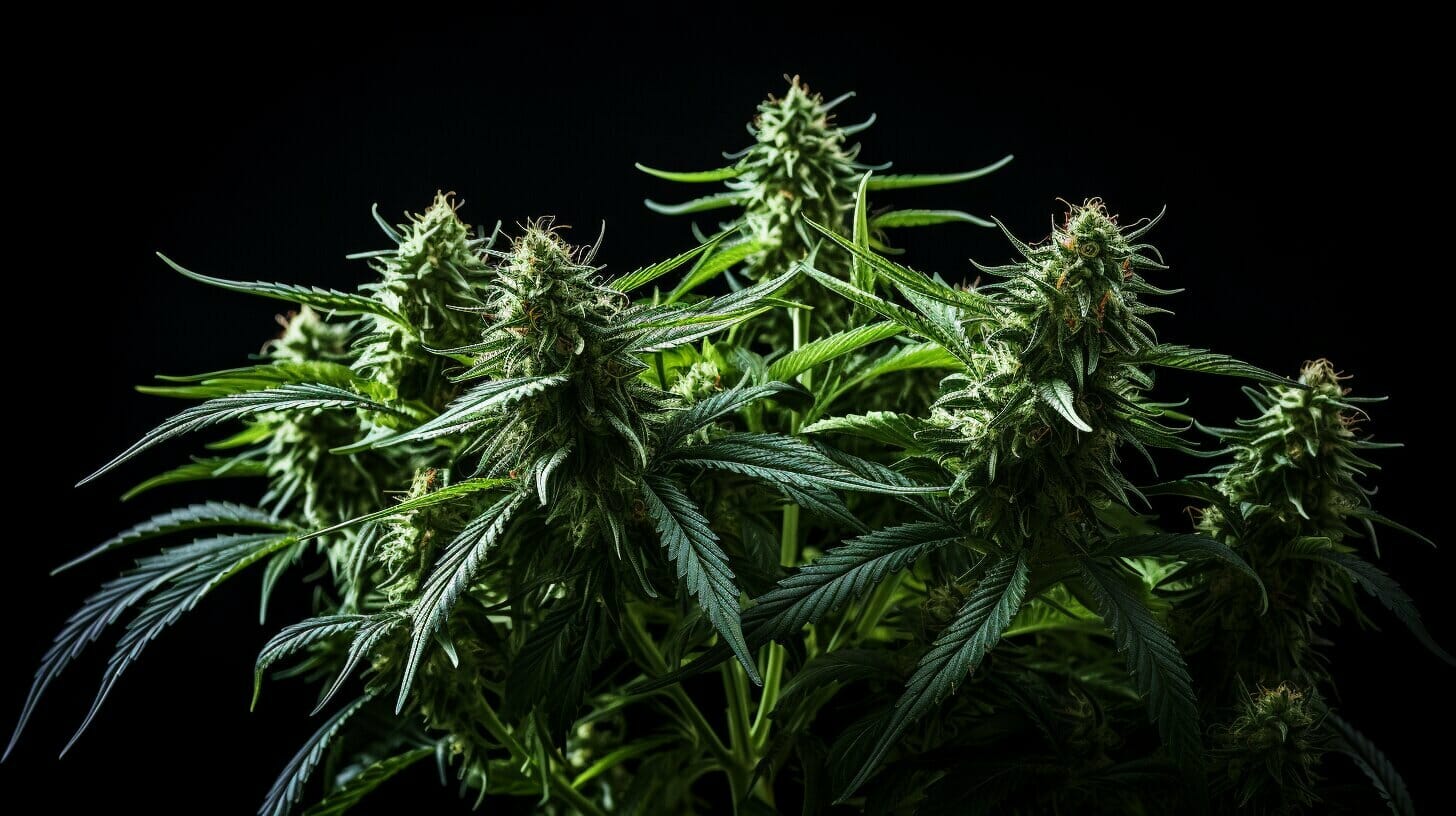
Cannabis phenotypes are the observable traits a plant expresses from its genetics in a given environment, such as height, leaf structure, bud density, trichome coverage, aroma and flowering time. Genotype plus environment equals phenotype, so seeds from the same pack grow into siblings that can look and perform very differently.
This guide covers cannabis phenotypes step by step, with practical tips from James Bean and the Seeds Here Now team for adult growers 21+.
Every pack of cannabis seeds is a lottery ticket. Not in a bad way—in the best possible way. Pop ten seeds of the same strain and you’ll get ten distinct plants: different heights, different bud structures, different terpene profiles, different potency. Some of those plants are good. A couple of them might be exceptional. One of them, occasionally, is a keeper that changes your entire grow program.
That’s phenotype hunting in a nutshell. And understanding what a phenotype actually is—versus a genotype, versus a strain — is what separates growers who get lucky once from growers who consistently find fire.
I’m James Bean. I’ve been sourcing cannabis genetics for over 16 years and watching breeders, growers, and collectors work with phenotypic variation since before most of today’s “premium genetics” were even conceived. Here’s what you need to know.
What Is a Cannabis Phenotype?
A phenotype is the observable expression of a plant’s genetics in a given environment. Height, leaf structure, bud density, trichome coverage, color, aroma, flowering time—all phenotypic traits. Two plants from the same seed pack share a common genetic origin (the same genotype foundation), but express it differently based on how their genes interact with each other and with their environment.
Think of it this way: identical twins have nearly the same DNA. Put one through an elite athletic training program and the other through a sedentary office job, and at age 40 they look and perform very differently. Same genes, different expression. Cannabis works the same way—with the added complexity of intentional genetic diversity built into every seed.
The key equation: Genotype + Environment = Phenotype.
Phenotype vs. Genotype: The Actual Difference
Genotype refers to the genetic code itself—the DNA blueprint. It’s fixed at the moment of conception. A Gorilla Glue #4 plant has Gorilla Glue genetics regardless of how you grow it.
Phenotype is how that genetic potential expresses under real conditions. Temperature, humidity, light spectrum, nutrients, soil composition, training techniques—all of these shape which genes activate and which stay dormant. This is called gene expression, and it’s why two clones of the same mother in different environments can have noticeably different results.
For the home grower running seeds from a sealed breeder pack, this means: every plant you pop is a genetic individual. They’re related—siblings, not clones — and siblings can look and perform very differently.
Why Do Cannabis Phenotypes Vary So Much?
Modern cannabis genetics are intentionally complex. When a breeder crosses Strain A with Strain B, the resulting F1 hybrid seeds carry genetic material from both parents. But which genes dominate in any given seed depends on probability—dominant versus recessive traits, polygenic inheritance, genetic drift.
The result is a range of phenotypic expression across the seed population. Some phenos lean toward the indica parent: shorter, faster, denser, earthier. Others lean sativa: taller, longer flowering, more complex terpene profile, more cerebral effects. Most land somewhere in the middle with their own unique combination.
The more complex the genetic lineage — multi-way crosses, poly hybrids, backcrossed lines—the wider the phenotypic range. That’s not a flaw. It’s the entire point for pheno hunters. Wider variation means higher probability of finding something exceptional.
How to Identify Cannabis Phenotypes While Growing
Phenotype identification starts the day you see sprouts and doesn’t end until the jar is open. Here’s what to observe at each stage:
Seedling Stage
Early vigour, stem thickness, internode spacing, and leaf width are your first data points. Tight internodes often signal indica-leaning expression. Wide internodes with narrow leaflets lean sativa. Note them down.
Vegetative Stage
Growth rate, branching pattern, and leaf morphology become clearer. Some phenos want to stretch aggressively. Others bush out naturally. Plants that build vigorous lateral branching early often become heavy producers.
Transition to Flower
Pre-flower stretch is the most revealing moment. Some phenos double in height. Others barely move. Tight pistil clusters forming quickly often signal a shorter flowering time. Loose pre-flowers that stretch aggressively may go long but can surprise you with exceptional quality.
Flowering Stage
Bud density, trichome development rate, color expression, and aroma become dominant indicators. Start smelling your plants by week 3. A pheno that reeks of fuel and citrus at week 4 is a very different smoke from a floral, hash-forward pheno from the same pack.
You can’t judge a phenotype until it’s been given time and process to fully express.

Harvest and Cure
Trichome progression, final bud density, and post-cure aroma are the final report card. Only after a proper cure do you know the true expression of what you grew. You can’t judge a phenotype until it’s been given time and process to fully express.
Indica vs. Sativa Phenotypic Traits
Sativa-dominant phenotypes typically show: tall open structure, narrow lighter-green leaves, airier elongated buds, longer flowering time (9 to 13 weeks), complex terpene profiles leaning citrus/tropical/fuel, more cerebral and energetic effects.
Hybrid phenotypes express characteristics of both. The value of a hybrid is finding a pheno that takes the best of each parent—the tight structure and fast finish of an indica combined with the flavor complexity of a sativa.
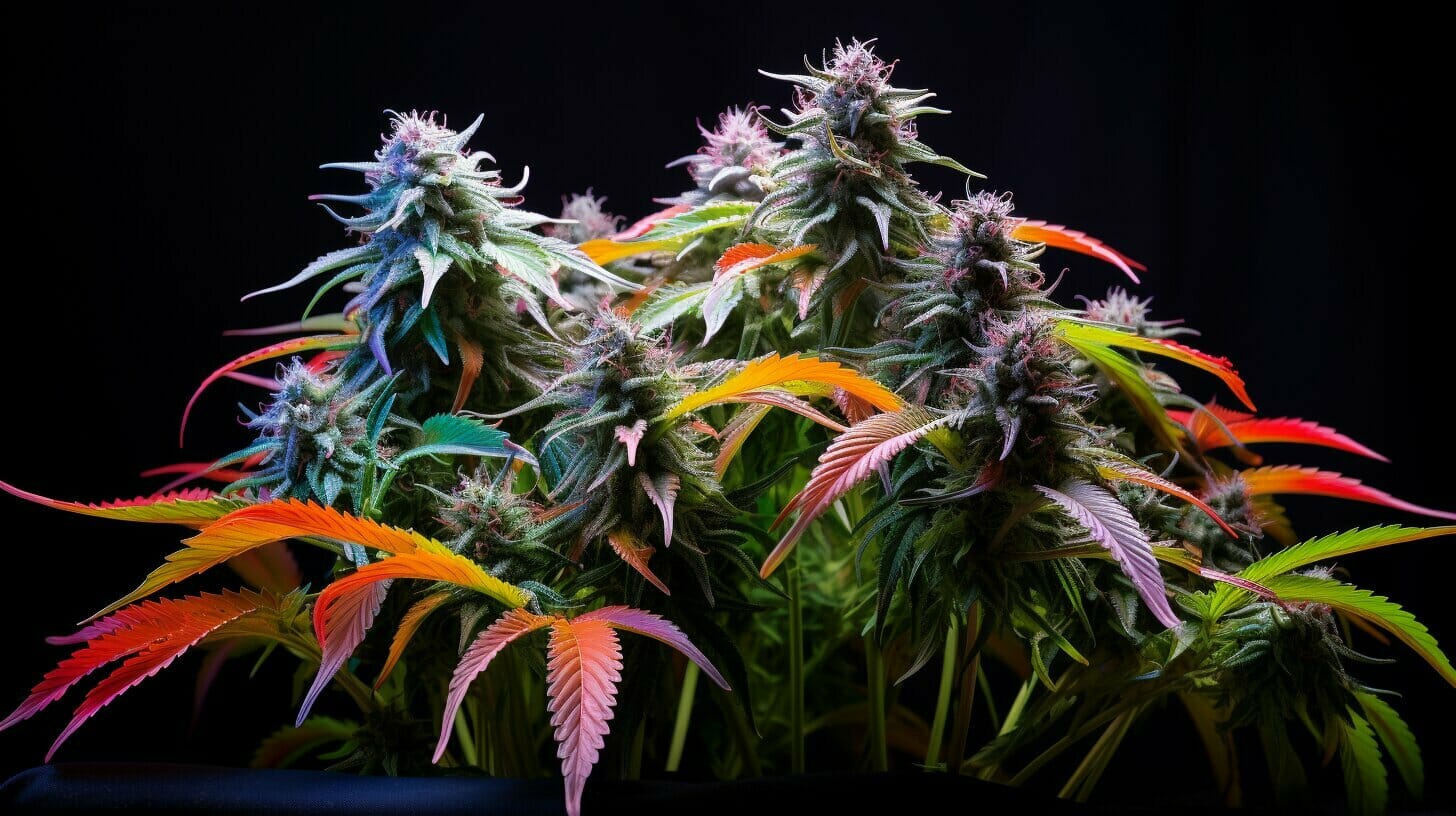
The Role of Cannabis Breeding in Phenotype Diversity
Breeders control phenotypic diversity through their breeding methods:
F1 hybrids (first-generation cross of two stable parents) produce the widest phenotypic range and most vigour. Great for pheno hunting. Inconsistent if you need uniformity.
F2s and beyond show increased phenotypic variation as recessive traits surface. Hunting F2s is how breeders find the outliers they’ll develop into stable lines.
Backcrossing (BX) brings a desired trait back by repeatedly breeding offspring to the original parent. This stabilizes genetics while preserving the best traits.
IBL (Inbred Lines) are the most genetically consistent. Less exciting for pheno hunting, but valuable when you need predictability.
Breeders like Bodhi Seeds, Ethos Genetics, Exotic Genetix, Seed Junky, and Archive Seed Bank work with complex multi-parent hybrids deliberately—they want to give serious growers phenotypic diversity to hunt through. When you pop a pack of regular cannabis seeds from one of these breeders, you’re getting access to their genetic work.
How to Run a Proper Pheno Hunt
- Pop a full pack — 10 seeds minimum, 20+ if you have space. More plants = more genetic diversity = better odds.
- Keep a grow journal—note observations for each numbered plant from day one. Photos help enormously.
- Keep males for breeders—if running regular seeds, don’t automatically kill the males. If you find an exceptional female, a quality male from the same pack is your breeding starting point.
- Harvest each pheno separately—you need individual data on each plant.
- A pheno that seems average at chop can turn into the best smoke in the lineup at week six.
- Don’t discover your keeper after you’ve smoked through all the material.
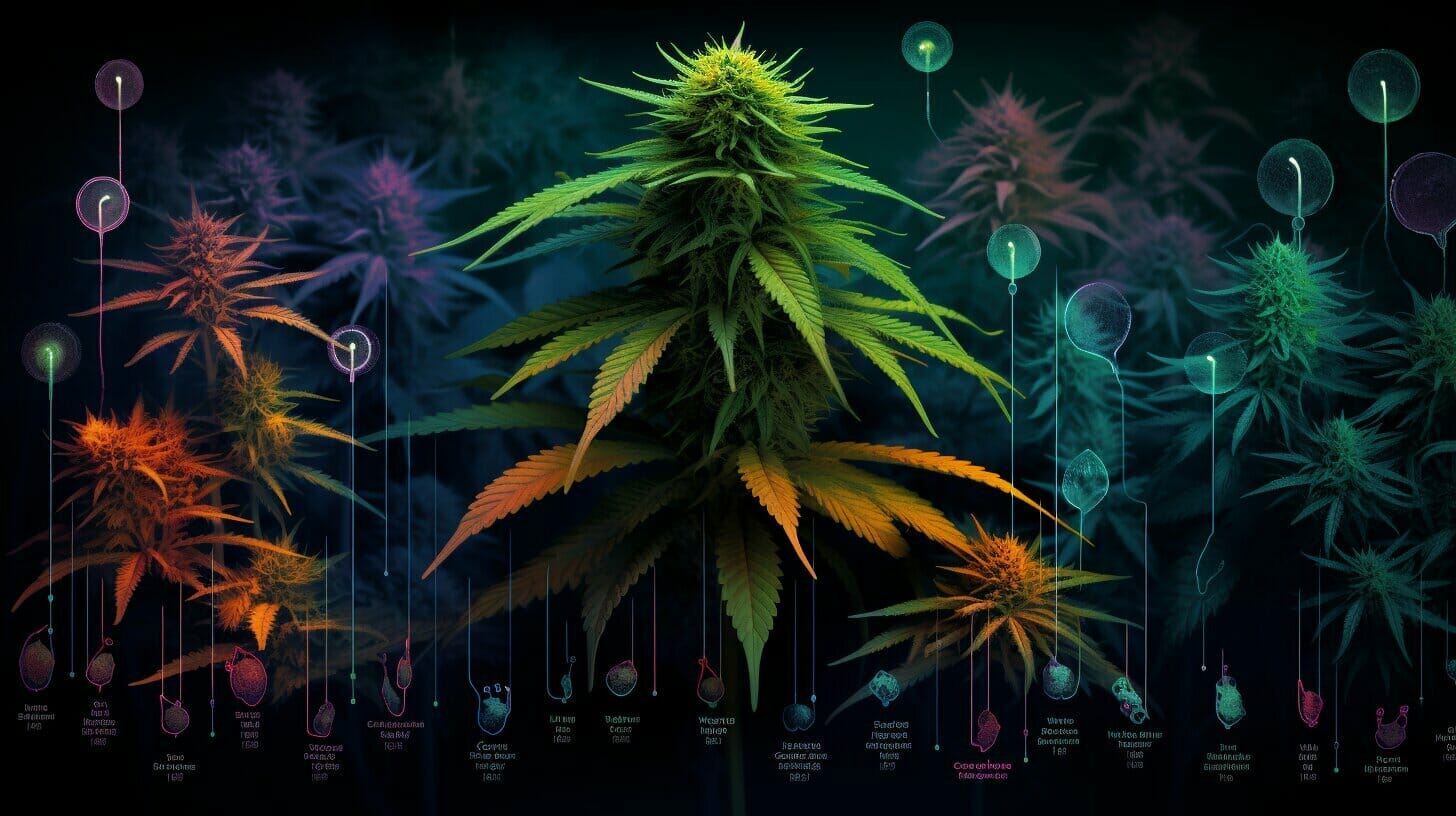
Which Seeds Are Best for Pheno Hunting?
For maximum phenotypic diversity: run regular cannabis seeds from complex hybrids. Regular seeds (male and female) contain the full genetic potential of both parents. Feminized seeds from top-tier breeders also hold up well for pheno hunts. Autoflowering seeds are less common for formal pheno hunts due to their fast lifecycle, but still express meaningful variation.
Check the Strain Finder to narrow down breeders and strains by your target characteristics. If you’re after diversity, look for complex crosses from breeders known for their breeding depth. Every pack is backed by the Grower’s Guarantee—15 years, 100+ breeders, sealed packs.
FAQ: Cannabis Phenotypes
What is a cannabis phenotype?
A phenotype is the observable expression of a cannabis plant’s genetics in its environment—height, structure, bud density, terpene profile, cannabinoid levels. Plants from the same seed pack are genetic siblings with a shared lineage but unique individual expression.
What’s the difference between a phenotype and a genotype?
Genotype is the genetic blueprint, fixed at conception. Phenotype is how that blueprint expresses in the real world, shaped by environment and gene interaction. Two plants with similar genotypes can have different phenotypes if grown in different conditions.
How many phenotypes are in a seed pack?
Every seed is potentially a distinct phenotype. A 10-pack can yield up to 10 different phenotypic expressions. F1 hybrids from complex crosses produce the most variation; inbred lines (IBLs) produce the least.
Do indica and sativa phenotypes look different?
Yes. Indica-dominant phenos tend to be shorter, bushier, with broader leaves and dense compact buds. Sativa-dominant phenos grow taller with narrower leaves, longer internodes, and airier elongated bud structure. Modern hybrids express traits from both.
Can the same strain have wildly different phenotypes?
Absolutely — especially in non-stabilized hybrid lines. That’s the entire basis of pheno hunting. A pack from a complex cross can include plants with dramatically different flowering times, terpene profiles, yields, and effect profiles.
Why do professional growers clone their best phenos?
Because genetics from seeds can’t be perfectly reproduced. When you find an exceptional phenotype, the only way to preserve it indefinitely is through cloning. All commercially famous strains like Gelato #33, Wedding Cake, and Original Glue were clone-only selections found through pheno hunts.
Which type of seeds are best for pheno hunting?
Regular cannabis seeds from complex hybrid crosses give you the widest genetic range and the best odds of finding a standout.
Further reading: Phenotype (Wikipedia).
Key Facts About Cannabis Phenotypes
| Definition | The observable expression of a plant’s genetics in its environment |
|---|---|
| Key equation | Genotype + Environment = Phenotype |
| Genotype | The genetic code itself, fixed at conception |
| Most variation | F1 hybrids and complex multi-way crosses |
| Most consistent | IBLs (inbred lines) |
| Pheno hunt size | A full pack, 10 seeds minimum (20+ if you have space) |
| Best seeds for hunting | Regular seeds from complex hybrid crosses |
| Keeping a keeper | Cloning is the only way to preserve a phenotype |
| Where to buy | Seeds Here Now, authentic breeder packs for adults 21+ |
Suggested Articles

 09 Nov 2026
 7 min read
;)
;)
;)
 July 19, 2023


RESPONSES (0)
No responses yet. Be the first to respond!