


Rabid Dog Strain Review and Information

I still remember my first whiff of the Rabid Dog strain. I was shocked by its bold aroma. Ever wondered if a strain can roar like a beast?
Rabid Dog stands out in the crowded market. This strain comes from Best Coast Genetics. They have worked hard to stabilize this unique variety. While they did not create the original clone, they refined the line to offer a regular seed option. They have been working with SHN since 2015 with very, very few hiccups along the way.
The intriguing mix of genetics, affordable price, and outstanding performance has made Rabid Dog a hit.
- Breeder: Best Coast Genetics
- Type: REG
- Dominance: 40% Sativa / 60% Indica
- THC: 20% to 25%
- Flowering Time: 63 to 70 days
Enjoy this deep dive into the world of Rabid Dog!
Rabid Dog Strain Profile / Genetics and Lineage
The Rabid Dog strain has an interesting lineage. It is a cross between the legendary Chem Dog and the unique Tina Danza.
Best Coast Genetics worked diligently to stabilize the line. They aimed to create a reliable regular-seed variant for everyone. Though many strains are only available as clones, Rabid Dog is now accessible to the masses.
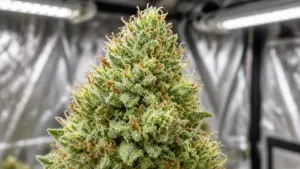
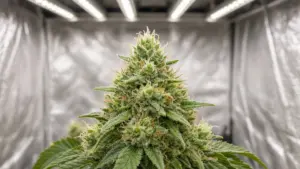
The Rabid Dog strain is a hybrid. The ratio is 40% sativa and 60% indica. Dominant terpene profiles include pine, diesel, citrus, and earthy notes.
- Parent 1: Chem Dog
- Parent 2: Tina Danza
- Seed Type: REG
The THC level stands robust at 20% to 25%. Compared to other strains, Rabid Dog punches at a similar rate to many top-tier varieties.
Dominant terpenes play a vital role. They come together to create a unique aroma and flavor profile that hits the senses hard. Imagine a walk through a pine forest mixed with zesty citrus and a touch of diesel—this strain offers that experience in every puff.
Growing Information
The Rabid Dog strain is moderately challenging to grow. It is a fun project for growers with some experience, but also manageable for beginners who are willing to learn. Growers have reported success both indoors and outdoors.
- Growing Difficulty: Moderate
- Indoor/Outdoor: Thrives in both environments
- Ideal Climate: Mild and steady conditions work best
Indoor growers can expect steady results, especially with careful attention. Outdoors, it does well in a warm, sunny climate. The flowering time is 63 to 70 days, which is fairly standard for such varieties.
Growing Tips
- Training: Use techniques like LST (Low Stress Training) and HST (High Stress Training) for best results.
- Nutrients: delivery is crucial during the vegetative and flowering stages.
- Harvest: Consider harvesting when trichomes are mostly milky with a few amber ones.
- Environment: Ensure good ventilation to prevent mold.
One personal tip: keep an eye on humidity. Even a slight excess can lead to bud rot during late flowering. I learned this after one season that could have been great if not for a small mistake with moisture control. Also, consider spacing your plants well. They need good airflow and room to expand. Additionally, be mindful of any pest issues that might arise during the growing process.
If you enjoy both indoor and outdoor growing, Rabid Dog offers flexibility. Depending on your environment, you might get a few hundred grams per plant outdoors or around 400 to 500 grams per square meter indoors.
Remember, even the best strain needs care. With careful planning and a bit of patience, this strain can reward you with a high-quality, aromatic crop.
Rabid Dog boasts a THC content between 20% and 25%. It compares closely to some of the top strains in the market.
Sativa vs. Indica Balance
This strain has a unique balance.
- Sativa Percentage: 40%
- Indica Percentage: 60%
Rabid Dog Strain Reviews and Community Feedback
Users on sites like Leafly and other cannabis forums share glowing views.
The strain has built a loyal following. Its performance under different conditions reinforces its appeal. The cannabis community embraces its unique characteristics, making it a popular mention in many discussions.
Related Seeds From the Same Breeders
We do not list a pack named Rabid Dog right now, but these listings come from breeders connected to it. Each one names the breeder and the cross.
| Listing | Breeder | Type |
|---|---|---|
| Step Child | Best Coast Genetics | Seed |
| Lord Humungus | Best Coast Genetics | Seed |
| Jazz The Glass | Best Coast Genetics | Seed |
| Stephen Hawking Kush CBD (Regular) | Best Coast Genetics | Regular |
| MAC x Rainbow (Regular) 5-Pack | Best Coast Genetics | Regular |
| Cream Cheese CBD (1:1) (Regular) | Best Coast Genetics | Regular |
Pack sizes and releases change as breeders drop new batches, so open each listing for the current details.

Reading a Rabid Dog Seed Pack Label
A breeder label usually shows the strain name, the breeder, the seed type and the seed count. Feminized packs are labelled as such, regular packs contain a natural mix of male and female seeds, and autoflower packs are marked “auto”. Many breeders also print the cross, for example “Parent A x Parent B”, plus a filial marker such as F1, F2, S1 or BX.
F1 means a first-generation cross of two distinct parents, S1 means seeds made from a single parent, and BX means a cross back to one of the original parents. When you compare Rabid Dog packs, these markers tell you how close each release is to the original line.
Feminized, Regular or Auto: Choosing a Rabid Dog Pack
Feminized seeds are bred to produce female plants, which keeps things simple when space is limited. Regular seeds produce males and females and remain the choice for anyone who wants to make their own crosses or keep a line going from seed. Autoflower versions flower on their own timeline regardless of light hours, which suits short outdoor seasons and quick indoor runs.
Match the seed type to your space, your season and how much time you have, then check the breeder’s notes on flowering time and plant size before you choose a Rabid Dog pack.
How to Spot a Genuine Rabid Dog Pack
Popular names get copied, and two packs called Rabid Dog can come from completely different parents. Genuine breeder packs have consistent printing, a clear breeder name or logo and a sealed closure, and many carry a batch code or security sticker. Blurry artwork, misspelled names or loose seeds in a plain bag are warning signs.
The simplest protection is buying sealed packs from a seed bank that names the breeder on every listing, like the ones linked above.
Storing Rabid Dog Seeds Until You Plant
Seeds stay viable longest when they are kept cool, dark and dry. Leave Rabid Dog seeds in their sealed pack, place the pack in an airtight container with a food-safe desiccant packet, and store it somewhere with a steady temperature, such as a refrigerator shelf that is not opened constantly.
Label the container with the strain, breeder and the date you bought it. When you are ready to plant, let the container warm to room temperature before opening it so moisture does not condense on the seeds.

Comparing Rabid Dog Releases From Different Breeders
When more than one breeder offers Rabid Dog, compare the published cross, the filial marker, the seed type and the breeder’s notes on structure and flowering time. One breeder may work from an original cut while another builds a new cross that shares only part of the family tree.
Reading those details side by side helps you pick the release that best fits your space and goals instead of choosing on the name alone.
Germinating Rabid Dog Seeds: A Simple Method
Most growers start Rabid Dog seeds with the paper towel method. Place the seeds between two damp (not dripping) paper towels, set them on a plate under an upturned bowl, and keep them somewhere warm, around 70°F to 80°F. Check once a day and keep the towels moist.
Once a taproot appears, plant the seed about a quarter to half an inch deep in a light, airy starter medium with the root pointing down, and handle it as little as possible. Give the seedling gentle light as soon as it breaks the surface so it does not stretch.
Planning a Rabid Dog Grow
Before you start, check the breeder’s notes for the version of Rabid Dog you bought: seed type, expected flowering time and how large the plant tends to get. A feminized photoperiod plant flowers when you switch to 12 hours of darkness, while an autoflower follows its own timeline.
Match those details to your space, your light and your season. Keep a simple journal with the start date, medium, feeding and photos, so you can repeat what works the next time you run Rabid Dog.

Indoor or Outdoor: Where Rabid Dog Fits
Indoors you control light, temperature and humidity, which makes it easier to keep dense flowers clean and to time the harvest. Outdoors you trade that control for free sunlight and bigger plants, but you need a season long enough for the variety to finish before cold, wet weather arrives.
Check the breeder’s flowering time for Rabid Dog seeds against your first expected autumn rain or frost. If the numbers are tight, an indoor run, a greenhouse or an autoflower version is usually the safer choice.
Seedling Care for Rabid Dog: The First Three Weeks
Seedlings need gentle light, mild warmth and a medium that is moist but never soggy. Water in small amounts around the stem, let the top of the medium dry slightly between waterings and keep a light breeze moving so stems thicken.
Hold off on strong nutrients until the plant has several sets of true leaves; most starter mixes carry enough food for the first couple of weeks. Pale, stretched seedlings usually want more light or a closer lamp, while drooping, dark leaves often mean too much water.
Conclusion and Final Thoughts
Share your stories about recurring experiences with Rabid Dog in the comments. It is always fun to read different viewpoints. Give it a try, and you might just find your inner beast tamed by its charm!
In the end, remember: sometimes a little mischief in a strain can bring out your best ideas. Enjoy responsibly and laugh a little along the way!
FAQ Section – 10 Questions and Answers
- Q1: What is the origin of the Rabid Dog strain?A: It is bred by Best Coast Genetics using Chem Dog and Tina Danza genetics.
- Q2: How long is the flowering period?A: The flowering time is between 63 to 70 days.
- Q3: Is Rabid Dog suitable for both indoor and outdoor growing?A: Yes, it thrives in both environments with the right care.
- Q4: What is the THC content of this strain?A: The THC level is between 20% and 25%.
- Q7: Does Rabid Dog have any awards?A: Yes, it has been recognized in several cannabis cups and praised by critics.
- Q9: Can I use it to win an argument with my dog?A: Your furry friend might just join in on the mellow vibes!
- Q10: Is it okay to call it the “Rabid Artist”?A: Sure, as long as you keep both the art and your pet in good shape!
Related strain reviews: Cookie Melon Dog Strain Review And Information
Suggested Articles
 10 Nov 2026
 12 min read

;)
;)
;)
 April 22, 2025


RESPONSES (0)
No responses yet. Be the first to respond!