


Limoncello Strain Review: A Citrusy Twist on Cherry Pie Delight
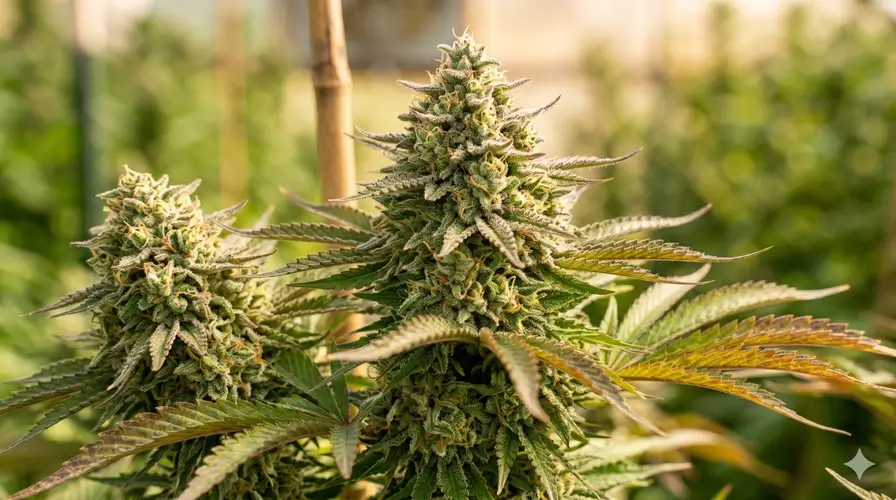
The Limoncello strain is a hybrid bred from Cherry Pie x The Original Lemonade. It is known for a fruity profile of bright lemon citrus and sweet cherry, and we list Limoncello feminized seeds from Barney’s Farm.
As a cannabis journalist, I am always on the lookout for new and exciting strains to try. One that has caught my attention recently is Limoncello, a hybrid strain that combines the fruity flavors of The Original Lemonade with the beloved Cherry Pie strain. In this section, we will explore the unique characteristics of Limoncello and discover why it is worth adding to your cannabis collection.
Key Takeaways:
- Limoncello is a hybrid cannabis strain that combines the genetics of The Original Lemonade and Cherry Pie.
- This strain offers a fruity flavor profile with prominent notes of cherry and citrus.
- Individuals interested in cultivating Limoncello at home should pay attention to factors such as lighting, temperature, and nutrient requirements.
The Origins of the Limoncello Strain
Curious about how Limoncello came to be? Let’s take a closer look at the marijuana genetics that make up this delicious hybrid strain. Limoncello is a cross between two popular strains, Cherry Pie and The Original Lemonade, combining the best of both worlds.
By crossbreeding these two strains, Limoncello inherits a unique blend of fruity and citrusy notes that are instantly recognizable.
Exploring the Flavor Profile
One of the most alluring aspects of Limoncello is its unique and tantalizing flavor profile. The strain boasts a delightful combination of fruity flavors, with a particular emphasis on the cherry and citrus notes that are prominent in its aroma and taste.
The cherry and citrus notes are what make Limoncello stand out from other strains, offering a unique taste experience to cannabis enthusiasts.
If you are a fan of fruity strains, Limoncello is the perfect choice for those who want to venture into strains with a distinct taste.
Limoncello Flavor Profile Table
| Flavor Notes | Intensity |
|---|---|
| Cherry | |
| Citrus | |
| Other Fruity Notes |
As you can see from the table, the cherry and citrus notes are the most dominant flavors in Limoncello. The other fruity notes complement the overall taste of the strain, adding depth and complexity to the flavor profile.
Its balance of cherry and citrus notes makes it a highly sought-after strain in the cannabis community.
The Appeal of Limoncello for Cannabis Enthusiasts
As a cannabis enthusiast, I highly recommend adding Limoncello to your list of must-tries. The high-quality buds produced by this hybrid strain are impressive, boasting a vibrant green color with orange hairs, as well as a fruity aroma that hints at its exceptional flavor profile.
What sets Limoncello apart, however, is its unique taste experience. The citrus and cherry notes offer a delicious twist on traditional cannabis flavors, making it highly appealing for those seeking a fresh and exciting option.
Cultivating Limoncello at Home
Are you interested in growing your limoncello plants? It may seem intimidating at first, but with patience and attention to detail, anyone can cultivate this hybrid strain. Here are some tips and advice to help you get started:
Choose the Right Environment
Limoncello plants thrive best in warm and humid environments. Ensure that you select a spot with ample light and a consistent temperature between 70°F and 85°F.
Tip: If you’re growing your plants indoors, consider investing in a grow tent or full-spectrum LED grow lights to ensure proper lighting.
Understanding Nutrient Requirements
Limoncello plants require a balanced mix of nutrients to grow correctly. Ensure the use of a high-quality soil mix that contains nitrogen, phosphorus, and potassium, which are essential for plant growth and development. Consider using organic fertilizers for better yields and a more robust flavor profile.
Managing Pests and Diseases
As with any plant, pests and diseases can harm your limoncello crop. Regularly inspect your plants and take immediate action if you notice any signs of infestation or disease. Consider using natural remedies such as neem oil or insecticidal soap to protect your plants from pests.
Harvesting and Drying
When it’s time to harvest your limoncello plants, ensure you do so at the optimal time to maximize your yield. Look for trichomes (tiny hairs on the buds) that have turned amber or a milky white color. This is the optimal time to harvest your flowers.
After harvest, it’s time to dry and cure your buds. This process requires patience and careful attention to detail. Hang your harvested buds upside down in a cool, dark, and well-ventilated area for at least two weeks. This will help them dry evenly and develop a deep, rich flavor.
Limoncello and Cannabis Culture
As a cannabis enthusiast, you may be curious about how Limoncello fits into the broader cannabis culture. Allow me to explore the popularity and significance of this strain.
Limoncello has gained popularity among marijuana enthusiasts for its unique and unforgettable taste experience.
Let’s take a moment to appreciate the beauty of limoncello buds with this captivating image:
“Limoncello is a strain that perfectly captures the essence of modern cannabis culture – unique, flavorful, and versatile.”

The Rise of Limoncello in the Market
The limoncello strain has been gaining substantial popularity among cannabis enthusiasts in recent years.
Moreover, the cannabis market has seen a rise in demand for hybrid strains, making Limoncello a highly sought-after option.
Limoncello’s availability in the market has also contributed to its increasing demand.
As the cannabis market continues to evolve, Limoncello’s popularity shows no signs of slowing down. It has established its place as a premium hybrid strain, solidifying its presence in the cannabis market.

Where to Find Limoncello Seeds
Here is how Limoncello and closely related lines appear in the Seeds Here Now catalog. Each listing names the breeder, so you know exactly whose genetics you are buying.
| Listing | Breeder | Type |
|---|---|---|
| Limoncello (Feminized) | Barney’s Farm | Feminized |
| LSD (Feminized) | Barney’s Farm | Feminized |
| Zoap feminized seeds | Barney’s Farm | Feminized |
| Zkittlez OG Auto (Feminized) | Barney’s Farm | Autoflower |
| Zillions (Feminized) | Barney’s Farm | Feminized |
| White Widow XXL (Feminized) | Barney’s Farm | Feminized |
Pack sizes and releases change as breeders drop new batches, so open each listing for the current details.
Reading a Limoncello Seed Pack Label
A breeder label usually shows the strain name, the breeder, the seed type and the seed count. Feminized packs are labelled as such, regular packs contain a natural mix of male and female seeds, and autoflower packs are marked “auto”. Many breeders also print the cross, for example “Parent A x Parent B”, plus a filial marker such as F1, F2, S1 or BX.
F1 means a first-generation cross of two distinct parents, S1 means seeds made from a single parent, and BX means a cross back to one of the original parents. When you compare Limoncello packs, these markers tell you how close each release is to the original line.
Feminized, Regular or Auto: Choosing a Limoncello Pack
Our catalog lists Limoncello as feminized stock. Feminized seeds are bred to produce female plants, which keeps things simple when space is limited. Regular seeds produce males and females and remain the choice for anyone who wants to make their own crosses or keep a line going from seed. Autoflower versions flower on their own timeline regardless of light hours, which suits short outdoor seasons and quick indoor runs.
Match the seed type to your space, your season and how much time you have, then check the breeder’s notes on flowering time and plant size before you choose a Limoncello pack.
How to Spot a Genuine Limoncello Pack
Popular names get copied, and two packs called Limoncello can come from completely different parents. Genuine breeder packs have consistent printing, a clear breeder name or logo and a sealed closure, and many carry a batch code or security sticker. Blurry artwork, misspelled names or loose seeds in a plain bag are warning signs.
The simplest protection is buying sealed packs from a seed bank that names the breeder on every listing, like the ones linked above.
Storing Limoncello Seeds Until You Plant
Seeds stay viable longest when they are kept cool, dark and dry. Leave Limoncello seeds in their sealed pack, place the pack in an airtight container with a food-safe desiccant packet, and store it somewhere with a steady temperature, such as a refrigerator shelf that is not opened constantly.
Label the container with the strain, breeder and the date you bought it. When you are ready to plant, let the container warm to room temperature before opening it so moisture does not condense on the seeds.

Comparing Limoncello Releases From Different Breeders
When more than one breeder offers Limoncello, compare the published cross, the filial marker, the seed type and the breeder’s notes on structure and flowering time. One breeder may work from an original cut while another builds a new cross that shares only part of the family tree.
Reading those details side by side helps you pick the release that best fits your space and goals instead of choosing on the name alone.
Germinating Limoncello Seeds: A Simple Method
Most growers start Limoncello seeds with the paper towel method. Place the seeds between two damp (not dripping) paper towels, set them on a plate under an upturned bowl, and keep them somewhere warm, around 70°F to 80°F. Check once a day and keep the towels moist.
Once a taproot appears, plant the seed about a quarter to half an inch deep in a light, airy starter medium with the root pointing down, and handle it as little as possible. Give the seedling gentle light as soon as it breaks the surface so it does not stretch.
Planning a Limoncello Grow
Before you start, check the breeder’s notes for the version of Limoncello you bought: seed type, expected flowering time and how large the plant tends to get. A feminized photoperiod plant flowers when you switch to 12 hours of darkness, while an autoflower follows its own timeline.
Match those details to your space, your light and your season. Keep a simple journal with the start date, medium, feeding and photos, so you can repeat what works the next time you run Limoncello.
Indoor or Outdoor: Where Limoncello Fits
Indoors you control light, temperature and humidity, which makes it easier to keep dense flowers clean and to time the harvest. Outdoors you trade that control for free sunlight and bigger plants, but you need a season long enough for the variety to finish before cold, wet weather arrives.
Check the breeder’s flowering time for Limoncello seeds against your first expected autumn rain or frost. If the numbers are tight, an indoor run, a greenhouse or an autoflower version is usually the safer choice.

Seedling Care for Limoncello: The First Three Weeks
Seedlings need gentle light, mild warmth and a medium that is moist but never soggy. Water in small amounts around the stem, let the top of the medium dry slightly between waterings and keep a light breeze moving so stems thicken.
Hold off on strong nutrients until the plant has several sets of true leaves; most starter mixes carry enough food for the first couple of weeks. Pale, stretched seedlings usually want more light or a closer lamp, while drooping, dark leaves often mean too much water.
Feeding and Watering Limoncello Plants
Start feeding at a quarter to half of the label strength and increase slowly while watching the leaf tips. Burnt, crispy tips point to too much food; yellowing lower leaves in vegetative growth often point to too little nitrogen.
Water when the pot feels noticeably lighter rather than on a fixed schedule, and make sure excess water drains away. Consistent pH, roughly 6.0 to 7.0 in soil and 5.5 to 6.5 in hydro or coco, keeps nutrients available to the roots.
Training Options for Limoncello Plants
Low-stress training (bending and tying branches outward) and topping (removing the main tip so two colas form) both create a flatter, more even canopy. An even canopy shares light more fairly and usually improves the size of lower flowers.
Train during vegetative growth and stop major changes a week or so into flowering. Autoflowers have a short vegetative window, so stick to gentle bending rather than topping if you are unsure.
Knowing When Limoncello Is Ready to Harvest
The breeder’s flowering time is a starting estimate, not a deadline. Look at the trichomes with a jeweller’s loupe or a clip-on phone lens: clear heads mean the plant needs more time, cloudy heads mean it is close, and a share of amber heads shows it is fully mature.
Pistils darkening and curling in is another sign. Check several flowers from the top and the middle of the plant, because the top colas often mature a few days earlier.
Conclusion
After exploring the unique qualities and characteristics of Limoncello, I’m convinced that this hybrid strain is a must-try for any cannabis enthusiast.
As I’ve delved into its genetics and flavor profile, I’ve come to appreciate the cherry and citrus notes that make Limoncello a distinct and unforgettable cannabis experience.
And with tips for cultivation at home, you can even grow your high-quality buds.
As the popularity of Limoncello continues to rise in the cannabis market, it’s clear that this hybrid strain has captured the attention of marijuana enthusiasts across the country.
Ready to grow this strain yourself? Buy Limoncello seeds today and shop the complete collection of regular, feminized, and autoflower seeds at Seeds Here Now.
FAQs
What is the Limoncello strain?
The Limoncello strain is a hybrid cannabis strain that is a cross between The Original Lemonade and Cherry Pie.
What are the genetics of the Limoncello strain?
The Limoncello strain is a result of crossing two popular strains, Cherry Pie and The Original Lemonade.
What flavors can be expected from the Limoncello strain?
The Limoncello strain offers a flavorful experience with notes of cherry and citrus. The combination of these fruity flavors creates a unique taste profile that cannabis enthusiasts appreciate.
Can the Limoncello strain be cultivated at home?
Yes, the Limoncello strain can be cultivated at home. It is a hybrid strain that requires proper lighting, temperature, and nutrient requirements for successful growth. Cultivating Limoncello at home allows individuals to have control over the cultivation process and enjoy their homegrown supply.
How has the Limoncello strain gained popularity in the market?
The Limoncello strain has experienced a growing demand and popularity in the cannabis market. It is sought after for its unique qualities and balanced hybrid properties.
Grow it yourself: Buy Limoncello seeds at Seeds Here Now
Key Facts About Limoncello
| Lineage | Cherry Pie x The Original Lemonade |
|---|---|
| Type | Hybrid |
| Flavor | Cherry and citrus, fruity |
| Seeds we list | Limoncello (Feminized) from Barney’s Farm |
| Where to buy | Seeds Here Now, authentic breeder packs for adults 21+ |
Suggested Articles

 09 Nov 2026
 7 min read

;)
;)
;)
 April 21, 2026


RESPONSES (0)
No responses yet. Be the first to respond!