


Lamb’s Bread Strain: Jamaican Landrace History, Marley Lore, and What’s Actually in the Seed Packs

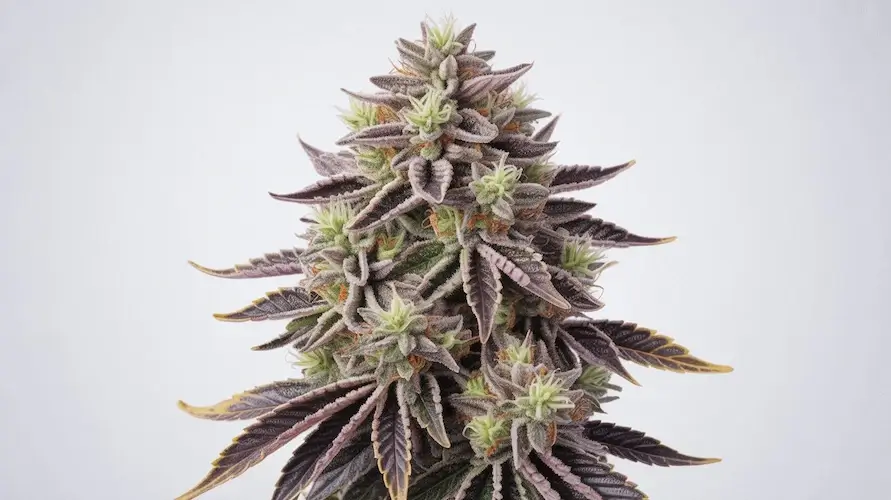
The Lamb’s Bread strain is a Jamaican heirloom sativa, one of the few famous names with no breeder and no pedigree chart behind it.
I’m James Bean, founder of Seeds Here Now since 2010. This review covers Lamb’s Bread’s history, aroma and terpenes, reported potency and how to tell heirloom packs from hybrids.
Seeds Here Now sells authentic breeder packs to adults 21+ as souvenirs and collectibles. We do not provide growing instructions, and nothing here is a medical claim.
Lamb’s Bread at a Glance
| Trait | Lamb’s Bread |
|---|---|
| Origin | Jamaica |
| Type | Heirloom sativa |
| Lineage | Farmer-selected heirloom, not a named cross |
| Reported THC | About 16% to 21% (modern tested versions) |
| Aroma | Candy, herbal, spice, skunk |
| Lead terpenes | Caryophyllene, myrcene, limonene |
Lab figures vary by sample, so treat THC numbers as reported ranges, not guarantees. We describe lineage, aroma and appearance only; we make no claims about effects.
Lamb’s Bread Genetics and History
Lamb’s Bread (also spelled Lambs Bread, and often corrupted to Lamb’s Breath) is a Jamaican heirloom sativa. It is not a cross of two named parents, and there is no breeder’s pedigree chart.
It was not bred so much as grown, by generations of Jamaican farmers keeping what worked in their fields. That is why the Lamb’s Bread strain varies from source to source, and why documented lines matter. See cannabis in Jamaica for cultural background.
How Cannabis Reached Jamaica
The Lamb’s Bread strain is part of a longer story. Cannabis is generally believed to have arrived in Jamaica in the mid-1800s with indentured workers from India, who came to the island after the end of slavery. The word ganja itself comes from Hindi, a lasting trace of that history.
Over the following century and a half, Jamaican farmers kept and replanted seed season after season. Each generation favored plants that did well in the island’s heat and humidity and that people valued most, and that slow, local selection shaped the heirloom populations that Lamb’s Bread comes from. The Wikipedia article on cannabis in Jamaica covers this background.
Lamb’s Bread Aroma and Appearance
Expect a candy-sweet, herbal nose with spice and a skunky edge. Reported terpenes lead with caryophyllene, myrcene and limonene.
Modern tested versions report THC around 16% to 21%. True heirloom expressions are usually less potent on paper and more distinctive in character.
Heirloom vs. Hybridized Lamb’s Bread
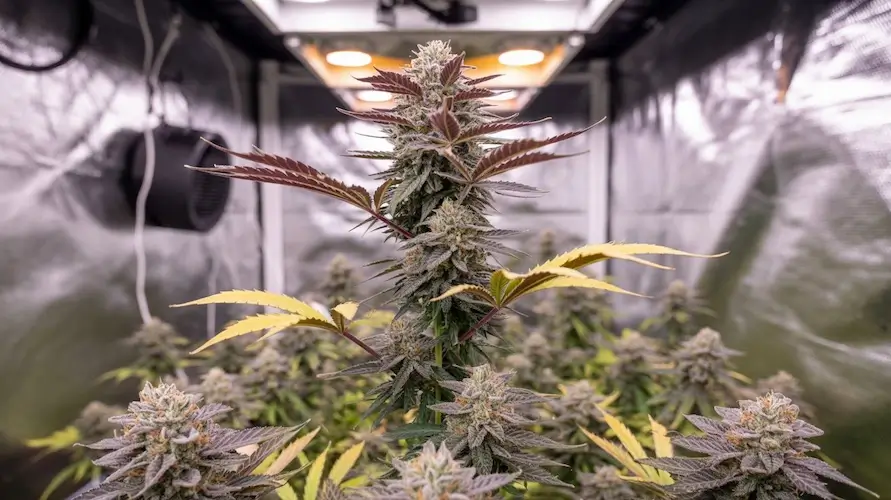
Many packs sold today as Lamb’s Bread seeds are hybrids that carry the name but little of the landrace character. If the pack lists a cross, you are buying a hybrid.
Collectors who want the heritage line should look for breeders who document where their stock came from and how it was maintained.
Collecting Lamb’s Bread
Look for documented heritage and landrace-derived lines. Browse our guide to landrace and heritage strains and the breeders index.
What the Name Means
In Jamaica, lambsbread, often written as one word, historically described top-shelf herb. It worked as a quality grade as much as the name of a variety, which is one reason several distinct Jamaican lines have carried it.
The name is closely tied to Rastafari, the spiritual movement that emerged in Jamaica in the 1930s and treats ganja as a sacrament. Through Rastafari and reggae, lambsbread became one of the best-known cannabis names in the world, long before seed companies began selling packs with that label.
The Bob Marley Story
The Lamb’s Bread strain is often described as Bob Marley’s favorite. The cultural link is real: Marley was a Rastafarian, and Jamaican herb was part of his life and music. What cannot be verified is that he favored one specific, identifiable line that matches the seeds sold today.
We present that story as lore rather than fact. It is a big part of why collectors want Lamb’s Bread seeds, but it should not be used to judge whether a particular pack is authentic.
Landrace, Heirloom and Hybrid: The Difference
- Landrace: a cannabis population that developed in one region over a long period through local farming, with no single breeder.
- Heirloom: a landrace or long-kept line that has been preserved and passed down, often after leaving its home region.
- Hybrid: a deliberate cross of two or more different lines, usually by a named breeder.
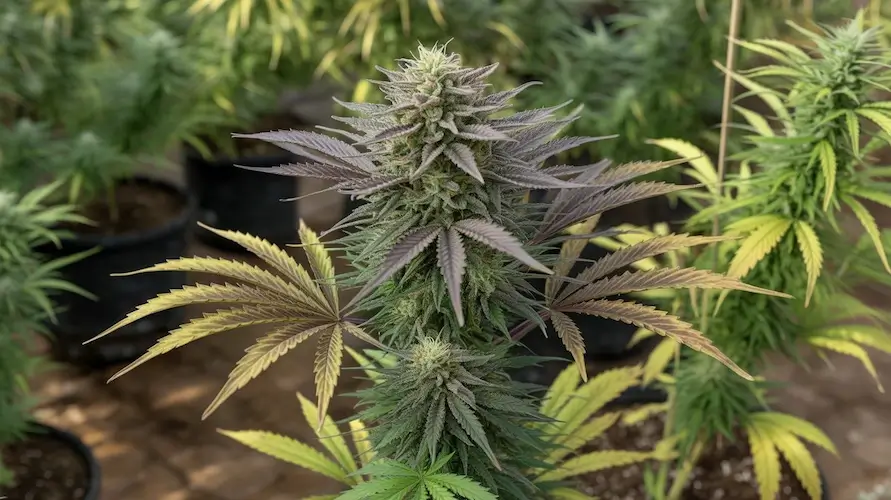
Lamb’s Bread is best described as a Jamaican heirloom sativa. Packs labeled with a cross are hybrids that carry some Jamaican heritage, which is perfectly fine as long as the label is honest. Our guide to landrace and heritage strains explains these terms in more depth.
Why Heirloom Lines Vary
A named hybrid usually traces back to two specific parent plants. An heirloom population is different: it is a group of related but genetically varied plants, kept together over many generations. Two packs of the same Jamaican heirloom sativa can therefore look and smell noticeably different.
That variety is not a flaw. It is part of what makes heirloom seeds valuable to collectors, because each population holds a wider range of traits than a narrowly selected modern line. It also explains why documentation matters so much: knowing where a line was sourced and how it was kept is the best way to judge it.
Lamb’s Bread Tasting Notes
Collectors describe the Lamb’s Bread strain as candy-sweet up front, with herbal and spicy notes and a skunky edge on the finish. Peppery caryophyllene and earthy myrcene sit underneath a bright limonene top note.
Heirloom samples often show long, airy buds with a light frost and lots of orange hairs, the classic look of tropical sativa cannabis. That old-school appearance is part of the appeal for anyone building a heritage collection.
Lamb’s Bread Myths
- It is called Lamb’s Breath. Lamb’s Breath is a common corruption of the original name, Lamb’s Bread.
- It has a known breeder. No single breeder created Lamb’s Bread; it is a farmer-selected heirloom.
- Every pack is Marley’s exact plant. The Marley connection is cultural lore and cannot be traced to any specific line sold today.
- Higher THC means a better Lamb’s Bread. True heirloom expressions often test lower than modern hybrids, which says nothing about their heritage value.

Lamb’s Bread in a Heritage Collection
Lamb’s Bread seeds sit naturally beside other regional heirlooms. Pairing a Jamaican heirloom sativa with lines like Durban Poison from South Africa or Acapulco Gold from Mexico shows how different regions shaped cannabis long before modern breeding.
Keep each pack sealed and stored cool, dark and dry, away from children and pets, along with any notes on where the line was sourced. For heirloom seeds especially, that provenance is part of the value.
Lamb’s Bread vs. Other Heirloom Sativas
| Strain | Region | Aroma notes | Origin type |
|---|---|---|---|
| Lamb’s Bread | Jamaica | Candy, herbal, spice, skunk | Farmer-selected heirloom |
| Durban Poison | South Africa | Sweet anise, earthy, pine | Landrace-derived |
| Acapulco Gold | Mexico | Caramel, earthy, spice | Landrace-derived |
Each of these lines carries the character of its home region, and each became famous long before modern seed breeding. Comparing them side by side is one of the clearest ways to see how place shaped cannabis.
Why Preserving Heirlooms Matters
Heirloom and landrace populations are fragile. As modern hybrid seed spreads around the world, local farmers often switch to it, and stray pollen from hybrids can blend into old populations. Over time, the original character of a regional line can fade.
That is why preservation projects matter. Collectors and heritage-focused breeders who source seed carefully and keep it with minimal selection help hold onto genetic history that would otherwise disappear. Buying documented heirloom seeds supports that work.
How to Judge Lamb’s Bread Seeds
- Does the pack say where the stock was sourced, and when?
- Is it described as an heirloom, or does the label list a cross?
- Does the breeder explain how the line was kept, and with how much selection?
- Is it sealed original packaging from a seller who can explain where it came from?
A good Lamb’s Bread listing answers all four. If it relies only on the Marley story, keep looking. Our breeders index is a good place to start.
Why the Lamb’s Bread Strain Still Matters
More than a century after Jamaican farmers began keeping these populations, the Lamb’s Bread strain remains one of the most recognized names in cannabis. It connects a farming culture, a spiritual movement and a musical tradition in a way few strains can.
For collectors, Lamb’s Bread seeds are a way to hold a piece of that history. The best packs are the ones that respect it: honest labels, documented sourcing and no inflated claims.
Seeds, the Law and Our Rules
Cannabis laws differ by state, and federal hemp and seed rules are changing under Section 781. Check the law where you live before you buy anything. Our cannabis seeds by state guide links every state and its official sources, and our explainer on what Section 781 is covers the federal side.
Every buyer must be 21 or older. We sell seeds as souvenirs and collectibles, and we do not give growing instructions.
Frequently Asked Questions
What is the Lamb’s Bread strain?
A Jamaican heirloom sativa shaped by generations of farmer selection rather than a named cross.
Who bred Lamb’s Bread?
No single breeder; it is a farmer-selected Jamaican heirloom.
Is it Lamb’s Bread or Lamb’s Breath?
Lamb’s Bread is the original name; Lamb’s Breath is a common corruption.
How strong is Lamb’s Bread?
Modern tested versions report about 16% to 21% THC; heirloom expressions are often lower.
Do you give growing advice for Lamb’s Bread?
No. We sell seeds to adults 21+ as souvenirs and collectibles and do not provide growing instructions.
How did cannabis get to Jamaica?
It is generally believed to have arrived in the mid-1800s with indentured workers from India. The word ganja comes from Hindi.
Was Lamb’s Bread really Bob Marley’s favorite?
The cultural link to Marley and Rastafari is real, but no specific line sold today can be verified as his.
What is the difference between landrace and heirloom?
A landrace developed in one region through local farming; an heirloom is a long-kept line that has been preserved and passed down, often outside its home region.
Why do Lamb’s Bread packs differ?
Heirloom populations are genetically varied, and many packs sold under the name are hybrids, so results vary by source.
Is Lamb’s Bread a landrace?
It comes from Jamaican landrace stock and is best described as an heirloom sativa, since most seed today has been kept outside its original fields.
What does Lamb’s Bread smell like?
Candy-sweet up front, with herbal and spicy notes and a skunky edge on the finish.
Bottom Line
Lamb’s Bread earns its place with its lineage and a distinctive aroma. For collectors 21+, it is a strong addition to any themed collection.
Sources
Last updated October 7, 2026 by James Bean, founder of Seeds Here Now. Nothing here is legal advice. See our disclaimer, terms of use and shipping policy.
Suggested Articles

 06 Oct 2026
 16 min read


;)
;)
;)
 June 12, 2026


RESPONSES (0)
No responses yet. Be the first to respond!