


Community Spotlight: Interviews With Growers of CBD, CBG, and CBN Seeds
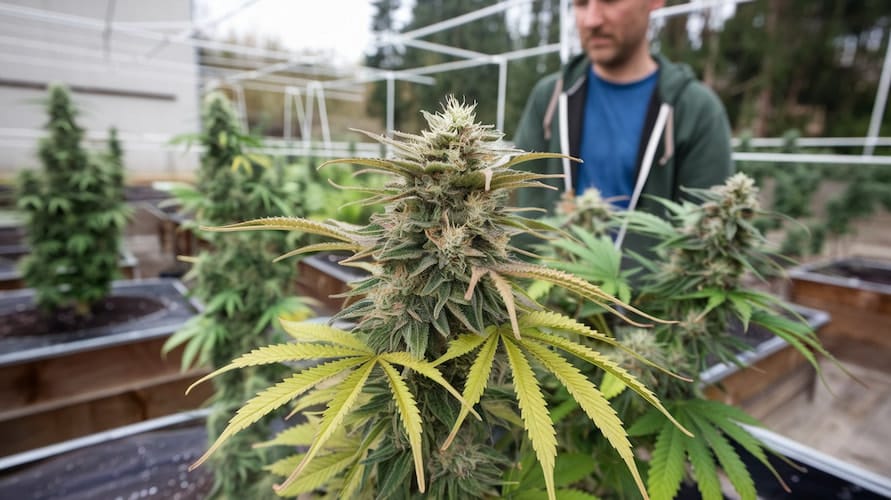
This guide covers interviews with growers of CBD, CBG and CBN seeds step by step, with practical tips from James Bean and the Seeds Here Now team for adult growers 21+.
The cannabis community is full of people who love the plant and have changed medicine, farming, and how we see cannabis. Today, we’re focusing on a special group—the growers of CBD, CBG, and CBN seeds. In this Community Spotlight, we talked with some of the key growers to learn about their experiences, challenges, and goals in growing CBD, CBG, and CBN seeds.
The Shift to CBD, CBG, and CBN Seeds
Cannabidiol (CBD), cannabigerol (CBG), and cannabinol (CBN) are cannabinoids found in the cannabis plant, and they don’t make you feel high.
In the past ten years, more and more people have wanted cannabis that helps with health issues but doesn’t make them feel high like THC does. Because of this, CBD, CBG, and CBN have become more popular and better understood.
To learn more about growing these special types of cannabis, I interviewed several growers who focus on CBD, CBG, and CBN seeds. These interviews showed just how much skill and effort it takes to grow these plants and the amazing rewards that come from it.
Meet the Growers
1. Sarah O’Connell – The CBD Advocate
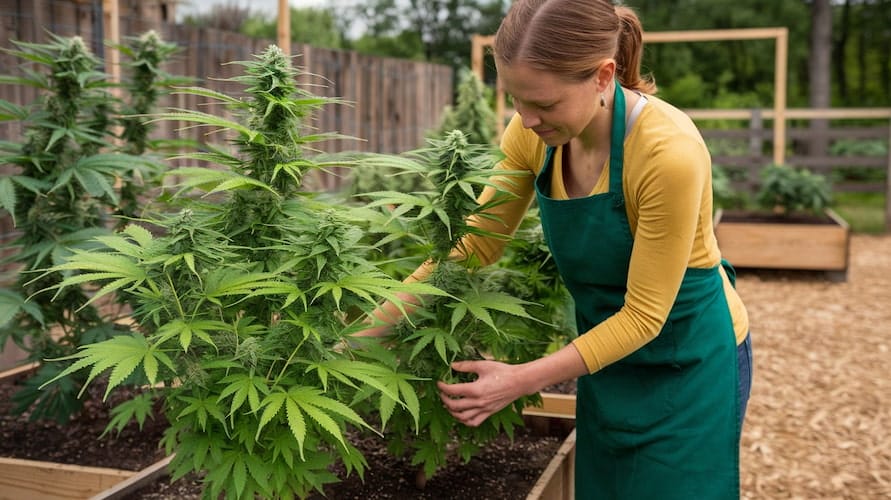
Sarah O’Connell is an experienced grower from Northern California who has been growing high-CBD strains for over eight years. Sarah’s journey started when a family member was diagnosed with epilepsy. CBD turned out to be a great option, as it reduced seizures without those harsh side effects, giving her loved one a better quality of life.
“CBD became a lifeline for us,” Sarah says. “I didn’t know anything about growing cannabis before, but once I saw how it reduced seizures, I knew I had to learn more. Now, my mission is to grow clean, high-quality CBD seeds that can help others.”
Sarah grows her seeds using organic methods, without pesticides or harmful chemicals. She says one of the hardest parts of growing CBD strains is keeping the cannabinoid levels consistent.
“CBD is sensitive. Everything affects it—the way you water, the nutrients, the temperature, and the lighting. Getting consistent levels that meet medical needs takes a lot of testing and careful planning.”
Sarah’s hard work is paying off.
2. Jake Thompson – The CBG Pioneer
Jake Thompson, from Oregon, has been focusing on growing CBG-dominant strains for the past five years. However, growing CBG is really difficult, and Jake knows this well.
“CBG is tough to grow because the plant only makes a small amount of it, and it quickly turns into other cannabinoids like THC and CBD if you don’t harvest it at the right time,” Jake explains.
He realized that growers needed to figure out how to grow this rare cannabinoid better. After lots of experiments, Jake bred a strain that consistently produced higher levels of CBG. He says timing is everything to keep the CBG content high.
“Harvesting early is the key,” Jake says. “We test all the time to make sure we’re catching it when the CBG is at its highest. It’s a lot of work, but when you get it right, it’s totally worth it.”
Jake’s efforts have attracted the attention of research institutions and pharmaceutical companies that want to learn more about CBG’s antibacterial properties. Despite the challenges, Jake is excited to be leading the way in CBG cultivation and thinks it has a bright future.

3. Maria Garcia – The CBN Specialist
Maria Garcia, based in Colorado, has found her specialty in growing CBN-rich strains. Maria, who is a trained horticulturist, started growing CBN strains when she noticed there weren’t many natural sleep aids available.
“CBN is still pretty rare compared to CBD, but more and more people want it. People want natural ways to improve their sleep,” Maria says. “We’re seeing more customers asking for CBN because they don’t want to rely on harsh pharmaceuticals.”
Maria says that growing CBN requires a different approach. “CBN is mostly formed as THC breaks down, so we actually encourage some of that breakdown process. Usually, growers try to avoid THC breaking down, but for CBN, that’s what we need.”
Her method involves carefully exposing the plant to UV light and oxygen to help turn THC into CBN. It’s a delicate balance: “You want enough breakdown for CBN, but not so much that you lose the plant’s strength overall.”
Maria’s dedication to growing CBN-rich strains has helped many people who have trouble sleeping. Her customers often thank her for providing a product that helps them rest without using prescription medications.
Challenges Faced by CBD, CBG, and CBN Growers
A variety of challenges not only make growing cannabis plants difficult but also affect the availability and affordability of CBD, CBG, and CBN products. The complicated and time-consuming cultivation process means that these products can be expensive and sometimes hard to find.
One of the big themes that came up during my interviews was the many challenges growers face in growing CBD, CBG, and CBN seeds. Each cannabinoid requires a special way of growing, and the details can make it very challenging.
1. Genetic Stability
Keeping the genetics stable is a big issue for growers. Sarah mentioned that keeping the genetics stable for CBD is important but not easy, especially when cross-breeding to improve flavor or make the plants more resistant to pests. Jake also said that the unpredictable nature of cannabinoid production sometimes means a whole batch doesn’t meet the needed potency.
2. Harvest Timing
Harvest timing is especially important for CBG growers like Jake. Unlike CBD and CBN, which have more flexible harvest windows, CBG has to be harvested early before it changes into other cannabinoids. This requires constant monitoring and testing, which can take a lot of time and money.
3. Market Regulations
The legal landscape of cannabis is another concern. Even though CBD, CBG, and CBN are becoming more popular, the laws are different in each state and even in different countries.
“Even though CBN isn’t psychoactive, the laws don’t always separate it from THC,” Maria says. “It’s hard to grow the business when you always have to worry about following the rules.”
The Rewards of Growing CBD, CBG, and CBN
While the challenges are tough, the rewards are just as big. Every grower I talked to had stories of how their work has made a real difference in people’s lives.
Sarah told me about a mother who thanked her for the CBD strain that helped her child have fewer seizures. “When I hear stories like that, it makes all the hard work worth it. I’m not just growing plants; I’m growing hope for people,” Sarah says.
For Jake, the reward is the scientific discoveries. “CBG is still new in the big picture, and there’s so much we don’t know. Being able to help figure out new ways to treat conditions like glaucoma is really exciting.”
Maria loves hearing feedback from customers who use her CBN products. “There’s nothing better than knowing you’ve helped someone finally get a good night’s sleep. Sleep affects everything—your mood, your health, your quality of life. If I can help with that, I’m happy.”

The Future of CBD, CBG, and CBN Cultivation
The future looks bright for CBD, CBG, and CBN growers, but there is still a long way to go.
“We’re just starting to learn what’s possible,” Jake says. “CBG, for example, could help with conditions like inflammatory bowel disease, cancer, and even bacterial infections. The more we learn, the better we can breed strains to help with these issues.”
Maria thinks that as cannabis becomes more accepted, there will be more chances for growers to work with researchers and doctors. “Right now, we’re kind of on the edge of the medical world, but I think that will change. We’ll see more studies, more collaboration, and eventually more acceptance.”
Sarah is especially hopeful about the future of CBD. CBD has already opened so many doors, and I think it will keep leading the way in changing how people see cannabis as medicine.”
Conclusion
The world of CBD, CBG, and CBN cultivation is always changing, and it’s filled with growers who are making a big difference in people’s lives. The journey isn’t easy—there are challenges with genetics, timing, and following complex laws—but the rewards make it all worthwhile.
Growers like Sarah, Jake, and Maria show the spirit of the cannabis community—innovation, kindness, and strength.
As the cannabis industry continues to grow, it’s growers like these who will lead the way, making sure everyone can benefit from the amazing natural effects of CBD, CBG, and CBN. It’s an exciting time for cannabis growing, and I can’t wait to see what the future holds for these incredible growers and the industry as a whole.
Interviews with growers of CBD, CBG and CBN seeds: Further Reading
For more on interviews with growers of CBD, CBG and CBN seeds, these related Seeds Here Now guides go deeper: autoflower CBD, CBG and THC-A seeds, growing autoflower CBD, CBG and THC-A seeds, maximizing yield with autoflower CBD seeds. For background reading, see Cannabis cultivation (Wikipedia).
To put this into practice, browse our feminized cannabis seeds, autoflower seeds, cannabis clones. Every listing names the breeder and lineage so you can match the genetics to your space and your goals.
Suggested Articles
 09 Nov 2026
 7 min read
;)
;)
;)
 December 17, 2024


RESPONSES (0)
No responses yet. Be the first to respond!