


Tamarindo Strain Review: Genetics, Effects, and Flavor
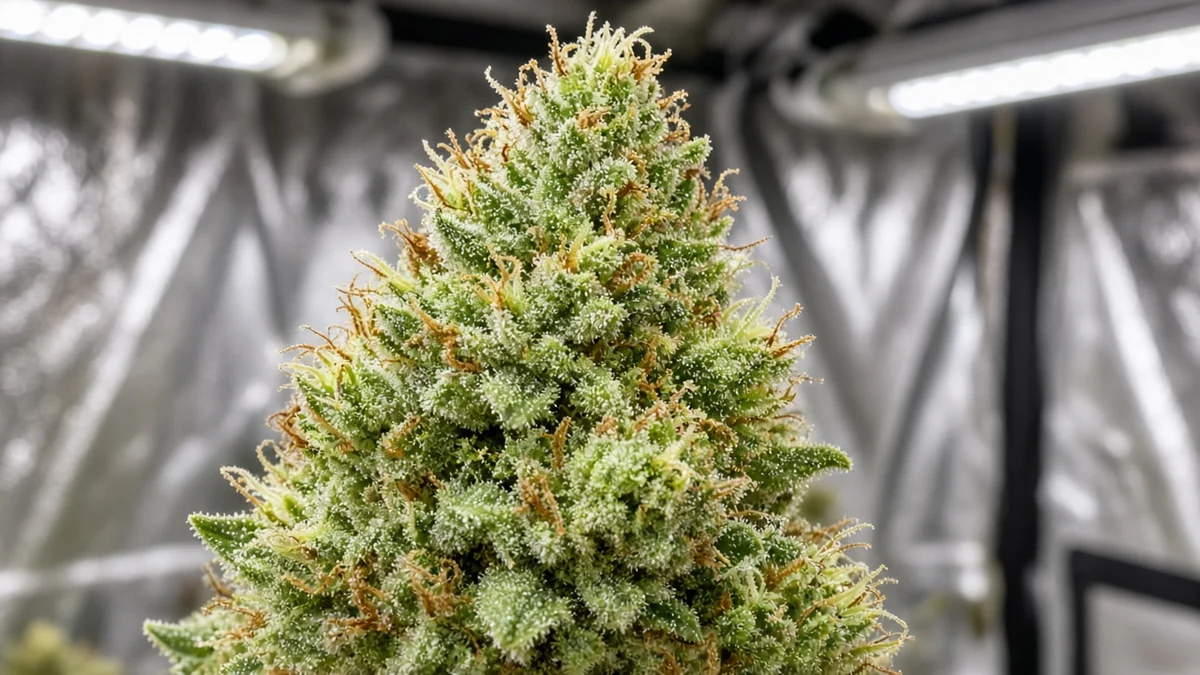
The Tamarindo strain is a hybrid that Phylos Bioscience lists as Green Fire and Grape Pie crossed with Lil Miss HS. The name is Spanish for tamarind, and the company ties it to the namesake candy: sweet, sour, savory, and a little funky. Expect grape and tangy citrus up front, diesel and earth underneath, a terpene profile commonly led by myrcene, caryophyllene, and limonene, and THC commonly listed from the mid-20s to around 30%.
What drew me in was the gap between the name and the aroma people describe. A lot of tropical-fruit strains lean candy-sweet. Tamarindo’s reputation is louder and stranger, with a gassy, sometimes chemical edge under the sweet-sour fruit, and a high that people often describe as uplifted and creative without getting heavy.
Seeds Here Now doesn’t carry Tamarindo. This review covers the consensus genetics, how it tends to smell, taste, and hit, and related seeds you can grow.
Tamarindo at a Glance
Strain Name: Tamarindo
Type: Hybrid, often described as sativa-leaning
Lineage: Green Fire/Grape Pie x Lil Miss HS (as listed by Phylos)
Breeder: Phylos Bioscience, which sells the feminized seed line
THC: Commonly listed from about 25% to around 30%
CBD: Typically listed below 1%
Top Terpenes: Myrcene, caryophyllene, and limonene, often with linalool and ocimene
Aromas: Sweet, sour, savory, funky, grape, citrus, and diesel
Flavors: Grape, tangy citrus, earth, diesel, and a savory finish some people describe as coffee-like
Effects: Uplifted, creative, euphoric, and focused, with a calm side
Flowering Time: Commonly eight to nine weeks
Best Known For: A sweet-sour, candy-named profile that still comes through funky and gassy
The short version: Most listings follow the Phylos cross, THC usually lands in the mid-20s to around 30%, and this compact, short-season hybrid has more funk than the name suggests.
Tamarindo Genetics
Phylos lists Tamarindo as Green Fire/Grape Pie crossed with Lil Miss HS, which I read as a Green Fire and Grape Pie plant used as one parent, then crossed with Lil Miss HS.
Green Fire, also sold as Green Fire OG, is commonly listed as Green Crack crossed with Fire OG. That would bring a citrus, lemon-lime side and an OG backbone. For more on that Green Crack side, see our Green Crack strain review.
The Grape Pie side is the more straightforward fruit parent. Our Grape Pie strain review covers it as Cherry Pie x Grape Stomper, which fits the grape note a lot of Tamarindo descriptions mention.
Lil Miss HS is the least documented parent. Phylos uses it in other production lines, but I couldn’t find a reliable public breakdown of its own parents, so I won’t invent one here.
Not every menu agrees. At least one retailer listing has described Tamarindo as Purple Fig Animal Mints crossed with Sour Diesel BX2, which is a different family tree. Some strain databases still treat the origins as largely unknown. The Phylos formula is the one stated by the company that sells the seed, and it’s the one most dispensary write-ups repeat. If the parents matter to you, check the label.
What’s in a Name: Candy, Fruit, and Funk
Tamarindo is the Spanish word for tamarind, the sour, sticky fruit. In Mexico, tamarindo also points to a sweet-sour-chili candy, which is the comparison Phylos makes.
That naming is half the story. The fruit and candy idea sets you up for tropical sweetness, but the strain’s reputation is more savory and gassy than a fruit-stand name usually is. That tension is what makes the write-ups interesting to me: grape and citrus on top, funk and diesel underneath.
How Strong Is Tamarindo?
Tamarindo is a high-THC hybrid. Listed figures commonly run from about 25% to around 30%. Phylos puts its average around 28%, plus or minus a couple of points, and some retail flower has tested a little under or a little over that.
That spread is normal. Potency can shift with:
- Phenotype and cut
- Growing conditions
- Harvest timing
- Drying and curing
- Lab methodology
- Product type
The number that matters for a specific jar is on its certificate of analysis. This still isn’t a strain for a newcomer to rush. If you want high-THC genetics in your own garden, our guide to high-THC cannabis seeds is a good place to start.
Appearance, Aroma, and Flavor
This is where Tamarindo makes its case, and it isn’t a one-note tropical strain.
Appearance
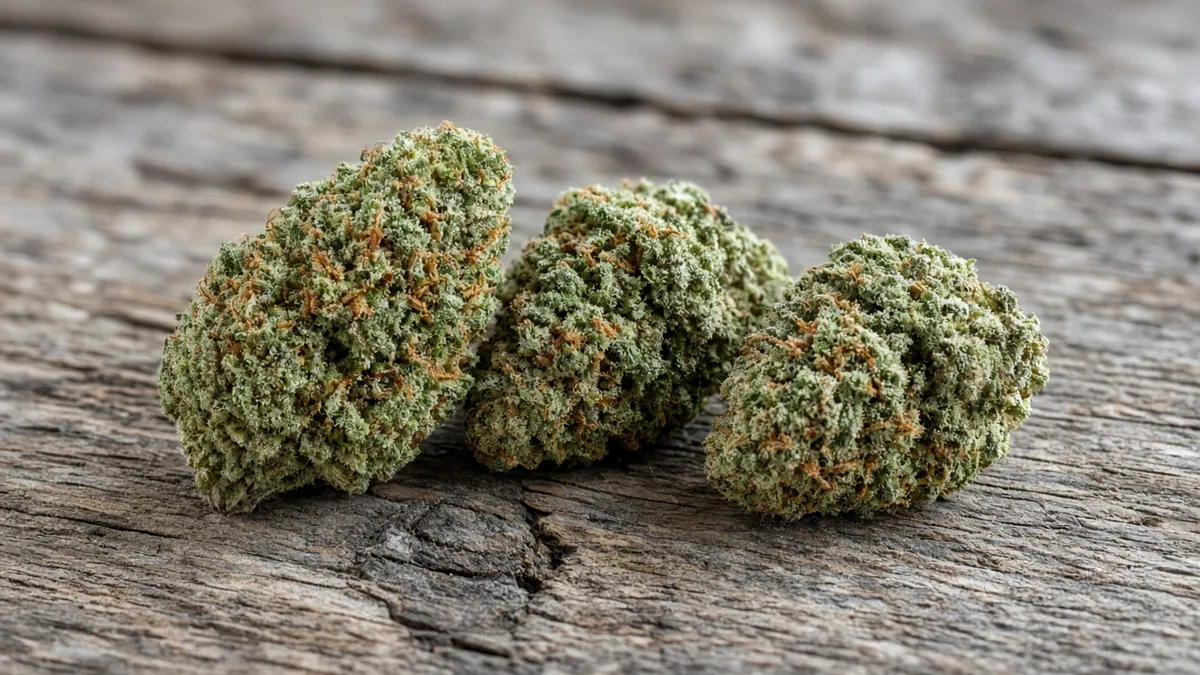
Reports describe dense, frosty buds in bright to mid-green, with orange pistils and, in some lots, amber or yellow highlights. Medium to large, somewhat triangular flowers come up in at least one detailed flower review. Color and frost always depend on the grower as much as the genetics.
Aroma
The nose is sweet and sour at once, with grape and tangy citrus up front and a funky, savory layer underneath. Broken buds often throw diesel, earth, and a peppery or chemical note. Some descriptions add a coffee-like finish.
If I were telling a grower what to expect, I’d say the reports start with fruit, then funk, not straight candy.
Flavor
The flavor follows the nose: grape, diesel, and earth are the notes that come up most often, with tropical sweetness, sour tang, and a savory exhale. It can read as tamarind-like in a tart, sticky-fruit way, not as a dessert strain.
What I like in the flavor notes is the unsweetened edge. The diesel and earth that keep coming up would keep the grape from turning syrupy, which fits a myrcene- and caryophyllene-led terpene list better than a pure fruit cocktail would.
Tamarindo Terpene Profile
Myrcene, caryophyllene, and limonene are the terpenes named most often, with linalool and ocimene also listed. Total terpene content on Phylos’s page is about 2.1%, plus or minus 1%. Exact order and amounts can vary by batch.
Myrcene
Myrcene is commonly associated with earthy, musky, and ripe fruit aromas, which fits the sour fruit and earth.
Caryophyllene
Caryophyllene is commonly associated with pepper and spice, which likely explains the peppery edge people mention on the exhale.
Limonene
Limonene is commonly associated with citrus, which lines up with the tangy, bright top notes.
Linalool and ocimene also show up as supporting terpenes, often tied to floral, herbal, or sweet green notes.
Terpenes shift with the cut, the grow, harvest timing, curing, and storage. Two genuine Tamarindo batches can test with a different lead terpene. If terpenes matter to you, check the batch’s certificate of analysis.
Tamarindo Effects
Tamarindo’s effects lean upbeat and clear, with a calm layer underneath. Effects are subjective and never guaranteed, but this is how it tends to go.
Onset
Expect an uplifted, clear-headed start. Creative, focused, happy, and euphoric come up often.
What stands out to me is how often “calm” or “balanced” shows up next to “uplifted.” The reputation isn’t for a racy, wired sativa feeling. It’s for a functional lift that stays fairly even.
Body Feel
There’s a relaxed physical side, and a few reviews describe it getting heavier later or at a larger amount. Dose, tolerance, and batch usually decide which side shows up.
Best Time of Day
With an uplifting, clear-headed reputation, it tends to suit daytime or early evening better than a lights-out strain. Larger amounts of any high-THC strain can feel heavier, so start small.
Possible Side Effects
As with other high-THC hybrids, dry mouth, dry eyes, and feeling anxious can come up. It’s best approached slowly, especially by newer consumers.

What I Noticed Digging Into Tamarindo
A few things stood out to me while digging into what’s been written about this strain.
A Candy Name With a Savory Finish
Tamarindo is named for a sour fruit and, in Phylos’s telling, a candy. A lot of written descriptions still lead with tropical fruit, but the more useful part of the profile is the savory, gassy, sometimes chemical layer underneath. If you like grape and citrus with diesel and funk, you’re closer to what people actually report.
One Name, More Than One Family Tree
The Phylos seed line is easy to document. The same name has also appeared on at least one menu with unrelated parents. When a strain name travels faster than a single pack, the label matters more than the nickname.
How I’d Vet a Tamarindo Listing
If someone asked me how to check a Tamarindo listing, this is what I’d tell them:
- Look for a named source, ideally Phylos, not just the strain name
- Check whether the parents match Green Fire/Grape Pie x Lil Miss HS
- Be cautious if the listing uses a different cross
- Look for a certificate of analysis for the specific batch, including terpenes when they’re tested
- Be cautious when the description matches another site word for word
Growing Tamarindo
Most of the grow data comes from Phylos’s production-seed listing, not from a wide set of independent grow logs.
Expect a flowering time of eight to nine weeks. Phylos describes a compact, uniform plant with medium stretch, and lists it as a short-season outdoor variety that can run under controlled lighting or natural light. In its research greenhouse, Phylos lists a yield potential of 67 to 87 grams per square foot. That’s a controlled-environment figure, not a promise for every room.
What I’d tell a grower is that the selling point is consistency in a smaller footprint, not a lanky, hard-to-tame sativa frame.
Before growing any cannabis, check the laws where you live. Home cultivation is legal in some places and not in others.
How To Identify Genuine Tamarindo Genetics
The name alone isn’t enough, especially with at least one competing parentage in circulation.
Genuine seed from the widely sold line should point to Phylos Bioscience and list parents close to Green Fire/Grape Pie x Lil Miss HS. A pack that only says “Tamarindo,” or a menu that uses a different cross, is a different product. For flower, a certificate of analysis shows the batch’s actual THC and, when tested, its terpenes. A sweet-sour, grape, and diesel nose is what most descriptions of the Phylos version share.
Tamarindo is simply the Spanish word for tamarind. Similar fruit names don’t mean shared genetics, and an “El Tamarindo” or generic “tamarind” listing isn’t automatically the same plant.
Similar Strains and Related Genetics
Seeds Here Now doesn’t sell Tamarindo, but these in-stock seeds and reviews connect to parts of its family tree or share a similar sour-fruit-and-gas profile.
- Green Crack feminized seeds from Cali Connection: Green Crack is commonly listed as one parent of Green Fire, which Phylos uses in Tamarindo.
- Sour Grape Diesel feminized seeds from James Loud Genetics: not a Tamarindo relative, but a useful stand-in if you want grape, sour, and diesel in one profile.
- For citrus-forward cookie genetics, see our Tropicana Cookies Purple strain review.
Cannabis seeds are sold as novelty items and souvenirs. You must be 21 or older to buy them. Check the laws where you live before germinating any seeds.
For more options, browse our feminized cannabis seeds.
Final Thoughts
Tamarindo is a high-THC hybrid with a sweet-sour, grape-and-diesel profile and a more savory finish than its candy name suggests. The version most listings describe is the Phylos Bioscience line, built from Green Fire, Grape Pie, and Lil Miss HS.
Judge any Tamarindo product by its source, its lab report, and the flower itself, not by the name alone.
If I had to sum it up in one line, it’s a compact, candy-named hybrid whose reputation is more sour fruit and gas than dessert, and that’s what makes it worth knowing.
Frequently Asked Questions
Is Tamarindo Indica or Sativa?
Tamarindo is a hybrid. It’s often described as sativa-leaning, though some write-ups treat it as a balanced hybrid with a calm side.
How Strong Is Tamarindo?
THC is commonly listed from about 25% to around 30%. Check the lab results for the specific batch.
Who Bred Tamarindo?
Phylos Bioscience lists and sells Tamarindo as feminized production seed. That’s the source most listings follow. The original breeder of record isn’t always named separately, and at least one retailer has sold a different cross under the same name.
What Are Tamarindo’s Parents?
Phylos lists the cross as Green Fire/Grape Pie x Lil Miss HS. Green Fire is commonly listed as Green Crack x Fire OG. Some menus have used different parents, so check the label.
What Does Tamarindo Taste Like?
It tastes sweet and sour, with grape, diesel, and earth mentioned most often, plus tangy citrus and a savory or slightly funky finish.
Is Tamarindo a Good Daytime Strain?
It’s often described that way. Reviewers tend to report an uplifted, focused, and creative start with a calm layer. Effects vary, so start small.
Suggested Articles
 10 Nov 2026
 11 min read

;)
;)
;)
 November 10, 2026


RESPONSES (0)
No responses yet. Be the first to respond!