


Top 3 Germination Methods Compared: Pros and Cons
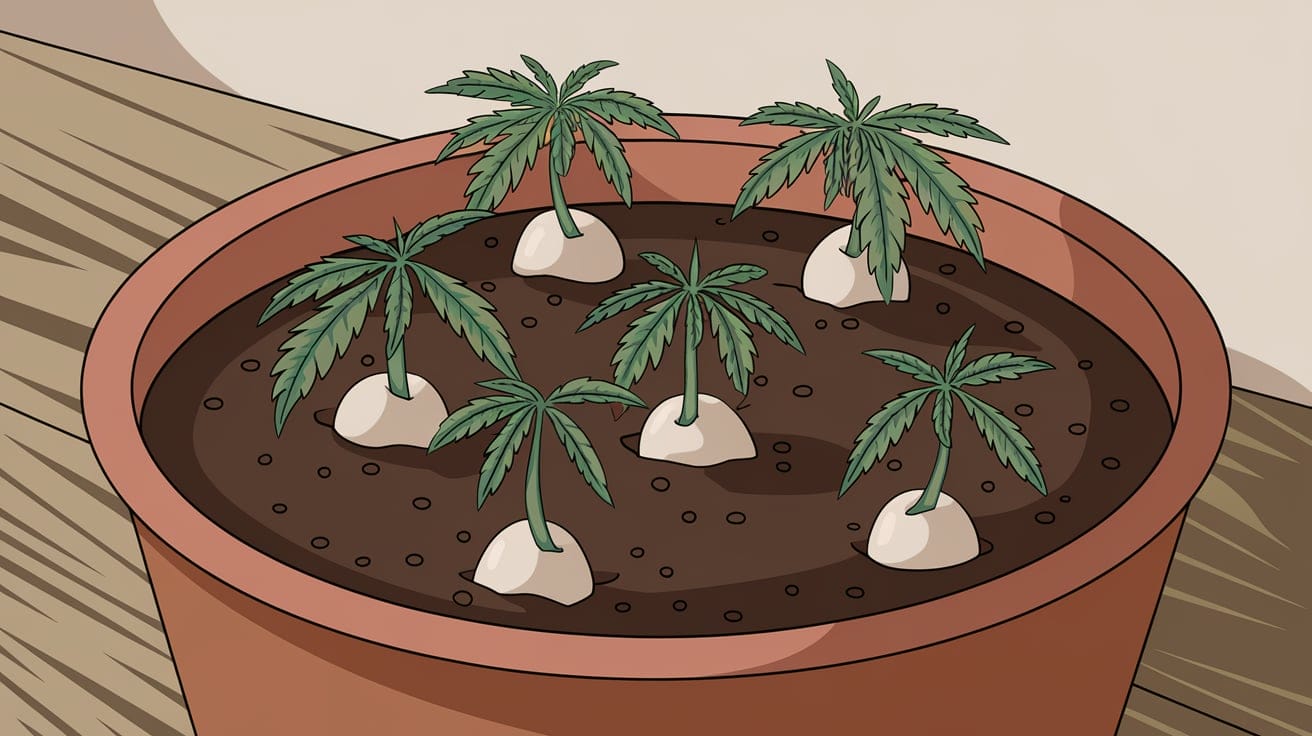
The three main germination methods compared are paper towel, soil and rockwool: paper towel is cheap and easy to monitor, soil avoids transplant shock, and rockwool suits hydroponic grows. Most seeds show a taproot in 1 to 5 days; plant about 0.5 inches deep. For adult growers 21+.
Germinating cannabis seeds successfully is the first step toward a healthy grow, but with different germination methods available, it can be challenging to know which is best. In this guide, we’ll compare the three most popular methods: paper towel, soil, and rockwool. Each method has unique benefits and drawbacks, and understanding these can help you choose the approach that best suits your grow setup and goals.
1. The Paper Towel Method
The paper towel method is a popular choice for cannabis germination. It’s simple, requires minimal materials, and allows you to closely monitor the germination process.
How It Works
Place seeds between two damp paper towels on a plate, cover with another plate or plastic wrap, and store in a warm, dark location. Check daily for moisture and the appearance of a taproot, which typically occurs within 1 to 5 days.
Pros of the Paper Towel Method
- Easy to Monitor: The paper towel method provides clear visibility, so you can check each seed’s progress and identify issues early.
- Low Cost: It requires only household materials (paper towels, plates, water).
- Quick Results: This method typically produces results within a few days if conditions are right.
Cons of the Paper Towel Method
- Handling Required: Once seeds sprout, they must be transferred to soil or another medium, which can damage the delicate taproot.
- Risk of Drying Out: Paper towels can dry out quickly, so daily monitoring is essential.
- Mold Risk: Without proper moisture control, paper towels can develop mold, which can harm seeds.
Best For
The paper towel method is ideal for beginners or anyone looking for an easy, inexpensive way to germinate seeds with high visibility.
2. Soil Germination
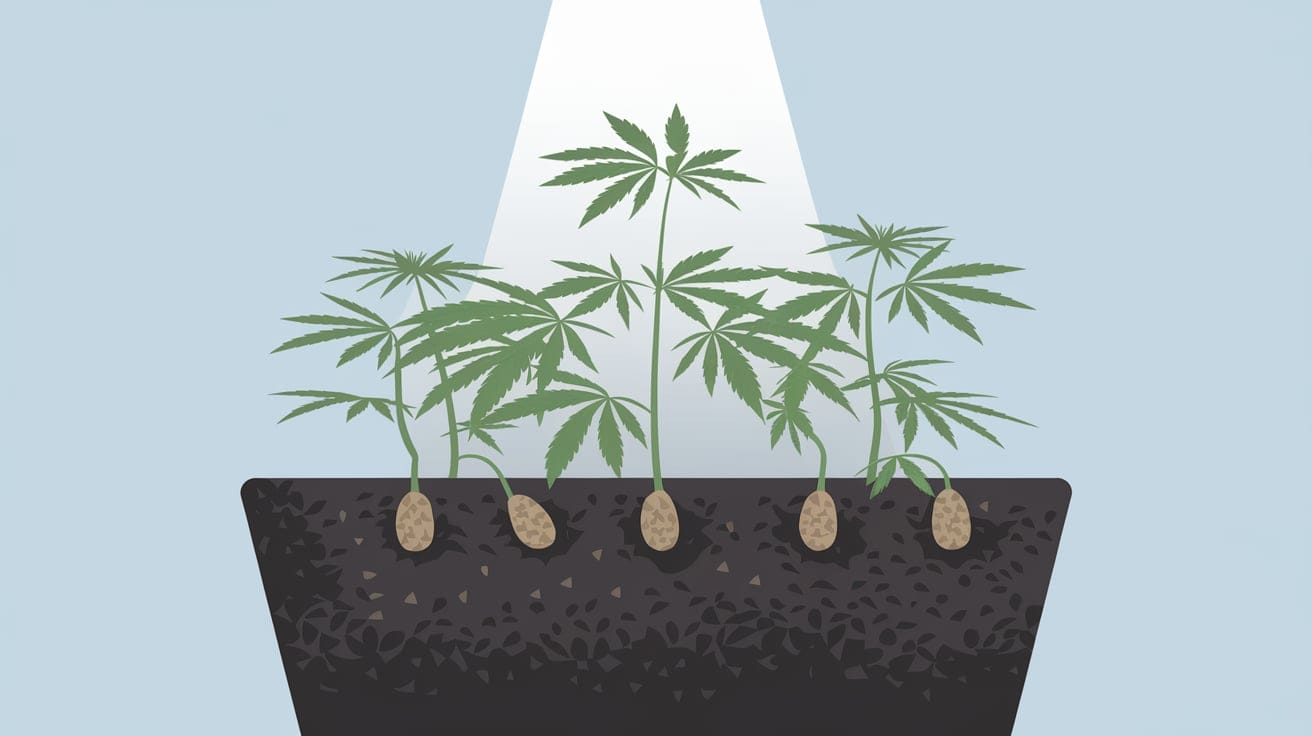
Soil germination involves planting seeds directly in soil, allowing them to sprout in a natural medium without needing to transfer them later.
How It Works
Place seeds in a small container with light, well-draining soil. Plant each seed about 0.5 inches deep, cover lightly, and water until the soil is moist. Keep the container in a warm, dark place, and water lightly as needed.
Pros of Soil Germination
- No Transplant Shock: Seeds sprout in their final medium, eliminating the need for handling and reducing the risk of transplant shock.
- Natural Environment: Soil provides nutrients and microbes that support root health and early seedling development.
- Simple Process: This method is straightforward, with no additional equipment needed beyond soil and pots.
Cons of Soil Germination
- Less Visibility: Since seeds are under the soil, it’s harder to monitor progress compared to the paper towel method.
- Higher Risk of Overwatering: Soil retains water longer than paper towels, so it’s easier to overwater, which can cause root rot or inhibit germination.
- Potential for Pests: Soil, especially if not sterilized, can harbor pests or mold that may affect young seedlings.
Best For
Soil germination is best for growers who prefer a natural growing medium and plan to continue growing in soil throughout the plant’s life cycle. It’s also a good choice for minimizing the handling of delicate seedlings.

3. Rockwool Germination
Rockwool is a sterile, fibrous growing medium often used in hydroponic setups. Its excellent water retention and aeration make it an effective choice for seed germination.
How It Works
Pre-soak rockwool cubes in pH-adjusted water (around 5.5-6.5), place a seed in each cube, and store the cubes in a warm, dark area. Keep the cubes moist but not soaked until the seeds sprout.
Pros of Rockwool Germination
- High Water Retention: Rockwool holds moisture well, reducing the need for frequent watering.
- Sterile Medium: Free from pests and pathogens, rockwool creates a clean, disease-resistant environment for germination.
- Excellent Oxygen Flow: The fibrous structure of rockwool promotes aeration, which supports healthy root development.
Cons of Rockwool Germination
- Requires pH Adjustment: Rockwool has a naturally high pH, so it must be soaked in pH-adjusted water before use.
- Environmental Impact: Made from synthetic materials, rockwool is not biodegradable and requires special disposal.
- Handling Precautions: Rockwool fibers can irritate skin and respiratory systems, so handling with gloves is recommended.
Best For
Rockwool is an excellent choice for hydroponic growers or those looking for a sterile, low-maintenance germination option. It’s especially beneficial for growers planning a hydro setup since rockwool cubes transition easily into hydroponic systems.
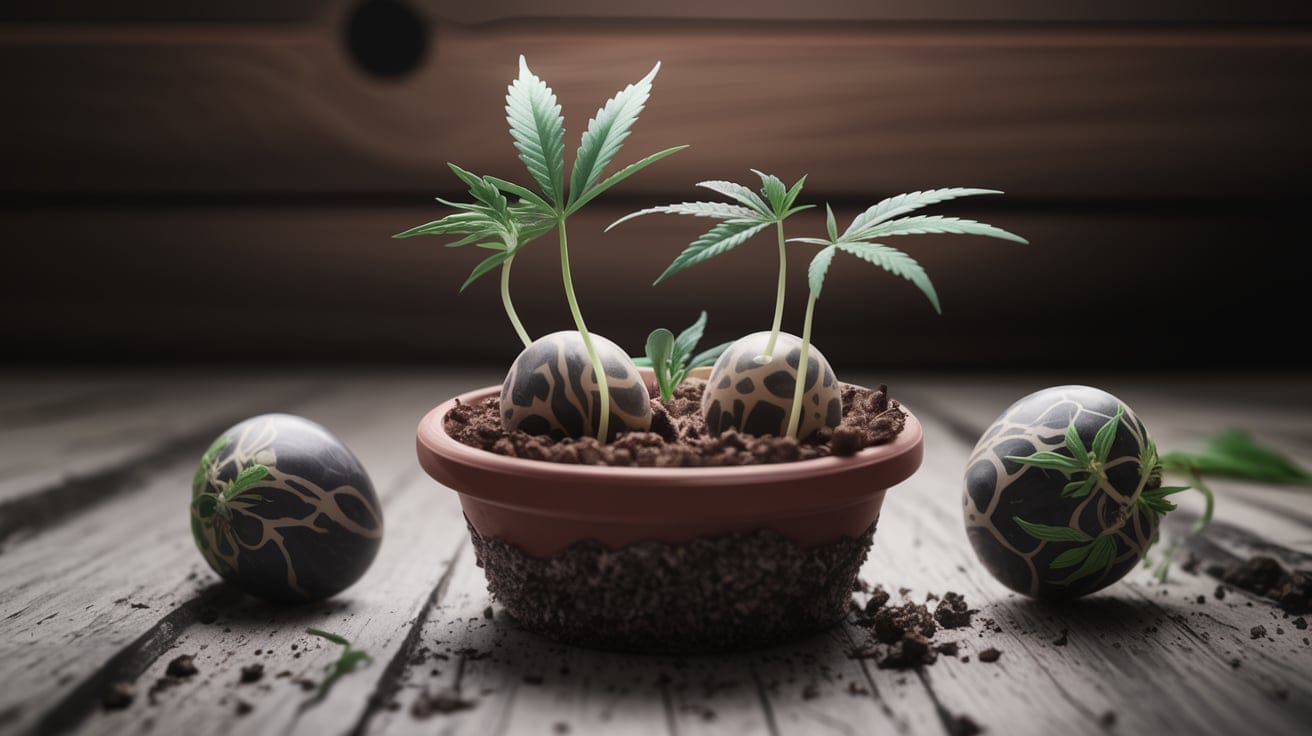
Comparison Table: Paper Towel vs. Soil vs. Rockwool
| Method | Pros | Cons | Best For |
| Paper Towel | Easy to monitor; low cost; quick results | Requires handling; risk of drying out or mold | Beginners, budget-conscious growers |
| Soil | No transplant shock; natural nutrients; easy process | Less visibility; risk of overwatering; potential pests | Soil-based grows, natural growing environments |
| Rockwool | High water retention; sterile; good aeration | Needs pH adjustment; non-biodegradable; handling required | Hydroponic systems, sterile setup |

Which Germination Method Should You Choose?
Each germination method offers unique advantages and suits different grow setups. Here’s a quick recap to help you choose the best method:
- Choose the Paper Towel Method If: You want to closely monitor germination, prefer a low-cost, low-equipment option, and don’t mind transferring sprouted seeds.
- Choose Soil Germination If: You’re planning a soil-based grow, prefer a natural environment for your seedlings, and want to avoid transplanting.
- Choose Rockwool If: You’re setting up a hydroponic grow, want a sterile, low-maintenance medium, and don’t mind handling pH adjustments.
By understanding the pros and cons of various germination methods, you can select the one that aligns best with your goals and growing environment, ensuring your cannabis seeds have a strong start.
Thank you for reading! If you’re looking for high-quality cannabis clones, be sure to check out our sister site at IWantClones.com. For more information on this and other related topics, don’t miss my Ultimate Guide to Cannabis Germination.
Happy growing!
James Bean
Germination methods compared: Further Reading
New to germination methods compared? The sections above work from start to finish, and experienced growers can jump to the parts they need. For more on germination methods compared, these related Seeds Here Now guides go deeper: seed germination methods, germination methods, moisture's role in seed germination. For background reading, see Germination (Wikipedia).
To put this into practice, browse our feminized cannabis seeds, autoflower seeds, cannabis clones. Every listing names the breeder and lineage so you can match the genetics to your space and your goals.
Germination Methods FAQ
What are the three main germination methods?
Paper towel, soil and rockwool.
Which germination method is best for beginners?
The paper towel method is a good fit for beginners and budget-conscious growers: it is low cost and easy to monitor.
How long do cannabis seeds take to germinate?
Most seeds show a taproot within 1 to 5 days.
How deep should germinated seeds be planted?
Plant each seed about 0.5 inches deep, cover lightly and water until the soil is moist.
Key Facts About Germination Methods
| Paper towel | Easy to monitor, low cost; risk of drying out or mold |
|---|---|
| Soil | No transplant shock, natural nutrients; less visibility |
| Rockwool | Best for hydroponic setups |
| Time to taproot | Usually 1 to 5 days |
| Planting depth | About 0.5 inches |
| Where to buy | Seeds Here Now, authentic breeder packs for adults 21+ |
Suggested Articles

 12 Nov 2026
 12 min read
;)
;)
;)
 November 18, 2024


RESPONSES (0)
No responses yet. Be the first to respond!