


How To Identify High-Quality Cannabis Seeds
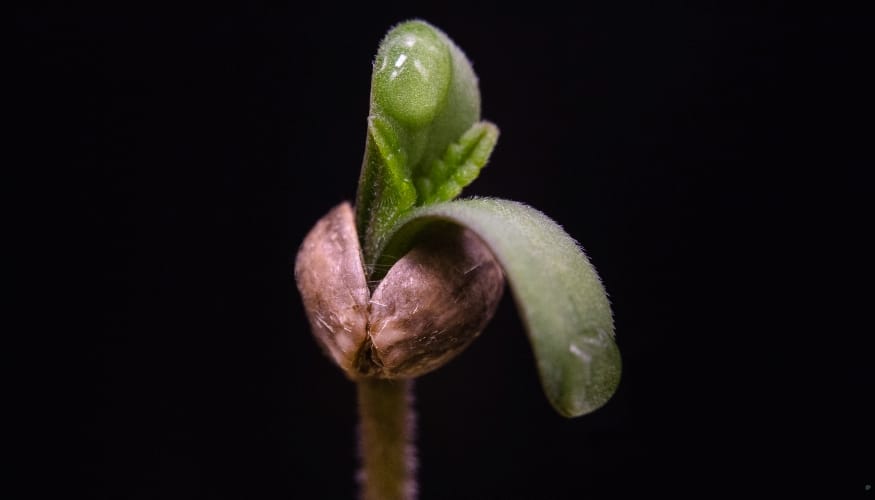
However, not all cannabis seeds are created equal, and distinguishing the best from the rest can be challenging. With the growing popularity of marijuana cultivation, both for personal and commercial use, understanding what constitutes a high-quality seed has become increasingly important. This knowledge can make the difference between a bountiful harvest and a disappointing yield.
In this comprehensive guide, we will explore the essential characteristics that define top-tier cannabis seeds. From visual cues like color and size to advanced techniques such as genetic testing, we will cover all aspects of identifying high-quality seeds. Whether you are a novice grower or an experienced cultivator, these insights will help you make informed decisions when purchasing and planting cannabis seeds. By investing time in selecting the best seeds, you are setting the stage for a successful and rewarding growing experience. Let’s dive into the world of cannabis seeds and learn how to pick the cream of the crop.
Key Takeaways
- Identifying high-quality seeds is critical for achieving desired cultivation outcomes.
- Key indicators such as appearance, hardness, and germination rates determine the potential of cannabis seeds.
- Performing simple viability tests, like the float test, can save time and resources in the long run.
- Choosing reputable sources when buying seeds ensures access to superior cannabis genetics.
- Germination is the definitive proof of a seed’s quality and genetic vitality.
Understanding the Importance of Seed Quality in Cannabis Cultivation
The quality of cannabis seeds is a critical factor that influences the overall success of your cannabis cultivation. Starting with high-quality seeds sets the foundation for a healthy and productive grow cycle. Here’s why focusing on seed quality is so essential:
Healthy Growth and Development
High-quality cannabis seeds are genetically predisposed to grow into robust plants. They have the necessary traits to resist pests and diseases, which are common challenges in cannabis cultivation. Healthy seeds produce vigorous plants with strong stems and branches, capable of supporting dense, resinous buds.
Consistent and Predictable Outcomes
Seeds from reputable sources are bred for stability, ensuring that the plants they produce exhibit consistent traits. High-quality seeds ensure uniformity in plant height, flowering time, and cannabinoid content, making it easier to manage and harvest your crop efficiently. Consistency in your plants leads to a more reliable product, which is especially important for maintaining customer satisfaction in a commercial setting.
These seeds are carefully bred to enhance desirable traits such as high THC or CBD levels, rich terpene profiles, and large, dense buds.
Reducing Cultivation Risks
Cannabis cultivation comes with various risks, including pest infestations, mold, and poor weather conditions. High-quality seeds have a better chance of withstanding these challenges due to their genetic robustness. By starting with the best seeds, you minimize the risk of crop failure and enhance the overall resilience of your plants.
Enhancing Breeding Programs
For those interested in breeding new cannabis strains, starting with high-quality seeds is essential. Superior seeds provide a strong genetic foundation for creating new varieties with enhanced traits.
By prioritizing seed quality, you invest in a smoother, more productive, and ultimately more rewarding cultivation experience.
| Seed Quality Aspect | Benefits in Cannabis Cultivation |
|---|---|
| High Germination Rate | Ensures a good start with more plants sprouting from your seed investment |
| Genetic Stability | Faithful expression of the plant’s characteristics, such as growth patterns and bud quality |
| Resistance to Disease | Plants are hardier and more capable of warding off diseases, reducing crop loss |
Assessing Cannabis Seed Appearance: A Visual Guide
Evaluating the appearance of cannabis seeds is one of the most straightforward and effective methods to determine their quality. Here is a detailed guide on how to assess cannabis seed appearance:
Color and Maturity
Dark Brown or Black Seeds
High-quality cannabis seeds typically have a dark brown or black color. These mature seeds often exhibit a glossy finish and might have a marbled or tiger stripe pattern. The dark coloration indicates that the seeds have fully matured and developed the necessary internal structures for successful germination and growth.
Pale, Green, or White Seeds
In contrast, seeds that are pale, green, or white are usually immature. These seeds have not fully developed and lack the nutrients and genetic material needed for healthy growth. Immature seeds are unlikely to germinate or produce strong plants, making them unsuitable for serious cultivation efforts.
Size and Shape
Large and Well-Rounded Seeds
Good cannabis seeds are generally large and well-rounded. A seed’s size and shape tend to reflect its maturity and health. Well-formed seeds have a smooth, unblemished surface, indicating that they have developed fully and are ready for germination.
Small or Misshapen Seeds
Small, misshapen, or cracked seeds are typically of lower quality. These seeds may not have developed properly and are less likely to produce strong, healthy plants. Misshapen seeds often lack the necessary energy reserves and genetic material for robust growth.
Shell Integrity
Intact Shell
The outer shell of a high-quality cannabis seed should be intact and free of any cracks or holes. A strong, unbroken shell protects the embryonic plant inside and provides the necessary nutrients for the initial stages of growth. Shell integrity is crucial for ensuring that the seed can germinate and develop into a healthy plant.
Cracked or Damaged Shell
A cracked or damaged shell compromises the seed’s ability to germinate successfully. Visually inspecting the shell for any signs of damage is essential in assessing seed quality.
Surface Texture
Smooth and Glossy Finish
High-quality seeds often have a smooth and glossy finish. This surface texture indicates that the seed is mature and has been properly handled and stored. The glossy appearance is a sign that the seed’s protective outer layer is intact and capable of safeguarding the embryonic plant.
Rough or Dull Surface
Seeds with a rough or dull surface may be of lower quality. These seeds might have been exposed to adverse conditions or mishandled during harvesting and storage. A rough or dull surface can indicate that the seed is damaged or immature, reducing its viability.
Weight and Density
Heavy and Dense Seeds
High-quality seeds tend to be heavier due to their fully developed embryos and nutrient reserves. A seed’s weight and density are good indicators of its quality. Heavier seeds are more likely to contain the energy reserves needed to sustain the seedling until it can produce its own energy through photosynthesis.
Light and Airy Seeds
These seeds may not have fully developed, resulting in insufficient nutrient reserves and a lower likelihood of germination. The weight of the seed is an important factor in determining its overall quality and viability.
Visual Patterns and Markings
Marbled or Tiger Stripe Patterns
Many high-quality cannabis seeds exhibit distinctive marbled or tiger stripe patterns. These markings indicate maturity and that the seed has developed properly. The presence of these patterns can be a useful visual cue when selecting seeds for cultivation.
Uniform Color and Texture
A high-quality seed will have a uniform color and texture without any visible cracks or blemishes. Consistency in appearance is a key indicator of a seed’s health and readiness for germination. Uniform color and texture suggest that the seed has been properly matured and stored, increasing its chances of successful growth.
By using these visual cues, growers can effectively assess the quality of their cannabis seeds. Paying close attention to color, size, shape, shell integrity, surface texture, weight, and visual patterns can help ensure that only the best seeds are selected for cultivation. This careful selection process is crucial for achieving a successful and rewarding cannabis growing experience.

Characteristics of Healthy Cannabis Seeds: Hardness and Durability
Hardness
One of the primary characteristics of healthy cannabis seeds is their hardness. This firmness indicates that the seed has a fully developed embryo and nutrient reserves, which are essential for successful germination and early growth. When you apply gentle pressure to a healthy seed, it should not crack or crumble easily. The hard shell provides a protective barrier that safeguards the embryonic plant from external damage and pathogens.
Testing Seed Hardness
To test the hardness of cannabis seeds, you can perform a simple squeeze test. Hold the seed between your thumb and forefinger and apply gentle pressure. A high-quality seed will resist this pressure and remain intact. If the seed cracks or breaks easily, it is likely of poor quality and may not germinate successfully. While this method is not foolproof, it is a quick and effective way to assess the general health and viability of your seeds.
Durability
Resistance to External Damage
Durability is another crucial characteristic of healthy cannabis seeds. Durable seeds have a tough outer shell that protects the internal embryo from physical damage during handling, transportation, and planting. This resilience is particularly important in ensuring that the seed remains viable from the moment it is harvested until it is ready to be planted.
Survival Through Adverse Conditions
Durable cannabis seeds can also survive through various adverse conditions, such as fluctuations in temperature and humidity. Properly matured and well-stored seeds maintain their integrity and viability even when exposed to less-than-ideal environmental conditions. This durability ensures that the seeds remain healthy and ready for germination when the right conditions are met. High-quality seeds from reputable sources are often bred and processed to enhance their durability, making them more reliable for growers.
Growing great plants starts with the right seeds. The physical qualities of seed hardness and seed durability are at the base of growing healthy young plants. These traits lead to successful cannabis plants.
Performing the Float Test To Verify Seed Viability
The float test is a simple and quick method to assess the viability of cannabis seeds. By observing how seeds behave in water, growers can determine which seeds are likely to germinate successfully. Here’s a step-by-step guide on how to perform the float test and interpret the results:
Materials Needed
- A glass or container of room-temperature water
- The cannabis seeds you want to test
Step-by-Step Guide
1. Fill the Container with Water
Start by filling a glass or a container with room-temperature water. It’s important that the water is not too cold or too hot, as extreme temperatures can affect the accuracy of the test.
2. Place the Seeds in the Water
Gently drop the cannabis seeds into the container of water. Make sure the seeds are not crowded and have enough space to move freely.
3. Wait and Observe
Allow the seeds to sit in the water for a period of one to two hours. During this time, observe the behavior of the seeds. Viable seeds will typically sink to the bottom of the container, while non-viable seeds will float on the surface.
4. Interpret the Results
After the waiting period, check the position of the seeds:
- Sinking Seeds: Seeds that sink to the bottom are generally considered viable. These seeds have a higher likelihood of germinating successfully because their density indicates they are mature and filled with the necessary nutrients and genetic material.
- Floating Seeds: Seeds that remain floating on the surface are likely non-viable. Floating indicates that the seeds may be immature, empty, or have compromised integrity, making them less likely to germinate and grow into healthy plants.
Additional Considerations
Timing and Conditions
It’s important not to leave the seeds in the water for too long. A one- to two-hour period is typically sufficient for this test.
Follow-Up Steps
After performing the float test, it is advisable to plant the viable, sinking seeds promptly. Seeds that have been soaked in water for any period are more prone to starting the germination process. If you are not ready to plant immediately, ensure the seeds are thoroughly dried before storage to prevent mold and degradation.
It is important to note that, although the float test is a useful preliminary method to gauge seed viability, it is not foolproof. Some viable seeds may float due to air pockets or other factors, and some non-viable seeds may sink. Therefore, it is best to use the float test in conjunction with other methods of assessing seed quality, such as visual inspection and hardness testing.
Buying Cannabis Seeds: Recognizing Reputable Sources
Selecting the right source for purchasing cannabis seeds is crucial to ensuring the quality and success of your grow. Here’s how to recognize and choose trustworthy sources for buying cannabis seeds:
- Seek out seed banks that provide detailed strain information.
- Read reviews and testimonials of other growers’ experiences.
- Compare seed selection across multiple reputable seed banks.
When you buy cannabis seeds from reputable sources, you’re setting yourself up for success. High-quality seeds lead to healthy, plentiful cannabis gardens. Choosing the best seeds means your crop is primed to thrive.

Germination Is the Ultimate Test for Seed Quality
The ultimate test of cannabis seed quality is its ability to germinate successfully. Germination is the process by which a seed sprouts and begins to grow into a new plant. There are various methods to germinate cannabis seeds, each with its advantages and best practices. Two popular techniques are the direct soil method and the paper towel method. Both methods can help you assess the viability and quality of your cannabis seeds.
Direct Soil Method
The direct soil method is a straightforward and natural way to germinate cannabis seeds. It mimics the natural environment where seeds would typically sprout.
Materials Needed
- Cannabis seeds
- Small pots or seedling trays
- High-quality seedling soil or a light potting mix
- Water
- A small trowel or spoon
Steps
1. Prepare the Soil
Fill small pots or seedling trays with high-quality seedling soil or a light potting mix. The soil should be loose, well-draining, and rich in nutrients to support the seedling’s growth.
2. Plant the Seeds
Make a small hole in the soil about 1/4 inch (0.6 cm) deep using a trowel or your finger. Place the cannabis seed in the hole with the pointed end facing down. Cover the seed lightly with soil.
3. Water the Soil
Moisten the soil gently with water. Ensure the soil is damp but not waterlogged, as overly wet conditions can cause the seed to rot.
4. Maintain Optimal Conditions
Place the pots or trays in a warm, dark environment. The ideal temperature for germination is between 70 and 85°F (21-29°C). Keep the soil consistently moist by misting it with water as needed.
5. Monitor Germination
Within a few days to a week, you should see the seedlings emerge from the soil. Once the seedlings have sprouted, move them to a location with ample light, such as under grow lights or near a sunny window.
Paper Towel Method
The paper towel method is another popular technique for germinating cannabis seeds. It allows growers to closely monitor the seeds during the germination process.
Materials Needed
- Cannabis seeds
- Paper towels
- Two plates or a plastic container with a lid
- Water
- Tweezers (optional)
Steps
1. Prepare the Paper Towels
Take two paper towels and moisten them with water. The towels should be damp but not dripping wet.
2. Place the Seeds
Lay one of the damp paper towels on a plate or inside the plastic container. Place the cannabis seeds on the paper towel, spacing them apart to prevent the roots from tangling. Cover the seeds with the second damp paper towel.
3. Create a Humid Environment
Cover the plate with another plate or close the lid of the plastic container to create a humid environment. This helps maintain moisture levels, which are crucial for germination.
4. Maintain Optimal Conditions
Place the covered plate or container in a warm, dark location. The ideal temperature range for germination is 70 to 85 degrees Fahrenheit (21-29°C). Check the paper towels regularly to ensure they remain damp. If they start to dry out, mist them with water.
5. Monitor Germination
Within 24 to 72 hours, you should see the seeds begin to crack open and tiny roots emerge. Carefully transplant the germinated seeds into the soil or another growing medium once the roots are about 1/4 to 1/2 inch (0.6 to 1.3 cm) long.
Interested in the best germination method? Look at this comparison table:
| Criteria | Direct Soil Germination | Paper Towel Method |
|---|---|---|
| Setup Complexity | Low – seeds go straight into soil | Low – needs paper towels and plates |
| Monitoring Ease | Hard – germination is out of sight | Easy – you can see how seeds are doing |
| Risk of Transplant Shock | Little – seed starts where it’ll grow | Some – moving the seeds requires care |
| Time to Germinate | Depends on seed quality and soil | Could be faster in the right conditions |
Germination is the ultimate test of cannabis seed quality, as it reveals the seed’s ability to sprout and develop into a healthy plant. Both the direct soil method and the paper towel method are effective techniques for germinating cannabis seeds. The direct soil method is simple and mimics natural conditions, while the paper towel method allows for close monitoring of the germination process. By successfully germinating your seeds, you can ensure you are starting your grow with the best possible foundation for healthy, vigorous plants.
Feminized and Autoflower Cannabis Seeds: Special Considerations
When it comes to growing cannabis, selecting the right type of seeds is crucial for achieving your cultivation goals. Feminized and autoflower cannabis seeds are two popular options that offer distinct advantages, catering to different growing preferences and environments. Understanding the differences between these seed types will help you make an informed decision and optimize your growing experience.
Advantages of Choosing Feminized Seeds
Feminized cannabis seeds are specifically bred to produce only female plants. Growers prize female cannabis plants because these plants produce resinous buds rich in cannabinoids such as THC and CBD. By using feminized seeds, growers can eliminate the guesswork and labor associated with identifying and removing male plants, which do not produce buds and can pollinate females, resulting in seeded, lower-quality buds.
- Guaranteed female plants
- Maximized grow space efficiency
- No need for sexing plants
- Consistency in crop quality
Understanding Autoflower Cannabis Seed Traits
Autoflower cannabis seeds are bred to flower automatically based on age, rather than changes in the light cycle. Originating from the Cannabis ruderalis subspecies, autoflowering strains begin to flower within two to four weeks of planting, regardless of the light schedule. This trait makes autoflower seeds particularly appealing for growers looking for a fast and straightforward growing process.
- Shorter overall growth cycle
- Resilience and suitability for various climates
- Ideal for continuous harvest strategies
- Reduced energy requirements for indoor grows
Choosing between feminized and autoflower seeds depends on your needs and preferences. Knowing their benefits helps growers pick the best seeds for their goals.

Related Seeds in Our Catalog
These listings from the Seeds Here Now catalog connect to quality cannabis seeds. Each one names the breeder, so you know exactly whose genetics you are looking at.
| Listing | Breeder | Type |
|---|---|---|
| Nepal Jam (Feminized) | Ace Seeds | Feminized |
Pack sizes and releases change as breeders drop new batches, so open each listing for the current details.
How to Read a Seed Pack Label
Most breeder labels show the strain name, the breeder, the seed type and the seed count. Feminized and autoflower packs are marked as such, and regular packs contain a natural mix of male and female seeds. Many labels also print the cross, for example “Parent A x Parent B”, plus a filial marker such as F1, F2, S1 or BX.
F1 is a first-generation cross of two distinct parents, S1 is a line made from a single parent and BX is a cross back to one of the original parents. These details tell you far more about a pack than its name alone.
Feminized, Regular or Autoflower Seeds?
Feminized seeds are bred to produce female plants, which keeps things simple when space is limited. Regular seeds produce males and females and are the choice for anyone who wants to make their own crosses. Autoflowering seeds flower on their own timeline regardless of light hours, which suits short seasons and quick indoor runs.
Browse our feminized, regular and autoflower seeds to compare options.
How to Spot Genuine Breeder Packs
Well-known names get copied. Genuine breeder packs have consistent printing, a clear breeder name or logo and a sealed closure, and many carry a batch code or security sticker. Blurry artwork, misspelled names or loose seeds in a plain bag are warning signs.
The simplest protection is buying sealed packs from a seed bank that names the breeder on every listing.
Storing Seeds Until You Plant
Seeds stay viable longest when they are kept cool, dark and dry. Leave them in the sealed pack, place the pack in an airtight container with a food-safe desiccant packet, and store it somewhere with a steady temperature.
Label each container with the strain, breeder and purchase date, and let it warm to room temperature before opening so moisture does not condense on the seeds.

Choosing a Seed Bank You Can Trust
A trustworthy seed bank names the breeder and lineage on every listing, sells sealed breeder packs rather than anonymous loose seeds, and answers questions about where its stock comes from. Clear listings make it easy to compare releases and pick the right genetics for your space.
Seeds Here Now lists the breeder on every pack, so you always know whose work you are buying.
Germinating Seeds: A Simple Method
The paper towel method is the easiest way to start most seeds. Place them between two damp paper towels on a plate under an upturned bowl, keep them warm, around 70°F to 80°F, and check once a day.
Once a taproot appears, plant the seed about a quarter to half an inch deep in a light starter medium with the root pointing down, and give the seedling gentle light as soon as it breaks the surface.
Indoor or Outdoor: Choosing Where to Grow
Indoors you control light, temperature and humidity, which makes it easier to keep dense flowers clean and to time the harvest. Outdoors you trade that control for free sunlight and bigger plants, but you need a season long enough for the variety to finish before cold, wet weather arrives.
Check the breeder’s flowering time for the seeds you choose against your first expected autumn rain or frost. If the numbers are tight, an indoor run, a greenhouse or an autoflower version is usually the safer choice.
Conclusion
Identifying high-quality cannabis seeds is the cornerstone of a successful cultivation journey. Choosing reputable sources for purchasing seeds ensures you start with genetically stable and healthy seeds. Additionally, understanding the differences between feminized and autoflower seeds allows you to select the best type for your specific needs and growing conditions. Armed with this comprehensive knowledge, you are well-equipped to embark on a rewarding cannabis cultivation experience, leading to bountiful harvests and high-quality buds.
FAQ
How do I identify high-quality cannabis seeds?
High-quality cannabis seeds show their worth through how they look. You can check color, shape, size, and signs of health. Buying seeds from respected places ensures you get good genetics.
Why is seed quality important in cannabis cultivation?
Seed quality greatly influences cannabis growth. It impacts germination, plant stability, and health. With better seeds, plants grow strong and healthy, producing more yield. It’s key to select high-quality seeds carefully for growing.
How can I assess the appearance of cannabis seeds?
Looking at cannabis seeds closely can tell you a lot about their quality. Check their color, shape, size, and maturity. This can tell you if they’re good to grow.
What are the characteristics of healthy cannabis seeds?
Healthy cannabis seeds are hard and don’t break easily. They can handle being moved and stored without damage. This shows they are durable.
How do I perform the float test to verify seed viability?
To do the float test, put seeds in water and watch what they do. If they float, they might not grow. This test helps pick seeds that will sprout well.
Where can I buy high-quality cannabis seeds?
Buy cannabis seeds from trusted banks or online shops. These retailers provide premium-quality seeds with great genetics and a wide variety to choose from.
How do I germinate cannabis seeds?
You can germinate seeds directly in the soil or use the paper towel method. Both methods help seeds start growing properly and show whether the seeds are of good quality.
What should I consider when buying feminized and autoflower cannabis seeds?
Feminized seeds grow into female plants only. This makes growing easier. Autoflower seeds change stages on their own. Knowing this can guide your seed choice.
Can I determine the gender of cannabis seeds based on their appearance?
It’s a myth that you can tell a cannabis seed’s gender by looking. This part clears up those myths and gives you the facts. You can’t visually determine seed gender.
🌱 New to this? Start with our complete guide: How Long Do Cannabis Seeds Last.
Further reading: Wikipedia: Cannabis strain.
Suggested Articles
 10 Nov 2026
 12 min read

;)
;)
;)
 June 07, 2024


RESPONSES (0)
No responses yet. Be the first to respond!