


Benefits of Medical Cannabis: An Honest, Evidence-Based Look
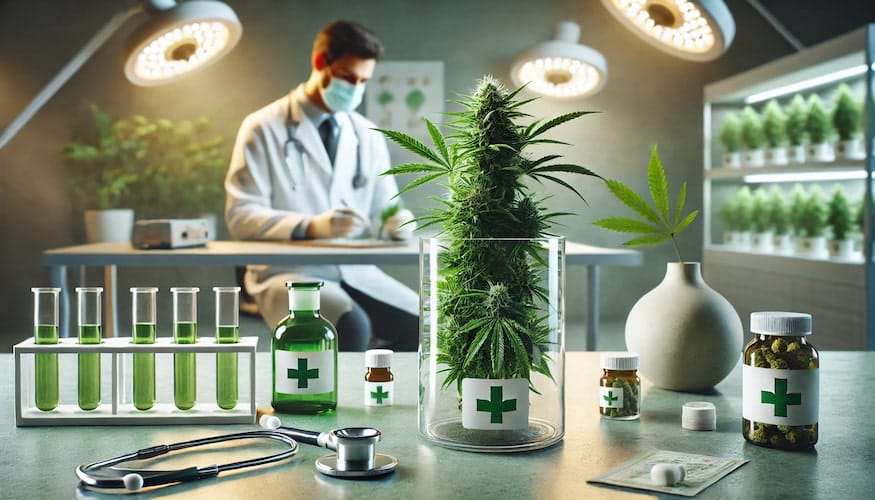
I’ve spent 16 years running Seeds Here Now, and I’ve heard every claim about what cannabis can do. Some of it is real and backed by research. A lot of it is wishful thinking dressed up as fact. I’m not a doctor, and I’m not going to pretend cannabis is a miracle cure — that kind of overselling does patients more harm than good. What I can do is lay out what the evidence actually associates with medical cannabis, where the science is still catching up, and what an honest person should keep in mind.
Important: This is general information from a seedsman, not medical advice. Cannabis affects people differently, it can interact with medications, and it isn’t right for everyone. Talk to a licensed physician before using cannabis for any health condition, and check your own state’s laws.
Why the Conversation Has Changed
Medical cannabis is legal in a large majority of U.S. states, and the number of registered patients runs into the millions. That shift didn’t happen because of hype. It happened because enough patients and clinicians saw results worth taking seriously, and because researchers finally got a little more room to study the plant.
But here’s the honest part: cannabis was federally restricted for decades, which choked off the rigorous, large-scale research a drug normally goes through. So we’re in a strange spot. There’s real evidence for some uses, promising-but-incomplete evidence for others, and a lot of anecdote filling the gaps. I’ll try to keep those buckets separate, because lumping them together is exactly how people get misled.
How Cannabis Interacts With the Body
The reason cannabis does anything at all is the endocannabinoid system — a network of receptors throughout your brain, nervous system, and immune system that helps regulate things like pain, mood, appetite, and sleep. Cannabinoids like THC and CBD interact with that system. THC is the intoxicating one. CBD isn’t intoxicating and is being studied for a range of effects. Terpenes, the aromatic compounds in the plant, may also shape how a given variety feels, though research on that is still developing.
That’s the mechanism in plain terms. It’s why a single plant can be associated with such a wide range of reported effects — the system it acts on touches a lot of the body.
Where the Evidence Is Strongest
Let me start with the areas where the research is most solid.
Chronic pain
Chronic pain is the most common reason patients turn to medical cannabis, and it’s one of the better-supported uses. A significant body of research associates cannabis and cannabinoids with meaningful relief in some adults with chronic pain. The National Academies’ major 2017 review concluded there was substantial evidence for this. It doesn’t work for everyone, and it’s not a guaranteed replacement for other treatments — but for pain, the evidence is real, not just anecdotal.
Chemotherapy-induced nausea and vomiting
Certain cannabinoids are well established for reducing nausea and vomiting from chemotherapy. This is one of the oldest recognized medical uses, to the point that cannabinoid-based medications have been FDA-approved for it. If there’s a “settled” corner of the field, this is close to it.
Specific seizure disorders
An FDA-approved CBD medication is used for certain rare, severe seizure disorders, backed by clinical trials. That’s a narrow, specific approval — not a blanket claim that cannabis treats all epilepsy — but it’s a clear example of cannabis-derived medicine clearing a high evidence bar.
Multiple sclerosis spasticity
Research associates cannabinoids with modest improvement in patient-reported spasticity and stiffness in multiple sclerosis. The effect is real in the literature, though often described as moderate rather than dramatic.
Where the Evidence Is Promising but Incomplete
Now the areas where a lot of patients report benefit, but the science is thinner. I’m flagging these honestly because this is where overclaiming happens most.
Sleep
Many patients report that cannabis helps them fall asleep or stay asleep, and some studies point in that direction, particularly for people whose sleep is disrupted by pain or other conditions. But long-term data is limited, and there are real questions about tolerance and sleep quality over time. It may help; it’s not proven the way pain relief is.
Anxiety and mood
This one is genuinely mixed. Some people find cannabis calming; others find that THC, especially at higher doses, makes anxiety worse. CBD is being studied for anxiety with some encouraging early findings, but the research is far from conclusive. Anyone using cannabis for a mental health condition should be doing it with a clinician, not on their own read of the internet.
Appetite and gastrointestinal symptoms
Cannabis is associated with appetite stimulation, which has clear value for patients dealing with wasting or appetite loss from illness or treatment. Some patients also report relief from certain GI symptoms. The appetite effect is fairly well recognized; the broader GI claims are more anecdotal.
PTSD and other conditions
You’ll see cannabis listed as a qualifying condition for PTSD in many state programs, and a lot of patients report benefit. But the controlled research is still limited and ongoing. “Patients report it helps” and “studies prove it works” are two different statements, and I won’t blur them.
The Honest Caveats
If I only talked about benefits, I’d be doing the same thing I criticize other people for. So here’s the other side.
Cannabis has real risks and side effects. THC can cause anxiety, impaired coordination, and short-term memory effects. It impairs driving. Heavy or long-term use carries risks, and there’s genuine concern about use during adolescence, pregnancy, and breastfeeding. Cannabis can interact with prescription medications. And for a small number of people, it can trigger or worsen serious mental health issues.
The research is ongoing — that phrase isn’t a dodge, it’s the actual state of the field. Federal restrictions slowed the science for decades, and we’re still filling in gaps. Anyone who tells you cannabis is completely risk-free, or that it definitely cures a serious disease, is selling you something. A patient’s best move is a real conversation with a physician who knows their history.
Form and Dose Change the Experience
One thing the “cannabis helps X” headlines gloss over is that how you take it matters as much as what you take. The same genetics behave very differently depending on the delivery method, and a patient chasing a benefit should understand that.
Inhaled cannabis — smoked or vaporized — acts fast, within minutes, and fades relatively quickly. That makes it easier to titrate in the moment but harder on the lungs if smoked. Edibles are the opposite: slow onset, sometimes an hour or more, and a much longer, often stronger effect because of how the liver processes THC. More people get in trouble with edibles by re-dosing too soon than with almost any other method. Tinctures and oils sit somewhere in between and are popular with patients who want measured, repeatable amounts. Topicals are used for localized relief and generally aren’t intoxicating.
The old advice still holds and it’s worth repeating: start low, go slow. Whatever the research says about a given benefit, an individual patient still has to find their own effective amount, and overshooting the dose is the fastest way to a bad experience. None of this is a substitute for a clinician’s guidance — it’s just context so the benefit conversation stays grounded in reality.
Why Genetics Sit Underneath All of This
Here’s where I’ll connect it to what I actually do. Whatever benefit a patient is chasing, the plant they use has to be consistent, or none of the above is reliable. If your cannabinoid content swings wildly from batch to batch, you can’t dose against it. If you don’t know whether you’re getting a high-THC or higher-CBD chemotype, you’re guessing at the effect.
That consistency starts with genetics. Stable, verified seed from breeders who actually stabilize their lines gives a patient a predictable chemotype to work with. Mystery seed gives you a coin flip. For someone using cannabis casually, that’s fine. For someone using it to manage a symptom, the genetics are the foundation the whole thing rests on — which is exactly why I’ve spent 16 years being picky about the breeders we carry.
FAQ
What conditions have the strongest evidence for medical cannabis?
The strongest evidence is for chronic pain, chemotherapy-induced nausea and vomiting, certain rare seizure disorders (via an FDA-approved CBD medication), and MS-related spasticity. Other uses are promising but less proven. This isn’t medical advice — talk to a physician about your situation.
Is medical cannabis safe?
It has real benefits for some patients and real risks for others. Side effects, drug interactions, and impairment are all genuine concerns, and it’s not appropriate during pregnancy or for everyone. “Safe” depends on the person, the dose, and the condition. A licensed clinician is the right person to weigh that.
Does CBD get you high?
No. CBD is non-intoxicating. THC is the cannabinoid responsible for the “high.” Many patients are specifically interested in higher-CBD or balanced chemotypes for that reason, which is a genetics choice made at the seed level.
Why does the plant’s genetics matter for medical use?
Because consistency is what makes dosing possible. Verified, stable genetics produce a predictable cannabinoid and terpene profile batch after batch. Unverified seed can’t promise that, which makes any therapeutic routine harder to rely on.
Start With Genetics You Can Count On
Medical cannabis is worth taking seriously — honestly, without the hype. If you’re going to rely on the plant, rely on genetics that stay consistent. Seeds Here Now has spent 16 years curating breeders who stabilize their lines, so browse our feminized seeds, regular seeds, or the full shop to find a chemotype that fits your goal.
Related reading: Best Cannabis Strains for Anxiety
Suggested Articles

 12 Nov 2026
 11 min read

;)
;)
;)
 August 13, 2024


RESPONSES (0)
No responses yet. Be the first to respond!